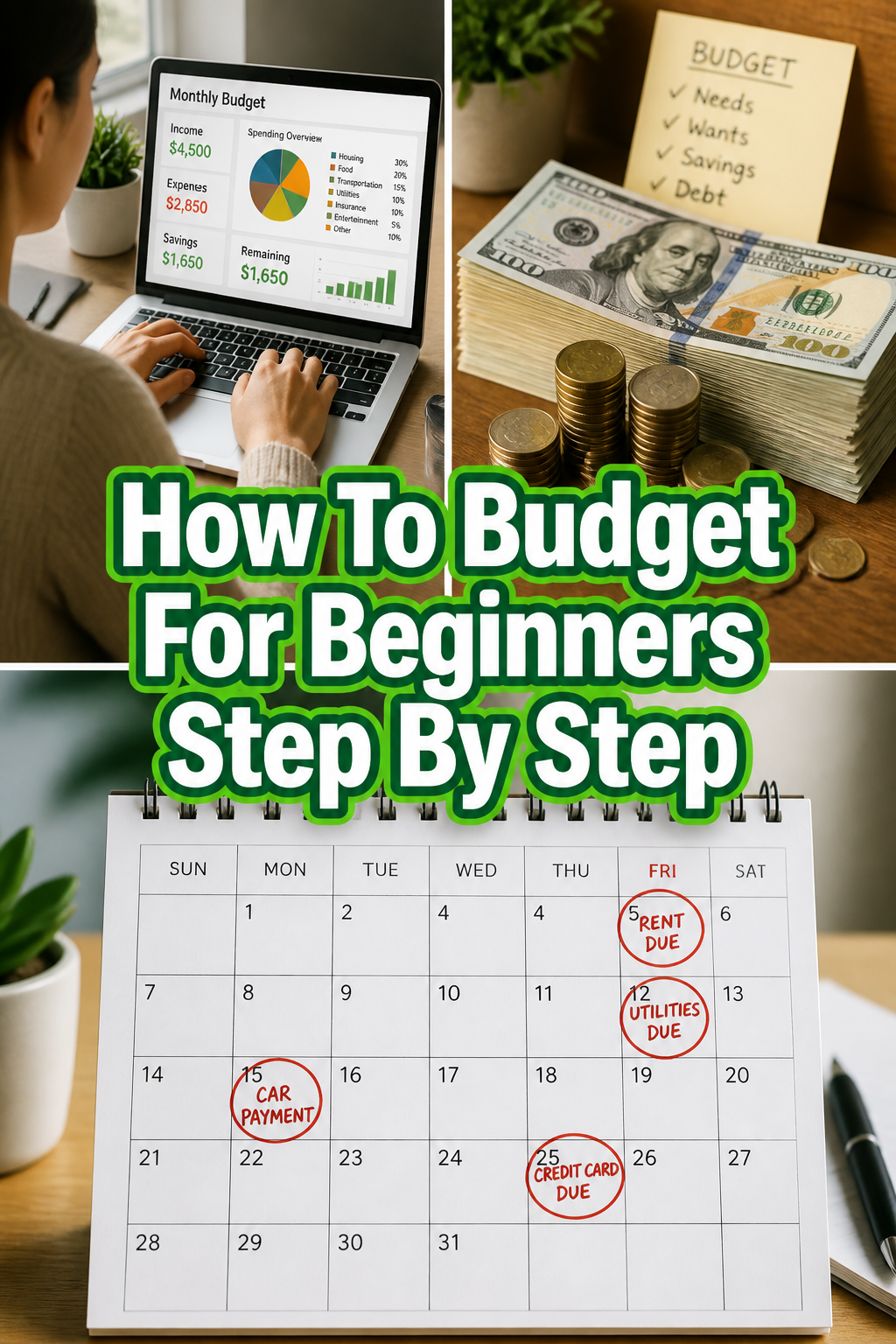
💰 How To Budget For Beginners Step By Step
📚 The Financial Literacy Library
The best investment you can ever make is in your own financial education. These 5 cornerstone books are what millionaires, financial advisors, and wealth-builders universally recommend for completely rewiring how you think about earning, saving, and investing money.
🧠 The Psychology of Money
Doing well with money isn't necessarily about what you know—it's about how you behave. Morgan Housel masterfully breaks down the emotional and psychological biases that secretly dictate our financial decisions, offering a true paradigm shift in how to view wealth.
🏠 Rich Dad Poor Dad
The #1 personal finance book of all time for a reason. This foundational read shatters the myth that you need to earn a high income to be rich, teaching you the critical difference between working for money and making your money work for you via assets.
📈 Atomic Habits
While not strictly a finance book, building wealth is absolutely dependent on the daily habits you cultivate. James Clear provides the definitive framework for breaking bad spending habits and effortlessly automating the good ones that lead to long-term success.
📊 The Simple Path to Wealth
The ultimate antidote to complex, intimidating financial advice. JL Collins provides an incredibly accessible, low-stress roadmap to financial independence through index fund investing, perfectly explaining why simplicity beats Wall Street complexity every time.
💳 I Will Teach You to Be Rich
A tactical, no-BS, 6-week program that actually works. Ramit Sethi teaches you how to crush debt, automate your savings, and negotiate your salary—all while guilt-free spending on the things you truly love. A must-read for modern money management.
Ever felt like your money vanishes before your next paycheck arrives?
You are not alone; I certainly used to feel that way myself, constantly wondering where my hard-earned cash went.
This guide is your friendly roadmap to taking control, showing you exactly how to make your money work for you, not against you.
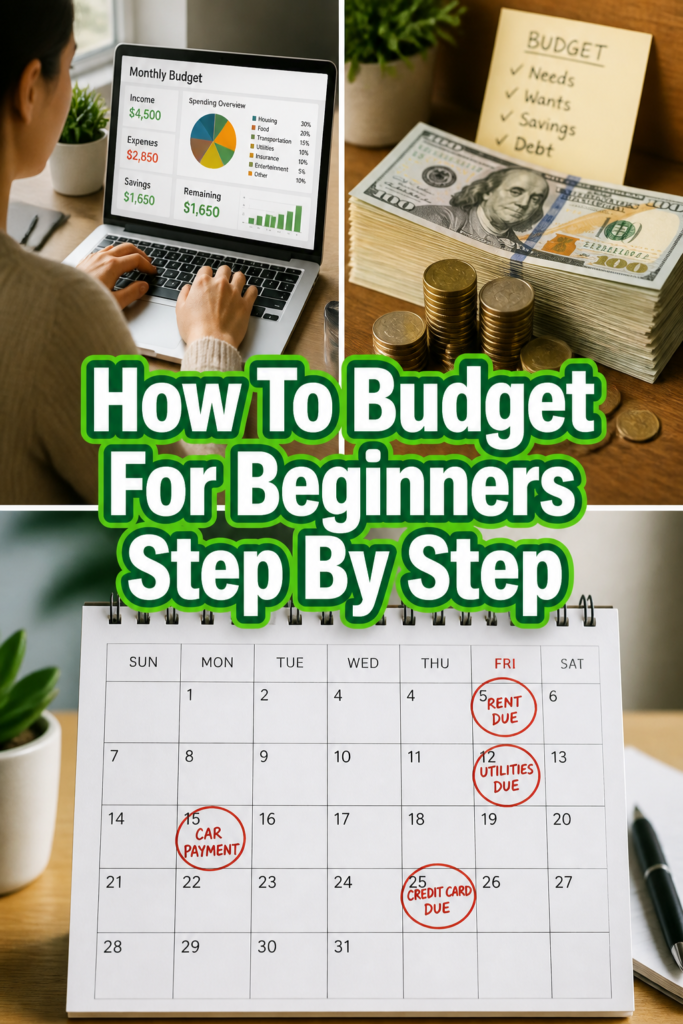
Quick Overview
You’re about to embark on a journey that will transform your financial habits and bring peace of mind. By the end, you’ll have a clear, actionable budget tailored to your life.
- Time needed: 1-2 hours for initial setup, 15-30 minutes weekly for review
- Difficulty: Beginner
- What you’ll need: Bank statements, a spreadsheet (Google Sheets/Excel) or budgeting app, and a positive mindset
Step-by-Step Instructions
Step 1: Understand Your “Why”
Before diving into numbers, take a moment to reflect on your motivation. Why do you want to budget?
Is it to save for a down payment, pay off debt, travel, or simply reduce financial stress? Knowing your “why” will fuel your consistency.
Write down your top three financial goals. Keep them visible as a constant reminder of what you’re working towards.
Pro Tip: Link your goals to specific emotions. For example, “I want to save for a vacation so I can feel relaxed and adventurous.” This emotional connection makes goals more powerful.
Step 2: Know Your Income (The Money Coming In)
Your first practical step is to clearly define how much money you have coming in. This is your foundation.
Gather all your income sources: your regular paycheck, freelance earnings, side hustles, or any other money you receive.
Calculate your total net income for a typical month. Net income is the amount you receive after taxes and deductions.
Step 3: Track Your Spending (Where Your Money Goes)
This is where many beginners get stuck, but it’s crucial. For the next 30 days, diligently track every single dollar you spend.
Use a budgeting app, a simple spreadsheet, or even a small notebook to record every coffee, grocery run, and bill payment.
Categorize your expenses as you go. Common categories include housing, food, transportation, entertainment, and utilities.
Pro Tip: Don’t try to change your spending habits during this tracking period. The goal right now is just awareness, not judgment. You’re gathering data.
Step 4: Differentiate Needs vs. Wants
After tracking for a month, you’ll have a clearer picture of your spending. Now, it’s time to analyze.
Go through your categorized expenses and label each as a “Need” or a “Want.” Needs are essential for living (rent, basic groceries, utilities).
Wants are things that improve your life but aren’t strictly necessary (dining out, subscription services, new gadgets).
Step 5: Create Your Budget Categories
With your income and spending data, you can now build your actual budget. Allocate specific amounts of money to each category.
Start with your fixed expenses first – these are bills that stay the same every month (rent, loan payments).
Move to variable expenses – these fluctuate (groceries, gas, entertainment).
Allocate money for savings and debt repayment as if they were bills. Pay yourself first!
Pro Tip: Consider using the 50/30/20 rule as a starting point: 50% of your income for Needs, 30% for Wants, and 20% for Savings & Debt Repayment. Adjust it to fit your unique situation.
Step 6: Choose Your Budgeting Method
There are several ways to manage your budget, find one that resonates with you.
Spreadsheet budgeting (like Google Sheets or Excel) offers flexibility and control. You manually input everything.
Budgeting apps (like Mint, YNAB, or Personal Capital) can link to your bank accounts, automating much of the tracking.
The Envelope System involves allocating cash into physical envelopes for different spending categories. Once an envelope is empty, you stop spending in that category for the month.
Step 7: Implement and Review Regularly
Your budget is a living document, not a one-time task. It needs consistent attention.
Check in with your budget weekly to see if you’re sticking to your limits. Adjust as needed if you overspent in one area.
Conduct a more thorough review monthly. Did your income change? Do you have new goals? Update your budget accordingly.
Celebrate small wins! Acknowledging progress keeps you motivated and engaged with your financial plan.
Common Mistakes to Avoid
Ignoring Small Expenses
Many beginners focus only on big bills and forget about the daily coffees or impulse buys. These “latte factors” add up quickly.
The correct approach is to track every single expense, no matter how small. Every dollar counts towards your overall financial picture.
Being Too Restrictive
Creating an overly strict budget that cuts out all enjoyment is a recipe for failure. It’s unsustainable and leads to burnout.
Build in some “fun money” or a small discretionary fund. This allows you to enjoy life while still working towards your goals.
Not Tracking Consistently
A budget only works if you stick with it. Sporadic tracking means you’ll lose sight of where your money is truly going.
Make tracking a habit. Set a reminder each day or week to log your expenses and review your budget. Consistency is key.
Forgetting to Budget for Irregular Expenses
Things like car maintenance, annual subscriptions, or holiday gifts don’t happen every month but can derail a budget when they do.
Create a sinking fund for these. Set aside a small amount each month into a separate savings account so the money is ready when needed.
Troubleshooting
“I Always Overspend on [Category]”
This is a common challenge, especially with variable categories like groceries or entertainment. Don’t get discouraged.
First, analyze why you overspend. Is it impulse buying, poor planning, or an unrealistic budget? Adjust your budget amount for that category, or try strategies like meal planning for groceries, or setting a cash limit for entertainment.
“My Budget Feels Too Complicated”
Budgeting doesn’t have to be complex. If your current method feels overwhelming, simplify it.
Start with fewer categories, or try a simpler method like the 50/30/20 rule or the envelope system. You can always add more detail as you get comfortable.
“I Can’t Seem to Save Anything”
If your income barely covers your needs, saving can feel impossible. This indicates a need to either increase income or decrease expenses significantly.
Look for areas to cut back on “wants” first. If that’s not enough, explore side hustles or ways to boost your income. Even small amounts saved consistently add up over time.
Key Takeaways
- Start with Your “Why”: Your motivation is the fuel for your budgeting journey.
- Know Your Numbers: Accurately track both your income and every single expense.
- Prioritize Needs First: Cover your essential living costs before allocating money to wants.
- Budgeting is Dynamic: Your budget needs regular review and adjustment to stay effective.
- Consistency is Crucial: Make tracking and reviewing a habit, not a one-time event.
- Be Patient and Kind: It takes time to build new habits. Celebrate progress and learn from setbacks.
Frequently Asked Questions
How long does it take to see results from budgeting?
You can start seeing results almost immediately, often within the first month. As you track and adjust, you’ll gain clarity and control, leading to better financial decisions and progress towards your goals.
What if my income changes frequently?
If your income is irregular, focus on budgeting based on your lowest expected income. When you have months with higher income, use the extra money to build an emergency fund or pay down debt.
Should I include debt payments in my budget?
Absolutely! Debt payments are a crucial part of your budget, often falling under “Needs” or a dedicated “Debt Repayment” category. Prioritizing debt repayment can free up more money in the long run.
Is it okay to adjust my budget throughout the month?
Yes, absolutely. Your budget is a guide, not a rigid rule. Life happens, and flexibility is important. If you overspend in one category, look for areas to cut back in another, or adjust next month’s allocations.
Our Top Recommended Finds
- Simple Notebook and Pen: Perfect for initial tracking and jotting down ideas without digital distractions.
- Budgeting Spreadsheet Template: Many free templates online (e.g., Google Sheets) provide a clear framework for tracking income and expenses.
- Small Cash Envelopes: Ideal for implementing the physical envelope system for variable spending categories.
Your Financial Future Starts Today
You’ve taken the essential first step by reading this guide. Now, it’s time to put these principles into action.
Don’t wait for the “perfect” time; start small, be consistent, and watch your financial confidence grow.
Your journey to financial freedom and peace of mind is within reach. Consider exploring topics like investing for beginners or advanced debt management as your next steps.