💰 How To Save Money On A Low Income
📚 The Financial Literacy Library
The best investment you can ever make is in your own financial education. These 5 cornerstone books are what millionaires, financial advisors, and wealth-builders universally recommend for completely rewiring how you think about earning, saving, and investing money.
🧠 The Psychology of Money
Doing well with money isn't necessarily about what you know—it's about how you behave. Morgan Housel masterfully breaks down the emotional and psychological biases that secretly dictate our financial decisions, offering a true paradigm shift in how to view wealth.
🏠 Rich Dad Poor Dad
The #1 personal finance book of all time for a reason. This foundational read shatters the myth that you need to earn a high income to be rich, teaching you the critical difference between working for money and making your money work for you via assets.
📈 Atomic Habits
While not strictly a finance book, building wealth is absolutely dependent on the daily habits you cultivate. James Clear provides the definitive framework for breaking bad spending habits and effortlessly automating the good ones that lead to long-term success.
📊 The Simple Path to Wealth
The ultimate antidote to complex, intimidating financial advice. JL Collins provides an incredibly accessible, low-stress roadmap to financial independence through index fund investing, perfectly explaining why simplicity beats Wall Street complexity every time.
💳 I Will Teach You to Be Rich
A tactical, no-BS, 6-week program that actually works. Ramit Sethi teaches you how to crush debt, automate your savings, and negotiate your salary—all while guilt-free spending on the things you truly love. A must-read for modern money management.
Feeling like saving money on a low income is an impossible dream? You’re not alone, but it’s a dream that’s entirely within reach. This guide will show you how to take control of your finances, make every dollar count, and build a foundation for a more secure future, no matter your current income level. It’s time to transform financial stress into empowered action and watch your savings grow.

Quick Overview
In this guide, you’ll discover practical strategies to understand your money, cut unnecessary expenses, find creative ways to boost your income, and cultivate a powerful wealth-building mindset. You’ll learn how to create a budget that works for you, automate your savings, and build a vital emergency fund, turning complex financial concepts into simple, actionable steps.
- Time needed: 1-2 hours for initial setup and planning, ongoing commitment for daily habits.
- Difficulty: Beginner
- What you’ll need: A pen and paper or a budgeting app, access to your bank statements, and a willingness to commit to positive change.
Step-by-Step Instructions
Step 1: Uncover Your Financial Truth (Track Income & Expenses)
Before you can save, you need to know exactly where your money is going. This isn’t about judgment; it’s about gaining clarity and control. Many people on low incomes feel like they don’t have enough to track, but this step is even more critical when every dollar matters. You might be surprised at how small, seemingly insignificant expenses add up.
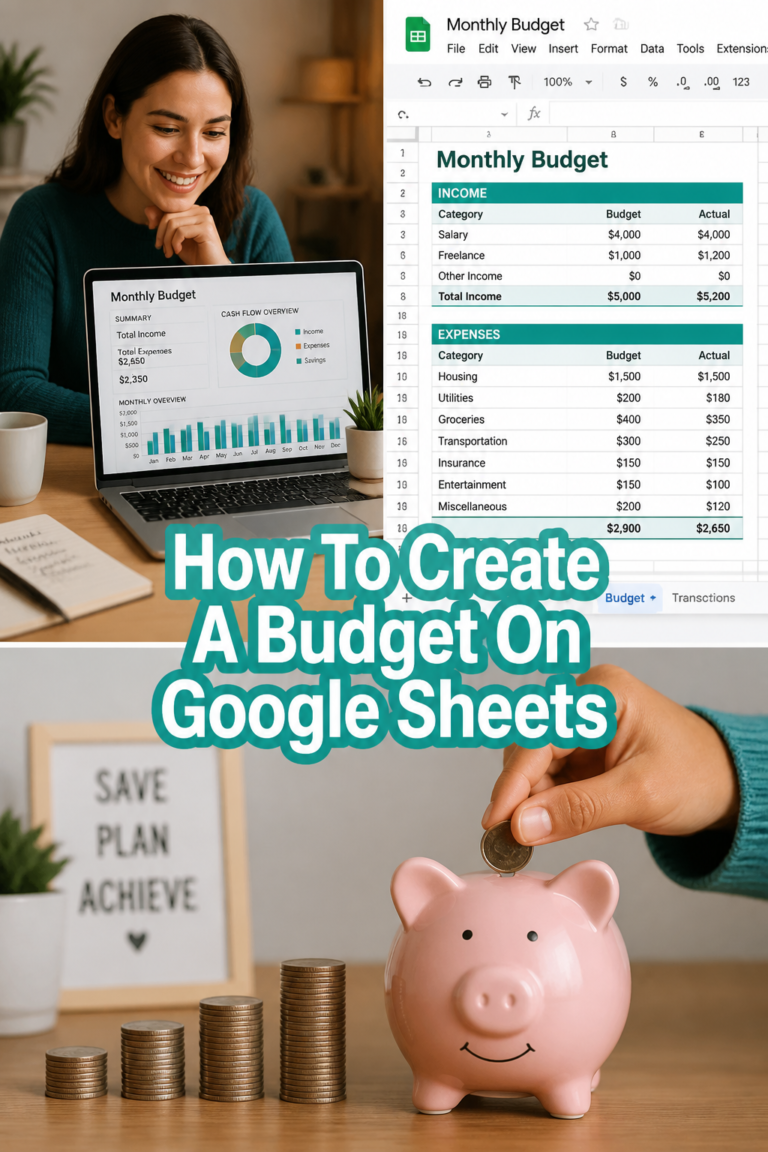
How to do it: For one month, meticulously record every single dollar that comes in and every dollar that goes out. You can use a simple notebook, a spreadsheet, or a free budgeting app like Mint or YNAB (You Need A Budget). Categorize your spending (e.g., food, transport, housing, entertainment). Don’t try to change anything yet; just observe. This process is like shining a flashlight into the dark corners of your financial life.
Relatable example: Think about that daily coffee or the occasional snack from the vending machine. Individually, they seem harmless, but tracking them for a month might reveal they’re costing you $50-$100 – money that could have gone into savings.
Pro tip: Link your bank accounts and credit cards to a budgeting app for automatic tracking. If you prefer a manual approach, keep all your receipts and log them daily. Consistency is key here.
Step 2: Craft Your Bare-Bones Budget (Needs vs. Wants)
Now that you know your financial truth, it’s time to create a budget that aligns with your income and goals. A budget isn’t about deprivation; it’s a spending plan that gives you permission to spend in certain areas while ensuring you’re prioritizing your financial well-being. For low incomes, this budget will likely be very lean, focusing heavily on essentials.
How to do it: Divide your expenses into two categories: “Needs” and “Wants.”
- Needs: These are non-negotiable for survival and basic living. Think housing, utilities, food, essential transportation, basic healthcare.
- Wants: These are things that improve your quality of life but aren’t strictly necessary. Examples include dining out, entertainment subscriptions, new clothes (beyond basic necessities), expensive hobbies, or premium coffee.
Allocate your income to cover your Needs first. Be realistic and honest with yourself. If there’s money left over, then you can allocate a small portion to Wants and, crucially, to savings. Aim for a “zero-based budget” where every dollar has a job, even if that job is “savings.”
Relatable example: If your rent is $800, groceries $300, and utilities $150, those are your non-negotiable needs. That $50 you spend on streaming services or eating out might be a “want” that needs to be temporarily cut or reduced to free up funds for savings.
Pro tip: Start with the 50/30/20 rule (50% Needs, 30% Wants, 20% Savings) as a guideline, but be prepared to adjust significantly. On a low income, your Needs might be 70-80%, leaving less for Wants and Savings initially. The goal is to optimize what you have.
Step 3: Wage War on Expenses (Find Savings Opportunities)
With your budget in hand, it’s time to actively look for ways to reduce your spending. This is where you become a financial detective, uncovering hidden savings in every corner of your life. Every dollar you don’t spend is a dollar you can save or use to pay down debt.
How to do it: Go through each category of your budget and brainstorm ways to cut back:
- Food: Meal plan, cook at home, buy store brands, use coupons, shop sales, avoid food waste, pack your lunch.
- Transportation: Walk, bike, use public transport, carpool, combine errands, plan routes efficiently to save gas.
- Utilities: Unplug electronics when not in use, turn off lights, adjust thermostat (a few degrees can save a lot), take shorter showers, consider energy-efficient appliances if feasible.
- Entertainment: Utilize free activities (parks, libraries, free museum days), host potlucks instead of dining out, cancel unused streaming subscriptions, borrow books/movies instead of buying.
- Subscriptions: Audit all recurring payments – gym memberships, apps, streaming services. Cancel anything you don’t use regularly or truly value.
Relatable example: Instead of buying expensive pre-cut vegetables, buy whole ones and chop them yourself. Instead of daily takeout coffee, make your own at home. These small shifts add up significantly over time.
Pro tip: Call your service providers (internet, phone, insurance) and ask if there are any cheaper plans or discounts you qualify for. Many companies will offer better rates to retain customers, especially if you mention considering alternatives.
Step 4: Automate Your Savings (Pay Yourself First)
This is arguably one of the most powerful saving strategies. The “pay yourself first” principle ensures that saving isn’t an afterthought; it’s a priority. By automating, you remove the temptation to spend the money and build a consistent saving habit without even thinking about it.
How to do it: Set up an automatic transfer from your checking account to a separate savings account immediately after you get paid. Even if it’s just $5 or $10 per paycheck, the consistency is what matters. Start with an amount you know you won’t miss, then gradually increase it as your budget allows.
Relatable example: Imagine your paycheck hits your account on Friday. By Saturday morning, $10 automatically moves to your savings. You never “see” that $10 in your checking account, so you don’t miss it. Over a year, that’s $260 if paid bi-weekly – a significant sum that built up painlessly.
Pro tip: Make your savings account slightly inconvenient to access. Use a different bank, or at least one that isn’t easily linked to your debit card for immediate spending. This creates a psychological barrier that prevents impulse withdrawals.
Step 5: Boost Your Income (Creatively & Strategically)
While cutting expenses is crucial, increasing your income significantly accelerates your savings journey. On a low income, finding additional revenue streams can be a game-changer, moving you from merely surviving to thriving and building wealth.
How to do it: Explore various avenues to bring in extra cash:
- Side Hustles: Leverage your skills or interests. Can you babysit, pet sit, tutor, freelance (writing, design, virtual assistant), deliver food/groceries, or do handyman work?
- Sell Unused Items: Declutter your home and sell clothes, electronics, furniture, or collectibles on platforms like eBay, Facebook Marketplace, or local consignment shops.
- Part-time Work: Even a few extra hours a week at a part-time job can make a big difference.
- Negotiate: If you’re employed, consider asking for a raise after demonstrating your value and taking on more responsibilities.
- Government Assistance/Benefits: Research local, state, and federal programs you might be eligible for (e.g., food assistance, housing aid, energy assistance). These can free up existing income for savings.
Relatable example: Turning your love for dogs into a weekend pet-sitting gig that brings in an extra $100-$200 a month. That extra income can go directly into your savings or emergency fund.
Pro tip: Start small. Don’t try to launch a full-blown business overnight. Pick one side hustle you can realistically commit to for a few hours a week and see how it goes. The goal is consistent extra income.
Step 6: Build Your Emergency Fund (Your Financial Shield)
An emergency fund is your critical first savings goal. It’s a dedicated stash of money specifically for unexpected expenses like a car repair, medical bill, or job loss. Without it, one unforeseen event can derail all your progress and plunge you into debt.
How to do it: Make building an emergency fund your top savings priority. Aim to save at least $500 to $1,000 as your initial goal. This might seem daunting, but break it down into smaller, manageable chunks. Once you hit that initial target, work towards saving 3-6 months’ worth of living expenses. Keep this money in a separate, easily accessible (but not too easily accessed for impulse spending) savings account.
Relatable example: Your car suddenly needs a $700 repair. If you have an emergency fund, you pay for it with cash and continue your financial journey. If not, you might put it on a high-interest credit card, digging yourself deeper into debt.
Pro tip: Think of your emergency fund as insurance. You hope you never have to use it, but you’ll be incredibly grateful it’s there if you do. Prioritize this over all other savings goals, except perhaps high-interest debt repayment once a basic fund is established.
Step 7: Track Progress & Celebrate Milestones
Saving money, especially on a low income, is a marathon, not a sprint. To stay motivated and committed, it’s essential to track your progress and acknowledge your achievements along the way. Seeing your savings grow, even slowly, is incredibly empowering.
How to do it: Regularly review your budget and savings accounts. Weekly or monthly check-ins allow you to see how far you’ve come and make any necessary adjustments. When you hit a savings milestone (e.g., $100 saved, $500 emergency fund complete, a month without eating out), celebrate! This doesn’t mean spending money; it means acknowledging your hard work.
Relatable example: You hit your first $500 in your emergency fund. Celebrate by treating yourself to a free picnic in the park, a long walk, or a movie night at home with a borrowed DVD. The reward is the feeling of accomplishment and the reinforcement of good habits.
Pro tip: Use visual aids. A thermometer chart on your fridge showing your emergency fund goal, or a spreadsheet with colorful graphs, can be powerful motivators. Share your goals with a trusted friend or family member for accountability.
Step 8: Cultivate a Wealth-Building Mindset
Ultimately, saving money on a low income isn’t just about numbers; it’s about shifting your perspective and believing in your ability to create a better financial future. A scarcity mindset (feeling like there’s never enough) can be debilitating. Embrace an abundance mindset, focusing on what you can do and the opportunities available to you.
How to do it:
- Educate Yourself: Read personal finance books, listen to podcasts, follow reputable financial blogs. Learn about compound interest, debt management, and smart investing (even if it seems far off).
- Positive Affirmations: Replace negative self-talk about money with positive affirmations like “I am capable of managing my money” or “I am building a secure future.”
- Focus on Solutions: When faced with a financial challenge, instead of dwelling on the problem, actively seek solutions.
- Delayed Gratification: Practice postponing immediate desires for long-term gains. This builds financial discipline.
Relatable example: Instead of thinking, “I can’t afford that,” try thinking, “How can I afford that in the future?” or “Is this aligned with my financial goals right now?” This subtle shift empowers you to make conscious choices.
Pro tip: Surround yourself with positive influences. Limit exposure to consumerism and social media that encourages comparison. Instead, seek out communities or individuals who are also on a journey of financial improvement.
Common Mistakes to Avoid
Even with the best intentions, it’s easy to stumble. Being aware of these common pitfalls can help you stay on track.
-
Not Tracking Every Dollar: Many people track major expenses but let small, daily purchases slip through the cracks. These “invisible” expenses, like a daily soda or snack, can quickly add up to hundreds of dollars a month. They create budget leaks you’re unaware of. The correct approach is to be diligent in recording every single transaction, no matter how small, to get a true picture of your spending.
-
Being Too Restrictive with Your Budget: While a bare-bones budget is necessary on a low income, making it impossibly tight can lead to burnout and giving up. If you cut out all enjoyable spending, you’ll feel deprived and eventually break the budget. The correct approach is to allow a small, realistic amount for “fun money” or small treats. This makes your budget sustainable and keeps you motivated.
-
Ignoring an Emergency Fund: Skipping the emergency fund to pay off debt or save for a down payment is a common mistake. Without a safety net, any unexpected expense (car repair, medical bill) will force you back into debt, undoing all your hard work. The correct approach is to prioritize building a small emergency fund ($500-$1000) first, then tackle high-interest debt or other savings goals.
-
Comparing Your Journey to Others: It’s easy to look at others’ financial situations and feel discouraged, especially when you’re on a low income. This comparison can breed resentment and make you feel like your efforts are futile. The correct approach is to focus solely on your own progress and celebrate your unique milestones. Your journey is yours alone, and every step forward is a victory.
Troubleshooting
-
“I genuinely don’t have enough money to save.”
Solution: Revisit Step 1 (Track Expenses) and Step 3 (Attack Expenses) with an even finer-tooth comb. Are there any hidden costs? Can you negotiate any bills? Then, double down on Step 5 (Boost Income). Even an extra $20-$50 a month from a small side hustle can be a starting point for savings. Remember, saving $1 is better than saving $0. The habit is more important than the initial amount.
-
“I keep dipping into my savings account.”
Solution: This often happens because the savings are too accessible or you haven’t fully committed to the “emergency only” rule. Make your savings account harder to access (e.g., at a different bank, no debit card linked). Re-evaluate your emergency fund goal – maybe you need to save a bit more to feel secure. Also, identify your spending triggers and find alternative, free ways to cope with stress or boredom.
-
“My budget feels too complicated or overwhelming.”
Solution: Simplify! Start with the absolute basics. Instead of a detailed spreadsheet, try the envelope system for cash expenses (label envelopes for groceries, transport, etc.). Or, just focus on tracking income and your top 3-5 biggest expenses for a month. Once you master that, you can gradually add more detail. The best budget is the one you’ll actually use consistently.
Key Takeaways
- Knowledge is Power: Understand your income and where every dollar goes.
- Prioritize Needs: Create a budget that puts essentials first.
- Cut Ruthlessly: Actively seek and eliminate unnecessary expenses.
- Automate for Success: Pay yourself first by setting up automatic savings transfers.
- Boost Your Income: Explore creative ways to earn extra money.
- Build a Safety Net: An emergency fund is your first and most important savings goal.
- Track & Celebrate: Monitor your progress and acknowledge your achievements to stay motivated.
- Mindset Matters: Cultivate a positive, wealth-building attitude.
Frequently Asked Questions
Q: How much should I save if I’m on a low income?
A: Start with any amount you can consistently spare, even if it’s just $5 or $10 per paycheck. The goal is to build the habit. Your immediate priority should be to save $500-$1,000 for an emergency fund. Once that’s secured, you can aim for 3-6 months of living expenses.
Q: Is it really possible to build wealth on a low income?
A: Absolutely! Wealth building starts with consistent saving, smart money management, and increasing your income over time. While it may take longer, the principles are the same. Small amounts saved consistently, especially when invested later, can grow significantly over time thanks to compound interest.
Q: What’s the best budgeting method for low income?
A: The best method is the one you’ll stick to! Many find success with the “envelope system” for cash expenses, a simple spreadsheet, or free budgeting apps like Mint or YNAB (free versions). The key is simplicity and consistency, focusing on essential spending first.
Q: Should I pay off debt or save first?
A: It’s generally recommended to build a small emergency fund ($500-$1,000) first. This protects you from incurring new debt if an unexpected expense arises. Once you have that small buffer, you can aggressively tackle high-interest debt (like credit card debt), as the interest rates often outweigh potential savings interest.
What’s Next?
You’ve got the knowledge, now it’s time for action! Don’t let this guide just be another article you read. Take the first step today. Start tracking your expenses, set up that automatic transfer, or brainstorm one small way to boost your income. Your financial journey begins with that first intentional step.
Once you’ve mastered these foundational steps, consider exploring topics like debt snowball/avalanche methods for debt repayment, understanding credit scores, and learning about basic investing for long-term growth. The world of financial empowerment awaits you!