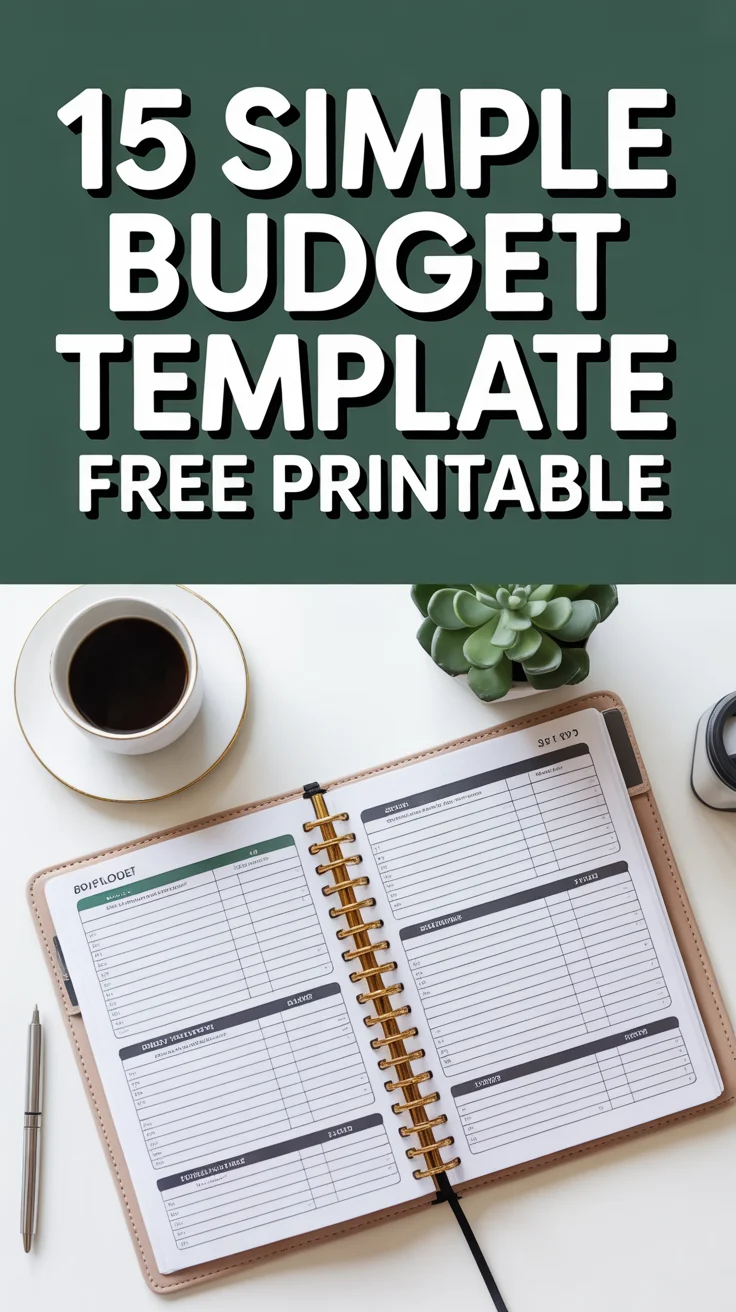
💰 10 Money Saving Challenge Low Income
📚 The Financial Literacy Library
The best investment you can ever make is in your own financial education. These 5 cornerstone books are what millionaires, financial advisors, and wealth-builders universally recommend for completely rewiring how you think about earning, saving, and investing money.
🧠 The Psychology of Money
Doing well with money isn't necessarily about what you know—it's about how you behave. Morgan Housel masterfully breaks down the emotional and psychological biases that secretly dictate our financial decisions, offering a true paradigm shift in how to view wealth.
🏠 Rich Dad Poor Dad
The #1 personal finance book of all time for a reason. This foundational read shatters the myth that you need to earn a high income to be rich, teaching you the critical difference between working for money and making your money work for you via assets.
📈 Atomic Habits
While not strictly a finance book, building wealth is absolutely dependent on the daily habits you cultivate. James Clear provides the definitive framework for breaking bad spending habits and effortlessly automating the good ones that lead to long-term success.
📊 The Simple Path to Wealth
The ultimate antidote to complex, intimidating financial advice. JL Collins provides an incredibly accessible, low-stress roadmap to financial independence through index fund investing, perfectly explaining why simplicity beats Wall Street complexity every time.
💳 I Will Teach You to Be Rich
A tactical, no-BS, 6-week program that actually works. Ramit Sethi teaches you how to crush debt, automate your savings, and negotiate your salary—all while guilt-free spending on the things you truly love. A must-read for modern money management.
Okay, let’s be real. “Money saving” and “low income” in the same sentence can feel like a cruel joke from the universe, right? We’re already pinching pennies so hard they’re screaming. But what if I told you that saving money can actually be… dare I say it… fun? Yes, even when your budget is tighter than skinny jeans after Thanksgiving dinner.
These aren’t about magic tricks or finding a money tree in your backyard (though, if you do, hit me up). These are about small, mighty shifts that add up, proving that you absolutely can build that savings stash, one cheeky challenge at a time. No shame, just game. Let’s get to it!

1. The No-Spend Day Blitz
Ever feel like money just evaporates? This challenge is your personal money detective. Pick one or two days a week, or even just one day to start, and commit to spending absolutely zero dollars. Zip, nada, nothing.
You’ll quickly learn where your spontaneous spending truly lies, whether it’s that afternoon coffee or a quick snack. Pro tip: Plan your no-spend days around when you’re already stocked up on groceries to avoid emergency buys. It’s surprisingly empowering to conquer a day without opening your wallet, physical or digital.
2. Meal Prep Maven
Takeout and spontaneous restaurant trips are budget killers, even the cheap ones. Become a meal prep champion by dedicating a few hours each week to cooking your meals ahead of time. Think big batches of chili, pasta, or roasted veggies.
This challenge saves you cash and precious decision-making energy during busy weekdays. You control the ingredients, reduce waste, and avoid the siren song of delivery apps. Pro tip: Look for recipes that use budget-friendly ingredients like lentils, beans, and seasonal vegetables. Your future self will thank you for that pre-made lunch.
3. Envelope System OG
This one’s a classic for a reason: it works. The envelope system means you pull out cash for specific spending categories (groceries, entertainment, transport) at the start of your pay period. When an envelope is empty, that category is done until the next payday.
It’s a tangible way to see your money and curb overspending, especially for those impulse buys. Pro tip: Start with just one or two tricky categories where you tend to overspend, like “fun money” or “eating out.” Seeing that cash dwindle is a much stronger deterrent than swiping a card.
4. The Round-Up Renegade
Many banking apps now offer a “round-up” feature, where every purchase you make is rounded up to the nearest dollar, and the difference goes into savings. It’s like finding money in your couch cushions, but automatically.
This challenge is perfect for passive savers; you barely notice the money leaving your checking account, but it adds up surprisingly fast. Pro tip: If your bank doesn’t offer it, you can manually round up at the end of each day or week, transferring a small amount like $0.50 or $1 to savings. Every cent is a tiny victory.
5. DIY Diva/Dude
Before you buy something new, ask yourself: Can I fix it? Can I make it? Can I borrow it? This challenge pushes you to be resourceful, whether it’s patching up clothes, making your own cleaning supplies, or even baking bread instead of buying it.
You’ll save money, learn new skills, and feel like a total superhero. Pro tip: YouTube is your best friend for DIY tutorials. From fixing a leaky faucet to making a killer pasta sauce from scratch, there’s a video for everything. Embrace your inner MacGyver.
6. Subscription Slasher
How many streaming services, apps, or monthly boxes are you actually using? Take a deep dive into your bank statements and identify all recurring subscriptions. Chances are, you’re paying for something you barely touch.
Cancel anything that isn’t absolutely essential or bringing you consistent joy. Pro tip: Set a reminder to review your subscriptions quarterly. Companies love to sneak in price increases or free trials that roll into paid plans. Be ruthless; your wallet will thank you.
7. Public Transport Pro
If you typically drive, challenge yourself to use public transport, bike, or walk for some of your journeys. Gas, parking, and car maintenance costs add up faster than you can say “empty tank.”
This challenge not only saves you money but also gets you some extra steps in, which is a win-win. Pro tip: Start small, maybe just one day a week for your commute or errands. You might discover a new favorite podcast or a hidden gem in your neighborhood. Plus, no traffic rage!
8. Thrift Store Treasure Hunt
Need something new? Your first stop should be a thrift store, consignment shop, or online marketplace (think Facebook Marketplace, Buy Nothing groups). From clothes to furniture to kitchen gadgets, secondhand finds are often a fraction of the cost.
This challenge is not just about saving money; it’s also sustainable and can lead to some truly unique finds. Pro tip: Have a list of what you’re looking for to avoid impulse buys, but keep an open mind for unexpected gems. One person’s trash is another’s perfectly good, barely-used blender.
9. Energy Vampire Slayer
Those electronics plugged in all the time, even when they’re off? They’re still sucking power, silently draining your cash. This challenge involves unplugging chargers, turning off lights when you leave a room, and being mindful of your thermostat.
Small changes in energy consumption can lead to noticeable drops in your utility bills. Pro tip: Use power strips for your entertainment centers and computer setups. This way, you can flip one switch to cut power to multiple devices when not in use. It’s a tiny effort for a real impact.
10. The $1 Challenge
This one is deceptively simple but incredibly effective. Every time you get a $1 bill in change, put it aside. Don’t spend it, don’t break it, just stash it. You can use a jar, an envelope, or a dedicated spot in your wallet.
You’ll be amazed at how quickly those single dollars accumulate. It feels like found money, and it’s a great visual reminder of your progress. Pro tip: Make it a game with yourself. The more $1 bills you collect, the faster your “fun money” fund grows. It’s like a tiny, personal lottery.
💼 The Money Management Toolkit
Knowledge is power, but proper execution requires the right tools. Getting your financial life organized doesn't have to be overwhelming. These 5 physical management tools are exactly what successful households use to budget, track cash, and secure their most important assets.
📝 Clever Fox Budget Planner & Bill Organizer
The ultimate analog command center for your finances. Sometimes keeping your budget in an app just doesn't stick. Physically writing down your goals, tracking expenses, and planning for debt payoff creates a level of accountability that digital spreadsheets simply can't match.
💵 A6 Leather Cash Stuffing Binder
The viral tool that made the cash-envelope budgeting system popular again. By allocating actual physical cash to designated envelopes (groceries, dining out, fun money), you physically cap your spending, making it virtually impossible to overdraft or overspend.
🔥 Fireproof & Waterproof Document Safe
A critical piece of financial security that many families overlook. Protecting your passports, birth certificates, property deeds, and estate planning documents from disaster is just as important as protecting the money in your bank account.
🏷️ Brother P-Touch Digital Label Maker
The unsung hero of a functional home office. When tax season rolls around or you need to find an important receipt, having perfectly labeled and categorized filing cabinets or accordion folders saves hours of frustrating searches and potential late fees.
🔒 SentrySafe Compact Fireproof Lock Box
For the physical assets that need extra heavy-duty protection—think emergency cash reserves, hard drives with Bitcoin cold wallets, or physical precious metals. This compact, locking safe provides peace of mind that your physical wealth is secure at home.
Conclusion
Alright, so there you have it, ten ways to kick your money-saving game into high gear without feeling like you’re depriving yourself into oblivion. Remember, these aren’t about being perfect; they’re about progress, not perfection. Pick one, pick two, or dive headfirst into all ten. The goal is to make saving money a habit, not a punishment.
Every dollar saved is a tiny fist pump for your financial future. You’ve got this, budget warrior! Now go forth and conquer those coins.