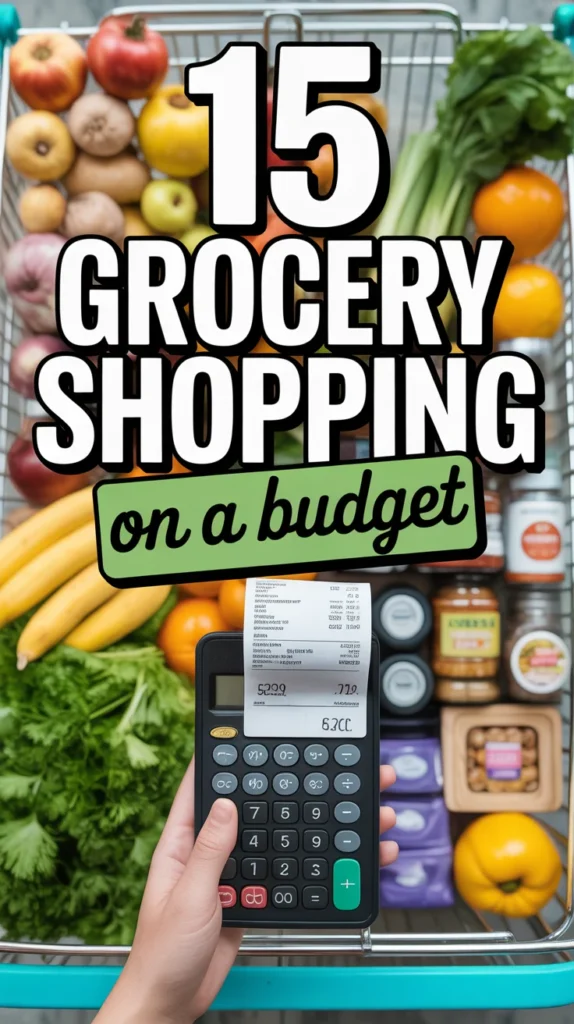
🛒 15 Grocery Shopping On A Budget
📚 The Financial Literacy Library
The best investment you can ever make is in your own financial education. These 5 cornerstone books are what millionaires, financial advisors, and wealth-builders universally recommend for completely rewiring how you think about earning, saving, and investing money.
🧠 The Psychology of Money
Doing well with money isn't necessarily about what you know—it's about how you behave. Morgan Housel masterfully breaks down the emotional and psychological biases that secretly dictate our financial decisions, offering a true paradigm shift in how to view wealth.
🏠 Rich Dad Poor Dad
The #1 personal finance book of all time for a reason. This foundational read shatters the myth that you need to earn a high income to be rich, teaching you the critical difference between working for money and making your money work for you via assets.
📈 Atomic Habits
While not strictly a finance book, building wealth is absolutely dependent on the daily habits you cultivate. James Clear provides the definitive framework for breaking bad spending habits and effortlessly automating the good ones that lead to long-term success.
📊 The Simple Path to Wealth
The ultimate antidote to complex, intimidating financial advice. JL Collins provides an incredibly accessible, low-stress roadmap to financial independence through index fund investing, perfectly explaining why simplicity beats Wall Street complexity every time.
💳 I Will Teach You to Be Rich
A tactical, no-BS, 6-week program that actually works. Ramit Sethi teaches you how to crush debt, automate your savings, and negotiate your salary—all while guilt-free spending on the things you truly love. A must-read for modern money management.
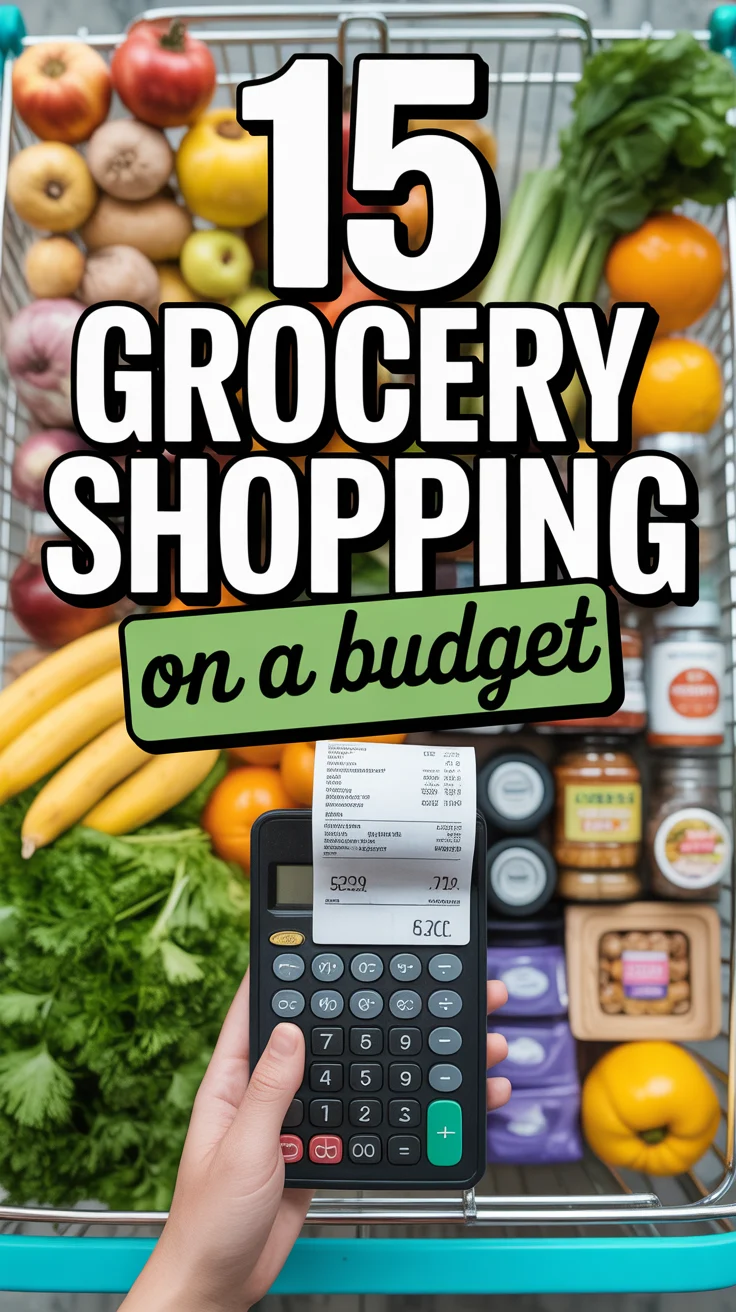
Hey, budget boss! Ever stare at your grocery bill and wonder if you accidentally bought a small yacht instead of kale? Yeah, we’ve all been there. But fear not, my financially savvy friend. You don’t need to live on ramen and existential dread to keep your wallet happy. We’re about to drop some serious wisdom on how to conquer the aisles without breaking the bank. Get ready to flex those budget muscles and make your grocery trips less about sticker shock and more about smart wins.
1. Plan Your Menu Like a Boss
Winging it in the grocery store is a surefire way to end up with a cart full of random items and no actual meals. Instead, map out your meals for the week before you even think about stepping foot in the store. This way, you only buy what you need.
Check your pantry and fridge first. You might already have half the ingredients for that killer chili. This strategy cuts down on impulse buys faster than you can say “organic kombucha.”
2. Befriend Your Freezer
Your freezer isn’t just for ice cubes and forgotten leftovers. It’s a superhero for saving food and money. Cook in bigger batches and freeze portions, or snap up sale items like meat and bread and stash them away.
Don’t let good food go bad; freeze it before it hits its expiration date. This simple trick extends the life of your groceries and your budget.
3. Go Generic, You Rebel
Seriously, ditch the brand snobbery. Store brands often come from the same factories as their fancy counterparts, just without the pricier packaging and marketing budget. You’re paying for the name, not always the quality.
Pro tip: Do a blind taste test with your favorite branded item versus the store-brand version. You might be shocked how often the generic wins, or at least ties. Your wallet will thank you for being an informed rebel.
4. Shop the Sales Cycle
Groceries operate on a cycle. Learn when your favorite items hit their lowest prices and stock up strategically. Think about non-perishables or freezer-friendly items.
Don’t just buy what’s on sale this week; think ahead for next month. This proactive approach ensures you always get the best bang for your buck.
5. Master the Unit Price
Forget the big price tag; the unit price is your true north. This tiny number tells you the cost per ounce, pound, or item, making it easy to compare different sizes and brands. Large doesn’t always mean cheaper.
Pro tip: Keep an eye out for those tricky “deals” where the smaller package actually offers a better unit price. Knowledge is power, especially in aisle five.
6. Eat Before You Shop
Going grocery shopping when your stomach is rumbling is like going to a casino with a credit card – you’re just asking for trouble. Everything looks delicious, and suddenly you “need” that gourmet cheese plate.
A full belly means a clearer head for making smart choices, not emotional ones. Seriously, grab a snack. Your budget will applaud you.
7. Leave the Kids at Home
Okay, this might not always be possible, but if you can, do it. Little hands reaching for brightly colored cereal boxes and “surprise” toys in the checkout line add up faster than you can say “please put that back.”
A solo shopping trip is often a faster, more focused, and significantly cheaper experience. Consider it your peaceful, money-saving meditation.
8. Bulk Up (Wisely)
Buying in bulk can be brilliant, but only if you’ll actually use it before it expires or goes stale. A giant bag of quinoa is a win; a giant bag of specialty crackers you’ll eat once is not.
Pro tip: Stick to items you consume regularly and that have a long shelf life, like rice, oats, or toilet paper. Otherwise, you’re just buying future trash at a discount.
9. The List is Your Holy Grail
Your grocery list isn’t a suggestion; it’s a sacred document. Write it, stick to it, and resist the siren call of shiny new products that weren’t on your plan.
Every time you deviate, you add unnecessary expenses. Treat your list like a treasure map to savings, and don’t get sidetracked by fool’s gold.
10. Embrace Meatless Mondays
Meat can be a significant portion of your grocery bill. Swapping out a few meat-based meals for plant-based options each week can lead to surprising savings.
Think hearty lentil soups, bean burritos, or veggie stir-fries. They’re often cheaper, healthier, and seriously delicious. Your taste buds and your wallet will thank you for the variety.
11. DIY Your Coffee/Lunch
That daily latte or takeout lunch adds up faster than you can say “venti extra shot.” Making your own coffee and packing your lunch might seem small, but it’s a powerful budget move.
Invest in a good travel mug and a lunchbox. The savings over a month or year are genuinely staggering, turning those small splurges into big financial wins.
12. Check Your Pantry First
Before you even make your grocery list, take a quick inventory of what you already have. There’s nothing worse than buying a second jar of cumin when you’ve got a perfectly good one hiding in the back of the cupboard.
This simple step prevents duplicate purchases and ensures you’re actually using what you’ve got. It’s like finding money you didn’t know you had!
13. Loyalty Programs are Your BFF
Most grocery stores have loyalty cards or apps. Sign up for them. They offer exclusive discounts, personalized coupons, and sometimes even free items. It’s literally free money (or at least, cheaper groceries).
Don’t leave money on the table; scan that card every single time. It’s a no-brainer for maximizing your savings without extra effort.
14. Avoid Pre-Cut Everything
Pre-chopped veggies, pre-shredded cheese, pre-sliced fruit – they all come with a hefty convenience tax. You’re paying extra for someone else to do a few minutes of knife work.
Grab the whole versions and spend a little time prepping them yourself. It’s a small effort that leads to significant savings and often fresher produce.
15. Shop the Perimeter
The outer aisles of the grocery store usually house the fresh produce, dairy, meat, and seafood – the less processed, often healthier, and surprisingly budget-friendly items. The inner aisles are where the processed, packaged, and pricier temptations lurk.
Stick to the edges as much as possible for a healthier cart and a happier bank account. It’s a simple path to smarter, cheaper choices.
💼 The Money Management Toolkit
Knowledge is power, but proper execution requires the right tools. Getting your financial life organized doesn't have to be overwhelming. These 5 physical management tools are exactly what successful households use to budget, track cash, and secure their most important assets.
📝 Clever Fox Budget Planner & Bill Organizer
The ultimate analog command center for your finances. Sometimes keeping your budget in an app just doesn't stick. Physically writing down your goals, tracking expenses, and planning for debt payoff creates a level of accountability that digital spreadsheets simply can't match.
💵 A6 Leather Cash Stuffing Binder
The viral tool that made the cash-envelope budgeting system popular again. By allocating actual physical cash to designated envelopes (groceries, dining out, fun money), you physically cap your spending, making it virtually impossible to overdraft or overspend.
🔥 Fireproof & Waterproof Document Safe
A critical piece of financial security that many families overlook. Protecting your passports, birth certificates, property deeds, and estate planning documents from disaster is just as important as protecting the money in your bank account.
🏷️ Brother P-Touch Digital Label Maker
The unsung hero of a functional home office. When tax season rolls around or you need to find an important receipt, having perfectly labeled and categorized filing cabinets or accordion folders saves hours of frustrating searches and potential late fees.
🔒 SentrySafe Compact Fireproof Lock Box
For the physical assets that need extra heavy-duty protection—think emergency cash reserves, hard drives with Bitcoin cold wallets, or physical precious metals. This compact, locking safe provides peace of mind that your physical wealth is secure at home.
Conclusion
See? Conquering your grocery bill doesn’t require a magic wand, just a little strategy and a dash of sass. You’ve got this. Implement these tips, and watch your budget breathe a sigh of relief. Go forth, savvy shopper, and may your cart be full of deals and your wallet be full of joy!