
🏡 How To Get Your House Ready To Sell
📚 The Financial Literacy Library
The best investment you can ever make is in your own financial education. These 5 cornerstone books are what millionaires, financial advisors, and wealth-builders universally recommend for completely rewiring how you think about earning, saving, and investing money.
🧠 The Psychology of Money
Doing well with money isn't necessarily about what you know—it's about how you behave. Morgan Housel masterfully breaks down the emotional and psychological biases that secretly dictate our financial decisions, offering a true paradigm shift in how to view wealth.
🏠 Rich Dad Poor Dad
The #1 personal finance book of all time for a reason. This foundational read shatters the myth that you need to earn a high income to be rich, teaching you the critical difference between working for money and making your money work for you via assets.
📈 Atomic Habits
While not strictly a finance book, building wealth is absolutely dependent on the daily habits you cultivate. James Clear provides the definitive framework for breaking bad spending habits and effortlessly automating the good ones that lead to long-term success.
📊 The Simple Path to Wealth
The ultimate antidote to complex, intimidating financial advice. JL Collins provides an incredibly accessible, low-stress roadmap to financial independence through index fund investing, perfectly explaining why simplicity beats Wall Street complexity every time.
💳 I Will Teach You to Be Rich
A tactical, no-BS, 6-week program that actually works. Ramit Sethi teaches you how to crush debt, automate your savings, and negotiate your salary—all while guilt-free spending on the things you truly love. A must-read for modern money management.
Thinking about selling your home? This isn’t just about moving; it’s a golden opportunity to unlock significant wealth and propel your financial future forward. Getting your house “market-ready” isn’t a chore, it’s a strategic investment that can add thousands, even tens of thousands, to your asking price, turning your biggest asset into a powerful financial springboard.

Quick Overview
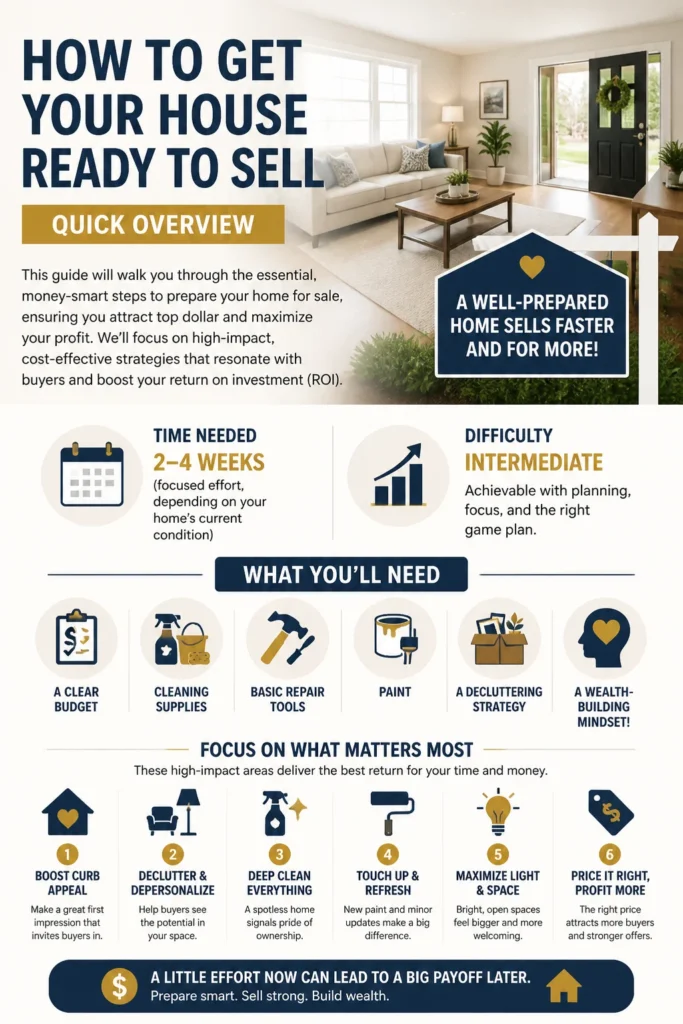
This guide will walk you through the essential, money-smart steps to prepare your home for sale, ensuring you attract top dollar and maximize your profit. We’ll focus on high-impact, cost-effective strategies that resonate with buyers and boost your return on investment (ROI).
- Time needed: 2-4 weeks (focused effort, depending on your home’s current condition)
- Difficulty: Intermediate
- What you’ll need: A clear budget, cleaning supplies, basic repair tools, paint, a decluttering strategy, and a wealth-building mindset!
Step-by-Step Instructions
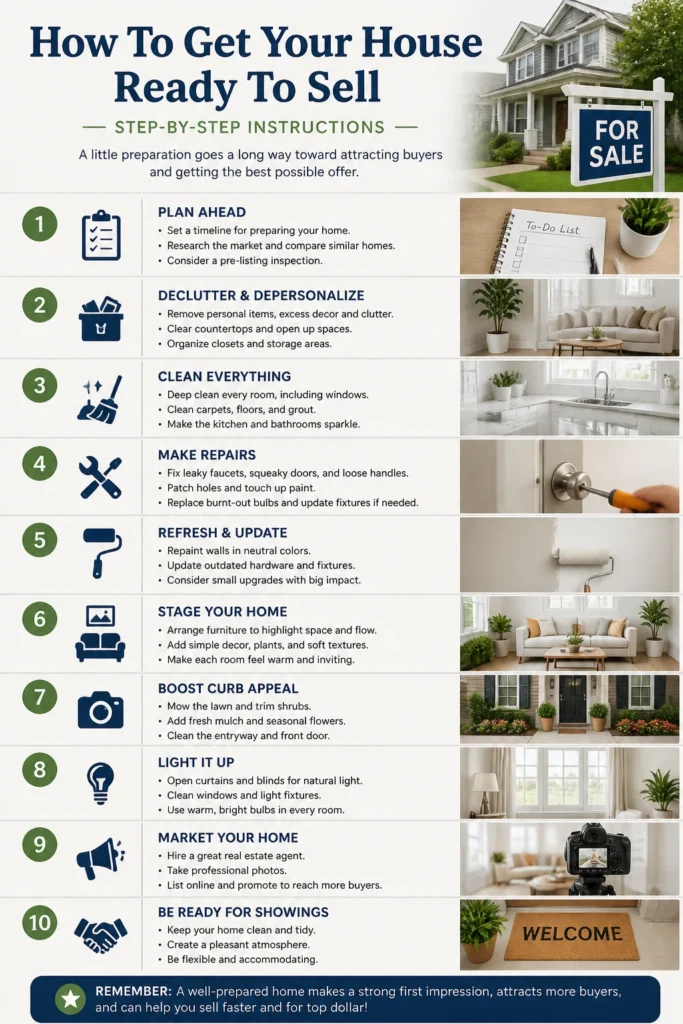
Step 1: Strategize Your Investment & Budget Like a Pro
Before you lift a finger, grab a pen and paper – or better yet, a spreadsheet. This is where your wealth-building journey truly begins. Selling your home isn’t just about listing it; it’s about making smart, targeted investments that will yield the highest possible return. Think of your house as a product, and you’re the savvy CEO preparing it for market.
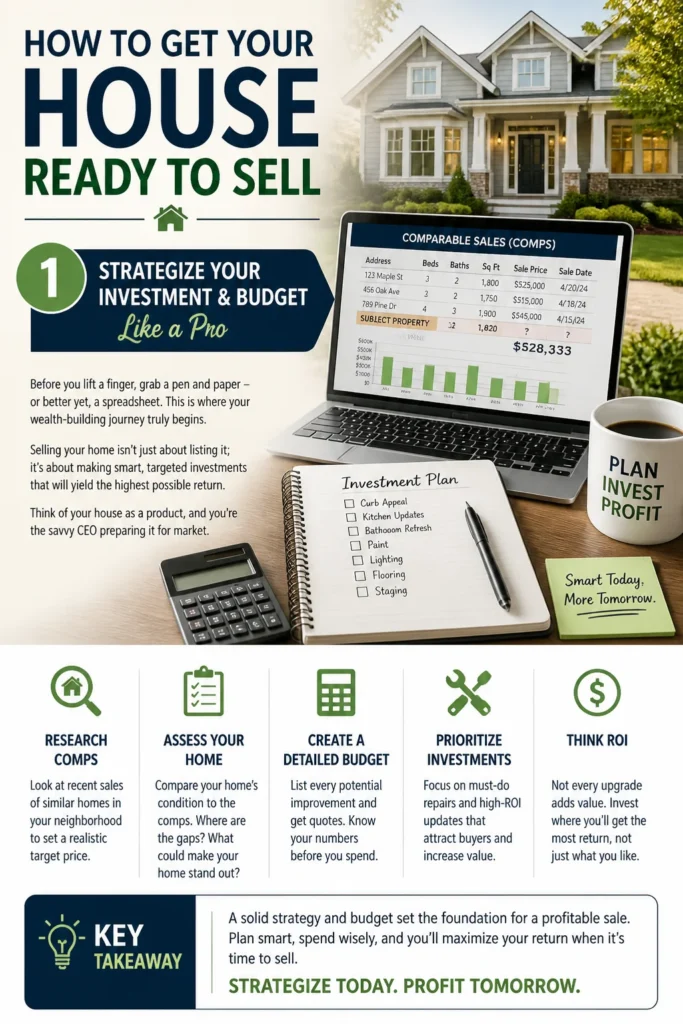
First, research recent comparable sales (comps) in your neighborhood. What did homes similar to yours sell for? This gives you a realistic target price. Next, assess your home’s current condition against those comps. Where are the gaps? What could make your home stand out?
Create a detailed budget for every potential improvement. Distinguish between “must-do” repairs (safety issues, broken fixtures that deter buyers) and “nice-to-do” cosmetic upgrades (fresh paint, updated light fixtures). Prioritize projects with the highest ROI. For example, a minor kitchen refresh (painting cabinets, new hardware) often yields a better return than a full, expensive remodel.
Pro tip: Allocate 1-2% of your target sale price for pre-sale preparations. This isn’t an expense; it’s an investment fund. Track every dollar spent against potential gains. For instance, if a $500 paint job adds $5,000 to your perceived value, that’s a 900% ROI – a financial win!
Step 2: Declutter & Depersonalize for Maximum Appeal
This step is often free, yet it’s one of the most impactful ways to increase your home’s perceived value and spaciousness. Buyers need to envision themselves living in your home, and that’s hard to do when it’s filled with your personal treasures and clutter.
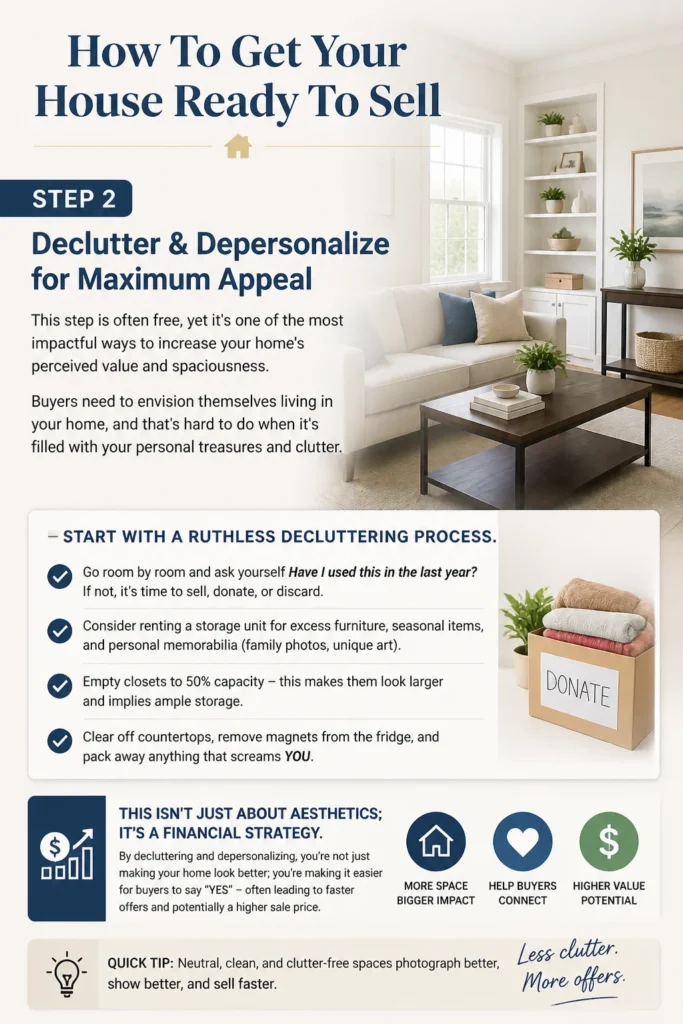
Start with a ruthless decluttering process. Go room by room and ask yourself: “Have I used this in the last year?” If not, it’s time to sell, donate, or discard. Consider renting a storage unit for excess furniture, seasonal items, and personal memorabilia (family photos, unique art). Empty closets to 50% capacity – this makes them look larger and implies ample storage. Clear off countertops, remove magnets from the fridge, and pack away anything that screams “YOU.”
This isn’t just about aesthetics; it’s a financial strategy. By decluttering, you’re making your home feel bigger, brighter, and more inviting, which directly translates to a higher perceived value. Plus, you can sell unwanted items on platforms like eBay, Facebook Marketplace, or host a garage sale to fund your home prep budget – a true budgeting hack!
Pro tip: While decluttering, organize important documents related to your home (maintenance records, appliance manuals, warranty information). Buyers appreciate transparency and a well-maintained home, which can instill confidence and expedite the sales process.
Step 3: Deep Clean & Polish Every Nook and Cranny
A sparkling clean home sends a powerful message: “This house is well-cared for.” This step is non-negotiable and one of the best investments of your time (or a modest expense if you hire pros) with massive ROI. Dirt and grime signal neglect, causing buyers to wonder what other hidden problems might exist – and often leading them to offer less.

Undertake a top-to-bottom deep clean. This means scrubbing baseboards, cleaning grout, washing windows until they sparkle, polishing fixtures, and ensuring every surface gleams. Don’t forget often-overlooked areas like inside cabinets, oven, refrigerator, and light fixtures. A fresh, clean scent (not an overpowering artificial one) can also create a welcoming atmosphere.
If your budget allows, consider professional carpet cleaning or even a house cleaner for a final touch. The cost is minimal compared to the psychological impact on potential buyers. A clean home feels new, cared for, and move-in ready, justifying a higher price tag.
Pro tip: Create your own eco-friendly cleaning solutions using vinegar, baking soda, and essential oils. This is a budget hack that saves money, avoids harsh chemicals, and leaves a subtle, pleasant aroma. For example, a 50/50 vinegar and water solution works wonders on windows and mirrors.
Step 4: Repair, Refresh, and Revitalize with Purpose
Now that your home is decluttered and clean, it’s time to tackle those nagging repairs and inject some fresh life. Focus on minor fixes that buyers notice immediately and that can create a perception of deferred maintenance if left undone.
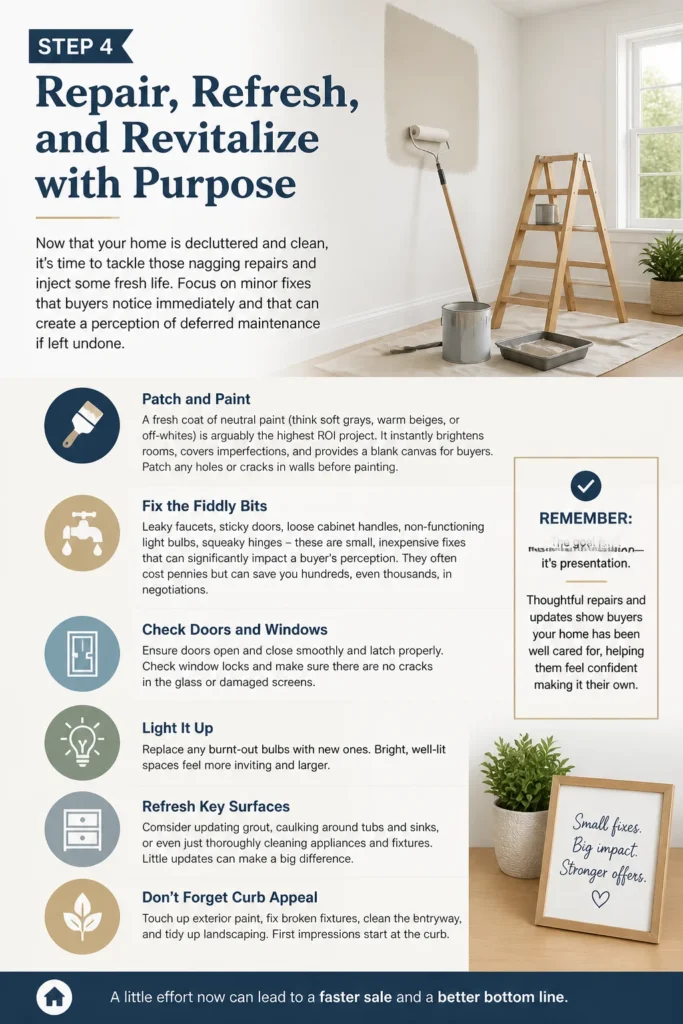
- Patch and Paint: A fresh coat of neutral paint (think soft grays, warm beiges, or off-whites) is arguably the highest ROI project. It instantly brightens rooms, covers imperfections, and provides a blank canvas for buyers. Patch any holes or cracks in walls before painting.
- Fix the Fiddly Bits: Leaky faucets, sticky doors, loose cabinet handles, non-functioning light bulbs, squeaky hinges – these are small, inexpensive fixes that can significantly impact a buyer’s perception. They often cost pennies but can save you hundreds, even thousands, in negotiations later.
- Update Hardware: Swapping out old, dated cabinet pulls, door handles, and light fixtures for modern, cohesive styles is a surprisingly affordable way to update a kitchen or bathroom. Look for sales at home improvement stores.
- Inspect and Address: Check for any visible water stains, signs of pests, or damaged flooring. These are red flags that must be addressed to avoid significant price reductions.
Pro tip: Prioritize repairs that ensure functionality and safety. A non-working electrical outlet is more critical than a chipped tile in a hidden corner. For larger repairs, get multiple quotes to ensure you’re getting the best value. Remember, every dollar saved on repairs is a dollar added to your profit margin.
Step 5: Master the Art of Staging and Showing
Staging is about creating an aspirational lifestyle, not just presenting a house. It helps buyers visualize themselves living there, making an emotional connection that can lead to a faster sale and a higher offer. You don’t need to hire a professional stager for every room; strategic staging can be done on a budget.
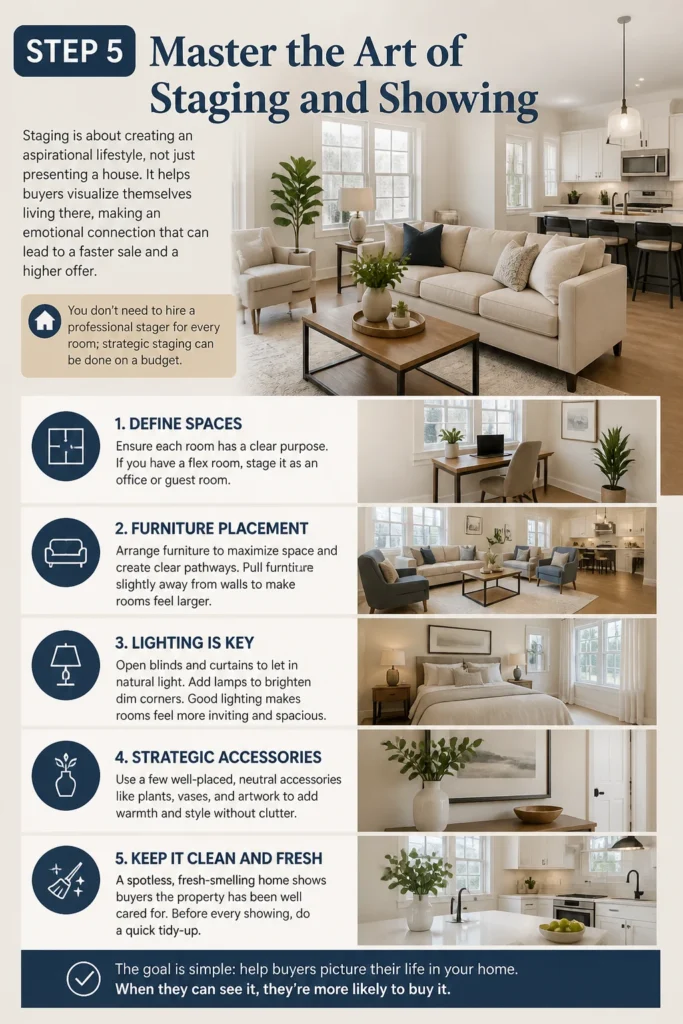
- Define Spaces: Ensure each room has a clear purpose. If you have a flex room, stage it as an office or guest room.
- Furniture Placement: Arrange furniture to maximize space and create clear pathways. Pull furniture slightly away from walls to make rooms feel larger.
- Lighting is Key: Open blinds and curtains to let in natural light. Add lamps to brighten dim corners. Good lighting makes rooms feel more inviting and spacious.
- Strategic Accessories: Use a few well-placed, neutral accessories – a bowl of fresh fruit on the kitchen counter, fluffy white towels in the bathroom, a simple plant. Avoid excessive personal items or bold decor.
- Sensory Appeal: Ensure your home smells fresh. Consider baking cookies or brewing coffee just before showings for a welcoming aroma. Play soft, calming music on low volume.
Pro tip: Use items you already own! Borrow tasteful decor from friends or family if needed. Sometimes, simply rearranging your existing furniture and adding a few inexpensive throw pillows can make a world of difference. This is a budgeting hack that leverages existing assets to create a high-value impression.
Step 6: Elevate Your Curb Appeal – First Impressions Matter
The exterior of your home is the very first impression, and it can make or break a buyer’s decision to even step inside. Think of it as the cover of a best-selling novel – it needs to be captivating. A strong curb appeal encourages buyers to imagine themselves coming home, boosting perceived value and potentially justifying a higher price.
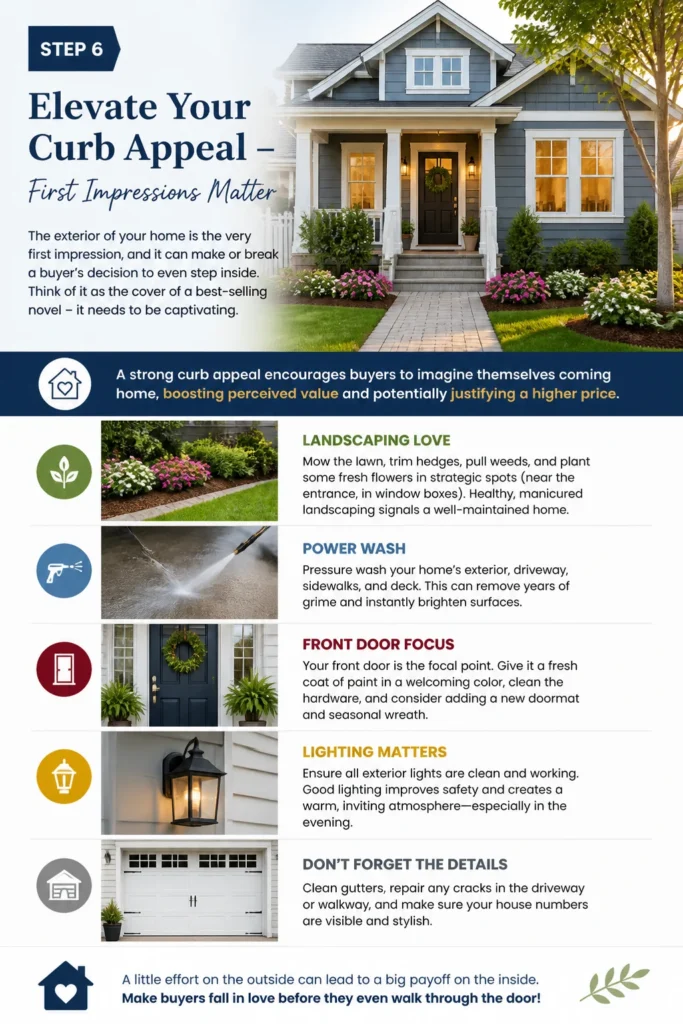
- Landscaping Love: Mow the lawn, trim hedges, pull weeds, and plant some fresh flowers in strategic spots (near the entrance, in window boxes). Healthy, manicured landscaping signals a well-maintained home.
- Power Wash: Pressure wash your home’s exterior, driveway, sidewalks, and deck. This can remove years of grime and instantly brighten surfaces.
- Front Door Focus: Your front door is the focal point. Give it a fresh coat of paint in a welcoming color, clean or replace hardware, and consider a new doormat.
- Minor Exterior Repairs: Fix loose gutters, replace broken fence pickets, clean out gutters, and ensure all outdoor lighting works.
- Clear Pathways: Ensure all walkways are free of debris, leaves, or obstacles.
Pro tip: Focus on low-cost, high-impact improvements. A few bags of mulch, some vibrant annuals, and a fresh coat of paint on the front door can cost less than $200 but add thousands in perceived value. This is a classic wealth-building strategy: small, smart investments yielding disproportionately large returns.
Step 7: Consider a Pre-Inspection for Financial Foresight
While not mandatory, a pre-listing home inspection can be a powerful financial strategy. It means you pay for an inspection before a buyer does their own. Why would you do this?
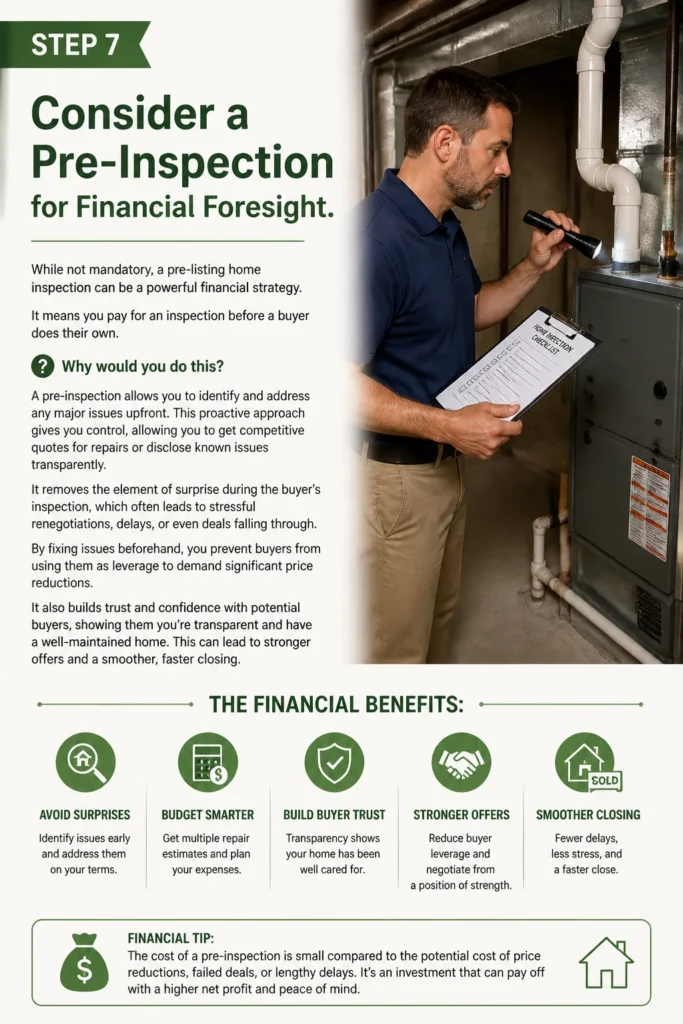
A pre-inspection allows you to identify and address any major issues upfront. This proactive approach gives you control, allowing you to get competitive quotes for repairs or disclose known issues transparently. It removes the element of surprise during the buyer’s inspection, which often leads to stressful renegotiations, delays, or even deals falling through.
By fixing issues beforehand, you prevent buyers from using them as leverage to demand significant price reductions. It also builds trust and confidence with potential buyers, showing them you’re transparent and have a well-maintained home. This can lead to smoother negotiations and a higher net profit for you.
Pro tip: Don’t feel obligated to fix every minor issue found. Focus on safety concerns, structural problems, and major system defects. For smaller issues, you can simply disclose them and offer a credit if necessary. The key is knowing what’s coming and being prepared to handle it on your terms, not the buyer’s.
Step 8: Capture Your Home’s Best Angle with Professional Photography

In today’s digital age, your home’s online presence is its first and most critical showing. High-quality, professional photographs are non-negotiable. Poor photos can cause potential buyers to scroll past your listing without a second thought, regardless of how beautiful your home is in person.
Professional photographers know how to use lighting, angles, and staging to make your home look its absolute best. They can highlight key features, make rooms appear larger, and capture the overall ambiance that you’ve worked so hard to create. This investment typically pays for itself many times over by generating more interest, more showings, and ultimately, a faster sale at a better price.
Work with your real estate agent to ensure the best photos are selected for the listing and that they accurately represent your home’s best features. Consider a virtual tour or drone photography for larger properties or unique locations.
Pro tip: While professional photography is an investment, it’s one of the highest ROI marketing tools for your home. Compare it to investing in high-quality packaging for a premium product – it makes the product more desirable and justifies a higher price. Think of it as a small marketing budget that directly impacts your final sale price.
Step 9: Financial Review and Optimization for Closing

Congratulations, your house is ready! Now it’s time for one final, crucial financial step before the listing goes live: a comprehensive financial review. This isn’t just about the sale price; it’s about optimizing your net profit.
Sit down with your real estate agent to understand all potential closing costs. These can include agent commissions, title insurance, escrow fees, transfer taxes, and attorney fees. Having a clear picture of these expenses allows you to calculate your estimated net proceeds accurately. This is your true wealth gain from the sale.
Discuss your pricing strategy. While you want top dollar, an overpriced home can sit on the market, leading to price reductions that erode profit and buyer confidence. Your agent’s expertise in local market conditions is invaluable here. A well-priced home sells faster and often closer to the asking price.
Finally, think about what you’ll do with the proceeds. Will you reinvest in a new home, pay down debt, or contribute to retirement savings? Having a plan for your newfound capital is a core wealth-building mindset that ensures this transaction is a stepping stone to greater financial freedom.
Pro tip: Negotiate commission rates with your agent if possible, especially if you’re a repeat client or have a high-value property. Even a half-percent reduction can save you thousands. Also, review every line item on your closing disclosure (CD) carefully for accuracy. Every dollar saved is a dollar earned.
Common Mistakes to Avoid
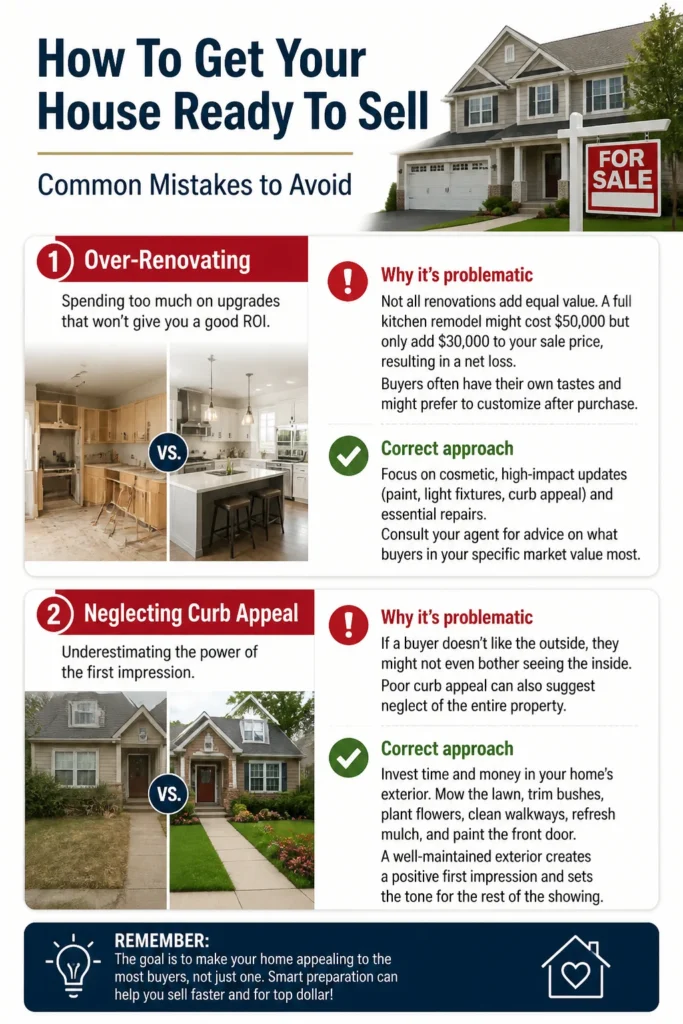
- Over-Renovating: Spending too much on upgrades that won’t give you a good ROI.Why it’s problematic: Not all renovations add equal value. A full kitchen remodel might cost $50,000 but only add $30,000 to your sale price, resulting in a net loss. Buyers often have their own tastes and might prefer to customize after purchase.Correct approach: Focus on cosmetic, high-impact updates (paint, light fixtures, curb appeal) and essential repairs. Consult your agent for advice on what buyers in your specific market value most.
- Neglecting Curb Appeal: Underestimating the power of the first impression.Why it’s problematic: If a buyer doesn’t like the outside, they might not even bother seeing the inside. Poor curb appeal can also suggest neglect of the entire property.Correct approach: Invest time and a small budget into landscaping, a clean exterior, and a welcoming front entrance. It’s often the cheapest way to add perceived value.
- Poor Photography: Using blurry cell phone pictures or too few images.Why it’s problematic: Most buyers start their home search online. If your photos don’t grab their attention, they’ll scroll past your listing to the next one, regardless of how great your home truly is.Correct approach: Hire a professional real estate photographer. It’s a small investment that pays huge dividends in attracting more potential buyers and ultimately, a better offer.
- Being Present During Showings: Hovering or trying to “sell” your home to buyers.Why it’s problematic: Buyers feel uncomfortable and rushed when the owner is present. They can’t speak freely with their agent or envision themselves in the space if you’re there.Correct approach: Always leave your home during showings. Let your agent do their job and allow buyers the space and privacy to explore and connect with the property.
Troubleshooting
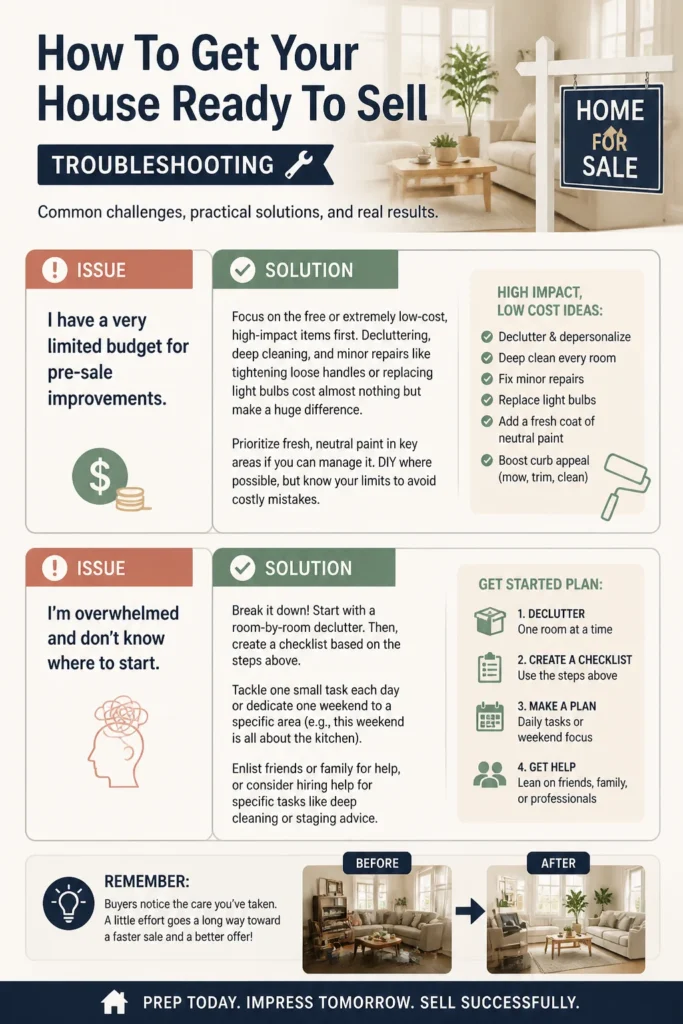
- Issue: “I have a very limited budget for pre-sale improvements.”Solution: Focus on the free or extremely low-cost, high-impact items first. Decluttering, deep cleaning, and minor repairs like tightening loose handles or replacing light bulbs cost almost nothing but make a huge difference. Prioritize fresh, neutral paint in key areas if you can manage it. DIY where possible, but know your limits to avoid costly mistakes.
- Issue: “I’m overwhelmed and don’t know where to start.”Solution: Break it down! Start with a room-by-room declutter. Then, create a checklist based on the steps above. Tackle one small task each day or dedicate one weekend to a specific area (e.g., “this weekend is all about the kitchen”). Enlist friends or family for help, or consider hiring help for specific tasks like deep cleaning if your budget allows. Remember your “why” – maximizing profit – to stay motivated.
- Issue: “Unexpected major repairs came up during the pre-inspection.”Solution: Don’t panic. First, get multiple quotes from licensed professionals. Then, consult your real estate agent. You have options: fix the issue, offer a credit to the buyer, or adjust the asking price to reflect the repair needed. The key is transparency and having a plan. Having a contingency fund (part of your initial budget from Step 1) for these surprises is a smart financial move.
Key Takeaways
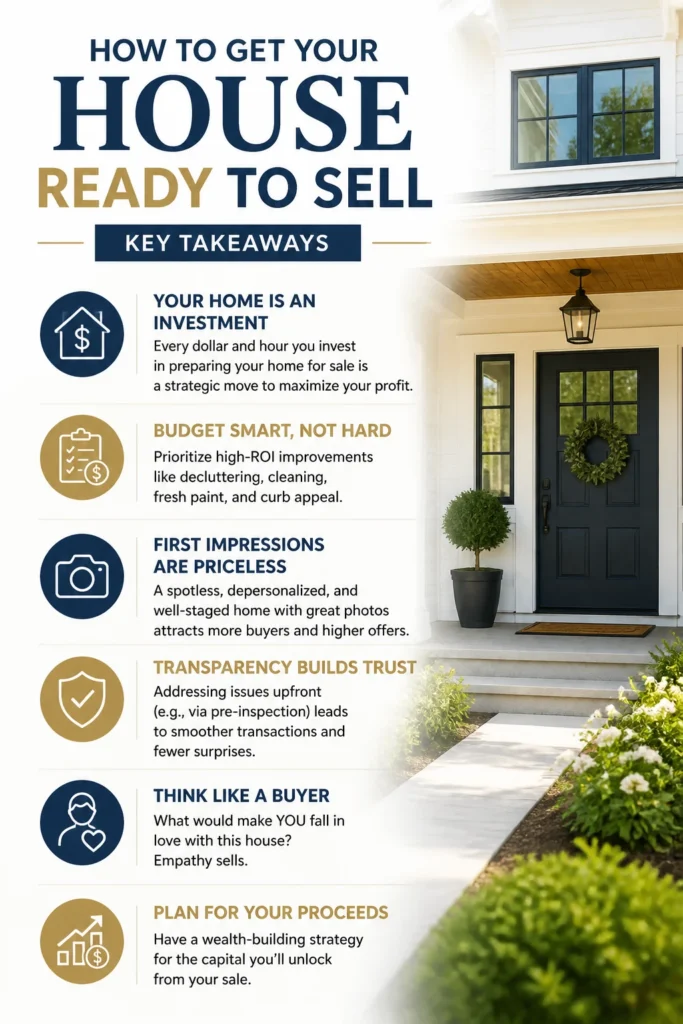
- Your Home is an Investment: Every dollar and hour you invest in preparing your home for sale is a strategic move to maximize your profit.
- Budget Smart, Not Hard: Prioritize high-ROI improvements like decluttering, cleaning, fresh paint, and curb appeal.
- First Impressions are Priceless: A spotless, depersonalized, and well-staged home with great photos attracts more buyers and higher offers.
- Transparency Builds Trust: Addressing issues upfront (e.g., via pre-inspection) leads to smoother transactions and fewer surprises.
- Think Like a Buyer: What would make YOU fall in love with this house? Empathy sells.
- Plan for Your Proceeds: Have a wealth-building strategy for the capital you’ll unlock from your sale.
Frequently Asked Questions
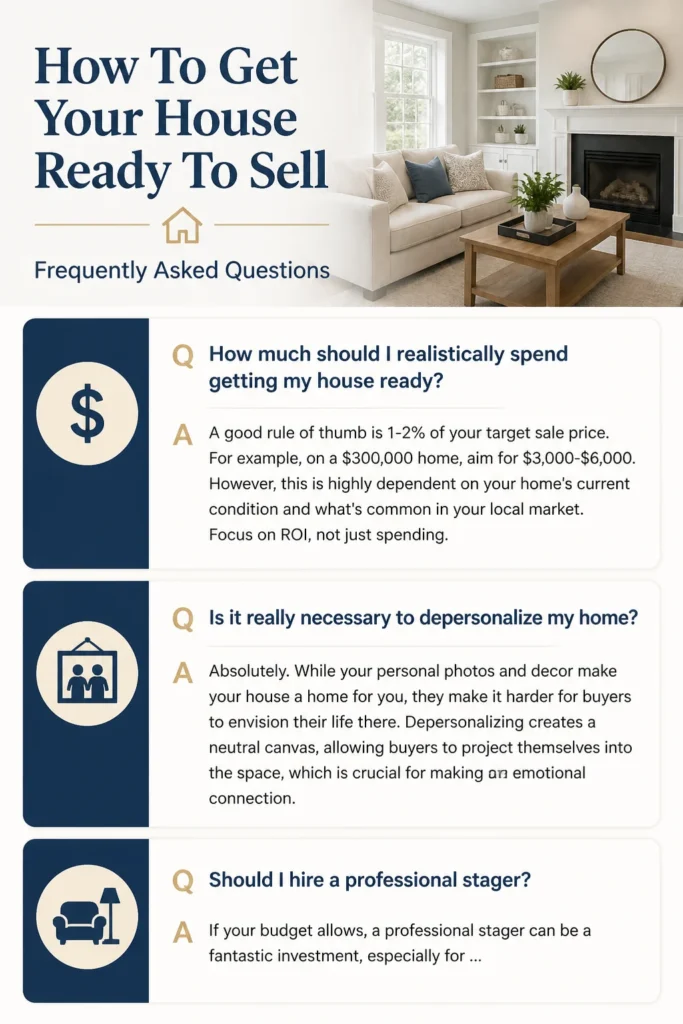
Q: How much should I realistically spend getting my house ready?
A: A good rule of thumb is 1-2% of your target sale price. For example, on a $300,000 home, aim for $3,000-$6,000. However, this is highly dependent on your home’s current condition and what’s common in your local market. Focus on ROI, not just spending.
Q: Is it really necessary to depersonalize my home?
A: Absolutely. While your personal photos and decor make your house a home for you, they make it harder for buyers to envision their life there. Depersonalizing creates a neutral canvas, allowing buyers to project themselves into the space, which is crucial for making an emotional connection.
Q: Should I hire a professional stager?
A: If your budget allows, a professional stager can be a fantastic investment, especially for vacant homes or those with challenging layouts. They have an objective eye and know what appeals to a broad range of buyers. However, you can achieve excellent results with DIY staging by following the principles in Step 5.
Q: How important is a pre-listing home inspection?
A: It’s highly recommended. It empowers you by revealing potential issues before a buyer’s inspection, allowing you to address them on your terms, budget, and timeline. This can prevent stressful negotiations, price reductions, or even a deal falling apart later in the process.
What’s Next?
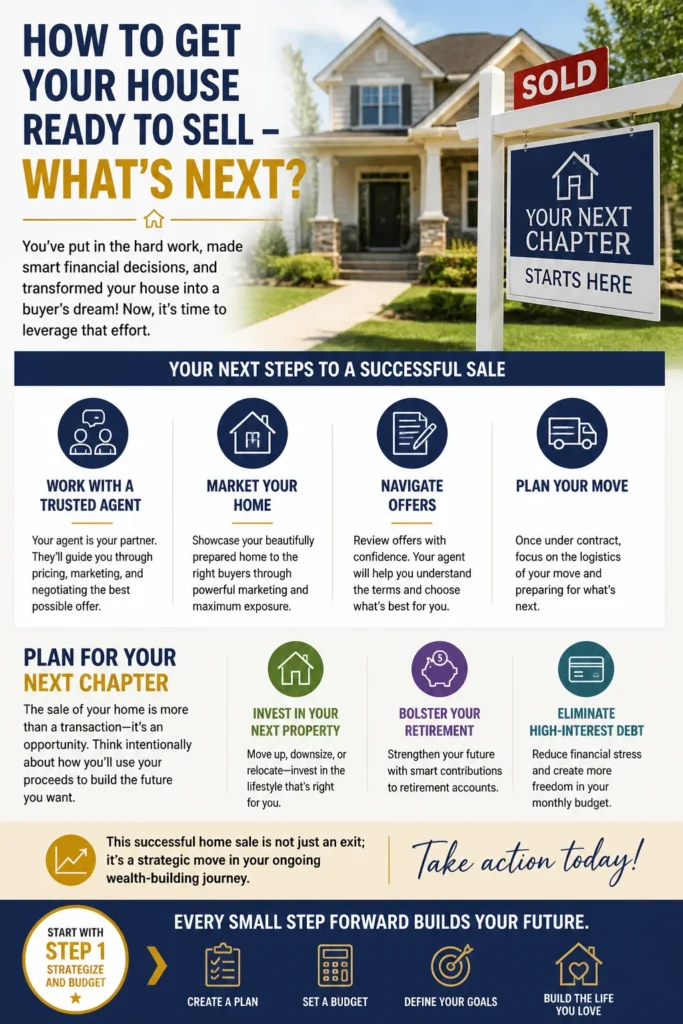
You’ve put in the hard work, made smart financial decisions, and transformed your house into a buyer’s dream! Now, it’s time to leverage that effort.
Your next steps involve working closely with a trusted real estate agent to list your property. They’ll help you set the optimal price, market your beautifully prepared home, and navigate offers. Once your home is under contract, focus on the logistics of moving and, crucially, on planning for the intelligent deployment of your sale proceeds. Will you invest in your next property, bolster your retirement accounts, or eliminate high-interest debt? This successful home sale is not just an exit; it’s a strategic move in your ongoing wealth-building journey.
Take action today! Start with Step 1: strategize and budget. Every small step forward builds momentum towards unlocking your home’s maximum value and achieving your financial goals.