💰 800 Credit Score Aesthetic
📚 The Financial Literacy Library
The best investment you can ever make is in your own financial education. These 5 cornerstone books are what millionaires, financial advisors, and wealth-builders universally recommend for completely rewiring how you think about earning, saving, and investing money.
🧠 The Psychology of Money
Doing well with money isn't necessarily about what you know—it's about how you behave. Morgan Housel masterfully breaks down the emotional and psychological biases that secretly dictate our financial decisions, offering a true paradigm shift in how to view wealth.
🏠 Rich Dad Poor Dad
The #1 personal finance book of all time for a reason. This foundational read shatters the myth that you need to earn a high income to be rich, teaching you the critical difference between working for money and making your money work for you via assets.
📈 Atomic Habits
While not strictly a finance book, building wealth is absolutely dependent on the daily habits you cultivate. James Clear provides the definitive framework for breaking bad spending habits and effortlessly automating the good ones that lead to long-term success.
📊 The Simple Path to Wealth
The ultimate antidote to complex, intimidating financial advice. JL Collins provides an incredibly accessible, low-stress roadmap to financial independence through index fund investing, perfectly explaining why simplicity beats Wall Street complexity every time.
💳 I Will Teach You to Be Rich
A tactical, no-BS, 6-week program that actually works. Ramit Sethi teaches you how to crush debt, automate your savings, and negotiate your salary—all while guilt-free spending on the things you truly love. A must-read for modern money management.
In a world increasingly driven by personal branding and intentional living, it’s no surprise that our financial lives are also getting an aesthetic makeover. Forget fleeting trends; we’re talking about something far more substantial and empowering: the 800 Credit Score Aesthetic. This isn’t just about a number; it’s a lifestyle, a mindset, and a commitment to financial excellence that radiates confidence, security, and smart decision-making. It’s about cultivating habits that lead to a pristine credit score, yes, but more importantly, it’s about building a robust financial foundation that supports your dreams and gives you genuine peace of mind.

Imagine a life where financial stress is minimized, where opportunities are abundant, and where your money works for you, not the other way around. That’s the promise of the 800 Credit Score Aesthetic. It’s becoming popular because people are realizing that true wealth isn’t just about how much you earn, but how wisely you manage it. A high credit score is a powerful tool in your financial arsenal, unlocking doors to better rates, greater flexibility, and ultimately, a more secure and aesthetically pleasing financial future. It’s about being in control, making informed choices, and living a life where your finances are a source of strength, not anxiety.
What is 800 Credit Score Aesthetic?
The 800 Credit Score Aesthetic is more than just a goal; it’s a philosophy. It represents a holistic approach to personal finance where achieving and maintaining an excellent credit score (typically 800 or higher on the FICO scale) is a natural outcome of living a financially disciplined and informed life. It’s not about being stingy or depriving yourself; it’s about being intentional, strategic, and smart with every dollar.
Think of it as the financial equivalent of a minimalist, well-curated wardrobe or a thoughtfully designed living space. Every element serves a purpose, everything is well-maintained, and the overall effect is one of effortless elegance and efficiency. In the context of your finances, this means:
- Mindful Spending: You understand where your money goes and make conscious choices about purchases, prioritizing value and long-term goals over impulsive gratification.
- Proactive Planning: You have a clear budget, savings goals, and a vision for your financial future. You’re always a few steps ahead, anticipating expenses and planning for big life events.
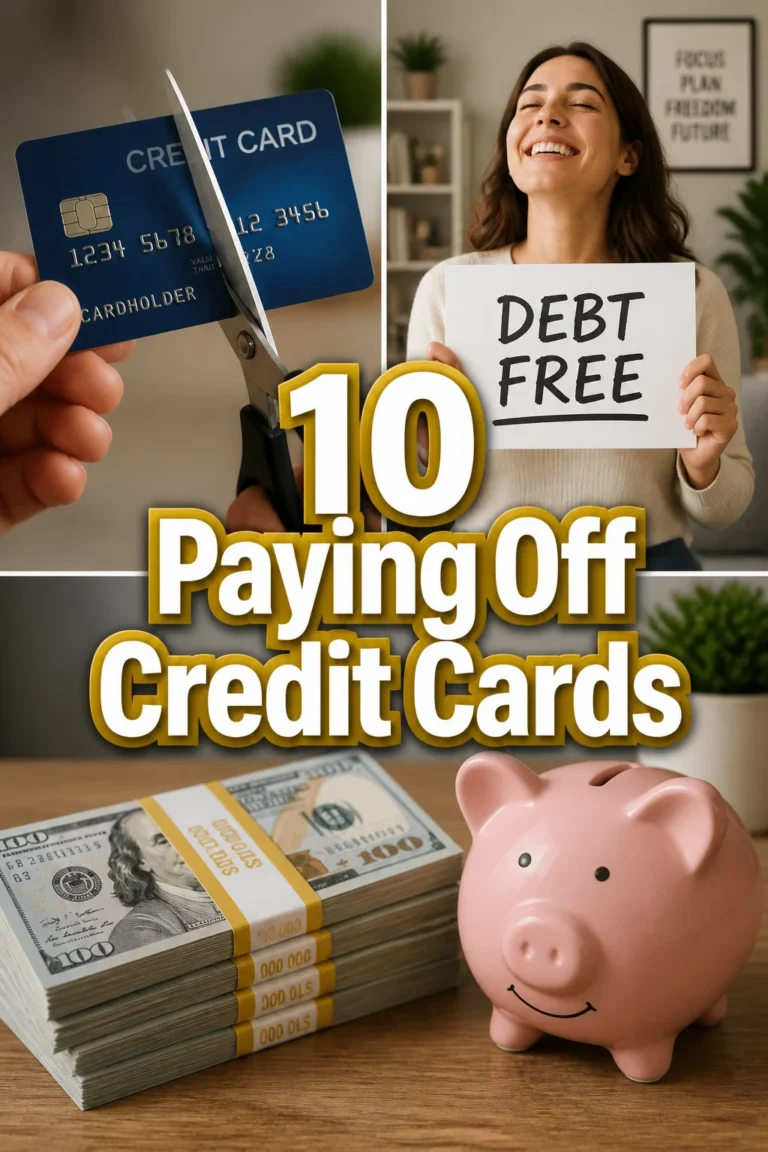
- Debt-Free Focus: While credit is utilized strategically, the ultimate goal is to minimize high-interest debt and pay off balances promptly, seeing debt as a tool, not a burden.
- Continuous Learning: You’re always seeking to understand complex financial concepts, from investing to taxes, making them accessible and actionable for your own life.
- Financial Resilience: You build emergency funds and diversify your assets, creating a safety net that allows you to weather unexpected storms without derailing your progress.
In essence, the 800 Credit Score Aesthetic is about embodying financial wellness, where your credit score is a shining testament to your excellent money habits and your commitment to building a life of abundance and security.
Key Features
Embracing the 800 Credit Score Aesthetic brings a cascade of tangible and intangible benefits that truly enhance your life. Here are some of its key features:
- Unlocking Lower Interest Rates: This is perhaps the most celebrated benefit. With an 800+ score, you’re seen as a low-risk borrower. This translates to significantly lower interest rates on mortgages, car loans, personal loans, and even credit cards. Over the lifetime of a loan, this can save you tens of thousands, even hundreds of thousands, of dollars. Imagine buying your dream home and paying thousands less just because your credit score is top-tier.
- Easier Loan and Rental Approvals: Lenders and landlords roll out the red carpet for individuals with excellent credit. You’ll face fewer hurdles, quicker approvals, and potentially better terms when applying for housing, a new vehicle, or any form of credit. This means less stress and more opportunities.
- Access to Premium Financial Products: Many elite credit cards, with their lucrative rewards programs, travel perks, and concierge services, are reserved for those with exceptional credit. The 800 Aesthetic grants you access to these exclusive benefits, turning your everyday spending into points, miles, or cash back that can fund your next adventure or save you money.
- Lower Insurance Premiums: Did you know your credit score can influence your insurance rates? In many states, insurers use credit-based insurance scores to help determine premiums for auto and home insurance. A higher score often means lower premiums, putting more money back in your pocket.
- Enhanced Negotiating Power: With an 800 score, you have leverage. You can confidently negotiate better terms, waive fees, or even secure more favorable repayment schedules because you’re a highly desirable customer.
- Financial Peace of Mind: Beyond the monetary benefits, the psychological comfort of knowing your finances are in excellent shape is invaluable. It reduces stress, fosters a sense of security, and frees up mental energy to focus on other aspects of your life, like career, family, and personal growth.
- Foundation for Wealth Building: An 800 credit score is a symptom of strong financial health. It means you’re likely managing debt well, saving consistently, and making smart investment choices. It’s a powerful springboard for building substantial wealth over time.
How to Get Started
Ready to embrace the 800 Credit Score Aesthetic? It’s a journey, not a sprint, but every step you take builds momentum. Here’s how to begin your transformation:
- Know Your Starting Point: Check Your Credit Report and Score.You can’t improve what you don’t measure. Obtain your free credit reports annually from AnnualCreditReport.com. Review them meticulously for errors, which can unfairly drag down your score. Understand the factors that influence your score: payment history, credit utilization, length of credit history, new credit, and credit mix. Many banks and credit card companies now offer free FICO score access as well.
- Master Your Budget: The Foundation of Financial Control.Create a realistic budget that tracks every dollar coming in and going out. Use apps, spreadsheets, or even pen and paper. The goal isn’t to restrict yourself but to gain awareness and make intentional choices. Identify areas where you can cut back and reallocate funds towards savings or debt repayment. A simple 50/30/20 rule (50% needs, 30% wants, 20% savings/debt) can be a great starting point.
- Build a Robust Emergency Fund.Life happens. A job loss, medical emergency, or car repair can derail your finances if you’re unprepared. Aim to save at least 3-6 months’ worth of essential living expenses in a separate, easily accessible savings account. This fund acts as a financial shock absorber, preventing you from relying on credit cards when unexpected costs arise.
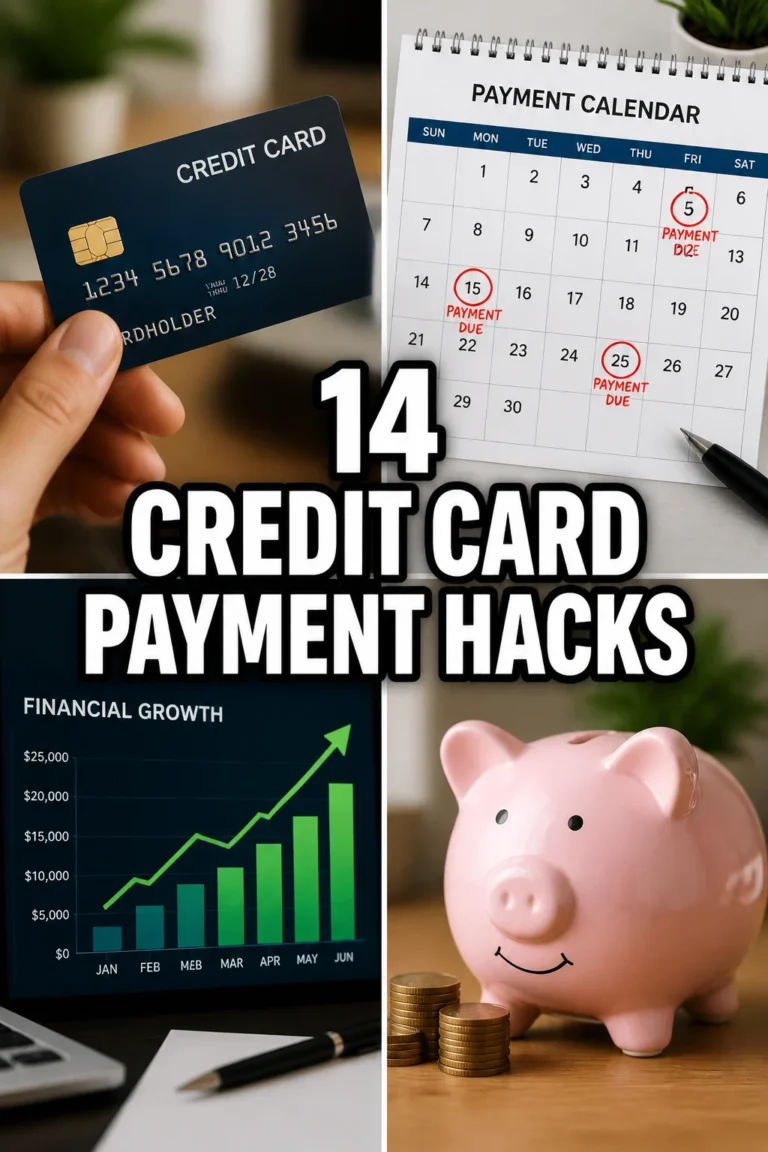
- Automate Savings and Bill Payments.Make saving a non-negotiable by setting up automatic transfers from your checking to your savings or investment accounts each payday. Similarly, automate your bill payments to ensure you never miss a due date. Payment history is the biggest factor in your credit score, so consistency here is key.
- Keep Credit Utilization Low.Credit utilization is the amount of credit you’re using compared to your total available credit. Aim to keep this ratio below 30% on each card, and ideally below 10% for an 800 score. For example, if you have a credit card with a $10,000 limit, try to keep your balance below $1,000. Paying off your balance in full each month is the ultimate goal.
- Strategically Use and Diversify Your Credit Mix.Having a mix of credit (e.g., credit cards, an auto loan, a mortgage) can positively impact your score, showing you can manage different types of debt responsibly. However, only take on new credit if you genuinely need it and can afford the payments. Don’t open accounts just for the sake of diversity.
Tips for Success
To truly embody the 800 Credit Score Aesthetic, consistency and smart choices are your best friends. Here are some pro tips to accelerate your journey:
- Practice Financial Mindfulness Every Day: Treat your money like a valued resource, not something to be mindlessly spent. Before every purchase, big or small, ask yourself: “Do I truly need this? Does it align with my financial goals? Is there a smarter way to spend this money?” This isn’t about deprivation, but intentionality.
- Invest in Your Financial Education: The world of finance can seem intimidating, but knowledge is power. Read books, listen to podcasts, follow reputable financial advisors online, and take courses. Understand concepts like compound interest, inflation, investing basics, and tax efficiency. The more you know, the better decisions you’ll make. Make complex concepts simple by relating them to your own life. For instance, compound interest is like a snowball rolling downhill, getting bigger and faster as it picks up more snow (money).
- Regularly Review and Adjust Your Financial Plan: Your life circumstances change, and so should your financial strategy. Review your budget, credit report, investments, and goals quarterly or at least annually. Adjust your savings rates, investment allocations, or debt repayment plans as needed. This proactive approach keeps you on track and adaptable.
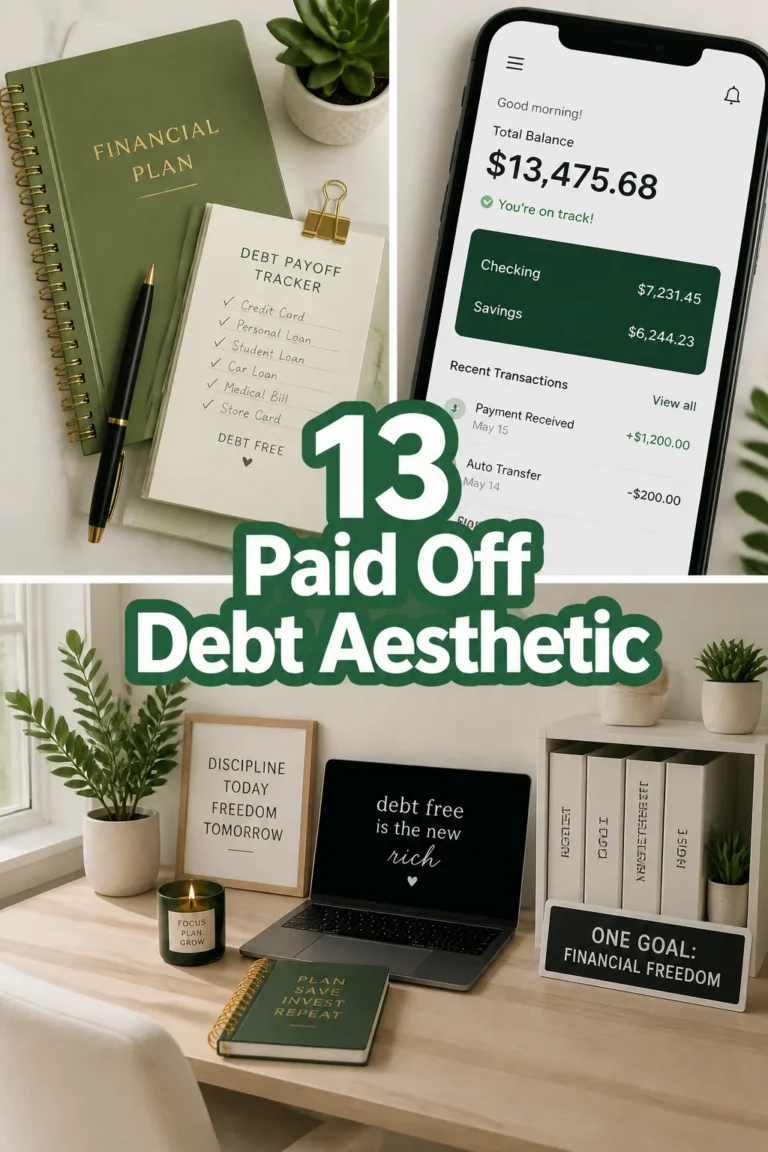
- Leverage Technology for Automation and Tracking: Use budgeting apps (Mint, YNAB, Personal Capital), investment platforms, and bank features to automate savings, track spending, and monitor your net worth. Technology can be a powerful ally in simplifying financial management and keeping you accountable.
- Be Patient and Persistent: Building an 800 credit score and robust financial health takes time. There will be ups and downs. Don’t get discouraged by minor setbacks. Stay committed to your habits, learn from mistakes, and celebrate small victories along the way. Your consistent effort will pay off handsomely in the long run.
Common Mistakes to Avoid
While striving for the 800 Credit Score Aesthetic, it’s equally important to be aware of pitfalls that can hinder your progress. Steer clear of these common mistakes:
- Ignoring Your Credit Report and Score: Many people only check their credit when applying for a major loan. This is a huge mistake! Not regularly reviewing your report means you could miss errors, fraudulent activity, or opportunities for improvement. Make it a habit to check at least once a year.
- Carrying High Credit Card Balances: This is a major score killer. High credit utilization signals risk to lenders. Even if you pay on time, a high balance on a revolving account can significantly drop your score and cost you a fortune in interest. Always aim to pay off your credit cards in full each month.
- Closing Old, Unused Credit Accounts: While it might feel like a good idea to “clean up” your credit, closing old, established accounts can actually hurt your score. It reduces your overall available credit (increasing your utilization ratio) and shortens your average length of credit history, both of which negatively impact your score. Keep them open, even if you rarely use them.
- Applying for Too Much New Credit Too Quickly: Each hard inquiry for new credit (like a loan or credit card application) can temporarily ding your score. Multiple inquiries in a short period signal to lenders that you might be in financial distress or taking on too much debt, making you appear riskier. Only apply for credit when absolutely necessary.
- Co-signing Loans Without Understanding the Risk: When you co-sign a loan, you become legally responsible for that debt. If the primary borrower defaults, it directly impacts your credit score and financial well-being. Only co-sign if you are prepared to pay the entire debt yourself.
- Living Paycheck to Paycheck Without a Plan: This makes you highly vulnerable to financial shocks and often leads to reliance on high-interest credit. The 800 Aesthetic is about building a buffer and having a clear financial roadmap, not just surviving until the next payday.
- Falling for “Get Rich Quick” Schemes: Building lasting wealth and an excellent credit score is a marathon, not a sprint. Be wary of any investment or financial product promising unrealistic returns with little effort. These often lead to significant financial losses and can derail your progress. Stick to proven strategies and sound financial principles.
FAQ
Let’s address some common questions about the 800 Credit Score Aesthetic:
How long does it take to reach an 800 credit score?
There’s no single answer, as it depends on your starting point and financial habits. If you’re starting with poor credit, it could take several years (3-7+) of consistent, responsible financial behavior. If you have good credit (mid-600s to 700s), you might reach 800 within 1-3 years by focusing on low utilization, timely payments, and a healthy credit mix. It requires patience and persistence.
Is an 800 credit score absolutely necessary?
While an 800+ score is excellent, anything in the “very good” to “exceptional” range (typically 740+) will qualify you for the best interest rates and loan terms. The 800 Credit Score Aesthetic is more about the discipline and financial health behind the number. Aiming for 800 pushes you to optimize your finances, which brings benefits far beyond just the score itself.
Does paying off debt hurt my score?
No, paying off debt, especially high-interest credit card debt, is almost always a good thing for your financial health and typically benefits your credit score in the long run. When you pay off a credit card, your credit utilization ratio decreases, which is a major positive factor. If you pay off an installment loan (like a car loan), it might slightly reduce your credit mix, but the benefits of being debt-free and having more cash flow usually far outweigh any minor, temporary score dip.
Can I still have fun and enjoy life with an “800 Aesthetic”?
Absolutely! The 800 Credit Score Aesthetic is not about deprivation; it’s about intentionality and smart choices. It means you prioritize experiences and investments that align with your values, rather than impulsive spending that leads to regret and debt. In fact, by managing your money wisely, you’ll likely have more financial freedom to enjoy the things that truly matter to you, whether it’s travel, hobbies, or spending time with loved ones, without the burden of financial stress.
💼 The Money Management Toolkit
Knowledge is power, but proper execution requires the right tools. Getting your financial life organized doesn't have to be overwhelming. These 5 physical management tools are exactly what successful households use to budget, track cash, and secure their most important assets.
📝 Clever Fox Budget Planner & Bill Organizer
The ultimate analog command center for your finances. Sometimes keeping your budget in an app just doesn't stick. Physically writing down your goals, tracking expenses, and planning for debt payoff creates a level of accountability that digital spreadsheets simply can't match.
💵 A6 Leather Cash Stuffing Binder
The viral tool that made the cash-envelope budgeting system popular again. By allocating actual physical cash to designated envelopes (groceries, dining out, fun money), you physically cap your spending, making it virtually impossible to overdraft or overspend.
🔥 Fireproof & Waterproof Document Safe
A critical piece of financial security that many families overlook. Protecting your passports, birth certificates, property deeds, and estate planning documents from disaster is just as important as protecting the money in your bank account.
🏷️ Brother P-Touch Digital Label Maker
The unsung hero of a functional home office. When tax season rolls around or you need to find an important receipt, having perfectly labeled and categorized filing cabinets or accordion folders saves hours of frustrating searches and potential late fees.
🔒 SentrySafe Compact Fireproof Lock Box
For the physical assets that need extra heavy-duty protection—think emergency cash reserves, hard drives with Bitcoin cold wallets, or physical precious metals. This compact, locking safe provides peace of mind that your physical wealth is secure at home.
Conclusion
The 800 Credit Score Aesthetic is more than a trendy hashtag; it’s a powerful framework for achieving genuine financial freedom and peace of mind. It’s about recognizing that your credit score is a reflection of your overall financial health and that cultivating excellent money habits leads to a life of greater opportunity, less stress, and abundant possibilities. By embracing mindful spending, strategic saving, proactive planning, and continuous learning, you’re not just chasing a number; you’re building a resilient financial future that empowers you to live your best life.
So, take that first step. Check your credit report, create a budget, and commit to paying your bills on time. Understand that this is a journey, not a destination, and every smart financial decision you make contributes to the beautiful aesthetic of a well-managed life. Your future self will thank you for the discipline, the knowledge, and the unwavering commitment to your financial well-being. Start today, and watch your financial aesthetic transform into a masterpiece of stability and success!