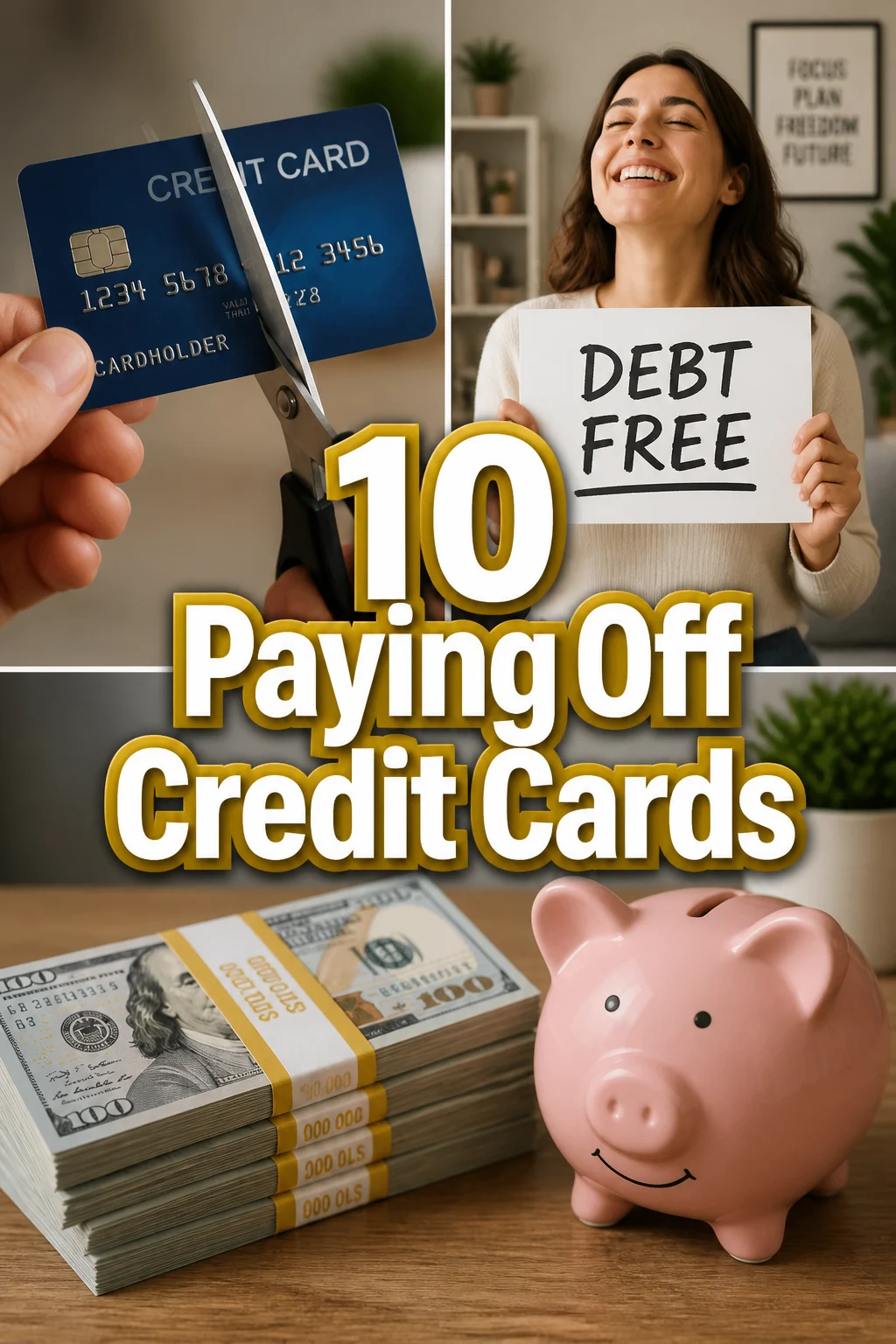
💳 10 Paying Off Credit Cards
📚 The Financial Literacy Library
The best investment you can ever make is in your own financial education. These 5 cornerstone books are what millionaires, financial advisors, and wealth-builders universally recommend for completely rewiring how you think about earning, saving, and investing money.
🧠 The Psychology of Money
Doing well with money isn't necessarily about what you know—it's about how you behave. Morgan Housel masterfully breaks down the emotional and psychological biases that secretly dictate our financial decisions, offering a true paradigm shift in how to view wealth.
🏠 Rich Dad Poor Dad
The #1 personal finance book of all time for a reason. This foundational read shatters the myth that you need to earn a high income to be rich, teaching you the critical difference between working for money and making your money work for you via assets.
📈 Atomic Habits
While not strictly a finance book, building wealth is absolutely dependent on the daily habits you cultivate. James Clear provides the definitive framework for breaking bad spending habits and effortlessly automating the good ones that lead to long-term success.
📊 The Simple Path to Wealth
The ultimate antidote to complex, intimidating financial advice. JL Collins provides an incredibly accessible, low-stress roadmap to financial independence through index fund investing, perfectly explaining why simplicity beats Wall Street complexity every time.
💳 I Will Teach You to Be Rich
A tactical, no-BS, 6-week program that actually works. Ramit Sethi teaches you how to crush debt, automate your savings, and negotiate your salary—all while guilt-free spending on the things you truly love. A must-read for modern money management.
Okay, real talk. Those plastic rectangles in your wallet? They’re basically tiny financial ninjas, stealthily racking up interest while you’re busy living your best life. But fear not, fellow trendsetter! We’re about to unmask those sneaky fees and get you back to financial fabulousness. Let’s ditch the debt drama and embrace that sweet, sweet financial freedom.
1. Get Real with Your Balances
Time for a serious chat with your credit card statements. You can’t beat what you don’t acknowledge, so pull up every single credit card statement, log into those apps, and see the damage. List them out from highest interest rate to lowest. This is your battlefield map.
Don’t just look at the total; check out the minimum payment and the interest rate on each. Knowledge is power, honey. Knowing exactly what you’re up against is the first step to kicking debt to the curb.
2. Embrace the Snowball or Avalanche Method
Pick your weapon, warrior. The debt snowball means paying off the smallest balance first for a quick win and a psychological boost. The debt avalanche tackles the highest interest rate first, saving you more money long-term. Both are legit strategies, just different vibes.
If you need that motivational push, snowball it. If you’re a numbers ninja, avalanche is your jam. Consistency is key, no matter which path you choose.
3. Attack with Extra Payments
Minimum payments are for quitters (just kidding, mostly). Seriously though, minimum payments are designed to keep you in debt for ages. Find even an extra $10, $20, or $50 to throw at your highest priority card. Every little bit chips away at that principal.
Make a second payment mid-month instead of waiting for the due date. It can sometimes reduce the interest calculated for that billing cycle. You’re not just paying debt; you’re buying back your financial freedom.
4. Cut Up (or Freeze) Those Cards
Out of sight, out of mind, out of debt. If you’re tempted to swipe, remove the temptation. Physically cut up cards you’re actively paying off, or at least freeze them in a block of ice (literally, it’s a thing). Keep one for emergencies, maybe, but hide it.
Consider using a debit card for everyday purchases while you’re in attack mode. It’s like training wheels for responsible spending. No new debt means faster progress on old debt. Revolutionary, right?
5. Negotiate Lower Interest Rates
Don’t be shy; ask for a deal. Call your credit card companies. Seriously. Explain you’re trying to pay down debt and ask if they can lower your interest rate. You’d be surprised how often they’ll work with you, especially if you have a good payment history.
Mention competitive offers from other cards if you have them. A little leverage never hurt anyone. A lower rate means more of your payment goes to the principal, not just lining their pockets. Win-win (mostly for you).
6. Find Extra Cash (Side Hustle Style)
Time to unleash your inner entrepreneur. Got skills? Sell stuff you don’t need? Deliver food? Walk dogs? Every extra dollar earned can be a debt-smashing dollar. Think beyond your regular paycheck.
Dedicate 100% of your side hustle income to debt repayment. It’s ‘found money’ anyway, so it won’t feel like you’re missing it. Turning clutter into cash, or free time into funds, feels pretty good when you’re crushing debt.
7. Budget Like a Boss
Master your money, master your life. A budget isn’t about deprivation; it’s about intentional spending. Track where every dollar goes for a month. Identify those sneaky subscriptions, the daily coffee runs, the impulse buys. Then, reallocate those funds to debt.
Use an app or a simple spreadsheet. Seeing your spending in black and white can be a real eye-opener (and sometimes, a slap in the face). Knowing your money’s mission means no dollar gets left behind in the fight against debt.
8. Balance Transfer Blitz
Move it, move it, to a better rate. If you have excellent credit, consider a balance transfer card with a 0% introductory APR. This moves your high-interest debt to a new card, giving you a grace period to pay it down interest-free.
Watch out for balance transfer fees (usually 3-5%) and make sure you can pay off the balance before the intro period ends, or that original high interest rate will come roaring back. It’s a powerful tool, but wield it wisely, young Jedi.
9. Automate Your Attack
Set it and forget it (the debt, not the payments). Set up automatic payments for at least the minimum, but ideally for more. This ensures you never miss a payment (hello, late fees!) and keeps you consistently chipping away at your balances.
Schedule your payments to align with your paychecks. If you get paid bi-weekly, consider making bi-weekly payments. Automation takes the mental load off and keeps your debt-free train chugging along.
10. Celebrate Small Wins
Every milestone deserves a mini-party. Paying off a card, hitting a certain payment goal, or even just sticking to your budget for a month – these are victories! Acknowledge them. It keeps motivation high and reminds you why you’re doing all this hard work.
Your celebration doesn’t have to cost money. A long walk, a fancy coffee (paid for in cash!), or a movie night at home can be just as rewarding. This journey is tough, but remembering your progress makes the finish line feel closer and sweeter.
💼 The Money Management Toolkit
Knowledge is power, but proper execution requires the right tools. Getting your financial life organized doesn't have to be overwhelming. These 5 physical management tools are exactly what successful households use to budget, track cash, and secure their most important assets.
📝 Clever Fox Budget Planner & Bill Organizer
The ultimate analog command center for your finances. Sometimes keeping your budget in an app just doesn't stick. Physically writing down your goals, tracking expenses, and planning for debt payoff creates a level of accountability that digital spreadsheets simply can't match.
💵 A6 Leather Cash Stuffing Binder
The viral tool that made the cash-envelope budgeting system popular again. By allocating actual physical cash to designated envelopes (groceries, dining out, fun money), you physically cap your spending, making it virtually impossible to overdraft or overspend.
🔥 Fireproof & Waterproof Document Safe
A critical piece of financial security that many families overlook. Protecting your passports, birth certificates, property deeds, and estate planning documents from disaster is just as important as protecting the money in your bank account.
🏷️ Brother P-Touch Digital Label Maker
The unsung hero of a functional home office. When tax season rolls around or you need to find an important receipt, having perfectly labeled and categorized filing cabinets or accordion folders saves hours of frustrating searches and potential late fees.
🔒 SentrySafe Compact Fireproof Lock Box
For the physical assets that need extra heavy-duty protection—think emergency cash reserves, hard drives with Bitcoin cold wallets, or physical precious metals. This compact, locking safe provides peace of mind that your physical wealth is secure at home.
Conclusion
So there you have it, rockstar. Paying off credit cards might feel like climbing Mount Everest in flip-flops, but with these moves, you’re basically Sherpa-level. Ditch the debt, reclaim your cash, and get back to buying avocado toast without a side of guilt. Your future financially fabulous self will totally thank you. Go get ’em!