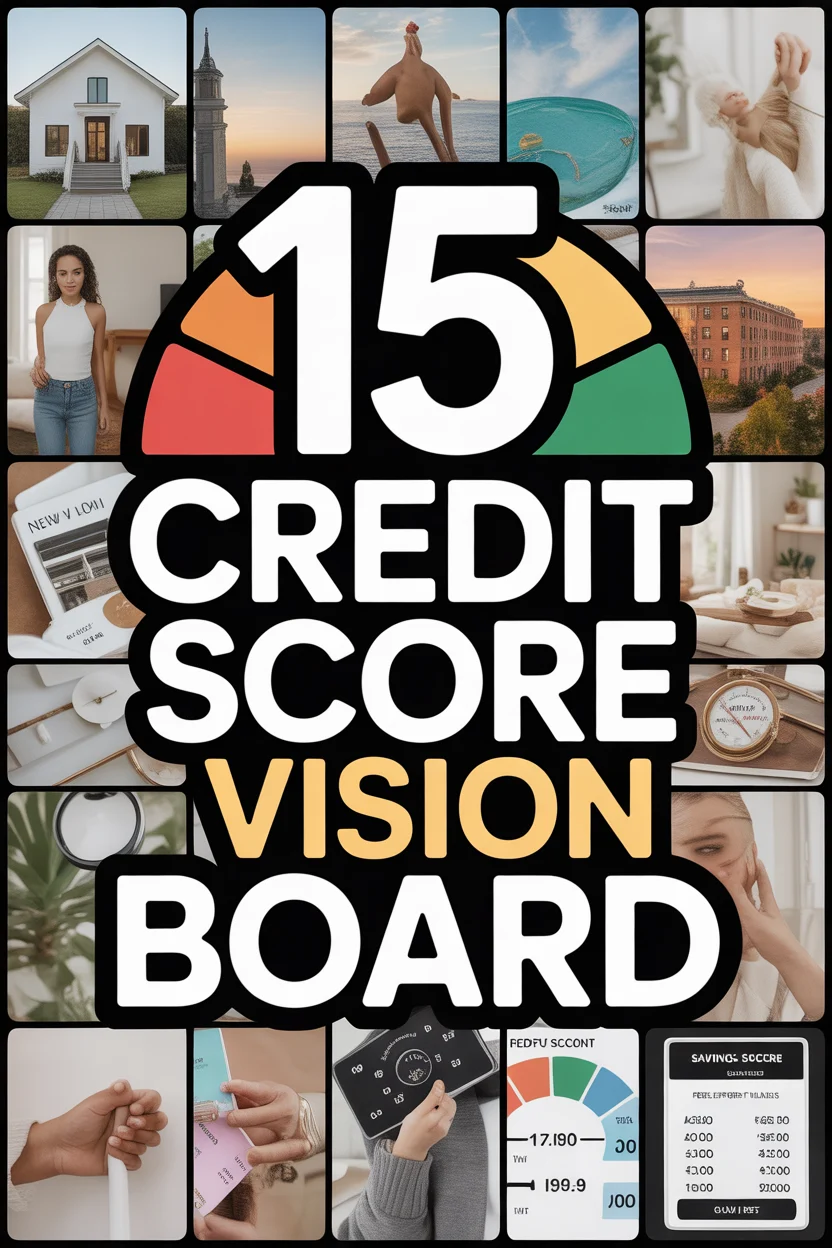
✨ 15 Credit Score Vision Board
📚 The Financial Literacy Library
The best investment you can ever make is in your own financial education. These 5 cornerstone books are what millionaires, financial advisors, and wealth-builders universally recommend for completely rewiring how you think about earning, saving, and investing money.
🧠 The Psychology of Money
Doing well with money isn't necessarily about what you know—it's about how you behave. Morgan Housel masterfully breaks down the emotional and psychological biases that secretly dictate our financial decisions, offering a true paradigm shift in how to view wealth.
🏠 Rich Dad Poor Dad
The #1 personal finance book of all time for a reason. This foundational read shatters the myth that you need to earn a high income to be rich, teaching you the critical difference between working for money and making your money work for you via assets.
📈 Atomic Habits
While not strictly a finance book, building wealth is absolutely dependent on the daily habits you cultivate. James Clear provides the definitive framework for breaking bad spending habits and effortlessly automating the good ones that lead to long-term success.
📊 The Simple Path to Wealth
The ultimate antidote to complex, intimidating financial advice. JL Collins provides an incredibly accessible, low-stress roadmap to financial independence through index fund investing, perfectly explaining why simplicity beats Wall Street complexity every time.
💳 I Will Teach You to Be Rich
A tactical, no-BS, 6-week program that actually works. Ramit Sethi teaches you how to crush debt, automate your savings, and negotiate your salary—all while guilt-free spending on the things you truly love. A must-read for modern money management.
Okay, real talk. We all have those dreamy vision boards for travel, dream jobs, maybe even a pet alpaca (no judgment!). But what if I told you your credit score deserves its own space on that corkboard of dreams? Yep, we’re going there. Because a stellar credit score isn’t just about adulting; it’s your VIP pass to pretty much everything good.
Forget boring financial advice. We’re talking about manifesting your best financial self, one credit-smart move at a time. Grab your glitter glue (or just your phone), because we’re about to map out your journey to credit score greatness.
1. Score Check-Up, Stat
You wouldn’t skip your annual physical, right? Regularly pulling your credit report (for free!) is like peeking at your financial health report card. It’s the first step to knowing where you stand, so you can actually start making moves.
Pro tip: Grab yours from AnnualCreditReport.com. It’s the only truly free, government-authorized source.
Knowledge is power, darling. You can’t fix what you don’t know is broken.
2. Pay on Time, Every Time
This one’s the OG, the grand poobah of credit habits. Payment history makes up the biggest chunk of your score. Missing even one payment can send your score into a tailspin faster than you can say “oops.”
Pro tip: Set up calendar reminders or sticky notes everywhere. Seriously, do it.
Lenders love reliability. Show them you’re dependable.
3. Automate Like a Boss
Future you will thank present you for this genius move. Set up automatic payments for all your bills. This guarantees you’ll never miss a due date, even if your brain is on vacation.
Pro tip: Automate at least the minimum payment. You can always pay more manually.
Eliminates human error and stress. Set it and forget it (mostly).
4. Keep That Utilization Low-Key
Imagine your credit card as a really nice, but not bottomless, cookie jar. Credit utilization is how much credit you’re using versus how much you have available. Keep it under 30%, ideally even lower, like 10%.
Pro tip: Pay off your balance before the statement closing date, not just the due date, to report a lower utilization.
Lenders see high utilization as a sign of financial strain. Don’t give them that vibe.
5. Become an Authorized User (Strategically)
Borrowing someone else’s good credit karma. If you have a trusted friend or family member with excellent credit, they can add you as an authorized user to their card. Their good payment history can then reflect on your report.
Pro tip: Make sure they have a long history and low utilization. And, you know, trust them implicitly.
It’s a low-risk way to piggyback on established credit.
6. Try a Secured Credit Card
Your credit score’s training wheels, but way cooler. You put down a deposit, which becomes your credit limit. Use it responsibly, pay it off, and boom – you’re building credit history without the high risk.
Pro tip: Choose one that reports to all three major credit bureaus and has a path to upgrade to an unsecured card.
It’s a guaranteed way to build a positive payment history if you’re starting from scratch.
7. Snag a Credit-Builder Loan
This loan is like a reverse savings account, but for your credit. You make payments into a savings account, and once it’s fully paid, you get the money. The lender reports your on-time payments, building your credit.
Pro tip: Look for these at credit unions or community banks. They often have better terms.
It shows you can handle installment debt responsibly, a different flavor of credit.
8. Dispute Those Pesky Errors
Think of yourself as a credit report detective. Mistakes happen, even on your credit report. Incorrect late payments, wrong account numbers, or even identity theft can drag your score down.
Pro tip: Send disputes in writing with supporting documentation to the credit bureaus.
Cleaning up errors can give your score an instant, well-deserved boost.
9. Don’t Ditch Old Accounts (Usually)
Loyalty pays off, especially with your credit history. The length of your credit history matters. Closing old, unused accounts can shorten your average account age, which isn’t ideal for your score.
Pro tip: If an old card has an annual fee you don’t want to pay, try asking for a product change to a no-fee card.
A longer credit history signals stability to lenders.
10. Diversify Your Credit Mix
Don’t put all your financial eggs in one basket. Lenders like to see you can handle different types of credit, like revolving (credit cards) and installment (loans like mortgages, car loans, student loans).
Pro tip: This doesn’t mean opening accounts just for diversity. Let it happen organically as you need credit for big purchases.
It shows you’re a well-rounded borrower.
11. Limit New Credit Applications
Slow your roll, credit card collector. Every time you apply for new credit, it results in a “hard inquiry” on your report, which can ding your score a few points. Too many in a short period look risky.
Pro tip: Only apply for credit when you genuinely need it and are confident you’ll be approved.
It prevents your score from taking unnecessary hits and signals financial stability.
12. Negotiate with Creditors
Channel your inner diplomat. If you’re struggling to make payments, don’t hide. Call your creditors. They might be willing to work with you on a payment plan or even settle debt for less.
Pro tip: Always get any agreement in writing before you start making payments.
Avoiding collections or charge-offs is crucial for your score. A little communication goes a long way.
13. Monitor for Identity Theft
Be your own financial bodyguard. Fraudsters are out there, and identity theft can wreak havoc on your credit. Keep an eye on your accounts for suspicious activity.
Pro tip: Many credit card companies offer free credit monitoring services. Use them!
Catching identity theft early can save your score (and your sanity) from major damage.
14. Understand Your Credit Report
It’s not just a document; it’s your financial narrative. Know what’s on it: personal info, accounts, inquiries, public records. Each section tells a story about your borrowing habits.
Pro tip: Familiarize yourself with the different sections and what they mean. Don’t just skim.
A deep understanding helps you spot issues and strategize for improvement.
15. Set Smart Financial Goals
Vision boards aren’t just for pretty pictures, they’re for actionable goals. Tie your credit score goals to bigger life goals. Want a mortgage? Need a better car loan rate? A top-tier score makes those dreams a reality.
Pro tip: Make your goals SMART: Specific, Measurable, Achievable, Relevant, Time-bound.
Motivation, honey! A clear “why” makes the “how” so much easier.
💼 The Money Management Toolkit
Knowledge is power, but proper execution requires the right tools. Getting your financial life organized doesn't have to be overwhelming. These 5 physical management tools are exactly what successful households use to budget, track cash, and secure their most important assets.
📝 Clever Fox Budget Planner & Bill Organizer
The ultimate analog command center for your finances. Sometimes keeping your budget in an app just doesn't stick. Physically writing down your goals, tracking expenses, and planning for debt payoff creates a level of accountability that digital spreadsheets simply can't match.
💵 A6 Leather Cash Stuffing Binder
The viral tool that made the cash-envelope budgeting system popular again. By allocating actual physical cash to designated envelopes (groceries, dining out, fun money), you physically cap your spending, making it virtually impossible to overdraft or overspend.
🔥 Fireproof & Waterproof Document Safe
A critical piece of financial security that many families overlook. Protecting your passports, birth certificates, property deeds, and estate planning documents from disaster is just as important as protecting the money in your bank account.
🏷️ Brother P-Touch Digital Label Maker
The unsung hero of a functional home office. When tax season rolls around or you need to find an important receipt, having perfectly labeled and categorized filing cabinets or accordion folders saves hours of frustrating searches and potential late fees.
🔒 SentrySafe Compact Fireproof Lock Box
For the physical assets that need extra heavy-duty protection—think emergency cash reserves, hard drives with Bitcoin cold wallets, or physical precious metals. This compact, locking safe provides peace of mind that your physical wealth is secure at home.
Conclusion
So there you have it, your ultimate guide to manifesting a credit score that opens doors, not closes them. Think of each of these steps as a tiny, powerful spell you’re casting for your financial future. No crystal ball needed, just consistent effort and a sprinkle of savvy. Go forth and conquer, you credit-score visionary!