💳 14 Credit Card Payment Hacks
📚 The Financial Literacy Library
The best investment you can ever make is in your own financial education. These 5 cornerstone books are what millionaires, financial advisors, and wealth-builders universally recommend for completely rewiring how you think about earning, saving, and investing money.
🧠 The Psychology of Money
Doing well with money isn't necessarily about what you know—it's about how you behave. Morgan Housel masterfully breaks down the emotional and psychological biases that secretly dictate our financial decisions, offering a true paradigm shift in how to view wealth.
🏠 Rich Dad Poor Dad
The #1 personal finance book of all time for a reason. This foundational read shatters the myth that you need to earn a high income to be rich, teaching you the critical difference between working for money and making your money work for you via assets.
📈 Atomic Habits
While not strictly a finance book, building wealth is absolutely dependent on the daily habits you cultivate. James Clear provides the definitive framework for breaking bad spending habits and effortlessly automating the good ones that lead to long-term success.
📊 The Simple Path to Wealth
The ultimate antidote to complex, intimidating financial advice. JL Collins provides an incredibly accessible, low-stress roadmap to financial independence through index fund investing, perfectly explaining why simplicity beats Wall Street complexity every time.
💳 I Will Teach You to Be Rich
A tactical, no-BS, 6-week program that actually works. Ramit Sethi teaches you how to crush debt, automate your savings, and negotiate your salary—all while guilt-free spending on the things you truly love. A must-read for modern money management.
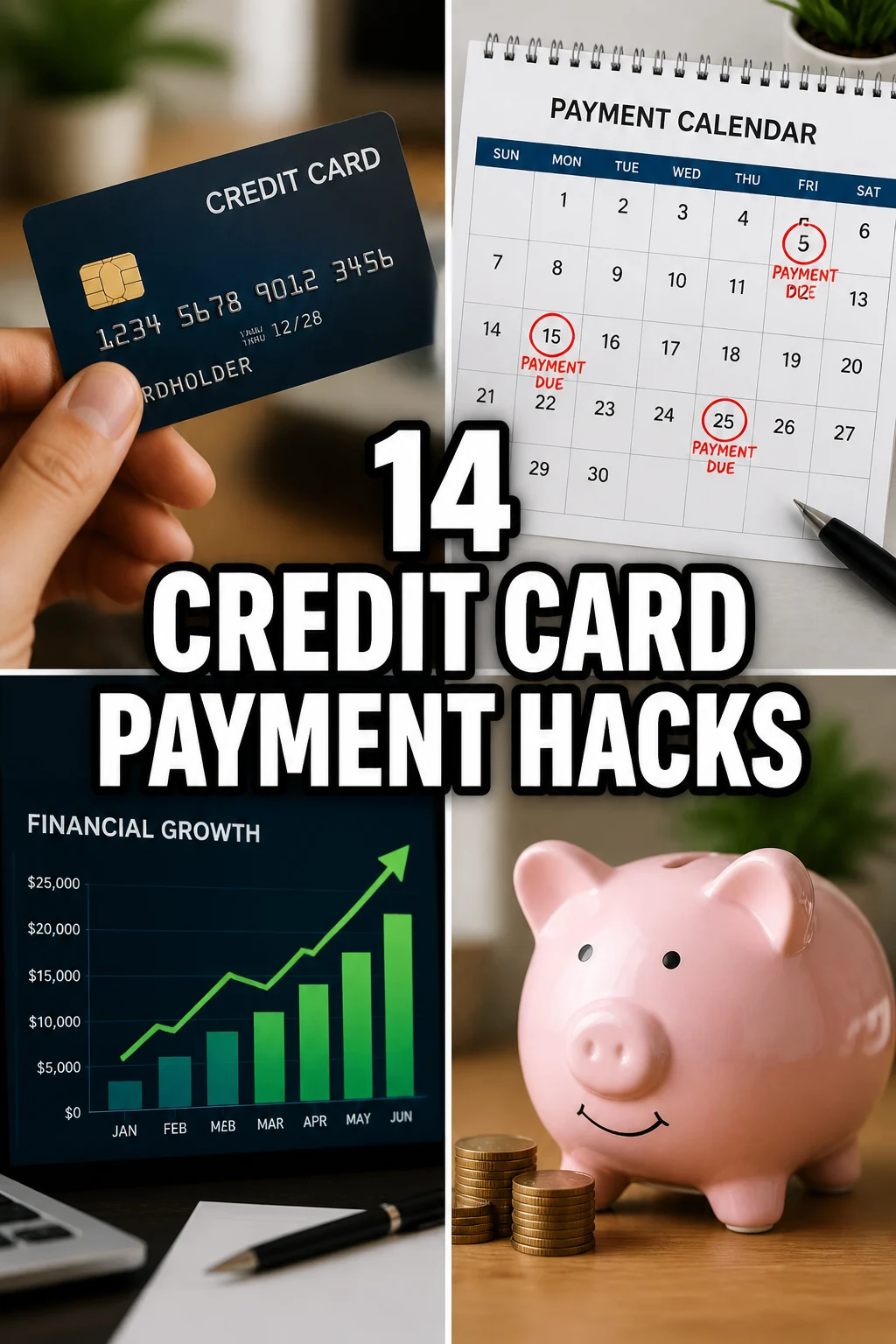
Let us talk about that plastic rectangle burning a hole in your pocket. We all love the points and the travel perks, but the interest rates are basically daylight robbery. If you want to beat the banks at their own game, you need a strategy that does not involve living in a cardboard box. These hacks help you stay ahead of the curve while keeping your credit score looking sharp.
Managing your debt effectively offers several benefits
- Lower interest charges every month
- A significant boost to your credit score
- Total control over your monthly cash flow
- More money for things you actually enjoy
1. The Biweekly Blitz
Stop waiting until the end of the month to settle your bill. You should split your total monthly payment in half and pay it every two weeks instead. This sneaky move aligns with your paychecks and lowers your average daily balance throughout the month. Pro tip: set this up on autopay through your bank portal so you never even see the money leave your account. It trims interest costs and keeps your utilization rate low enough to impress any lender.
2. The Micropayment Method
Treat your credit card app like a game of Tetris. Every time you buy a latte or a pair of shoes, you should pay it off immediately from your checking account. This keeps your balance near zero and prevents that specific brand of panic that happens when a giant bill arrives. Pro tip: perform these tiny transfers while standing in line for your next purchase to feel extra productive. It ensures you never spend money that you do not actually have in the bank.
3. The Bill Smoothing Strategy
You can call your bank and ask them to move your due date. Aligning your bill with your biggest paycheck of the month makes budgeting feel less like a high-stakes math exam. Pro tip: ask for a date right after your rent or mortgage goes out so you know exactly what remains for the month. This simple phone call removes the friction from your monthly financial flow and prevents missed payments.
4. The Statement Date Secret
Your due date and your statement closing date are two very different things. You should pay your balance before the statement closing date to report a 0 percent utilization to the credit bureaus. Pro tip: find this date on your PDF statement or in the app settings to time your payments perfectly. It makes you look like a financial wizard to lenders without actually changing your spending habits one bit.
5. The Rewards Reinvestment
Stop hoarding your points for a vacation you might never actually take. You should apply your cash-back rewards directly to your statement balance every single month. Pro tip: check if your bank offers a bonus for redeeming points specifically as a statement credit. It is essentially free money that shrinks your debt while you sleep and reduces your overall obligation.
6. The Round Up Routine
Whenever you make a payment, you should round it up to the nearest fifty or hundred dollars. Those extra few bucks act as a buffer against future interest charges and hidden fees. Pro tip: use a third-party app to track these spare change payments if your bank does not offer a built-in feature. You will barely notice the difference in your checking account but your credit score will show the results.
7. The Autopay Minimum Safety Net
Set up an automatic payment for the minimum amount due just in case your life gets chaotic. You can always pay more later, but this prevents late fees and catastrophic credit score damage. Pro tip: double-check that your bank allows manual payments on top of autopay without canceling the scheduled one. This provides a baseline level of protection for your financial reputation and peace of mind.
8. The Balance Transfer Shuffle
If you are currently drowning in high interest, move that debt to a card with a 0 percent introductory APR. This gives you a grace period of twelve to eighteen months to pay off the principal without the bank taking a cut. Pro tip: watch out for the transfer fee which usually lands around three percent of the total. It buys you the time needed to actually make a dent in the debt rather than just treading water.
9. The High Interest Targeted Strike
Focus all your extra cash on the card with the highest interest rate first. This is known as the avalanche method and it saves you the most money over the long haul. Pro tip: keep paying the minimum on everything else so you do not trigger any penalties or rate hikes. It turns your debt repayment into a calculated tactical mission with a clear end goal.
10. The Credit Limit Increase Trick
Ask for a higher credit limit even if you do not plan on using the extra room. This instantly lowers your credit utilization ratio which is a massive factor in your overall score. Pro tip: make sure the bank performs a soft pull instead of a hard inquiry to avoid a temporary score dip. It gives you more breathing room without requiring you to pay an extra cent out of pocket.
11. The Alert System Overhaul
Turn on push notifications for every single transaction and payment reminder. Knowing exactly when money leaves your account prevents accidental overspending and keeps you grounded. Pro tip: set a specific alert for when your balance hits thirty percent of your total limit. This keeps you accountable in real time instead of waiting for a scary monthly summary to arrive in your inbox.
12. The Annual Fee Waiver Request
Call the customer service line and politely ask them to waive your annual fee. Banks often have secret retention offers to keep customers from jumping ship to a competitor. Pro tip: mention that you are considering a different card with no fee to increase your leverage during the call. It is a five-minute conversation that could save you hundreds of dollars every single year.
13. The Snowball Success Path
Pay off your smallest balance first to get a quick win and build psychological momentum. The boost of seeing a zero balance helps you stay committed to the larger financial goals. Pro tip: use the extra cash from the paid-off card to tackle the next smallest one on your list. It creates a powerful cycle of success that feels much more rewarding than slow-rolling a giant bill.
14. The Refund Monitoring Habit
Always check that your returns and refunds actually hit your account as statement credits. Sometimes these credits do not count toward your minimum payment, so you must read the fine print. Pro tip: treat a refund like a bonus payment and do not spend the equivalent cash elsewhere. It ensures your balance stays on a downward trajectory regardless of your shopping habits.
💼 The Money Management Toolkit
Knowledge is power, but proper execution requires the right tools. Getting your financial life organized doesn't have to be overwhelming. These 5 physical management tools are exactly what successful households use to budget, track cash, and secure their most important assets.
📝 Clever Fox Budget Planner & Bill Organizer
The ultimate analog command center for your finances. Sometimes keeping your budget in an app just doesn't stick. Physically writing down your goals, tracking expenses, and planning for debt payoff creates a level of accountability that digital spreadsheets simply can't match.
💵 A6 Leather Cash Stuffing Binder
The viral tool that made the cash-envelope budgeting system popular again. By allocating actual physical cash to designated envelopes (groceries, dining out, fun money), you physically cap your spending, making it virtually impossible to overdraft or overspend.
🔥 Fireproof & Waterproof Document Safe
A critical piece of financial security that many families overlook. Protecting your passports, birth certificates, property deeds, and estate planning documents from disaster is just as important as protecting the money in your bank account.
🏷️ Brother P-Touch Digital Label Maker
The unsung hero of a functional home office. When tax season rolls around or you need to find an important receipt, having perfectly labeled and categorized filing cabinets or accordion folders saves hours of frustrating searches and potential late fees.
🔒 SentrySafe Compact Fireproof Lock Box
For the physical assets that need extra heavy-duty protection—think emergency cash reserves, hard drives with Bitcoin cold wallets, or physical precious metals. This compact, locking safe provides peace of mind that your physical wealth is secure at home.
Conclusion
Managing credit cards does not have to be a nightmare if you use these sneaky strategies. By taking control of your payment schedule and outsmarting the banks, you keep more of your hard-earned cash in your own pocket. Pick one or two of these hacks to start today and watch your financial stress evaporate. Your future self will definitely appreciate the extra breathing room in your monthly budget.