💰 12 Tips To Save Money
📚 The Financial Literacy Library
The best investment you can ever make is in your own financial education. These 5 cornerstone books are what millionaires, financial advisors, and wealth-builders universally recommend for completely rewiring how you think about earning, saving, and investing money.
🧠 The Psychology of Money
Doing well with money isn't necessarily about what you know—it's about how you behave. Morgan Housel masterfully breaks down the emotional and psychological biases that secretly dictate our financial decisions, offering a true paradigm shift in how to view wealth.
🏠 Rich Dad Poor Dad
The #1 personal finance book of all time for a reason. This foundational read shatters the myth that you need to earn a high income to be rich, teaching you the critical difference between working for money and making your money work for you via assets.
📈 Atomic Habits
While not strictly a finance book, building wealth is absolutely dependent on the daily habits you cultivate. James Clear provides the definitive framework for breaking bad spending habits and effortlessly automating the good ones that lead to long-term success.
📊 The Simple Path to Wealth
The ultimate antidote to complex, intimidating financial advice. JL Collins provides an incredibly accessible, low-stress roadmap to financial independence through index fund investing, perfectly explaining why simplicity beats Wall Street complexity every time.
💳 I Will Teach You to Be Rich
A tactical, no-BS, 6-week program that actually works. Ramit Sethi teaches you how to crush debt, automate your savings, and negotiate your salary—all while guilt-free spending on the things you truly love. A must-read for modern money management.
Hey there, money mavens! Let’s be real, adulting often means staring at your bank account like it’s a confusing emoji. But what if saving cash wasn’t about deprivation, but about smart moves and a little bit of cheeky planning? Forget ramen for every meal; we’re talking about upgrading your financial game without sacrificing your latte habit entirely. Ready to get savvy?

1. Budget Like a Boss
Time to get cozy with your cash flow. Knowing where every dollar goes isn’t about restriction; it’s about empowerment. Use an app, a spreadsheet, or even just a notebook to track your spending for a month.
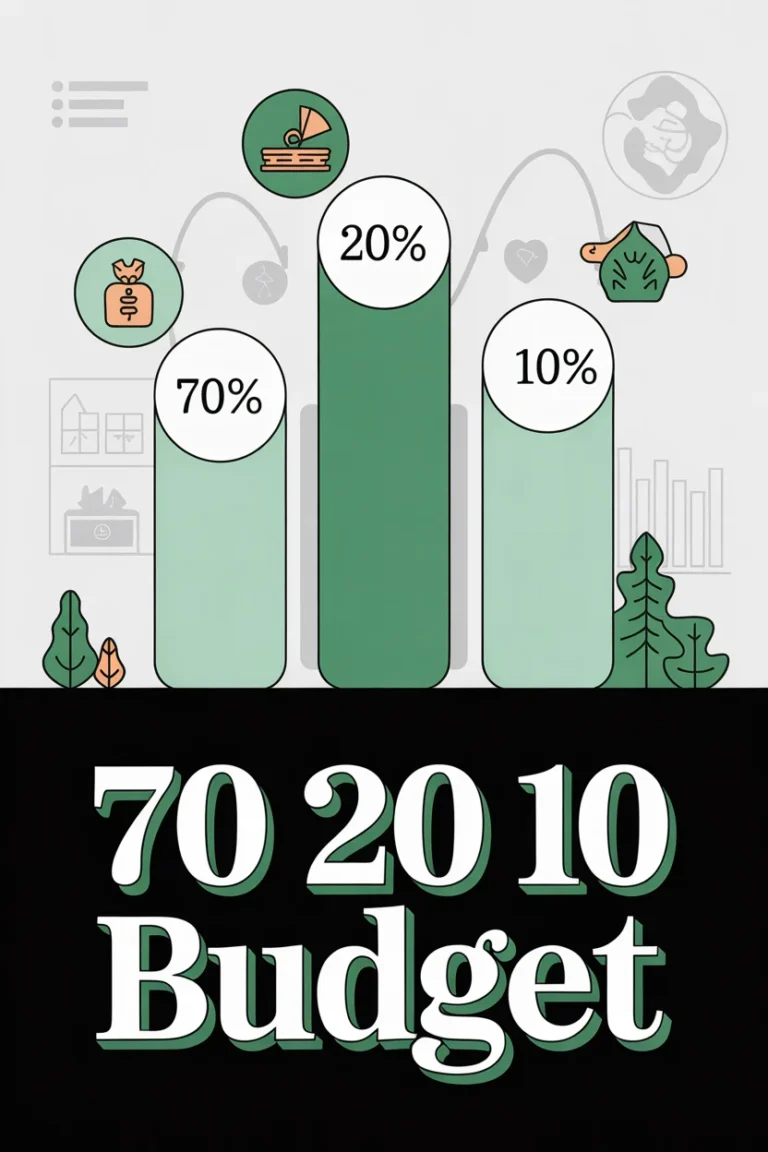
Pro tip: Try the 50/30/20 rule. 50% for needs, 30% for wants, and 20% for savings. It’s a game-changer for clarity without feeling too tight. Understanding your money is the first step to making it work for you, not against you.
2. Unleash Your Inner Chef
Restaurant tabs are the ultimate budget busters, right? Cooking at home isn’t just cheaper, it’s often healthier. Plus, you get to control the ingredients and avoid those sneaky upcharges.
Pro tip: Get into meal prepping. Dedicate a couple of hours on Sunday to cook in bulk, portion it out, and you’ll have delicious, affordable meals all week. Your wallet (and your waistline) will thank you.
3. Audit Your Subscriptions
Remember that free trial for a streaming service you signed up for last year? It’s probably still charging you. Go through your bank statements with a fine-tooth comb and cancel anything you don’t actively use.
Pro tip: Use an app like Truebill or Rocket Money to identify and cancel recurring subscriptions effortlessly. It’s like finding forgotten money in your couch cushions, but digital.
4. Master the Grocery Store Gauntlet
Supermarkets are designed to make you spend more. Fight back with a battle plan. Always go in with a list, stick to it, and never shop hungry (that’s impulse buying 101).
Pro tip: Embrace store brands; they’re often just as good as their name-brand counterparts but way cheaper. Also, check unit prices to ensure you’re getting the best deal per ounce or item. Smart shopping saves serious dough.
5. Embrace Energy Efficiency
Your utility bills might be silently draining your bank account. Small changes around the house can lead to big savings. Think turning off lights, unplugging phantom power users, and adjusting your thermostat.
Pro tip: Invest in smart plugs or LED bulbs. They pay for themselves over time and make your home more energy-conscious. Every little bit helps your bottom line.
6. DIY It (When Safe)
Before you call a professional for every little thing, consider if you can tackle it yourself. Hanging a picture, fixing a leaky faucet, or even painting a room can be surprisingly satisfying and much cheaper.
Pro tip: YouTube is your best friend for DIY tutorials. Just make sure it’s something within your skill set and doesn’t involve electricity or plumbing beyond your comfort zone. Save those repair costs for bigger jobs.
7. Go Second-Hand Chic
Why pay full price when you can find amazing treasures pre-loved? Thrifting for clothes, furniture, or even books is not only budget-friendly but also sustainable. It’s a win-win for your wallet and the planet.
Pro tip: Check out local consignment stores, online marketplaces, and vintage shops. You’d be amazed at the quality and unique finds you can score for a fraction of the original cost.
8. Rethink Your Commute
Gas prices are a rollercoaster, and car maintenance isn’t cheap. If possible, consider public transport, carpooling, biking, or even walking. Your daily commute can become a money-saving workout.
Pro tip: Even swapping out a few drives a week for walking or cycling can add up. Plus, fresh air is free and good for your soul. Less time in traffic, more money in your pocket.
9. Negotiate Your Bills
Many service providers are willing to negotiate rates, especially for loyal customers. Call your internet, cable, or even insurance companies and ask for a better deal. The worst they can say is no.
Pro tip: Do a little research beforehand to see what competitors are offering. Having that info ready gives you leverage. A simple phone call could save you hundreds annually. It’s worth the effort.
10. Automate Your Savings
Out of sight, out of mind, right? Set up an automatic transfer from your checking to your savings account every payday. Even a small amount adds up significantly over time without you having to think about it.
Pro tip: Start with an amount you won’t miss, say $20 or $50 per paycheck. You’ll be amazed how quickly your savings grow when it’s on autopilot. Future you will send a thank-you note.
11. Scrutinize Bank Fees
Those pesky little fees for overdrafts, ATM withdrawals, or monthly maintenance can nibble away at your funds. Read the fine print of your bank accounts and switch if necessary to a bank with lower or no fees.
Pro tip: Look for banks or credit unions that offer fee-free checking and savings accounts. Many online banks have great options without the brick-and-mortar overhead. Keep your money in your pocket, not theirs.
12. Embrace Free Entertainment
Fun doesn’t always have to cost money. Explore free local events, visit parks, libraries, or museums on free admission days. Host a potluck with friends instead of going out to eat.
Pro tip: Check out your local community calendar for free concerts, festivals, or workshops. A picnic in the park or a board game night at home can be just as, if not more, enjoyable than a pricey outing. Get creative with your leisure.
💼 The Money Management Toolkit
Knowledge is power, but proper execution requires the right tools. Getting your financial life organized doesn't have to be overwhelming. These 5 physical management tools are exactly what successful households use to budget, track cash, and secure their most important assets.
📝 Clever Fox Budget Planner & Bill Organizer
The ultimate analog command center for your finances. Sometimes keeping your budget in an app just doesn't stick. Physically writing down your goals, tracking expenses, and planning for debt payoff creates a level of accountability that digital spreadsheets simply can't match.
💵 A6 Leather Cash Stuffing Binder
The viral tool that made the cash-envelope budgeting system popular again. By allocating actual physical cash to designated envelopes (groceries, dining out, fun money), you physically cap your spending, making it virtually impossible to overdraft or overspend.
🔥 Fireproof & Waterproof Document Safe
A critical piece of financial security that many families overlook. Protecting your passports, birth certificates, property deeds, and estate planning documents from disaster is just as important as protecting the money in your bank account.
🏷️ Brother P-Touch Digital Label Maker
The unsung hero of a functional home office. When tax season rolls around or you need to find an important receipt, having perfectly labeled and categorized filing cabinets or accordion folders saves hours of frustrating searches and potential late fees.
🔒 SentrySafe Compact Fireproof Lock Box
For the physical assets that need extra heavy-duty protection—think emergency cash reserves, hard drives with Bitcoin cold wallets, or physical precious metals. This compact, locking safe provides peace of mind that your physical wealth is secure at home.
Conclusion
See? Saving money isn’t about giving up everything you love; it’s about being smarter, a little strategic, and maybe just a tad bit cheeky with your cash. Implement a few of these tips, and you’ll be flexing those financial muscles in no time. Your bank account will thank you, and you’ll have more dough for the things that truly spark joy. Go forth and save, you savvy superstar!