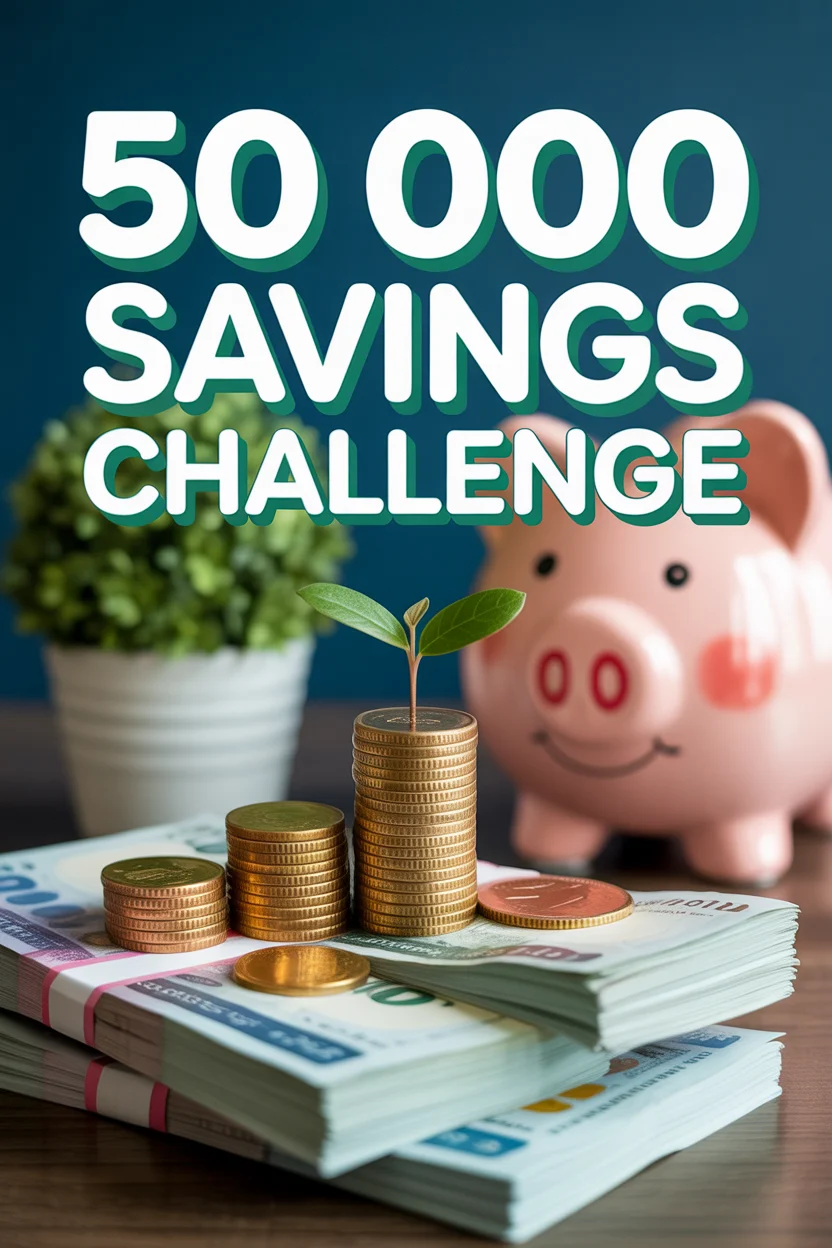
💰 50 000 Savings Challenge
📚 The Financial Literacy Library
The best investment you can ever make is in your own financial education. These 5 cornerstone books are what millionaires, financial advisors, and wealth-builders universally recommend for completely rewiring how you think about earning, saving, and investing money.
🧠 The Psychology of Money
Doing well with money isn't necessarily about what you know—it's about how you behave. Morgan Housel masterfully breaks down the emotional and psychological biases that secretly dictate our financial decisions, offering a true paradigm shift in how to view wealth.
🏠 Rich Dad Poor Dad
The #1 personal finance book of all time for a reason. This foundational read shatters the myth that you need to earn a high income to be rich, teaching you the critical difference between working for money and making your money work for you via assets.
📈 Atomic Habits
While not strictly a finance book, building wealth is absolutely dependent on the daily habits you cultivate. James Clear provides the definitive framework for breaking bad spending habits and effortlessly automating the good ones that lead to long-term success.
📊 The Simple Path to Wealth
The ultimate antidote to complex, intimidating financial advice. JL Collins provides an incredibly accessible, low-stress roadmap to financial independence through index fund investing, perfectly explaining why simplicity beats Wall Street complexity every time.
💳 I Will Teach You to Be Rich
A tactical, no-BS, 6-week program that actually works. Ramit Sethi teaches you how to crush debt, automate your savings, and negotiate your salary—all while guilt-free spending on the things you truly love. A must-read for modern money management.
Do you dream of a hefty emergency fund, a significant down payment for a home, a substantial investment nest egg, or simply the peace of mind that comes with a robust savings account? For many, saving a large sum of money can feel like climbing Mount Everest without a map. The sheer scale of the goal can be daunting, leading to procrastination or giving up before you even start. But what if there was a clear, actionable path to reaching that summit? Enter the 50 000 Savings Challenge – a powerful, structured approach designed to transform your financial aspirations into tangible reality. This challenge isn’t just about accumulating money; it’s about building lasting financial habits, understanding your spending, and empowering yourself with a wealth-building mindset. Ready to turn that “someday” into “today”? Let’s dive in!

What is 50 000 Savings Challenge?
The 50 000 Savings Challenge is a strategic, goal-oriented plan to save a significant sum of 50,000 units of your chosen currency (e.g., dollars, euros, pounds) within a defined timeframe. Unlike vague resolutions to “save more,” this challenge provides a clear target and encourages a methodical approach to reaching it. It breaks down what might seem like an overwhelming goal into smaller, manageable, and often weekly or monthly contributions, making the journey feel less intimidating and more achievable.
The core concept is simple: by consistently setting aside a specific amount of money, you gradually build up to the target sum. This isn’t a one-size-fits-all rigid rule; rather, it’s a flexible framework that you can adapt to your income, expenses, and desired timeline. Whether you aim to complete it in one year (requiring approximately 960 per week), two years (around 480 per week), or even longer, the challenge empowers you to take control. It’s an excellent way to fund a major life goal like a house deposit, a child’s education, a new car, a dream vacation, or simply to establish a robust emergency fund that offers true financial security. Beyond the monetary gain, it’s a profound exercise in financial discipline, budgeting mastery, and cultivating a proactive approach to your money.
Key Features
The popularity of the 50 000 Savings Challenge stems from several compelling features that make it effective and appealing:
- Achievable Goal Breakdown: The most significant feature is its ability to take a large, seemingly intimidating sum and break it down into smaller, more manageable increments. This psychological shift makes the goal feel less overwhelming and more “doable.”
- High Motivation Factor: As you consistently make deposits and track your progress, seeing your savings grow provides a powerful boost to your motivation. Each milestone reached fuels your determination to continue.
- Flexibility and Customization: While the target is 50,000, the path to get there is entirely yours. You can adjust the weekly or monthly contribution amount, extend or shorten the timeline, and even combine different saving strategies to suit your unique financial situation.
- Fosters Financial Discipline: Successfully completing this challenge requires consistent effort and adherence to a budget. This process naturally builds strong financial habits, teaching you to prioritize savings and make conscious spending choices.
- Enhanced Financial Awareness: To embark on this challenge, you’ll need to scrutinize your income and expenses. This deep dive into your finances often uncovers hidden spending patterns and opportunities for optimization, leading to greater financial literacy.
- Versatility for Any Goal: Whether it’s for an emergency fund, a down payment, debt reduction, investment capital, or a significant purchase, the 50 000 target is substantial enough to make a real impact on a variety of financial objectives.
How to Get Started
Embarking on the 50 000 Savings Challenge requires a structured approach. Here’s a step-by-step guide to help you begin your journey:
1. Define Your “Why”
Before you save a single penny, clarify your motivation. What is the 50,000 for? A down payment on a house? An emergency fund? Early retirement? A child’s college tuition? A clear, compelling “why” will be your anchor when motivation wanes. Write it down, visualize it, and keep it top of mind.
2. Set a Realistic Timeline
How quickly do you want to reach 50,000? Common timelines are one year (saving approximately 961.54 per week or 4,166.67 per month) or two years (480.77 per week or 2,083.33 per month). Be honest about what’s achievable given your current income and expenses. An ambitious but realistic timeline will keep you engaged without leading to burnout.
3. Create a Detailed Budget (or Audit Your Current One)
This is the bedrock of any successful savings challenge. You need to know exactly where your money is going.
- Track Your Spending: For a month, meticulously track every dollar you spend. Use an app, a spreadsheet, or a notebook.
- Categorize Expenses: Differentiate between fixed expenses (rent, mortgage, loan payments) and variable expenses (groceries, entertainment, dining out).
- Identify Savings Opportunities: Look for areas where you can cut back. Even small, consistent cuts can free up significant funds. Could you cancel unused subscriptions? Cook more at home? Reduce impulse buys?
4. Identify Savings Opportunities
Once your budget is clear, actively seek ways to free up cash. This isn’t just about cutting back; it’s about optimizing.
- Negotiate Bills: Call your internet, cable, or insurance providers to see if you can get a better rate.
- Reduce Discretionary Spending: Limit eating out, coffee runs, or impulse purchases. These small expenses add up quickly.
- Sell Unused Items: Declutter your home and sell clothes, electronics, or furniture you no longer need. The extra cash can go straight into your challenge fund.
- DIY Instead of Buying: Can you do small home repairs, personal grooming, or meal prep yourself instead of paying for services?
5. Automate Your Savings
“Pay yourself first” is a golden rule. Set up an automatic transfer from your checking account to a dedicated savings account (preferably a high-yield one) each payday. This ensures you prioritize your savings before you have a chance to spend the money. Even if it’s a smaller amount initially, consistency is key.
6. Choose Your Saving Method
There are many ways to approach the 50,000 target:
- Fixed Amount: Transfer the same amount (e.g., 480 weekly or 2,083 monthly) consistently.
- “Found Money” Method: Dedicate all windfalls – tax refunds, bonuses, cash gifts, side hustle income – directly to your savings goal.
- Hybrid Approach: Combine a fixed automated transfer with additional “found money” contributions whenever possible.
7. Track Your Progress
Keep a visual tracker, a spreadsheet, or use a budgeting app to monitor your progress. Seeing the numbers grow and watching yourself get closer to your goal is incredibly motivating. Celebrate milestones to keep morale high!
Tips for Success
Making the 50 000 Savings Challenge a reality requires more than just a plan; it demands strategic thinking and unwavering commitment. Here are some pro tips to keep you on track:
1. Make It a Game (and Reward Yourself Sensibly)
Gamify your savings! Create a visual tracker, use a fun app, or challenge a friend. Set mini-milestones (e.g., 5,000 saved, 10,000 saved) and plan small, non-derailing rewards. A coffee with a friend, a new book, or a movie night at home can be great motivators without breaking the bank.
2. Boost Your Income
Sometimes, cutting expenses isn’t enough, or there’s simply not much left to cut. Consider ways to increase your income:
- Side Hustles: Freelancing, dog walking, online tutoring, delivering food, or selling crafts.
- Negotiate Your Salary: If you’re due for a review, prepare to ask for a raise.
- Sell Unused Items: Clear out clutter and convert it into cash.
Every extra dollar earned can be dedicated directly to your 50,000 goal, accelerating your progress significantly.
3. Attack High-Interest Debt First
If you have credit card debt or personal loans with high-interest rates, consider prioritizing paying these off before aggressively saving for your challenge. The interest saved on high-interest debt can often outweigh the returns you’d get from a savings account, effectively freeing up more cash flow for your challenge in the long run. Once the debt is gone, you can redirect those former payment amounts directly into your 50,000 fund.
4. Review and Adjust Regularly
Life is unpredictable. Your budget and savings plan shouldn’t be set in stone.
- Monthly Check-ins: Take 30 minutes each month to review your spending, assess your progress, and make adjustments.
- Be Flexible: If an unexpected expense arises, don’t abandon the challenge. Adjust your contribution for that period and get back on track next month. Consistency over perfection.
5. Find an Accountability Partner
Share your goals with a trusted friend, family member, or partner. An accountability partner can offer encouragement, share tips, and help you stay motivated when you feel like giving up. Regular check-ins can make a huge difference.
6. Educate Yourself on Personal Finance
The more you understand about money management, investing, and wealth building, the more empowered you’ll feel. Read books, listen to podcasts, or follow reputable financial blogs. Knowledge is power, and it can open up new avenues for saving and growing your money.
Common Mistakes to Avoid
Even with the best intentions, pitfalls can derail your 50 000 Savings Challenge. Being aware of these common mistakes can help you steer clear of them:
1. Not Having a Clear “Why”
Without a strong, specific motivation, it’s easy to lose steam when the challenge gets tough. Vague goals like “I want to save money” rarely last. Define your purpose clearly.
2. Setting Unrealistic Expectations
Trying to save too much too fast can lead to burnout and frustration. An overly aggressive target that leaves no room for enjoyment or unexpected expenses is unsustainable. Be realistic about your income, expenses, and timeline.
3. Skipping the Budgeting Step
Attempting to save without a clear understanding of your cash flow is like driving blindfolded. A budget is your roadmap; without it, you won’t know where to cut or how much you can truly afford to save.
4. Not Automating Savings
Relying solely on willpower to transfer money manually often results in missed contributions. Life gets busy, and discretionary spending can quickly eat into your savings potential. Automate your transfers to ensure consistency.
5. Giving Up After a Setback
No financial journey is perfectly smooth. An unexpected bill, a period of lower income, or an impulse purchase can happen. The mistake isn’t the setback itself, but giving up entirely. Acknowledge it, learn from it, adjust, and get back on track.
6. Lifestyle Creep
As your income increases, so does your spending. This “lifestyle creep” can quickly negate any extra money you could be saving. Be mindful of maintaining your current lifestyle (or even a frugal one) even as your earnings grow, and direct the surplus towards your challenge.
7. Neglecting High-Interest Debt
As mentioned earlier, carrying high-interest debt while trying to save can be counterproductive. The interest payments can erode your savings progress and make your overall financial situation worse. Prioritize tackling expensive debt first.
FAQ
Q: Is 50,000 a realistic amount for an average person to save?
A: Absolutely! While it’s a significant sum, it’s realistic for most individuals or households with consistent effort, a solid plan, and a commitment to budgeting. Breaking it down into weekly or monthly contributions makes it much more manageable than it appears at first glance. It requires discipline, but it’s entirely achievable.
Q: How long does it typically take to complete the 50 000 Savings Challenge?
A: The timeline largely depends on your income, expenses, and how aggressively you save. Many people aim for one to two years. For example, saving 50,000 in one year requires approximately 960 per week, while two years would be around 480 per week. You can adjust this based on what’s sustainable for you.
Q: What if I miss a week or month of contributions? Should I give up?
A: Definitely not! Missing a contribution is a common occurrence and not a reason to abandon your goal. Life happens. The best approach is to acknowledge it, avoid guilt, and simply get back on track with your next planned contribution. Consistency over perfection is key. You can try to make up the missed amount if feasible, or simply adjust your future contributions slightly.
Q: Where should I keep my 50,000 savings while I’m accumulating it?
A: For a goal like this, which you might need within a few years, it’s generally best to keep the funds in a secure, easily accessible account that also offers a decent return. A high-yield online savings account or a money market account are excellent choices. These accounts typically offer better interest rates than traditional savings accounts, helping your money grow a little faster, while still keeping it liquid and safe from market fluctuations.
💼 The Money Management Toolkit
Knowledge is power, but proper execution requires the right tools. Getting your financial life organized doesn't have to be overwhelming. These 5 physical management tools are exactly what successful households use to budget, track cash, and secure their most important assets.
📝 Clever Fox Budget Planner & Bill Organizer
The ultimate analog command center for your finances. Sometimes keeping your budget in an app just doesn't stick. Physically writing down your goals, tracking expenses, and planning for debt payoff creates a level of accountability that digital spreadsheets simply can't match.
💵 A6 Leather Cash Stuffing Binder
The viral tool that made the cash-envelope budgeting system popular again. By allocating actual physical cash to designated envelopes (groceries, dining out, fun money), you physically cap your spending, making it virtually impossible to overdraft or overspend.
🔥 Fireproof & Waterproof Document Safe
A critical piece of financial security that many families overlook. Protecting your passports, birth certificates, property deeds, and estate planning documents from disaster is just as important as protecting the money in your bank account.
🏷️ Brother P-Touch Digital Label Maker
The unsung hero of a functional home office. When tax season rolls around or you need to find an important receipt, having perfectly labeled and categorized filing cabinets or accordion folders saves hours of frustrating searches and potential late fees.
🔒 SentrySafe Compact Fireproof Lock Box
For the physical assets that need extra heavy-duty protection—think emergency cash reserves, hard drives with Bitcoin cold wallets, or physical precious metals. This compact, locking safe provides peace of mind that your physical wealth is secure at home.
Conclusion
The 50 000 Savings Challenge is more than just a numerical goal; it’s a transformative journey toward financial empowerment. By embracing a money-smart mindset, implementing practical budgeting hacks, and committing to consistent savings strategies, you’re not just accumulating 50,000 units of currency – you’re building invaluable habits that will serve you for a lifetime. This challenge proves that even the most ambitious financial goals are attainable when broken down into manageable steps. So, take the first step today. Define your “why,” set your timeline, automate your savings, and watch as your vision of financial security becomes a powerful reality. Your future self will thank you for starting this incredible challenge!