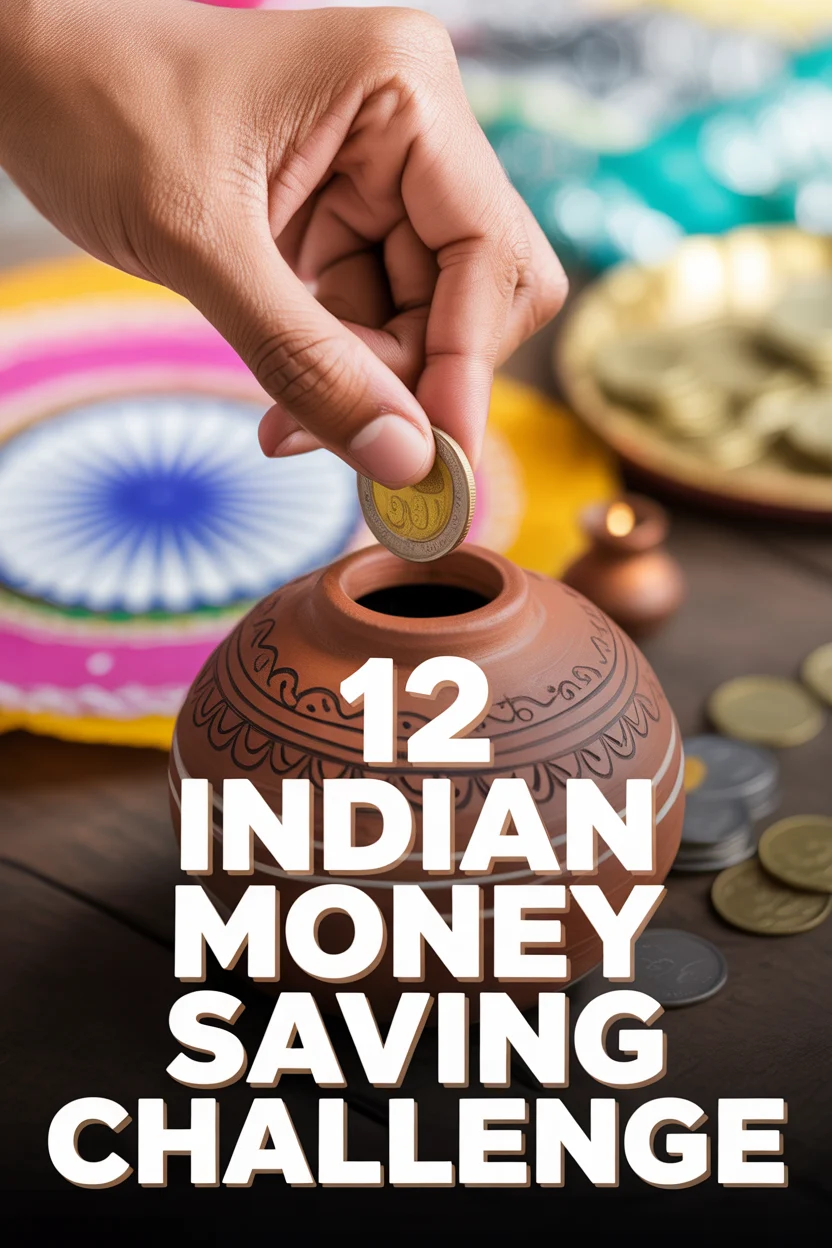
💰 12 Indian Money Saving Challenge
📚 The Financial Literacy Library
The best investment you can ever make is in your own financial education. These 5 cornerstone books are what millionaires, financial advisors, and wealth-builders universally recommend for completely rewiring how you think about earning, saving, and investing money.
🧠 The Psychology of Money
Doing well with money isn't necessarily about what you know—it's about how you behave. Morgan Housel masterfully breaks down the emotional and psychological biases that secretly dictate our financial decisions, offering a true paradigm shift in how to view wealth.
🏠 Rich Dad Poor Dad
The #1 personal finance book of all time for a reason. This foundational read shatters the myth that you need to earn a high income to be rich, teaching you the critical difference between working for money and making your money work for you via assets.
📈 Atomic Habits
While not strictly a finance book, building wealth is absolutely dependent on the daily habits you cultivate. James Clear provides the definitive framework for breaking bad spending habits and effortlessly automating the good ones that lead to long-term success.
📊 The Simple Path to Wealth
The ultimate antidote to complex, intimidating financial advice. JL Collins provides an incredibly accessible, low-stress roadmap to financial independence through index fund investing, perfectly explaining why simplicity beats Wall Street complexity every time.
💳 I Will Teach You to Be Rich
A tactical, no-BS, 6-week program that actually works. Ramit Sethi teaches you how to crush debt, automate your savings, and negotiate your salary—all while guilt-free spending on the things you truly love. A must-read for modern money management.
Alright, fam, let’s get real. Adulting is hard, especially when your bank account looks like it’s perpetually on a diet. We all want that fancy vacation, that dream gadget, or just enough cash to not panic when the rent’s due. But with all the amazing food, festivals, and general joie de vivre that comes with being Indian, saving money can feel like trying to herd cats. Impossible, right? Wrong. We’re about to drop some serious wisdom on you, spiced up with a dash of desi ingenuity, to make your wallet sing. Get ready for the ultimate Indian money saving challenge that will actually make you want to save.

1. The Chai-Pani Cutback
Your daily chai or coffee habit might seem innocent, but those little sips add up faster than you can say “extra ginger.” Imagine saving ₹50-100 every single day. That’s a mini-vacation in a few months!
Brew your own cuppa at home and carry it in a snazzy thermos. It’s cheaper, often healthier, and you control the sugar. Plus, you get to skip the queue. Pro tip: Invest in a good quality flask; it pays for itself in less than a week. Cutting down on small, recurring expenses is a surefire way to see your savings grow without much effort.
2. Homemade Food Fiesta
Let’s face it, Swiggy and Zomato are basically our best friends, but they’re also notorious bank balance bullies. Eating out or ordering in just a few times a week can seriously dent your budget.
Embrace the joy of ghar ka khana. Meal prep on weekends, carry your lunch to work, and explore easy Indian recipes. Your taste buds and your wallet will thank you. Pro tip: Cook in bulk and freeze portions for those lazy evenings. This challenge not only saves cash but often leads to healthier eating habits too.
3. Festival Fund Failsafe
Diwali, Eid, Christmas, weddings, birthdays – the Indian calendar is a beautiful, expensive minefield. Gifts, new clothes, decor, and sweets can drain your funds faster than a leaky bucket.
Get smart and set a dedicated budget for each major celebration. Consider making thoughtful, homemade gifts or upcycling decor. Pro tip: Start a separate savings pot specifically for festivals months in advance. Planning ahead prevents impulse overspending and keeps the festive spirit alive without the financial hangover.
4. The Local Market Loot
Fancy supermarkets are great, but sometimes your local mandi or kirana store holds the real treasures. You know, where the vendors actually know your name.
Head to the local market for your produce, groceries, and even clothes. You can often find fresher items at better prices, and yes, you can actually bargain like a pro. Pro tip: Go with a list and avoid shopping when you are hungry; those impulse snack buys are sneaky. Supporting local businesses while saving money is a win-win situation.
5. No-Spend Saree Sunday
Imagine one glorious day where your wallet stays firmly shut. No online shopping, no cafe hops, no impulse buys. Just pure, unadulterated financial abstinence.
Designate one day a week, say Sunday, as your absolute no-spend day. Plan free activities like reading, visiting a park, or catching up with friends at home. Pro tip: Challenge a friend to join you; a little friendly competition can be a great motivator. This simple act builds incredible discipline and makes you more aware of your spending habits.
6. The Auto Rickshaw Audit
Those convenient ride-sharing apps and auto rides can quickly become a significant chunk of your monthly expenses, especially if you’re hailing them daily. Each ride adds up.
Opt for public transport like buses or local trains when possible. Consider walking or cycling for shorter distances. Pro tip: Carpool with colleagues or friends if your routes align. Reducing daily travel costs is one of the most impactful ways to free up extra cash.
7. Subscription Service Scrutiny
How many streaming services, gym memberships, or app subscriptions do you actually use? Be honest. We’re all guilty of signing up and forgetting.
Take a good, hard look at all your monthly subscriptions. Cancel the ones you barely touch or consider sharing accounts with family members. Pro tip: Rotate your subscriptions; finish one show on Netflix, then pause and switch to Amazon Prime for a month. Eliminating these hidden recurring costs can feel like finding free money.
8. The “Diwali Cleaning” for Your Wallet
You know that feeling of decluttering your home during Diwali? Apply that same energy to your possessions and make some cash while you’re at it.
Go through your wardrobe, electronics, books, and household items. What haven’t you used in a year? Sell it! Platforms like OLX, Quikr, or local community groups are your friends. Pro tip: Be realistic about pricing and take good photos. Earning extra cash from things you no longer need is a fantastic way to boost your savings.
9. Bargain Hunter Blueprint
Haggling isn’t just for tourists in Chandni Chowk; it’s practically a national sport. Don’t be shy about negotiating prices, especially in local markets.
Whether it’s for clothes, electronics, or even a new piece of furniture, always try to get a better deal. A polite “thoda kam karo na bhaiyya” can go a long way. Pro tip: Research prices beforehand so you know what a fair deal looks like. Mastering the art of negotiation saves you money on almost every purchase.
10. The “No New Clothes” Navratri
Every festival or special occasion seems to demand a new outfit, doesn’t it? Our closets are overflowing, yet we feel the urge to buy more.
Challenge yourself to a no-new-clothes month or even a season. Re-wear, repurpose, or borrow from friends and family. Get creative with styling existing pieces. Pro tip: Shop your own closet first; you might be surprised by what you rediscover. This significantly reduces unnecessary fashion expenses and encourages sustainable habits.
11. Ghar Ka Khana Gastronomy
This isn’t just about carrying lunch; it’s about making cooking at home your primary dining choice. Restaurant bills, even for a quick bite, are surprisingly hefty.
Plan your meals and cook more often. Even simple, quick Indian dishes can be delicious and budget-friendly. Pack snacks from home instead of buying them. Pro tip: Learn 5-10 easy, go-to recipes that you can whip up quickly after a long day. Major savings on food and drinks await you here.
12. The 50 Rupee Challenge
This one is ridiculously simple but incredibly effective. It’s like finding money you didn’t know you had.
Every time you get a ₹50 note in change, save it. Don’t spend it. Put it aside in a jar or a separate envelope. You’ll be amazed at how quickly these small notes accumulate. Pro tip: Use a physical piggy bank or a designated container to make it feel more tangible. This challenge makes saving effortless and fun, building a nice little stash without you even noticing.
💼 The Money Management Toolkit
Knowledge is power, but proper execution requires the right tools. Getting your financial life organized doesn't have to be overwhelming. These 5 physical management tools are exactly what successful households use to budget, track cash, and secure their most important assets.
📝 Clever Fox Budget Planner & Bill Organizer
The ultimate analog command center for your finances. Sometimes keeping your budget in an app just doesn't stick. Physically writing down your goals, tracking expenses, and planning for debt payoff creates a level of accountability that digital spreadsheets simply can't match.
💵 A6 Leather Cash Stuffing Binder
The viral tool that made the cash-envelope budgeting system popular again. By allocating actual physical cash to designated envelopes (groceries, dining out, fun money), you physically cap your spending, making it virtually impossible to overdraft or overspend.
🔥 Fireproof & Waterproof Document Safe
A critical piece of financial security that many families overlook. Protecting your passports, birth certificates, property deeds, and estate planning documents from disaster is just as important as protecting the money in your bank account.
🏷️ Brother P-Touch Digital Label Maker
The unsung hero of a functional home office. When tax season rolls around or you need to find an important receipt, having perfectly labeled and categorized filing cabinets or accordion folders saves hours of frustrating searches and potential late fees.
🔒 SentrySafe Compact Fireproof Lock Box
For the physical assets that need extra heavy-duty protection—think emergency cash reserves, hard drives with Bitcoin cold wallets, or physical precious metals. This compact, locking safe provides peace of mind that your physical wealth is secure at home.
Conclusion
See? Saving money doesn’t have to feel like a punishment. With a little desi ingenuity, some smart planning, and a whole lot of self-control (mostly), you can totally crush your financial goals. Your bank account will thank you, and maybe even send you a thank-you emoji. Small changes really do lead to big results, so go on, give these challenges a whirl. Your future self is already celebrating your financial savviness!