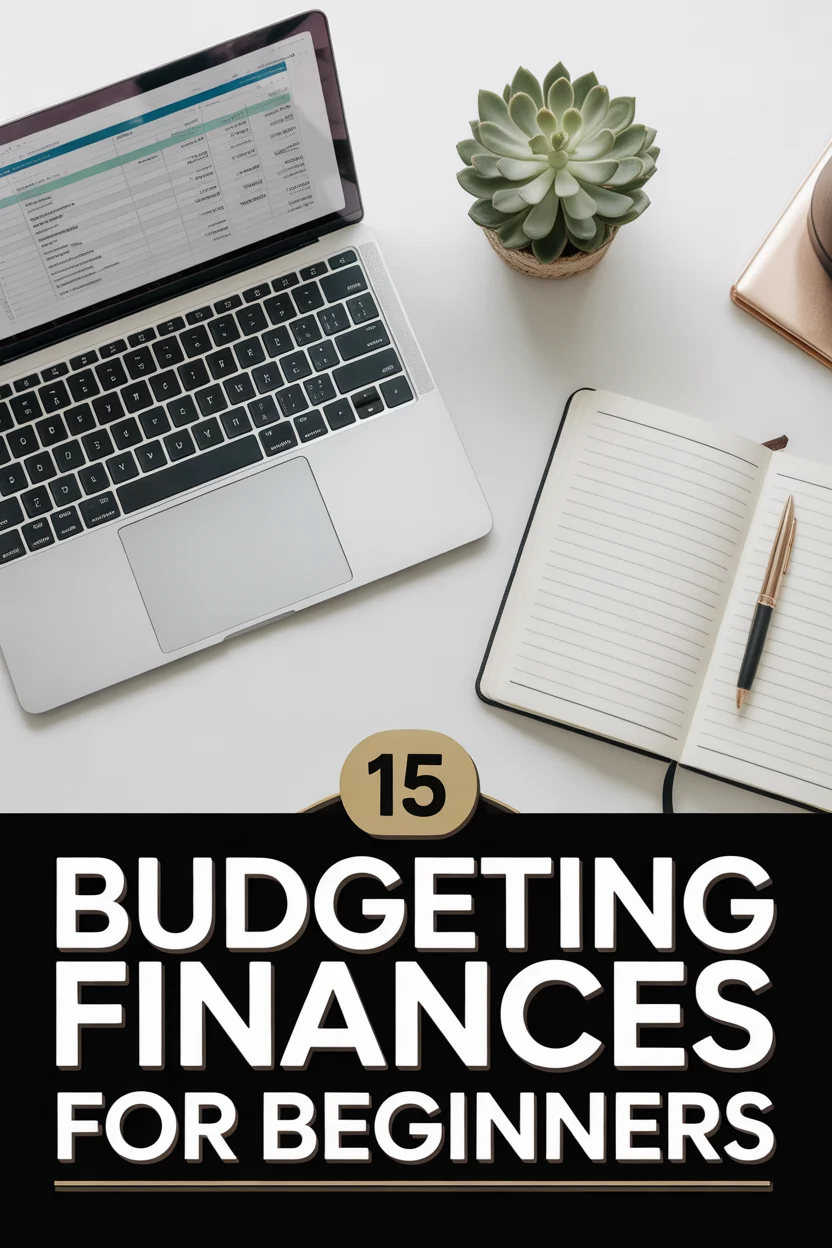
💰 15 Budgeting Finances For Beginners
📚 The Financial Literacy Library
The best investment you can ever make is in your own financial education. These 5 cornerstone books are what millionaires, financial advisors, and wealth-builders universally recommend for completely rewiring how you think about earning, saving, and investing money.
🧠 The Psychology of Money
Doing well with money isn't necessarily about what you know—it's about how you behave. Morgan Housel masterfully breaks down the emotional and psychological biases that secretly dictate our financial decisions, offering a true paradigm shift in how to view wealth.
🏠 Rich Dad Poor Dad
The #1 personal finance book of all time for a reason. This foundational read shatters the myth that you need to earn a high income to be rich, teaching you the critical difference between working for money and making your money work for you via assets.
📈 Atomic Habits
While not strictly a finance book, building wealth is absolutely dependent on the daily habits you cultivate. James Clear provides the definitive framework for breaking bad spending habits and effortlessly automating the good ones that lead to long-term success.
📊 The Simple Path to Wealth
The ultimate antidote to complex, intimidating financial advice. JL Collins provides an incredibly accessible, low-stress roadmap to financial independence through index fund investing, perfectly explaining why simplicity beats Wall Street complexity every time.
💳 I Will Teach You to Be Rich
A tactical, no-BS, 6-week program that actually works. Ramit Sethi teaches you how to crush debt, automate your savings, and negotiate your salary—all while guilt-free spending on the things you truly love. A must-read for modern money management.
Alright, listen up, money mavericks. Adulting is, shall we say, a journey. And sometimes that journey feels less like a scenic drive and more like a never-ending game of financial whack-a-mole. Bills pop up, your coffee addiction calls, and suddenly your bank account is giving you the silent treatment. But what if I told you budgeting doesn’t have to be a snooze-fest or a total buzzkill? It’s actually your secret weapon to living your best life, sans the constant money stress. Get ready to transform your wallet from “meh” to “heck yeah” with these killer tips.
1. Know Where Your Money Goes
You can’t fix what you don’t understand, right? The first step in winning your money game is figuring out exactly where every single dollar is fleeing to. This means tracking everything from your rent to that impulse buy of artisanal pickles.
Grab a notebook, use a spreadsheet, or download a snazzy app. Just start logging those expenses. You’ll probably be shocked at how much you spend on things you barely remember buying. This step reveals your true spending habits, no judgment, just data.
2. Set Clear Financial Goals
Why are you even doing this money thing? Are you saving for that epic trip, a down payment on a place, or just trying to stop panicking every payday? Give your money a mission.
Having tangible goals makes budgeting feel less like a chore and more like a quest. Break big goals into smaller, achievable chunks. Your future self will send you a thank-you note (probably with a fancy cocktail in hand).
3. Pick a Budgeting Method That Works For You
There’s no one-size-fits-all magic budget, so stop trying to force a square peg into a round financial hole. Some people swear by the 50/30/20 rule (needs/wants/savings), others love zero-based budgeting where every dollar has a job.
Experiment to find what clicks with your brain and lifestyle. The best budget is the one you actually stick with. Don’t be afraid to tweak it until it feels just right.
4. Automate Your Savings
Want to feel like a financial wizard without actually doing much? Set it and forget it, baby. Schedule automatic transfers from your checking to your savings account right after payday.
Even small amounts add up over time, and you won’t miss money you never saw in your checking account to begin with. This trick makes saving effortless and consistent.
5. Audit Your Subscriptions
Netflix, Spotify, that obscure streaming service you signed up for to watch one show six months ago – they all add up. Go through your bank statements with a fine-tooth comb and identify all your recurring subscriptions.
Cancel anything you don’t actively use or truly love. You’d be surprised how much cash you’re leaking to services you’ve forgotten about. It’s like finding free money in your couch cushions, but better.
6. Master the Art of Meal Prep
Eating out is a budget killer, plain and simple. Planning and prepping your meals for the week saves a ridiculous amount of money and time. Plus, you’ll probably eat healthier.
Dedicate a few hours on a Sunday to cook up a storm. Your wallet will sing, and your fridge will look like a Pinterest board. Pack those lunches, make those dinners, and watch your food budget shrink.
7. Brew Your Own Coffee (and Pack Lunch)
That daily latte habit? It’s cute, but it’s also probably costing you hundreds, if not thousands, a year. Same goes for those spontaneous lunch runs. Embrace the thermos and the lunchbox.
Making your own coffee and packing your own lunch are small changes with massive financial impact. Your taste buds might miss the barista for a bit, but your bank account will be doing a happy dance.
8. Find Free or Cheap Entertainment
Fun doesn’t always have to come with a hefty price tag. Get creative with your leisure time. Parks, libraries, hiking trails, free museum days, or game nights with friends are all amazing options.
Explore your city for hidden gems that won’t break the bank. You can have just as much fun, if not more, without swiping your card. Your social life (and wallet) will thank you.
9. Regularly Review Your Bank Statements
Don’t just glance at your bank balance and hope for the best. Take a few minutes each week or month to scrutinize your statements. Look for errors, unauthorized charges, and those sneaky subscriptions.
This keeps you accountable and aware of your spending patterns. It’s like being your own financial detective, and you might just uncover some mysteries.
10. Build an Emergency Fund
Life loves to throw curveballs, usually expensive ones. An emergency fund is your financial safety net for unexpected expenses like car repairs, medical bills, or sudden job loss.
Aim for at least three to six months of living expenses. Start small and build it up. This fund gives you peace of mind and prevents you from going into debt when disaster strikes.
11. Tackle Your Debt Strategically
Debt can feel like a heavy backpack. Whether you choose the “debt snowball” (pay off smallest debt first) or “debt avalanche” (pay off highest interest debt first) method, pick one and stick to it.
Reducing debt frees up more of your income for savings and investments. It’s a marathon, not a sprint, but every payment gets you closer to financial freedom.
12. Use Cash for Discretionary Spending
Ever notice how much easier it is to swipe a card than to hand over actual paper money? Using cash for categories like entertainment, dining out, or personal care can make you more mindful of your spending.
Once the cash is gone, it’s gone – no more spending in that category until next payday. This method provides a tangible limit and helps prevent overspending.
13. Differentiate Between Needs and Wants
This one sounds simple, but it’s a game-changer. A “need” keeps you alive and functional (housing, food, utilities). A “want” is anything else (that new gadget, designer coffee, another pair of sneakers).
Be brutally honest with yourself. Prioritizing needs first ensures your basic survival, then you can allocate funds for your wants without guilt. It’s about smart choices, not deprivation.
14. Negotiate Your Bills
Many recurring bills, like internet, cable, or even insurance, are negotiable. Don’t be shy; call up your providers and ask for a better deal or to match competitor offers. The worst they can say is no.
A quick phone call could save you a significant amount each month. Companies often prefer to keep you as a customer, so they might be more flexible than you think.
15. Find a Side Hustle
Sometimes, cutting expenses just isn’t enough, or you want to accelerate your financial goals. Consider picking up a side hustle to bring in extra cash. This could be anything from freelancing to dog walking.
Even a few hundred extra dollars a month can make a huge difference in your budgeting journey. It’s about boosting your income to reach your goals faster.
💼 The Money Management Toolkit
Knowledge is power, but proper execution requires the right tools. Getting your financial life organized doesn't have to be overwhelming. These 5 physical management tools are exactly what successful households use to budget, track cash, and secure their most important assets.
📝 Clever Fox Budget Planner & Bill Organizer
The ultimate analog command center for your finances. Sometimes keeping your budget in an app just doesn't stick. Physically writing down your goals, tracking expenses, and planning for debt payoff creates a level of accountability that digital spreadsheets simply can't match.
💵 A6 Leather Cash Stuffing Binder
The viral tool that made the cash-envelope budgeting system popular again. By allocating actual physical cash to designated envelopes (groceries, dining out, fun money), you physically cap your spending, making it virtually impossible to overdraft or overspend.
🔥 Fireproof & Waterproof Document Safe
A critical piece of financial security that many families overlook. Protecting your passports, birth certificates, property deeds, and estate planning documents from disaster is just as important as protecting the money in your bank account.
🏷️ Brother P-Touch Digital Label Maker
The unsung hero of a functional home office. When tax season rolls around or you need to find an important receipt, having perfectly labeled and categorized filing cabinets or accordion folders saves hours of frustrating searches and potential late fees.
🔒 SentrySafe Compact Fireproof Lock Box
For the physical assets that need extra heavy-duty protection—think emergency cash reserves, hard drives with Bitcoin cold wallets, or physical precious metals. This compact, locking safe provides peace of mind that your physical wealth is secure at home.
Conclusion
See? Budgeting isn’t about deprivation; it’s about empowerment. It’s your personal roadmap to financial freedom, allowing you to chase those big dreams without the constant money stress. Start small, be consistent, and don’t be afraid to adjust your strategy as you go. Your future self is already sending you high-fives for taking control. Now go forth and conquer those finances!