✉️ 12 Envelope Money Saving Challenge
📚 The Financial Literacy Library
The best investment you can ever make is in your own financial education. These 5 cornerstone books are what millionaires, financial advisors, and wealth-builders universally recommend for completely rewiring how you think about earning, saving, and investing money.
🧠 The Psychology of Money
Doing well with money isn't necessarily about what you know—it's about how you behave. Morgan Housel masterfully breaks down the emotional and psychological biases that secretly dictate our financial decisions, offering a true paradigm shift in how to view wealth.
🏠 Rich Dad Poor Dad
The #1 personal finance book of all time for a reason. This foundational read shatters the myth that you need to earn a high income to be rich, teaching you the critical difference between working for money and making your money work for you via assets.
📈 Atomic Habits
While not strictly a finance book, building wealth is absolutely dependent on the daily habits you cultivate. James Clear provides the definitive framework for breaking bad spending habits and effortlessly automating the good ones that lead to long-term success.
📊 The Simple Path to Wealth
The ultimate antidote to complex, intimidating financial advice. JL Collins provides an incredibly accessible, low-stress roadmap to financial independence through index fund investing, perfectly explaining why simplicity beats Wall Street complexity every time.
💳 I Will Teach You to Be Rich
A tactical, no-BS, 6-week program that actually works. Ramit Sethi teaches you how to crush debt, automate your savings, and negotiate your salary—all while guilt-free spending on the things you truly love. A must-read for modern money management.
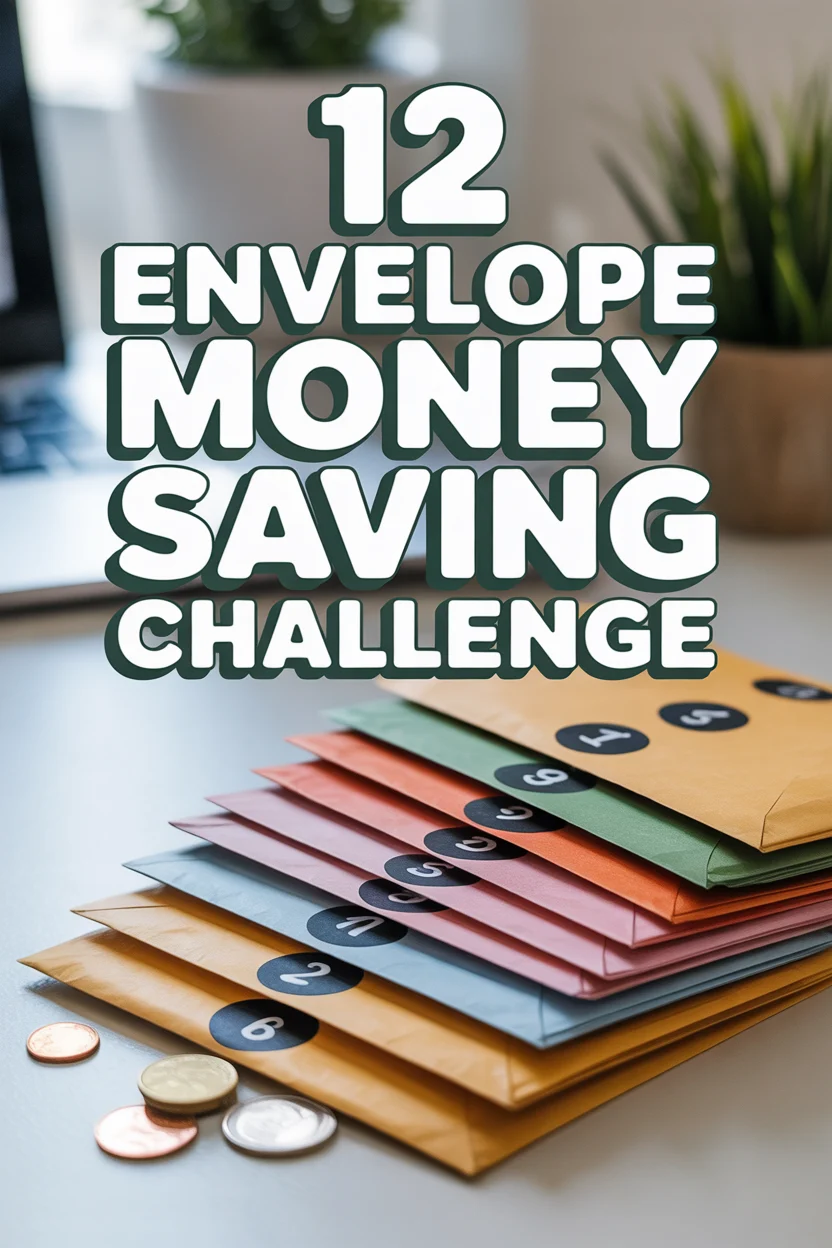
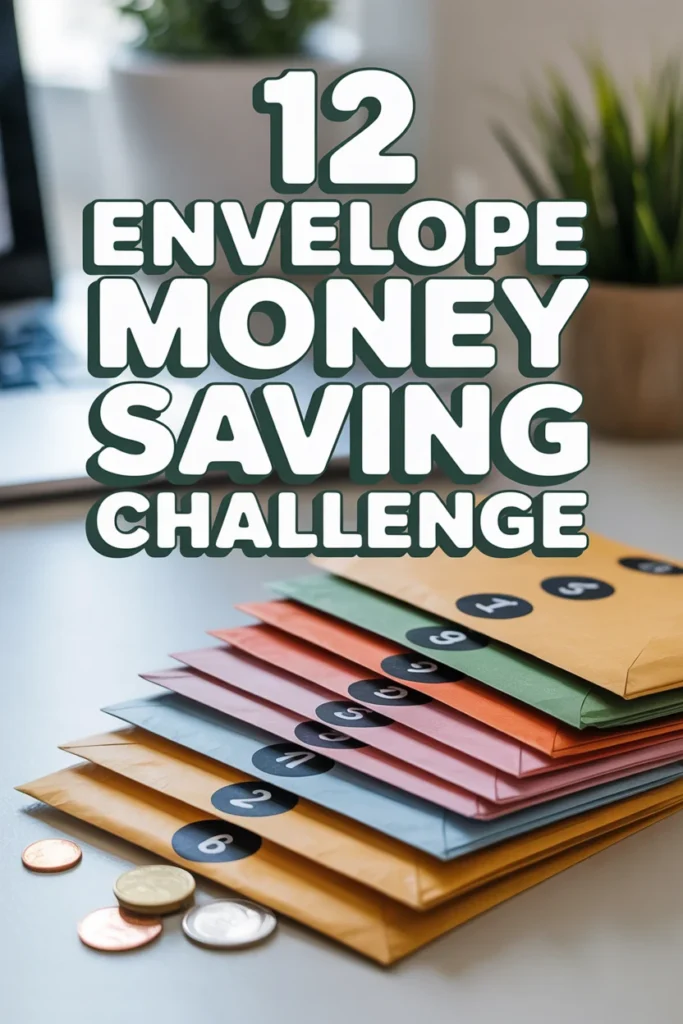
Alright, let’s be real. Budgeting can feel like trying to fold a fitted sheet – messy, frustrating, and often ends with you just giving up and shoving it in a drawer. But what if I told you there’s a ridiculously simple, super tactile way to get a grip on your cash that doesn’t involve spreadsheets or weeping? Enter the Envelope Money Saving Challenge. It’s not just for your grandma’s bingo money anymore; this old-school hack is making a trendy comeback, and honestly, we’re here for it. Forget abstract numbers on a screen; we’re talking cold, hard cash, baby. Let’s dive into 12 ways to make those envelopes your new financial besties.
1. The Weekly Windfall
Imagine finding a little extra cash in your pocket every single week. That’s the vibe here. You pick a small, consistent amount, say $10, and tuck it into an envelope every Monday morning. It’s like a mini payday for your future self.
This method works because it’s super low-pressure and builds a consistent saving habit without feeling like a huge sacrifice. Pro tip: Start with an amount that feels almost too easy. You can always increase it later once you’ve got the saving bug.
2. The Bill Buster
Tame those notoriously unruly variable bills once and for all. Set aside cash for categories like groceries, entertainment, or gas into separate envelopes. Once the cash in an envelope is gone, you’re done spending in that category until the next funding cycle.
This challenge brings a brutal but effective dose of reality to your spending. You literally cannot overspend if the money isn’t there. It works because it creates an immediate, tangible limit.
3. The No-Spend Nirvana
Can you go a day, a weekend, or even a whole week without spending any extra cash? This challenge dares you to try. Any money you would have spent on that impulse latte or takeout dinner goes straight into your designated “No-Spend” envelope.
It shines a spotlight on your discretionary spending and rewards restraint. Pro tip: Plan your no-spend days by prepping meals and finding free activities. Your wallet and your sanity will thank you.
4. The Change Collector
Consider this your passive income stream from the universe. Every time you pay with cash, all the change you get back goes into a dedicated “Change” envelope. Don’t even think about it; just drop it in.
This works because it’s painless and adds up surprisingly quickly. Those pennies and dimes are surprisingly mighty when accumulated. It’s like finding money in your couch cushions, but on purpose.
5. The Treat Yourself Target
Saving doesn’t mean you have to live like a monk. This challenge is all about delayed gratification with a sweet reward. Set aside a small, fixed amount in an envelope specifically for a small treat after you hit a mini-saving goal.
It motivates you by linking saving to a tangible reward, making the journey feel more sustainable and fun. Pro tip: Make the treat something you genuinely look forward to, whether it’s a new book or an hour of uninterrupted gaming.
6. The Skip The Latte Stash
That daily coffee habit, the impulse snack, or the lunch out – they all have a secret identity. Every time you don’t buy one of these small indulgences, put the equivalent cash into your “Latte Stash” envelope.
This method makes the invisible cost of small indulgences visible and transferable to your savings goals. You’ll be amazed at how quickly those $5 skips add up. It’s a real eye-opener.
7. The Round-Up Riches
Pretend you’re paying more for everything. If something costs $3.75, mentally round it up to $4.00 and put the extra $0.25 into an envelope. This works best with cash transactions, obviously.
It’s a tiny, almost imperceptible shift that snowballs into significant savings over time. You barely notice the small amounts leaving your wallet, but your savings account definitely will.
8. The Side Hustle Savings
Got a little extra cash flow from a side gig, selling old clothes, or dog walking? Great! Any money earned from these extra efforts goes straight into a dedicated “Side Hustle” envelope before it can even think about touching your main bank account.
This works because it treats “bonus” money as purely for savings, making it easier to stash away without affecting your regular budget. Consider it found money, and then save that found money.
9. The Future Fun Fund
Save now, play later, right? Pick a specific future goal – a dream vacation, concert tickets, or that fancy new gadget – and dedicate an envelope solely to it. Every dollar that goes in brings you closer.
This provides clear, exciting motivation and makes saving feel like an investment in joy, not a sacrifice. Pro tip: Put a picture of your goal on the envelope for a visual reminder. Manifest that trip!
10. The Pay Yourself First Protocol
You deserve a cut of your own hard work. As soon as your paycheck hits, take out a set amount of cash and put it into your savings envelope before paying any bills or spending a single dime.
This method prioritizes your financial future and makes saving a mandatory expense, not an afterthought. Make it non-negotiable; your future self will send you a thank-you note.
11. The Debt Destroyer
Say goodbye to those pesky debts. Allocate extra cash specifically to an envelope for paying down a particular debt, whether it’s a credit card or a small loan. Watch that pile of cash grow, ready to annihilate your debt.
It provides a tangible way to see progress on debt reduction, which can often feel abstract when dealing with digital numbers. Seeing the cash accumulate is seriously motivating.
12. The Oops-I-Spent-Too-Much Penalty
Time for some tough love, but in a good way. If you overspend in one category or make an impulse purchase you regret, put a “penalty” amount (e.g., $5 or $10) into a designated savings envelope.
This creates a gentle deterrent for impulse spending and turns a negative into a positive for your savings. It’s about building awareness, not just punishment.
💼 The Money Management Toolkit
Knowledge is power, but proper execution requires the right tools. Getting your financial life organized doesn't have to be overwhelming. These 5 physical management tools are exactly what successful households use to budget, track cash, and secure their most important assets.
📝 Clever Fox Budget Planner & Bill Organizer
The ultimate analog command center for your finances. Sometimes keeping your budget in an app just doesn't stick. Physically writing down your goals, tracking expenses, and planning for debt payoff creates a level of accountability that digital spreadsheets simply can't match.
💵 A6 Leather Cash Stuffing Binder
The viral tool that made the cash-envelope budgeting system popular again. By allocating actual physical cash to designated envelopes (groceries, dining out, fun money), you physically cap your spending, making it virtually impossible to overdraft or overspend.
🔥 Fireproof & Waterproof Document Safe
A critical piece of financial security that many families overlook. Protecting your passports, birth certificates, property deeds, and estate planning documents from disaster is just as important as protecting the money in your bank account.
🏷️ Brother P-Touch Digital Label Maker
The unsung hero of a functional home office. When tax season rolls around or you need to find an important receipt, having perfectly labeled and categorized filing cabinets or accordion folders saves hours of frustrating searches and potential late fees.
🔒 SentrySafe Compact Fireproof Lock Box
For the physical assets that need extra heavy-duty protection—think emergency cash reserves, hard drives with Bitcoin cold wallets, or physical precious metals. This compact, locking safe provides peace of mind that your physical wealth is secure at home.
Conclusion
So, there you have it. Envelopes aren’t just for greeting cards anymore; they’re your new money BFFs. This tangible, hands-on approach takes the mystery out of money management and injects a much-needed dose of fun and reality into your saving game. Stop just thinking about your money goals and start feeling them with every dollar you stash. Go forth and save, you savvy spender!