How To Save For A Down Payment On A Home
📚 The Financial Literacy Library
The best investment you can ever make is in your own financial education. These 5 cornerstone books are what millionaires, financial advisors, and wealth-builders universally recommend for completely rewiring how you think about earning, saving, and investing money.
🧠 The Psychology of Money
Doing well with money isn't necessarily about what you know—it's about how you behave. Morgan Housel masterfully breaks down the emotional and psychological biases that secretly dictate our financial decisions, offering a true paradigm shift in how to view wealth.
🏠 Rich Dad Poor Dad
The #1 personal finance book of all time for a reason. This foundational read shatters the myth that you need to earn a high income to be rich, teaching you the critical difference between working for money and making your money work for you via assets.
📈 Atomic Habits
While not strictly a finance book, building wealth is absolutely dependent on the daily habits you cultivate. James Clear provides the definitive framework for breaking bad spending habits and effortlessly automating the good ones that lead to long-term success.
📊 The Simple Path to Wealth
The ultimate antidote to complex, intimidating financial advice. JL Collins provides an incredibly accessible, low-stress roadmap to financial independence through index fund investing, perfectly explaining why simplicity beats Wall Street complexity every time.
💳 I Will Teach You to Be Rich
A tactical, no-BS, 6-week program that actually works. Ramit Sethi teaches you how to crush debt, automate your savings, and negotiate your salary—all while guilt-free spending on the things you truly love. A must-read for modern money management.
Dreaming of owning your own home? That feeling of having a place to truly call your own is incredibly powerful.
I remember feeling the same way, wondering how I’d ever gather enough for that crucial down payment.
This guide shares the exact strategies and mindset shifts that helped me, and countless others, turn that dream into a key in hand.

Quick Overview
Saving for a down payment might seem like a monumental task, but with a clear plan and consistent effort, it’s absolutely achievable. This guide will help you break down the process into manageable steps, making your homeownership goal feel much closer.
- Time needed: 6-24 months (depending on your savings capacity and goal)
- Difficulty: Intermediate
- What you’ll need: A clear financial picture, a budget, discipline, and a strong desire to own a home
Step-by-Step Instructions
Step 1: Define Your Dream Home & Down Payment Goal
Before you can save, you need to know what you’re saving for. This isn’t just about a number; it’s about a vision that will keep you motivated.
- Research local home prices in your desired neighborhoods. Get a realistic idea of what homes cost.
- Determine your target down payment percentage. While 20% helps avoid Private Mortgage Insurance (PMI), many loans allow as little as 3-5% down.
- Calculate your exact down payment goal. If homes in your area average $300,000 and you aim for 10% down, your goal is $30,000.
- Factor in closing costs. These are typically 2-5% of the loan amount and are separate from your down payment. It’s smart to save an additional buffer for these.
Pro Tip: Visit open houses, even if you’re not ready to buy yet. This helps you get a feel for the market and refine what you truly want in a home. It makes your goal tangible.
Step 2: Assess Your Current Financial Picture
You can’t get to where you’re going if you don’t know where you are. A clear snapshot of your finances is the foundation for any savings plan.
- Gather all your financial statements: bank accounts, credit cards, loan documents, investment accounts.
- List all your sources of income. Include your regular salary, any side hustles, or other reliable income streams.
- Document all your expenses. Go through several months of bank statements and credit card bills to capture everything. Categorize them into fixed (rent, car payment) and variable (groceries, entertainment).
- Calculate your net worth. This is your assets (what you own) minus your liabilities (what you owe). It gives you a baseline.
Step 3: Create a Realistic Budget (and Stick to It!)
Budgeting isn’t about restriction; it’s about control. It helps you direct your money towards your down payment goal.
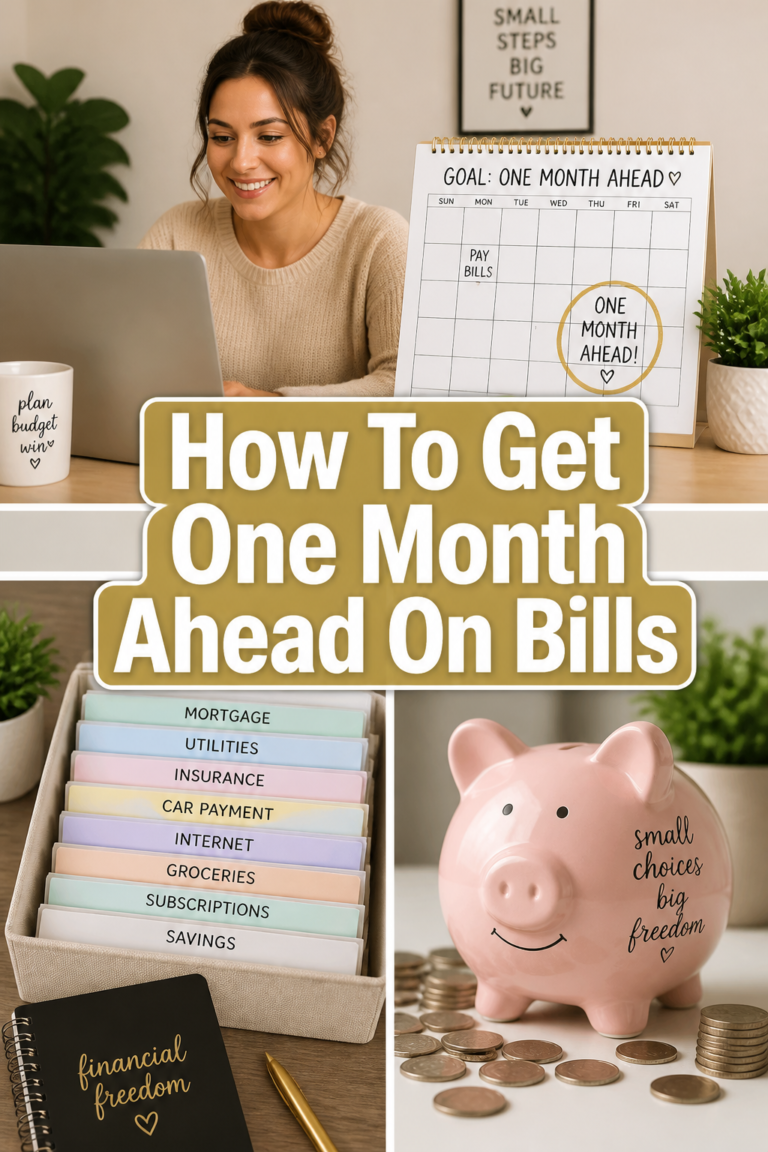
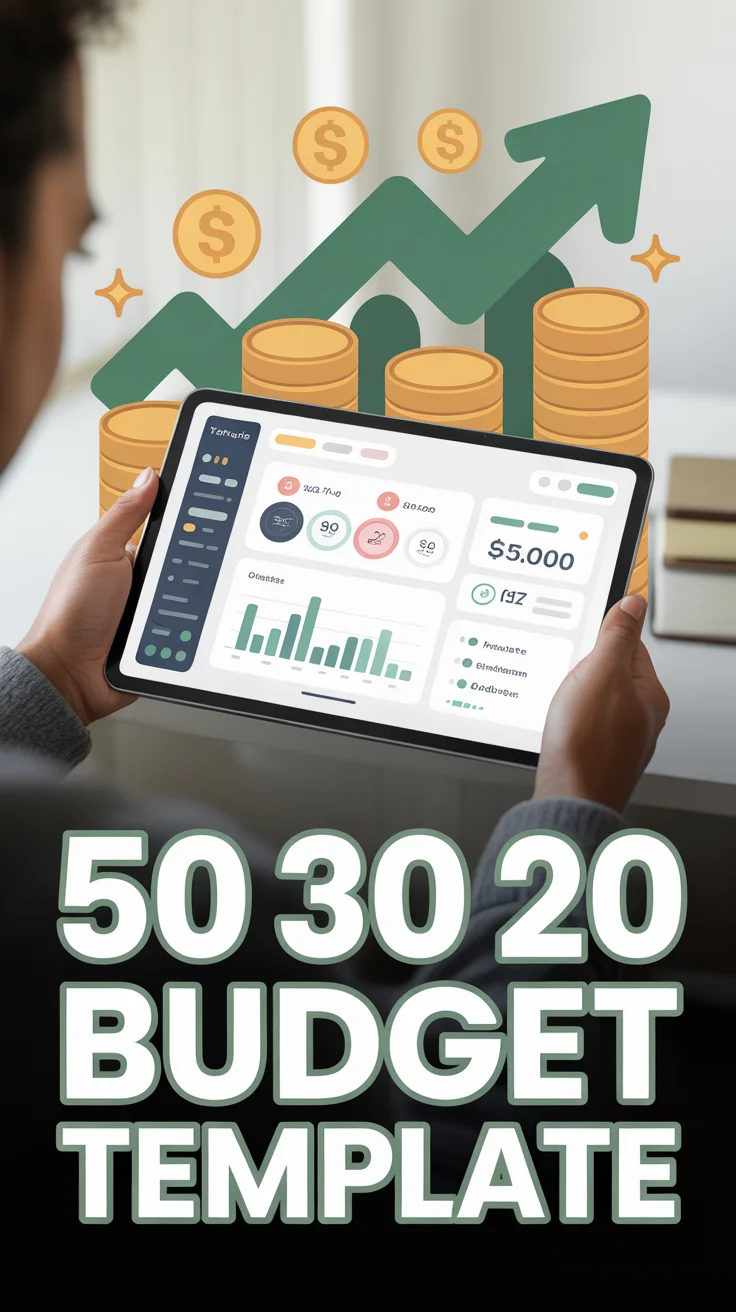
- Choose a budgeting method that works for you. The 50/30/20 rule (50% needs, 30% wants, 20% savings/debt) is popular, or try zero-based budgeting.
- Identify areas where you can cut back. Look at your variable expenses first. Can you reduce dining out, subscriptions, or impulse buys?
- Allocate a specific amount to your down payment savings each month. Treat this like a non-negotiable bill.
- Review your budget regularly. Life changes, and your budget should be flexible enough to adapt.
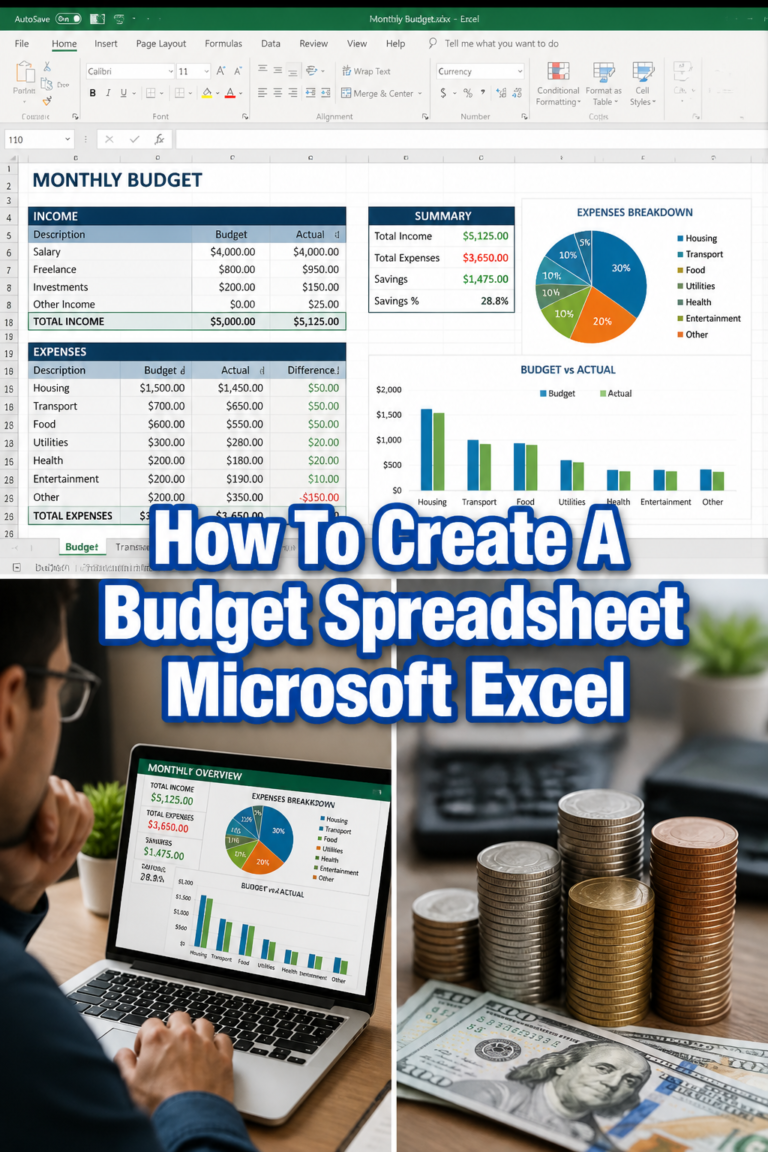
Pro Tip: Use a budgeting app or a simple spreadsheet. Seeing your money flow in and out visually can be incredibly motivating and highlight spending leaks you didn’t even realize existed.
Step 4: Automate Your Savings
Make saving effortless by removing the decision-making process. Automation is a powerful tool for consistency.
- Set up an automatic transfer from your checking account to a dedicated high-yield savings account.
- Schedule this transfer to happen on payday. This way, you “pay yourself first” before you have a chance to spend the money.
- Increase the transfer amount gradually as you find more ways to save or boost your income. Even small increases add up over time.
Step 5: Boost Your Income (Smartly)
While cutting expenses is vital, increasing your income can significantly accelerate your savings timeline.
- Negotiate a raise at your current job. Research industry benchmarks and highlight your accomplishments.
- Explore side hustles. Consider freelancing, dog walking, teaching online, or delivering food. Even a few extra hundred dollars a month makes a difference.
- Sell unused items around your home. Decluttering can earn you cash for your down payment fund.
- Take on extra shifts or overtime if available at your current job.
Step 6: Cut Unnecessary Expenses (Ruthlessly)
This step requires an honest look at your spending habits. Every dollar saved is a dollar closer to homeownership.
- Audit your subscriptions. Do you really use all those streaming services, gym memberships, or app subscriptions? Cancel what you don’t use.
- Reduce discretionary spending. Pack your lunch, make coffee at home, find free entertainment options.
- Shop smarter. Compare prices, use coupons, buy generic brands, and plan your meals to avoid food waste.
- Review your insurance policies. Shop around for better rates on car or renter’s insurance without sacrificing coverage.
Step 7: Optimize Your Savings Accounts
Where you keep your down payment money matters. Make your money work for you.
- Open a dedicated high-yield savings account. These accounts offer significantly higher interest rates than traditional savings accounts.
- Ensure the account is separate from your everyday checking account. This makes it harder to dip into for impulse purchases.
- Avoid investing your down payment in volatile assets like stocks if you plan to buy within 5 years. You don’t want market fluctuations to jeopardize your goal.
Step 8: Tackle Debt Strategically
High-interest debt can be a major drain on your finances, slowing down your down payment savings.
- Prioritize paying off high-interest debt, like credit card balances. The money saved on interest can be redirected to your down payment.
- Consider the snowball or avalanche method for debt repayment. The snowball method focuses on paying off smallest debts first for motivational wins, while avalanche tackles highest interest first to save money.
- Avoid taking on new debt while saving for your down payment. This includes new car loans or unnecessary credit card purchases.
Step 9: Explore Down Payment Assistance Programs
Many programs exist to help first-time homebuyers. Don’t leave money on the table.
- Research state and local housing authorities. They often offer grants or low-interest loans for down payments and closing costs.
- Look into federal programs. FHA loans, VA loans (for veterans), and USDA loans (for rural areas) have specific benefits, including lower down payment requirements.
- Check with your employer or credit union. Some offer homeownership programs or financial literacy resources.
Step 10: Stay Motivated and Track Progress
The journey can be long, but consistent motivation keeps you going. Celebrate your wins along the way.
- Visualize your goal. Keep a picture of your dream home or a motivational quote visible.
- Track your savings progress regularly. Seeing your balance grow is incredibly encouraging.
- Reward yourself for reaching milestones (without dipping into your down payment fund!). A nice meal out or a small splurge can keep spirits high.
- Connect with others on a similar journey. Share tips and encouragement.
Common Mistakes to Avoid
Not Having a Clear Goal
Many people start saving generally but without a specific target. This often leads to a lack of motivation and inconsistent saving.
Instead, clearly define the home price, down payment percentage, and a realistic timeline. This concrete goal gives purpose to every dollar saved.
Ignoring Smaller Expenses
It’s easy to focus on big bills like rent or car payments, but the “latte factor” is real. Small, daily discretionary purchases add up quickly.
Take an honest look at your daily spending habits. Even saving $5-10 a day on small items can add up to hundreds of dollars a month for your down payment.
Not Automating Savings
Relying on willpower alone to transfer money to savings is a common pitfall. Life gets busy, and it’s easy to forget or justify spending that money instead.
Set up automatic transfers from your checking to your dedicated down payment savings account on payday. Make saving the first thing your money does, not the last.
Taking on New Debt
It’s tempting to finance a new car or make large credit card purchases while saving. However, new debt increases your monthly expenses and negatively impacts your debt-to-income ratio, which lenders assess.
Commit to avoiding new debt and focus on reducing existing balances. Every dollar freed from debt payments can be directed towards your homeownership goal.
Troubleshooting
“My income isn’t enough to save a significant amount.”
It can feel discouraging when your current income seems to barely cover expenses. This is a common hurdle for many aspiring homeowners.
First, re-examine your budget for deeper cuts, even temporary ones. Then, focus intensely on increasing your income through a side hustle, negotiating a raise, or taking on extra work. Even small increases, consistently saved, build up over time.
“I keep dipping into my savings for emergencies or unexpected expenses.”
This is a sign you might need a stronger emergency fund. Your down payment savings should ideally be separate from your emergency cash.
Prioritize building a small emergency fund (e.g., $1,000-$2,000) first. Once that’s established, keep your down payment in a separate, less accessible high-yield savings account to prevent accidental spending.
“It feels overwhelming, and I’m losing motivation.”
Saving for a large goal like a down payment can definitely feel like a marathon. It’s normal to feel discouraged at times.
Break your big goal into smaller, monthly or quarterly targets. Celebrate each milestone you hit. Revisit your “why” – picture yourself in your new home. Share your goal with a supportive friend or family member for accountability.
Key Takeaways
- Set a Clear, Specific Goal: Know exactly how much you need and by when to stay motivated.
- Master Your Budget: Understand where your money goes and identify areas for significant savings.
- Automate Your Savings: Make saving consistent and effortless by paying yourself first.
- Boost Income & Cut Expenses: Attack your savings goal from both sides for faster progress.
- Optimize Your Accounts: Use high-yield savings accounts to make your money grow.
- Stay Patient and Persistent: Homeownership is a journey, and every saved dollar brings you closer.
Frequently Asked Questions
How much down payment do I really need?
While 20% is often cited to avoid Private Mortgage Insurance (PMI), many loans allow much less. FHA loans can be as low as 3.5% down, and conventional loans sometimes go down to 3%. The best amount for you depends on your financial comfort and the loan type you qualify for.
Should I save for retirement and a down payment at the same time?
Ideally, yes. It’s important to balance both. Contribute at least enough to your retirement to get any employer match, as that’s essentially free money. Then, allocate remaining savings between your down payment and additional retirement contributions based on your timeline and priorities. Don’t sacrifice your long-term financial health entirely for a short-term goal.
What about closing costs? Are they part of the down payment?
No, closing costs are separate. They are fees paid at the close of a real estate transaction and typically range from 2% to 5% of the loan amount. It’s wise to save an additional fund specifically for these costs, separate from your down payment, to avoid any surprises.
Can I use a gift for a down payment?
Yes, you generally can, but there are rules. Lenders will require a gift letter from the donor stating that the money is a gift and not a loan. The funds must also be “seasoned” (in your account for a certain period) or documented clearly from the donor’s bank account.
Our Top Recommended Finds
- Budgeting App Subscription: Tools like YNAB or Mint help you track spending and visualize your progress effortlessly.
- “The Total Money Makeover” by Dave Ramsey: A classic personal finance book offering a clear, actionable path to financial freedom.
- High-Yield Online Savings Account: Look for FDIC-insured accounts with competitive interest rates to maximize your savings growth.
Your Homeownership Journey Starts Today
Saving for a down payment is a significant financial undertaking, but it’s also one of the most rewarding. It requires discipline, smart choices, and a clear vision.
Every small decision you make, from packing your lunch to automating a transfer, brings you closer to that moment you unlock your own front door.
Don’t wait for the perfect time; start today. Take that first step, whether it’s setting your goal, opening a dedicated savings account, or simply reviewing your expenses. Your future self in your new home will thank you.