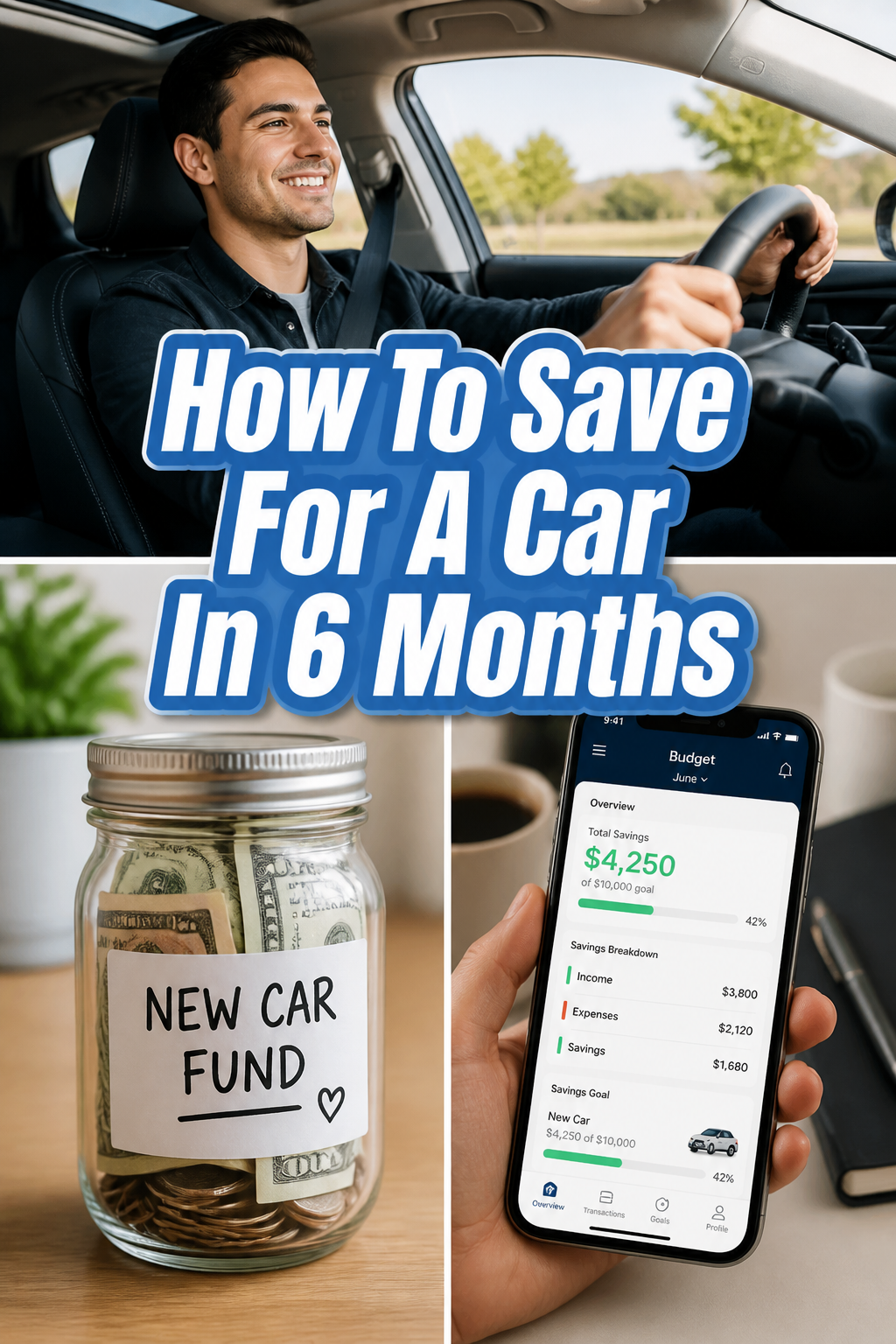
🚗 How To Save For A Car In 6 Months
📚 The Financial Literacy Library
The best investment you can ever make is in your own financial education. These 5 cornerstone books are what millionaires, financial advisors, and wealth-builders universally recommend for completely rewiring how you think about earning, saving, and investing money.
🧠 The Psychology of Money
Doing well with money isn't necessarily about what you know—it's about how you behave. Morgan Housel masterfully breaks down the emotional and psychological biases that secretly dictate our financial decisions, offering a true paradigm shift in how to view wealth.
🏠 Rich Dad Poor Dad
The #1 personal finance book of all time for a reason. This foundational read shatters the myth that you need to earn a high income to be rich, teaching you the critical difference between working for money and making your money work for you via assets.
📈 Atomic Habits
While not strictly a finance book, building wealth is absolutely dependent on the daily habits you cultivate. James Clear provides the definitive framework for breaking bad spending habits and effortlessly automating the good ones that lead to long-term success.
📊 The Simple Path to Wealth
The ultimate antidote to complex, intimidating financial advice. JL Collins provides an incredibly accessible, low-stress roadmap to financial independence through index fund investing, perfectly explaining why simplicity beats Wall Street complexity every time.
💳 I Will Teach You to Be Rich
A tactical, no-BS, 6-week program that actually works. Ramit Sethi teaches you how to crush debt, automate your savings, and negotiate your salary—all while guilt-free spending on the things you truly love. A must-read for modern money management.
Saving for a car in just six months might sound like a huge challenge. I’ve been there, staring at bank statements and wondering how to make it happen. But with the right mindset and a practical plan, it’s absolutely within reach.
This guide will show you exactly how to transform your financial habits and accelerate your savings, turning that dream car into a reality sooner than you think.

Quick Overview
This guide will equip you with actionable steps and a wealth-building mindset to achieve your car savings goal in half a year. You’ll learn to budget effectively, find extra cash, and keep your motivation high.
- Time needed: 6 months of focused effort
- Difficulty: Intermediate (requires discipline and commitment)
- What you’ll need: A clear goal, a budget tracking tool (app or spreadsheet), and a dedicated savings account
Step-by-Step Instructions
Step 1: Define Your Dream Car (and its Real Cost)
Before you can save, you need a target. Research the specific make, model, and year of the car you want. Look at both new and used options.
Remember to consider more than just the sticker price. Factor in sales tax, registration fees, insurance costs, and any immediate maintenance a used car might need. This gives you a true total.
Pro Tip: Don’t forget about down payment requirements if you plan to finance. Aiming for a larger down payment reduces your monthly loan payments and overall interest paid.
Step 2: Calculate Your Monthly Savings Goal
Once you have your total car cost, divide it by six. This gives you the exact amount you need to save each month. Be honest with yourself about this number.
If the monthly goal seems impossible, revisit your dream car. Perhaps a slightly less expensive model or a used car in excellent condition could still meet your needs and be more attainable. Adjust until the monthly goal feels challenging but achievable.
Step 3: Assess Your Current Financial Landscape
It’s time for a financial health check-up. Gather all your income sources, bank statements, and credit card bills from the last three months. This helps you see where your money truly goes.
Many people are surprised by what they find. This honest assessment is the foundation for creating a working budget. Knowing your baseline is crucial for making informed decisions.
Step 4: Create a Practical 6-Month Budget
Now, build a budget that prioritizes your car savings. Use the 50/30/20 rule as a starting point: 50% for needs, 30% for wants, and 20% for savings and debt repayment. You’ll likely need to adjust the savings portion upwards.
List all your fixed expenses (rent, utilities, loan payments). Then, track your variable expenses (groceries, dining out, entertainment). Look for areas where you can trim.
Step 5: Identify and Trim Unnecessary Spending
This is where the real work begins. Review your variable expenses with a critical eye. Can you cut back on daily coffees, subscription services you rarely use, or eating out?
Small cuts add up quickly over six months. Challenge yourself to find at least one expense to eliminate or reduce significantly each week. Think of it as finding “found money” for your car fund.
Pro Tip: Try a “no-spend” challenge for a week or even a month. Only allow yourself to spend on absolute necessities like rent and basic groceries. You’ll be amazed at how much you can save.
Step 6: Boost Your Income Streams
Cutting expenses is one side of the coin; increasing income is the other. Explore ways to earn more money in your spare time. Consider freelancing, dog walking, babysitting, or selling unused items online.
Even a few extra hours a week can make a significant difference. Every additional dollar earned goes straight into your car fund, accelerating your progress. Think creatively about your skills and available time.
Step 7: Automate Your Savings
Make saving effortless by setting up an automatic transfer. Schedule a recurring transfer from your checking account to a separate, dedicated car savings account immediately after you get paid.
Treat this transfer like another bill you have to pay. Out of sight, out of mind means you’re less likely to dip into it. This consistent action builds momentum and discipline.
Step 8: Track Your Progress Relentlessly
Seeing your savings grow is incredibly motivating. Use a spreadsheet, a budgeting app, or even a simple jar to visually track your progress. Update it regularly.
Celebrate milestones along the way. Reaching your first $1,000 or hitting the halfway mark can recharge your motivation. This keeps your goal front and center.
Step 9: Stay Accountable and Motivated
Saving for a big purchase requires sustained motivation. Share your goal with a trusted friend or family member who can offer encouragement and keep you accountable. They can be a great support system.
Remind yourself why you’re doing this. Picture yourself driving your new car. This mental imagery can be a powerful tool to push through challenging moments.
Step 10: Research Financing Options (If Applicable)
Even if you plan to pay cash, it’s wise to understand financing. Research interest rates, loan terms, and pre-approval processes from different lenders. This knowledge empowers you.
Knowing your options helps you make the best decision for your financial situation. You might find that a combination of cash and a small loan works best for you.
Common Mistakes to Avoid
Underestimating the Total Cost
Many people only think about the car’s sticker price. They forget about sales tax, registration fees, insurance, and potential maintenance. This leads to a shortfall when it’s time to buy. Always factor in all associated costs to avoid unpleasant surprises.
No Clear Budget or Tracking System
Trying to save without a detailed budget is like driving without a map. You’ll get lost. Without tracking where your money goes, it’s impossible to identify areas for saving or measure your progress effectively. Commit to a system and stick with it.
Falling for Lifestyle Inflation
As your income grows, it’s easy to increase your spending along with it. This “lifestyle inflation” can derail your savings goals. Resist the urge to upgrade your living standard just because you have more money coming in. Keep your expenses lean.
Losing Motivation Midway
Saving for six months is a marathon, not a sprint. It’s common to feel discouraged, especially if progress seems slow. Without strategies to stay motivated, like tracking progress or having an accountability partner, you might give up before reaching your goal.
Troubleshooting
My Monthly Savings Goal Feels Impossible
If your initial monthly target seems out of reach, don’t despair. First, re-evaluate your desired car. Could a slightly older model, a different trim level, or a smaller vehicle still meet your needs? Adjusting your car choice can significantly reduce the total cost.
Next, intensify your income-boosting efforts. Can you take on more side gigs, work extra hours, or sell more items? A combination of a slightly adjusted goal and increased income often makes the impossible possible.
Unexpected Expenses Keep Derailing My Progress
Life happens, and unexpected costs are a reality. To combat this, build a small emergency buffer into your budget, even while saving for the car. This separate fund can cover minor emergencies without touching your car savings.
When a larger emergency strikes, pause your car savings temporarily to address it. Once resolved, re-commit and adjust your timeline if necessary. Don’t let a setback completely derail your long-term goal.
I’m Losing Motivation to Keep Saving
Motivation naturally ebbs and flows. To reignite it, revisit why you started this journey. Look at pictures of your dream car, imagine yourself driving it, and visualize the freedom it will bring.
Reward yourself with small, non-monetary treats for reaching milestones. Acknowledge your hard work. You might also find renewed energy by connecting with others who are also working towards financial goals.
Key Takeaways
- Specificity is Key: Clearly define your car and its total cost, including all fees, before you start saving.
- Budget with Purpose: Create a detailed budget that prioritizes your car savings and identifies areas to cut spending.
- Boost Income Actively: Seek out additional income streams to accelerate your savings beyond just cutting expenses.
- Automate for Success: Set up automatic transfers to a dedicated savings account to ensure consistent progress.
- Track and Celebrate: Monitor your savings regularly and acknowledge milestones to maintain motivation.
- Stay Resilient: Expect challenges and have strategies in place to overcome setbacks and stay focused on your goal.
Frequently Asked Questions
Is it better to save cash or get a loan for a car?
Saving cash means you avoid interest payments and own the car outright from day one. This saves you money in the long run. A loan can get you the car sooner, but you’ll pay more overall due to interest. Many people aim for a substantial down payment and a smaller loan.
How do I choose the right savings account for my car fund?
Look for a high-yield savings account that offers a better interest rate than a standard checking account. Ensure it’s separate from your everyday banking to avoid accidental spending. Online banks often provide the best rates and easy transfer options.
What if I can’t save the full amount in 6 months?
Don’t view it as a failure. Re-evaluate your timeline, your car choice, or your savings strategy. Perhaps you need 8 months instead of 6, or a slightly less expensive car. The goal is to reach car ownership, not just to hit an arbitrary deadline. Adjust and keep moving forward.
Should I prioritize paying off debt or saving for a car?
This depends on the type of debt. High-interest debt, like credit card debt, should usually be prioritized due to the high costs. If you have lower-interest debt, like a student loan, you might balance saving for a car with making minimum payments, or dedicate a small portion of your extra funds to paying it down faster.
Our Top Recommended Finds
- Budgeting App (e.g., YNAB, Mint): These apps help you track spending, categorize expenses, and visualize your progress towards your car savings goal.
- High-Yield Online Savings Account: A separate account with a good interest rate keeps your car fund growing and prevents you from easily dipping into it.
- “I Saved For My Car” Jar: A physical jar or piggy bank can be a powerful visual reminder and a place to drop spare change, adding up over time.
Your Journey to Car Ownership Starts Today
You now have a clear roadmap to save for your car in just six months. This isn’t just about accumulating money; it’s about building financial discipline and understanding your power to achieve significant goals. Each small decision you make from this moment forward contributes to your success.
Don’t wait for the “perfect” time. Start implementing these steps today. Begin by defining your car, calculating your goal, and taking that first look at your finances. The sooner you start, the faster you’ll be driving towards your dream. What other financial goals could you conquer with this newfound clarity and drive?