💰 100 Days Saving Challenge
📚 The Financial Literacy Library
The best investment you can ever make is in your own financial education. These 5 cornerstone books are what millionaires, financial advisors, and wealth-builders universally recommend for completely rewiring how you think about earning, saving, and investing money.
🧠 The Psychology of Money
Doing well with money isn't necessarily about what you know—it's about how you behave. Morgan Housel masterfully breaks down the emotional and psychological biases that secretly dictate our financial decisions, offering a true paradigm shift in how to view wealth.
🏠 Rich Dad Poor Dad
The #1 personal finance book of all time for a reason. This foundational read shatters the myth that you need to earn a high income to be rich, teaching you the critical difference between working for money and making your money work for you via assets.
📈 Atomic Habits
While not strictly a finance book, building wealth is absolutely dependent on the daily habits you cultivate. James Clear provides the definitive framework for breaking bad spending habits and effortlessly automating the good ones that lead to long-term success.
📊 The Simple Path to Wealth
The ultimate antidote to complex, intimidating financial advice. JL Collins provides an incredibly accessible, low-stress roadmap to financial independence through index fund investing, perfectly explaining why simplicity beats Wall Street complexity every time.
💳 I Will Teach You to Be Rich
A tactical, no-BS, 6-week program that actually works. Ramit Sethi teaches you how to crush debt, automate your savings, and negotiate your salary—all while guilt-free spending on the things you truly love. A must-read for modern money management.
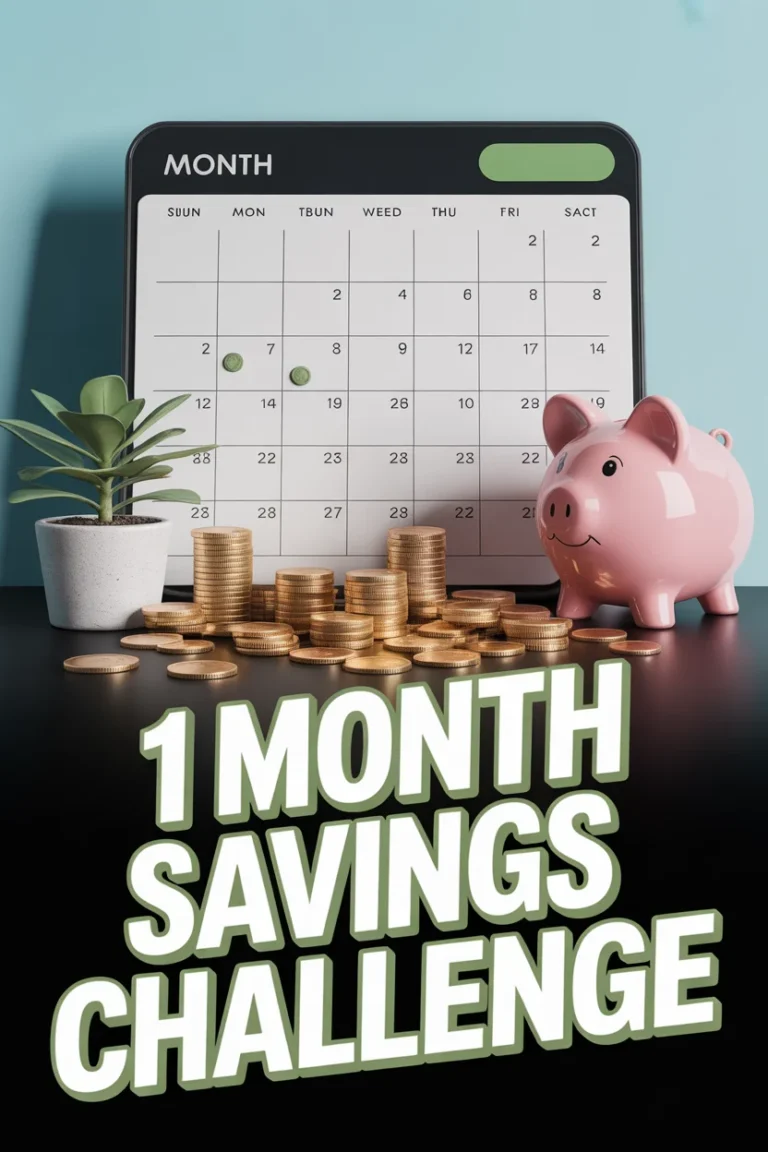
Alright, let’s get real. Your bank account looking a little… parched lately? Mine too, friend. We’ve all been there, staring into the abyss of our online banking app, wondering where all the cash went. Fear not, because I’ve got the lowdown on the 100 Days Saving Challenge – your ticket to a fatter wallet and maybe, just maybe, enough dough for that thing you’ve been eyeing. It’s not about deprivation, it’s about smart moves and a little cheeky strategy. Ready to level up your money game? Let’s dive in.

1. The No-Spend Day Blitz
Think of it as a financial detox. Pick a day (or two, if you’re feeling brave) where absolutely zero non-essential cash leaves your pocket. No lattes, no impulse buys, no “just looking” turned “oops, I bought it.”
This challenge forces you to get creative with what you already have. Your fridge suddenly becomes a treasure trove, and that book you’ve been meaning to read? Now’s its time to shine. Pro tip: plan your no-spend days around your busiest workdays to minimize temptation. You’ll be surprised how much you can save when you’re not even thinking about spending.
2. Coffee Shop Detox
Your daily barista ritual? It’s a lovely habit, but also a stealthy cash drain. This isn’t about ditching caffeine (heaven forbid!), it’s about making it at home. Those fancy oat milk lattes add up faster than you can say “extra shot.”
Invest in some decent beans or a cute travel mug. The savings from just one week will probably cover your new coffee gear, and your bank account will thank you. Plus, you get to skip the queue. Win-win, if you ask me.
3. Meal Prep Masterclass
Ordering takeout feels like a treat until you see the bill. Becoming a meal prep guru means saying goodbye to spontaneous (and expensive) lunch decisions and hello to delicious, homemade goodness.
Dedicate an hour or two on Sunday to chop, cook, and portion. You’ll save a ton, eat healthier, and avoid that hangry “I’ll just order something” moment. Pro tip: choose recipes that use similar ingredients to minimize waste and maximize efficiency.
4. Subscription Audit
Remember that free trial you signed up for six months ago? It’s probably still charging you. Go through all your recurring subscriptions – streaming services, apps, obscure monthly boxes – and cancel anything you don’t actively use or love.
It’s like finding forgotten money in your couch cushions, but better because it keeps coming back. You’d be shocked how many “little” fees add up to a significant chunk of change each month. Be ruthless; your wallet will appreciate it.
5. The Round-Up Rule
This one’s almost too easy. Many banking apps offer a feature where they round up your purchases to the nearest dollar and transfer the difference into a savings account. It’s micro-saving at its finest.
You barely notice the small amounts leaving your checking account, but those pennies turn into dollars, and those dollars turn into a nice little nest egg. It’s like magic, but it’s just smart automation. Set it and forget it, my friend.
6. DIY Everything (Almost)
Before you outsource, ask yourself: Can I do this myself? From basic home repairs to beauty treatments, there’s a YouTube tutorial for almost everything. Your nails need a refresh? Grab some polish. Your apartment needs a quick fix? Consult the internet.
This isn’t about becoming a master craftsperson overnight, but about embracing a little self-sufficiency. You save money, learn a new skill, and get that satisfying feeling of accomplishment. Plus, no awkward small talk at the salon.
7. Sell Your Stuff
Your closet is probably overflowing with clothes you haven’t worn since high school, and that dusty gadget in the corner? Someone else wants it. Decluttering isn’t just good for your mental health; it’s a fantastic way to earn some quick cash.
Hit up apps like Depop, Poshmark, or Facebook Marketplace. Be honest about condition, take good photos, and price competitively. You’re not just saving; you’re making money from things you no longer need. It’s a win-win for everyone.
8. The “Found Money” Fund
Any unexpected cash that comes your way – a rebate, a small bonus, a birthday gift – goes straight into savings. No detours, no “just this once” treats. This money was never factored into your budget, so it’s pure bonus.
It’s like a secret stash that grows without you feeling the pinch. This strategy trains your brain to see windfalls as savings opportunities, not spending sprees. Imagine the joy of watching that fund grow from unexpected sources.
9. Public Transport Power-Up
If you typically drive, consider swapping some of your car trips for public transport, walking, or cycling. Fuel, parking, and maintenance costs add up ridiculously fast. Your car is a money pit, let’s be honest.
Not only will you save on transport costs, but you might also sneak in some extra steps or finally finish that podcast. It’s a greener, cheaper, and often less stressful way to get around. Give your car a break, and your wallet will thank you.
10. Energy Vampire Hunt
Your electronics are secretly sucking power (and money) even when they’re off. We’re talking about those phantom loads from chargers, TVs, and gaming consoles plugged in 24/7. They’re basically tiny energy vampires.
Unplug devices when not in use or invest in smart power strips. It’s a small change that can make a noticeable difference on your utility bill over time. Plus, it feels good to outsmart those sneaky energy guzzlers.
11. Generic Brand Glow-Up
Stop being a brand snob. Seriously. For many everyday items – from groceries to cleaning supplies to over-the-counter meds – the store brand or generic version is just as good, if not identical, to the name brand. You’re often paying for the packaging and marketing.
Give generics a try. You’ll be pleasantly surprised by the quality and even more delighted by the savings. Your taste buds (and your budget) probably won’t even notice the difference. It’s time for a budget-friendly glow-up.
12. The Envelope System Reboot
Go old school with your cash. Allocate specific amounts of cash into labeled envelopes for categories like groceries, entertainment, and personal care. When an envelope is empty, that’s it for the week or month in that category.
This visual and tactile method makes you hyper-aware of your spending. It’s a fantastic way to curb overspending because once the cash is gone, it’s gone. No swiping, no regrets, just good old-fashioned budgeting discipline.
13. Future Self Incentive
Set a specific, exciting goal for your savings. Whether it’s a weekend getaway, a new gadget, or just a really nice dinner, having something tangible to look forward to makes saving less of a chore and more of a mission.
Picture your future self enjoying that reward. This emotional connection to your goal is a powerful motivator. Keep a photo or reminder of your goal somewhere visible to keep you on track. You’re not just saving; you’re investing in your happiness.
💼 The Money Management Toolkit
Knowledge is power, but proper execution requires the right tools. Getting your financial life organized doesn't have to be overwhelming. These 5 physical management tools are exactly what successful households use to budget, track cash, and secure their most important assets.
📝 Clever Fox Budget Planner & Bill Organizer
The ultimate analog command center for your finances. Sometimes keeping your budget in an app just doesn't stick. Physically writing down your goals, tracking expenses, and planning for debt payoff creates a level of accountability that digital spreadsheets simply can't match.
💵 A6 Leather Cash Stuffing Binder
The viral tool that made the cash-envelope budgeting system popular again. By allocating actual physical cash to designated envelopes (groceries, dining out, fun money), you physically cap your spending, making it virtually impossible to overdraft or overspend.
🔥 Fireproof & Waterproof Document Safe
A critical piece of financial security that many families overlook. Protecting your passports, birth certificates, property deeds, and estate planning documents from disaster is just as important as protecting the money in your bank account.
🏷️ Brother P-Touch Digital Label Maker
The unsung hero of a functional home office. When tax season rolls around or you need to find an important receipt, having perfectly labeled and categorized filing cabinets or accordion folders saves hours of frustrating searches and potential late fees.
🔒 SentrySafe Compact Fireproof Lock Box
For the physical assets that need extra heavy-duty protection—think emergency cash reserves, hard drives with Bitcoin cold wallets, or physical precious metals. This compact, locking safe provides peace of mind that your physical wealth is secure at home.
Conclusion
So there you have it, thirteen ways to tackle the 100 Days Saving Challenge and get your money situation looking a whole lot healthier. Remember, it’s not about perfection, it’s about progress. Pick a few ideas, get started, and watch your bank account grow. You’ve got this, future millionaire. Now go forth and save some serious coin!