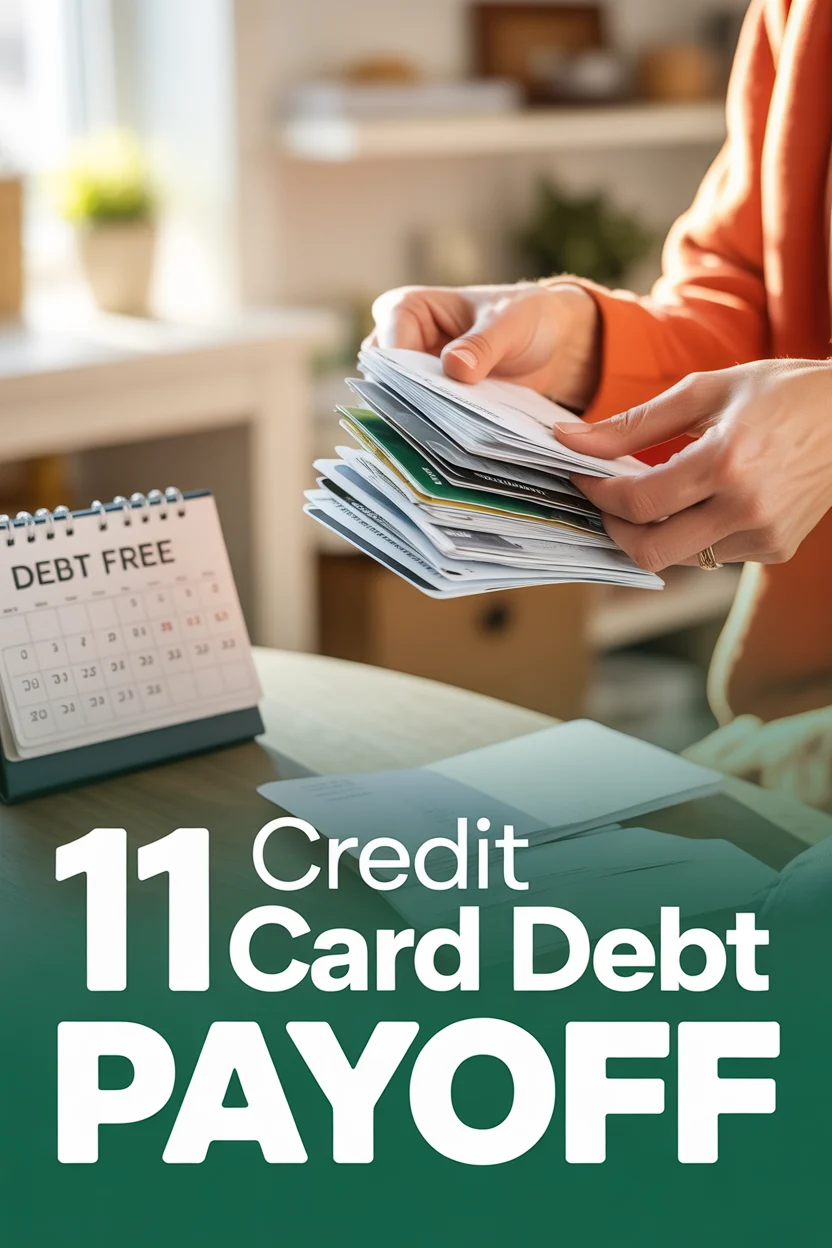
💸 11 Credit Card Debt Payoff
📚 The Financial Literacy Library
The best investment you can ever make is in your own financial education. These 5 cornerstone books are what millionaires, financial advisors, and wealth-builders universally recommend for completely rewiring how you think about earning, saving, and investing money.
🧠 The Psychology of Money
Doing well with money isn't necessarily about what you know—it's about how you behave. Morgan Housel masterfully breaks down the emotional and psychological biases that secretly dictate our financial decisions, offering a true paradigm shift in how to view wealth.
🏠 Rich Dad Poor Dad
The #1 personal finance book of all time for a reason. This foundational read shatters the myth that you need to earn a high income to be rich, teaching you the critical difference between working for money and making your money work for you via assets.
📈 Atomic Habits
While not strictly a finance book, building wealth is absolutely dependent on the daily habits you cultivate. James Clear provides the definitive framework for breaking bad spending habits and effortlessly automating the good ones that lead to long-term success.
📊 The Simple Path to Wealth
The ultimate antidote to complex, intimidating financial advice. JL Collins provides an incredibly accessible, low-stress roadmap to financial independence through index fund investing, perfectly explaining why simplicity beats Wall Street complexity every time.
💳 I Will Teach You to Be Rich
A tactical, no-BS, 6-week program that actually works. Ramit Sethi teaches you how to crush debt, automate your savings, and negotiate your salary—all while guilt-free spending on the things you truly love. A must-read for modern money management.
Hey, friend! Let’s talk about that lingering credit card debt. It’s like that one friend who crashes on your couch and never leaves, except this friend charges you interest. Annoying, right? But don’t sweat it. We’re about to evict that unwelcome guest with some seriously slick moves. Get ready to reclaim your financial freedom and maybe even buy that avocado toast without a side of guilt.
1. Budget Like a Boss
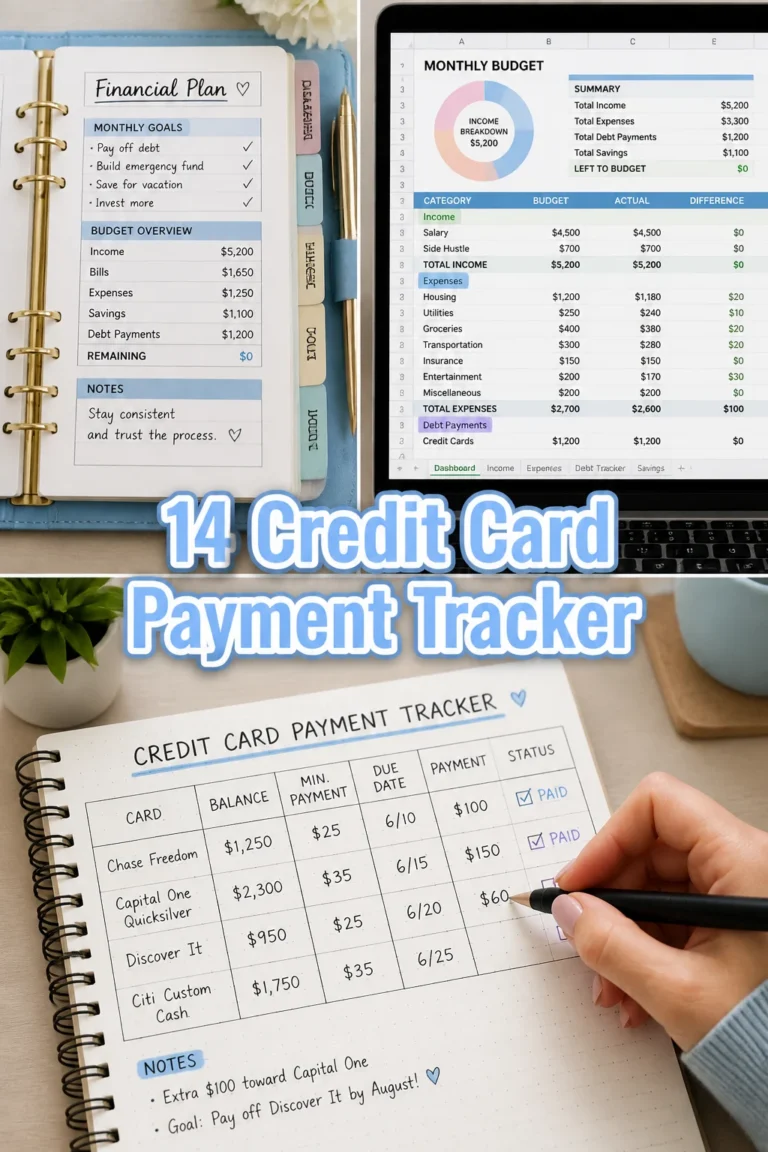
First things first, you need to know where your money is actually going. It’s not just disappearing into the ether; trust me, I’ve checked. Create a budget that tracks every single dollar coming in and flying out. Think of it as giving your money a GPS.
Pro tip: Use an app or a simple spreadsheet. Seeing your spending habits in black and white (or colorful charts) is a real eye-opener. You might realize those daily lattes are actually a small fortune.
Knowing your numbers gives you the power to redirect funds straight to your debt, making this step non-negotiable for serious payoff.
2. Embrace the Debt Snowball
This method is all about momentum and quick wins. List your debts from smallest balance to largest, ignoring interest rates for a moment. Pay the minimum on everything except the smallest one, and throw every extra penny you have at that tiny debt.
Once the smallest debt is gone (cue confetti), take the money you were paying on it and add it to the payment for the next smallest debt. It builds like a snowball, gaining size and speed. This works because the psychological boost of paying off a debt keeps you motivated.
3. Unleash the Debt Avalanche
For the financially savvy and interest-rate-averse, the avalanche is your jam. List your debts from highest interest rate to lowest. Pay the minimum on everything except the debt with the highest interest rate, and attack that one with everything you’ve got.
Once that high-interest monster is tamed, move on to the next highest. This method saves you the most money on interest in the long run. It’s less about the emotional win and more about the cold, hard cash saved.
4. Balance Transfer Magic
Got good credit? You might qualify for a balance transfer card with a 0% introductory APR for a set period, often 12-18 months. This is basically a cheat code to pause interest on your debt.
Transfer your high-interest balances to the new card. Just make sure you can pay off a significant chunk, or even all of it, before the promotional period ends and those brutal interest rates kick in. Read the fine print for any transfer fees; they can sometimes be 3-5% of the transferred amount.
This gives you a crucial window to make serious progress without interest eating away at your payments.
5. Side Hustle Power-Up
Your regular job is great, but a side hustle is like giving your debt a super-powered punch. Think dog walking, freelancing, selling crafts, or even teaching a skill online. Every extra dollar earned goes straight to that debt.
It doesn’t have to be a full-time gig; even a few hours a week can make a huge difference. Imagine what an extra $200 a month could do for your payoff timeline. It’s about finding creative ways to boost your income specifically for debt obliteration.
6. Negotiate Interest Rates
Seriously, just call them. Your credit card company wants to keep you as a customer, especially if you’ve been responsible (even with some debt). Call their customer service line and politely ask if they can lower your interest rate.
Mention you’re trying to pay down your balance and exploring other options. You might be surprised. Even a few percentage points off can save you a significant amount over time. It’s a quick call that could lead to big savings, so what have you got to lose?
7. Automate Payments
Remove the “oops, I forgot” factor from your life. Set up automatic payments for at least the minimum amount on all your credit cards. Better yet, automate a higher payment if your budget allows.
This ensures you never miss a payment, avoiding late fees and protecting your credit score. Plus, it’s one less thing to think about, freeing up mental space for more important things, like what to binge-watch next. Set it and forget it, mostly.
8. Cut the Plastic
Once you’ve got a solid plan, literally cut up any credit cards you’re not actively using or trying to pay down. Out of sight, out of mind, right? This prevents impulse spending and adding new debt to your plate.
You can still keep the accounts open to benefit your credit history, but having the physical card gone makes it harder to use them for non-essential purchases. It’s a bold move, but sometimes you need that physical break to reset your habits.
9. Sell Unused Stuff
Your closet, garage, and attic are probably hiding a treasure trove of cash. That designer bag you never use, the old gaming console, those books you’ve read a dozen times. List them on online marketplaces or host a good old-fashioned garage sale.
Every item sold is a direct infusion of cash into your debt payoff fund. It’s a win-win: declutter your space and accelerate your journey to financial freedom. Plus, someone else gets to enjoy your pre-loved items.
10. Meal Prep for Savings
Eating out is a sneaky budget killer. Those daily lunches or frequent takeout dinners add up faster than you can say “extra guacamole.” Embrace the art of meal prepping.
Plan your meals for the week, buy groceries in bulk, and cook at home. You’ll be amazed at how much money you save, which can then be rerouted to your credit card debt. Your wallet and your waistline will thank you. It’s a simple lifestyle tweak with massive financial impact.
11. Reward Yourself (Responsibly)
Paying off debt is a marathon, not a sprint, and you deserve a little motivation. Set small, non-monetary rewards for hitting milestones. Paid off your smallest card? Treat yourself to a movie night at home or a long bubble bath.
The key here is “non-monetary” or very low-cost rewards. Don’t go celebrating paying off a $500 debt by racking up another $500 on a shopping spree. These small celebrations keep your spirits high and remind you why you’re doing all this hard work.
💼 The Money Management Toolkit
Knowledge is power, but proper execution requires the right tools. Getting your financial life organized doesn't have to be overwhelming. These 5 physical management tools are exactly what successful households use to budget, track cash, and secure their most important assets.
📝 Clever Fox Budget Planner & Bill Organizer
The ultimate analog command center for your finances. Sometimes keeping your budget in an app just doesn't stick. Physically writing down your goals, tracking expenses, and planning for debt payoff creates a level of accountability that digital spreadsheets simply can't match.
💵 A6 Leather Cash Stuffing Binder
The viral tool that made the cash-envelope budgeting system popular again. By allocating actual physical cash to designated envelopes (groceries, dining out, fun money), you physically cap your spending, making it virtually impossible to overdraft or overspend.
🔥 Fireproof & Waterproof Document Safe
A critical piece of financial security that many families overlook. Protecting your passports, birth certificates, property deeds, and estate planning documents from disaster is just as important as protecting the money in your bank account.
🏷️ Brother P-Touch Digital Label Maker
The unsung hero of a functional home office. When tax season rolls around or you need to find an important receipt, having perfectly labeled and categorized filing cabinets or accordion folders saves hours of frustrating searches and potential late fees.
🔒 SentrySafe Compact Fireproof Lock Box
For the physical assets that need extra heavy-duty protection—think emergency cash reserves, hard drives with Bitcoin cold wallets, or physical precious metals. This compact, locking safe provides peace of mind that your physical wealth is secure at home.
Conclusion
So, there you have it. Kicking credit card debt to the curb isn’t some mythical quest; it’s totally doable with a solid plan and a dash of determination. Think of yourself as the hero of your own financial saga. By tackling these steps, you’re not just paying off debt; you’re building healthier habits and reclaiming your peace of mind. Go forth and conquer, you magnificent money-manager, you!