💳 10 Credit Card Front And Back
📚 The Financial Literacy Library
The best investment you can ever make is in your own financial education. These 5 cornerstone books are what millionaires, financial advisors, and wealth-builders universally recommend for completely rewiring how you think about earning, saving, and investing money.
🧠 The Psychology of Money
Doing well with money isn't necessarily about what you know—it's about how you behave. Morgan Housel masterfully breaks down the emotional and psychological biases that secretly dictate our financial decisions, offering a true paradigm shift in how to view wealth.
🏠 Rich Dad Poor Dad
The #1 personal finance book of all time for a reason. This foundational read shatters the myth that you need to earn a high income to be rich, teaching you the critical difference between working for money and making your money work for you via assets.
📈 Atomic Habits
While not strictly a finance book, building wealth is absolutely dependent on the daily habits you cultivate. James Clear provides the definitive framework for breaking bad spending habits and effortlessly automating the good ones that lead to long-term success.
📊 The Simple Path to Wealth
The ultimate antidote to complex, intimidating financial advice. JL Collins provides an incredibly accessible, low-stress roadmap to financial independence through index fund investing, perfectly explaining why simplicity beats Wall Street complexity every time.
💳 I Will Teach You to Be Rich
A tactical, no-BS, 6-week program that actually works. Ramit Sethi teaches you how to crush debt, automate your savings, and negotiate your salary—all while guilt-free spending on the things you truly love. A must-read for modern money management.
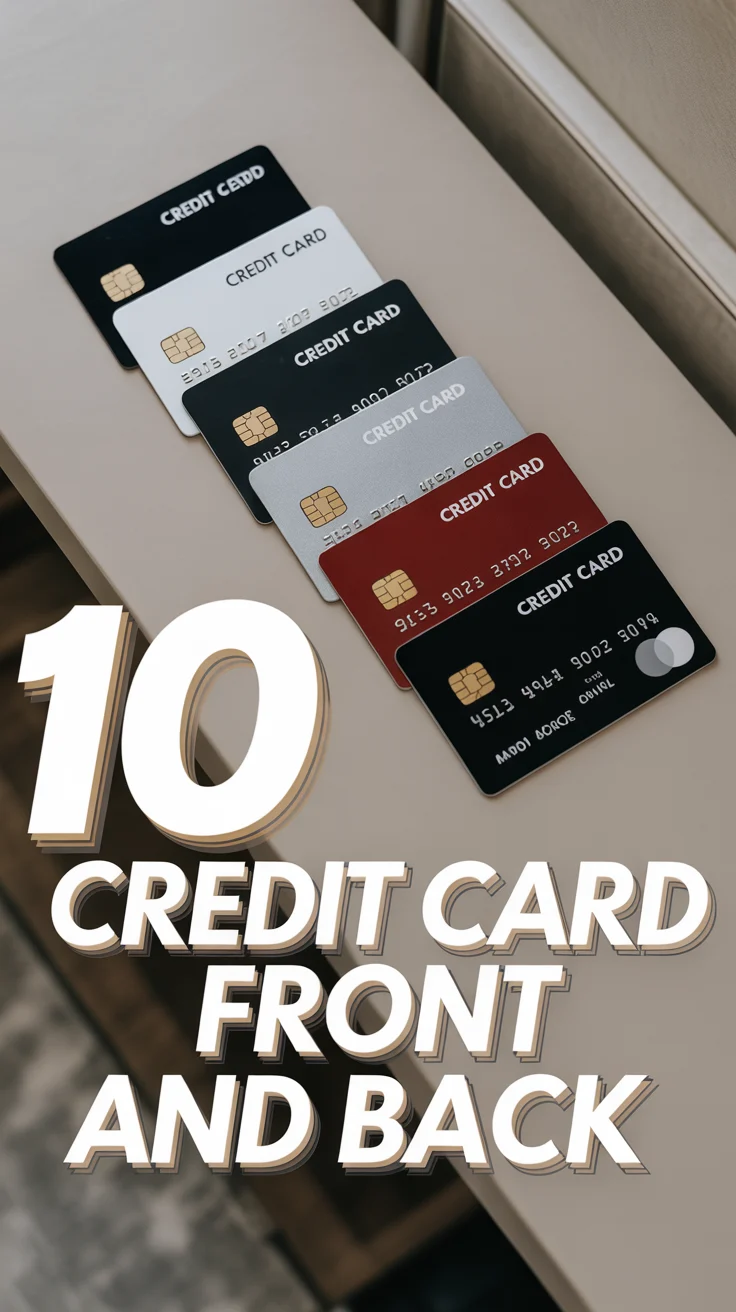
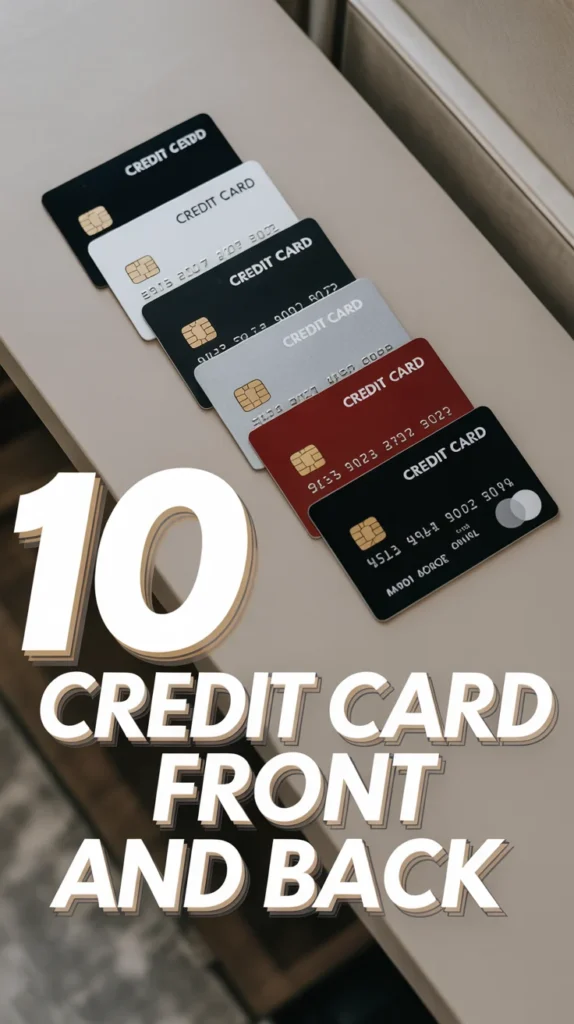
Hey gorgeous, ever wondered what’s really going on with that plastic fantastic in your wallet? Beyond just swiping, your credit card’s front and back are basically a secret handshake with the financial world. Let’s peel back the layers, shall we? It’s more interesting than you think, promise. Knowing these bits and bobs makes you feel like a financial wizard, or at least someone who totally gets it.
1. The Card Number
The big kahuna, your card’s main identifier. This 16-digit sequence isn’t just random; it’s a structured code that tells the world who issued your card and that it’s uniquely yours. It’s what makes your card, well, your card.
Pro tip: Don’t memorize it, that’s just asking for trouble. Keep it safe and only use it on secure sites. It’s your digital fingerprint in the financial realm.
2. The Expiration Date
Ticking time bomb or gentle reminder? This little gem, usually formatted as MM/YY, tells merchants exactly when your card retires. It’s a security measure, ensuring your card data stays current and reduces the risk of old, compromised cards floating around.
Pro tip: Don’t wait until the last minute to update subscriptions. Your favorite streaming service won’t wait for a fresh card, trust us. It ensures your card data stays current.
3. Your Name
Proof you’re the boss. Your name, often embossed or printed, confirms you’re the authorized cardholder. It’s a simple yet effective way to prevent unauthorized use, especially for in-person transactions where IDs might be checked.
Pro tip: Make sure it’s spelled correctly when you apply. A misspelled name is a headache nobody needs when trying to prove ownership. It personalizes your financial power.
4. The Chip (EMV)
The tiny brain of your card. This metallic square is a microprocessor that encrypts transaction data, making it super secure against skimming and cloning. It’s why we “dip” our cards now instead of just swiping.
Pro tip: Insert and leave it until prompted to remove. Patience is a virtue, especially at the checkout, and it ensures the transaction is fully processed securely. A modern marvel for secure spending.
5. The Bank Logo
Who’s got your back? This prominent logo identifies the issuing bank or financial institution. It’s a little branding moment for your money people, letting everyone know which institution supports your spending habits.
Pro tip: Know your bank. Seriously, it’s their customer service number you’ll be calling if things go sideways. It’s your bank’s stylish signature.
6. The Magnetic Stripe
The old-school charmer. That black stripe on the back is still used in some places, particularly for older terminals or in regions where EMV technology hasn’t fully rolled out. It holds basic card information, acting as a fallback for transactions.
Pro tip: Keep it away from magnets. You don’t want to demagnetize your ability to buy that much-needed latte. A legacy feature, still kicking.
7. The CVV/CVC/CID
The secret code. This 3 or 4-digit security code, usually on the back, verifies you have the physical card in your possession during online or phone transactions. It’s a critical layer of defense against fraud.
Pro tip: Never share it with anyone who calls or emails you. Seriously, if someone asks for this, run. It’s your ultimate fraud defense.
8. The Signature Panel
Your personal autograph. That white strip on the back is there for your signature. While sometimes overlooked, signing your card is a security measure. It provides a means of verification, however rarely checked it might be.
Pro tip: Sign it right when you get it. A blank signature panel is like an open invitation for trouble, just waiting for someone else’s scribble. A simple yet effective security step.
9. The Contactless Symbol
Tap and go magic. This Wi-Fi-like symbol means your card supports NFC (Near Field Communication), allowing you to tap to pay. It’s fast, convenient, and often just as secure as chip transactions.
Pro tip: Hold it close, but don’t rub it on the reader like a genie lamp. A simple tap is all it needs. Instant gratification, securely.
10. Customer Service Number
Your emergency lifeline. Usually printed on the back, this is the number to call when things go sideways. Lost card, fraud alert, or just a burning question, it’s your direct line to help.
Pro tip: Add it to your phone contacts. Future you will thank you when you’re panicking because your card went missing. Peace of mind, right there on the card.
💼 The Money Management Toolkit
Knowledge is power, but proper execution requires the right tools. Getting your financial life organized doesn't have to be overwhelming. These 5 physical management tools are exactly what successful households use to budget, track cash, and secure their most important assets.
📝 Clever Fox Budget Planner & Bill Organizer
The ultimate analog command center for your finances. Sometimes keeping your budget in an app just doesn't stick. Physically writing down your goals, tracking expenses, and planning for debt payoff creates a level of accountability that digital spreadsheets simply can't match.
💵 A6 Leather Cash Stuffing Binder
The viral tool that made the cash-envelope budgeting system popular again. By allocating actual physical cash to designated envelopes (groceries, dining out, fun money), you physically cap your spending, making it virtually impossible to overdraft or overspend.
🔥 Fireproof & Waterproof Document Safe
A critical piece of financial security that many families overlook. Protecting your passports, birth certificates, property deeds, and estate planning documents from disaster is just as important as protecting the money in your bank account.
🏷️ Brother P-Touch Digital Label Maker
The unsung hero of a functional home office. When tax season rolls around or you need to find an important receipt, having perfectly labeled and categorized filing cabinets or accordion folders saves hours of frustrating searches and potential late fees.
🔒 SentrySafe Compact Fireproof Lock Box
For the physical assets that need extra heavy-duty protection—think emergency cash reserves, hard drives with Bitcoin cold wallets, or physical precious metals. This compact, locking safe provides peace of mind that your physical wealth is secure at home.
Conclusion
So there you have it, folks! Your credit card isn’t just a pretty piece of plastic; it’s a mini vault of essential info, packed with security features and convenience hacks. Knowing what’s what on your card means you’re not just swiping, you’re owning your financial game. Go forth and conquer, responsibly, of course!