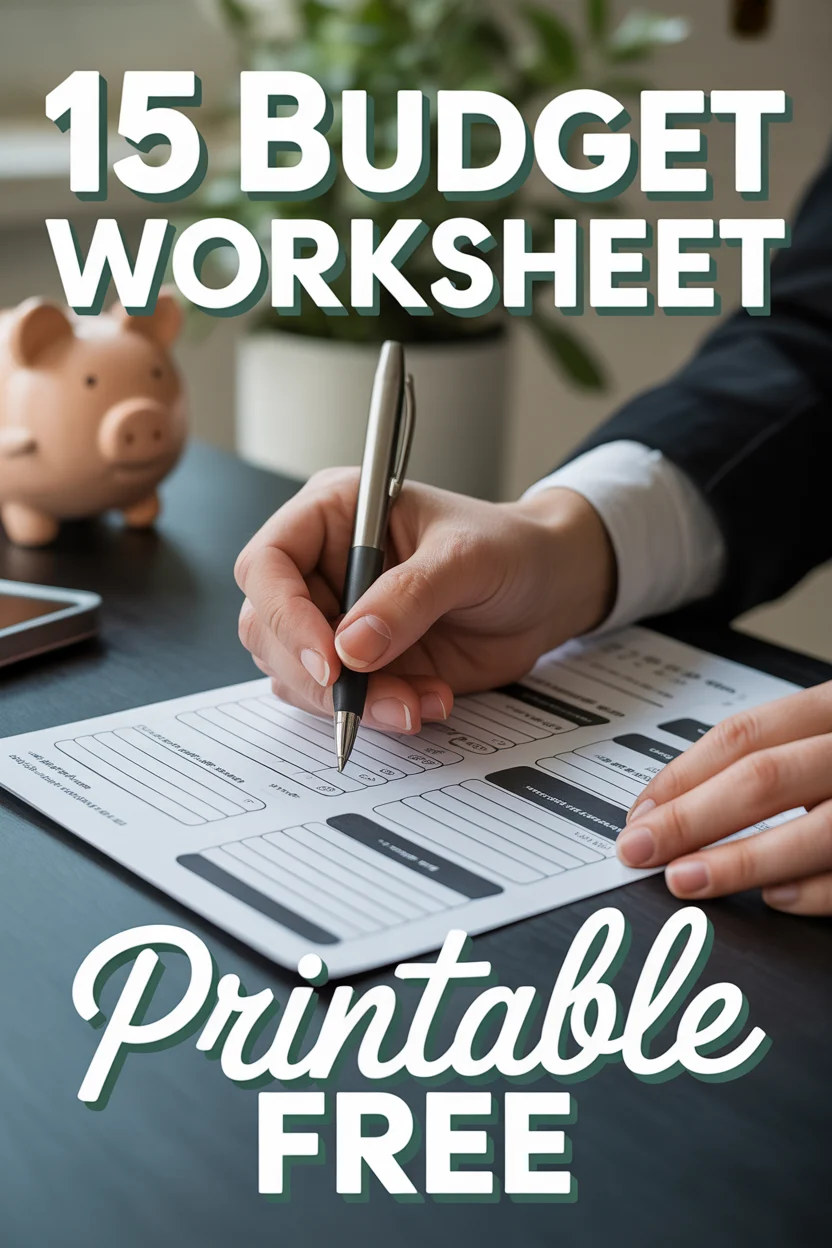
💸 15 Budget Worksheet Printable Free
📚 The Financial Literacy Library
The best investment you can ever make is in your own financial education. These 5 cornerstone books are what millionaires, financial advisors, and wealth-builders universally recommend for completely rewiring how you think about earning, saving, and investing money.
🧠 The Psychology of Money
Doing well with money isn't necessarily about what you know—it's about how you behave. Morgan Housel masterfully breaks down the emotional and psychological biases that secretly dictate our financial decisions, offering a true paradigm shift in how to view wealth.
🏠 Rich Dad Poor Dad
The #1 personal finance book of all time for a reason. This foundational read shatters the myth that you need to earn a high income to be rich, teaching you the critical difference between working for money and making your money work for you via assets.
📈 Atomic Habits
While not strictly a finance book, building wealth is absolutely dependent on the daily habits you cultivate. James Clear provides the definitive framework for breaking bad spending habits and effortlessly automating the good ones that lead to long-term success.
📊 The Simple Path to Wealth
The ultimate antidote to complex, intimidating financial advice. JL Collins provides an incredibly accessible, low-stress roadmap to financial independence through index fund investing, perfectly explaining why simplicity beats Wall Street complexity every time.
💳 I Will Teach You to Be Rich
A tactical, no-BS, 6-week program that actually works. Ramit Sethi teaches you how to crush debt, automate your savings, and negotiate your salary—all while guilt-free spending on the things you truly love. A must-read for modern money management.
Okay, real talk time. Adulting is, like, 90% pretending you know what you’re doing and 10% panicking about your bank account. We’ve all been there, staring blankly at our statements, wondering where all our hard-earned cash evaporated to. Don’t worry, your financial fairy godparent (me, obviously) is here to sprinkle some budgeting magic. Getting your money ducks in a row doesn’t have to feel like pulling teeth, especially when you’ve got some sweet, sweet printables on your side. Let’s get savvy, shall we?
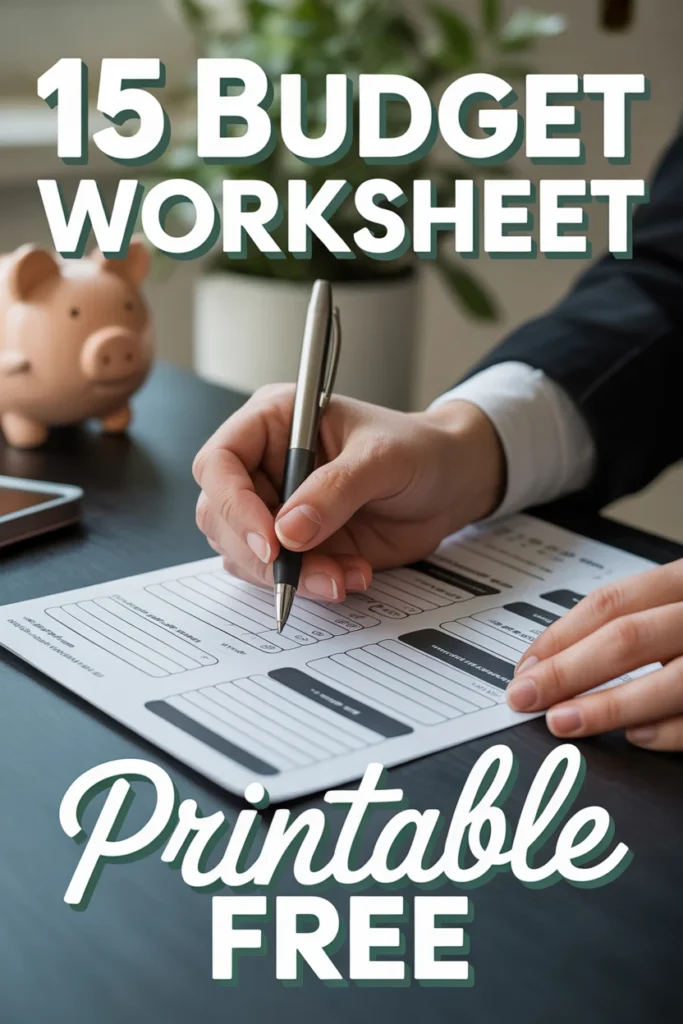
1. The Classic Monthly Budget
The OG of money management. This one’s your bread and butter, tracking income versus expenses for a whole month. It’s perfect for seeing the big picture of your spending habits and spotting those sneaky subscriptions. Try color-coding categories to instantly visualize where your cash is really going. You might be surprised by your avocado toast habit. It gives you a clear, actionable overview to start making smarter choices.
2. Weekly Spending Tracker
For the detail-oriented (or those who need to be). If a whole month feels like too much commitment, break it down! A weekly tracker helps you stay on top of daily outgoings, great for catching those “just a little treat” purchases before they become a monster. Keep it in your wallet or on your phone for quick entry right after you buy something. Out of sight, out of mind is exactly what we’re trying to avoid here. Small, consistent check-ins prevent budget blowouts.
3. Zero-Based Budget Worksheet
Every dollar has a job. No slackers allowed. This method ensures every single dollar of your income is assigned a purpose—whether it’s spending, saving, or debt repayment. It’s like a financial boot camp for your cash. Don’t forget to “pay yourself first” by allocating money to savings right at the top. Future you will send a thank you card. It maximizes every penny, leaving no room for financial mystery.
4. Savings Goal Tracker
Dream big, save bigger. Got a vacation, new gadget, or emergency fund on your mind? This printable helps you visualize your progress towards specific savings goals. It’s super motivating to watch those bars fill up. Break down large goals into smaller, more manageable chunks. Saving $50 a week feels way less daunting than $200 a month sometimes. It turns abstract goals into concrete, achievable steps.
5. Debt Payoff Planner
Kick that debt to the curb. If you’re wrestling with credit card bills or loans, this worksheet maps out your strategy. Whether you’re using the snowball or avalanche method, it keeps you focused on becoming debt-free. Celebrate small victories along the way! Paid off one card? Treat yourself to a (budget-friendly) coffee. It provides a clear roadmap to financial freedom and reduces stress.
6. Irregular Income Budget
For the freelancers and gig-economy gurus. When your income isn’t a steady stream, budgeting can feel like a guessing game. This printable helps you plan for fluctuating earnings, focusing on essentials first and then allocating extra when it rolls in. Try to build a buffer fund during high-income months to smooth over the lean times. Future you will high-five past you. It brings stability and predictability to an unpredictable income stream.
7. Sinking Funds Tracker
Prepare for those inevitable (but often forgotten) expenses. Think car repairs, holiday gifts, or annual subscriptions. Sinking funds are mini-savings accounts for specific, upcoming expenses. This tracker helps you stash away cash bit by bit, avoiding last-minute panic. Set up automated transfers to these funds if your bank allows. Out of sight, out of wallet. It eliminates financial surprises and stress when big bills hit.
8. Expense Categories Checklist
What even are all my expenses? Sometimes the hardest part is just knowing what to track. This printable offers a comprehensive list of common expense categories, so you don’t miss anything important (like that random streaming service you forgot about). Personalize it! Add categories unique to your lifestyle, like “late-night snack runs” or “therapy for my plant collection.” It ensures you capture all your spending for a truly accurate budget.
9. No-Spend Challenge Tracker
Press the reset button on your spending. Ready to go cold turkey? A no-spend challenge helps you identify wants versus needs and dramatically cut back for a set period. This tracker keeps you accountable and motivated. Pick a realistic timeframe (a weekend, a week, a month) and notify your friends so they don’t tempt you with brunch invites. It reveals spending triggers and boosts your savings game fast.
10. Bill Payment Organizer
Never miss a payment again (and dodge those late fees). This simple yet mighty sheet helps you list all your recurring bills, their due dates, and payment status. It’s your personal assistant for keeping everything paid on time. Mark off each bill as it’s paid. The satisfaction is real. It keeps your credit score happy and your wallet heavier by avoiding unnecessary fees.
11. Budget by Paycheck
For those who live paycheck to paycheck (and want to stop). Instead of a full monthly budget, this method focuses on allocating funds from each individual paycheck. It’s great for shorter cycles and helps you manage money more immediately. Plan for two paychecks ahead if possible, to give yourself a little buffer. It provides immediate control and clarity over your current funds.
12. Variable vs. Fixed Expenses
Know what you can actually control. This printable helps you differentiate between your fixed costs (rent, car payment) and your variable costs (groceries, entertainment). It’s a game-changer for finding areas to trim. Focus your cost-cutting efforts on the variable expenses first, as they’re usually the easiest to adjust. It empowers you to identify and reduce discretionary spending effectively.
13. Annual Financial Overview
See your year at a glance (without the financial headache). While monthly is good, an annual overview helps you spot trends, plan for big yearly expenses, and assess your overall financial health over a longer period. It’s like a financial report card. Review this annually to set new goals and reflect on progress. Don’t be too hard on yourself; it’s a marathon, not a sprint. It provides long-term perspective and helps with future planning.
14. Wants vs. Needs List
The ultimate reality check for your shopping cart. This simple but powerful exercise forces you to categorize your spending into “absolute needs” (shelter, food) and “wants” (that third coffee maker). It’s incredibly eye-opening. Before any non-essential purchase, ask yourself: “Is this a want or a need?” Be brutally honest. It sharpens your decision-making skills and curbs impulse buying.
15. Financial Goals & Vision Board
Make your money dreams a visual reality. Beyond just numbers, this printable encourages you to write down and visualize your financial aspirations. It’s less about tracking and more about motivation and manifesting. Put it somewhere you’ll see it every day to keep those goals top of mind. Your fridge, your bathroom mirror, your pet’s forehead (maybe not that last one). It keeps you inspired and reminds you why you’re budgeting in the first place.
💼 The Money Management Toolkit
Knowledge is power, but proper execution requires the right tools. Getting your financial life organized doesn't have to be overwhelming. These 5 physical management tools are exactly what successful households use to budget, track cash, and secure their most important assets.
📝 Clever Fox Budget Planner & Bill Organizer
The ultimate analog command center for your finances. Sometimes keeping your budget in an app just doesn't stick. Physically writing down your goals, tracking expenses, and planning for debt payoff creates a level of accountability that digital spreadsheets simply can't match.
💵 A6 Leather Cash Stuffing Binder
The viral tool that made the cash-envelope budgeting system popular again. By allocating actual physical cash to designated envelopes (groceries, dining out, fun money), you physically cap your spending, making it virtually impossible to overdraft or overspend.
🔥 Fireproof & Waterproof Document Safe
A critical piece of financial security that many families overlook. Protecting your passports, birth certificates, property deeds, and estate planning documents from disaster is just as important as protecting the money in your bank account.
🏷️ Brother P-Touch Digital Label Maker
The unsung hero of a functional home office. When tax season rolls around or you need to find an important receipt, having perfectly labeled and categorized filing cabinets or accordion folders saves hours of frustrating searches and potential late fees.
🔒 SentrySafe Compact Fireproof Lock Box
For the physical assets that need extra heavy-duty protection—think emergency cash reserves, hard drives with Bitcoin cold wallets, or physical precious metals. This compact, locking safe provides peace of mind that your physical wealth is secure at home.
Conclusion
Phew! That’s a whole lot of financial firepower, right? Remember, budgeting isn’t about deprivation; it’s about empowerment. It’s about taking the reins, telling your money where to go instead of wondering where it went. Grab one (or five!) of these Budget Worksheet Printable Free options, give ’em a whirl, and watch your financial stress shrink faster than your phone battery on a road trip. You’ve got this, savvy spender!