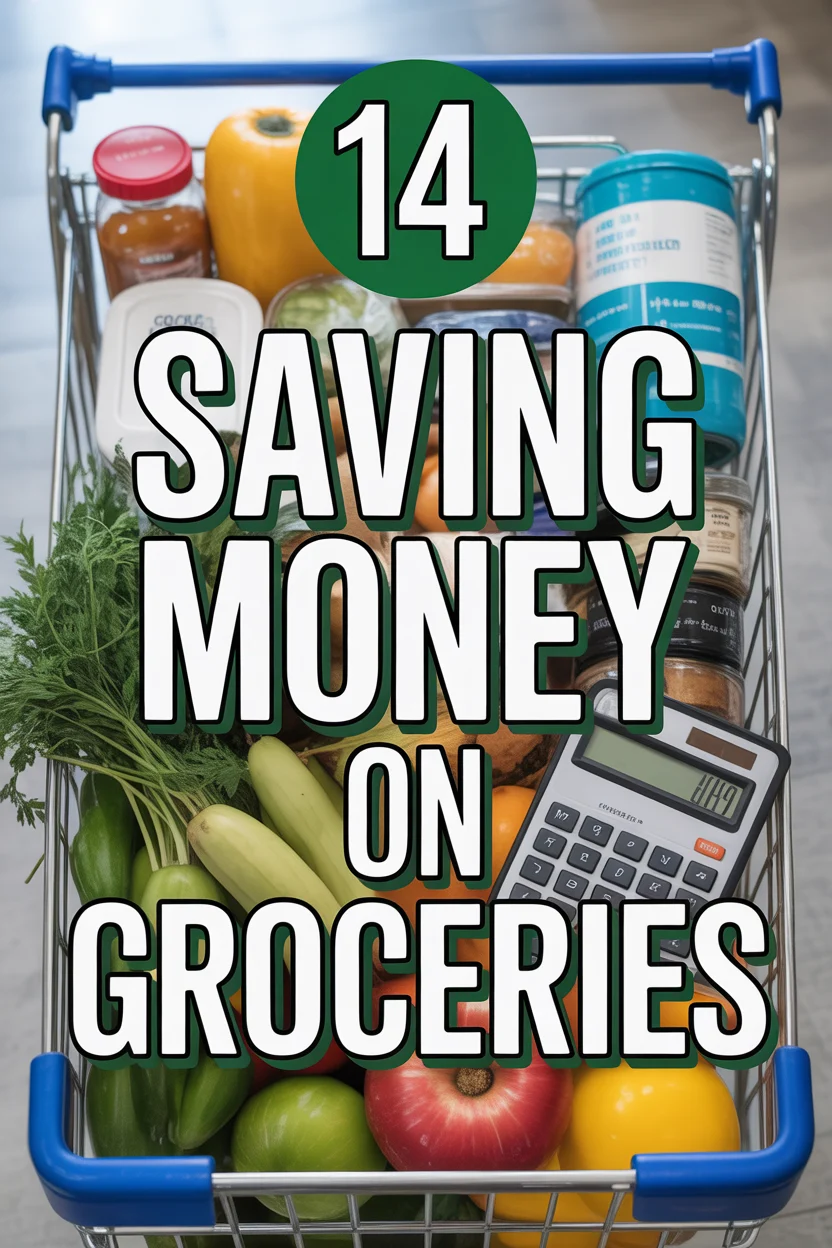
🛒 14 Saving Money On Groceries
📚 The Financial Literacy Library
The best investment you can ever make is in your own financial education. These 5 cornerstone books are what millionaires, financial advisors, and wealth-builders universally recommend for completely rewiring how you think about earning, saving, and investing money.
🧠 The Psychology of Money
Doing well with money isn't necessarily about what you know—it's about how you behave. Morgan Housel masterfully breaks down the emotional and psychological biases that secretly dictate our financial decisions, offering a true paradigm shift in how to view wealth.
🏠 Rich Dad Poor Dad
The #1 personal finance book of all time for a reason. This foundational read shatters the myth that you need to earn a high income to be rich, teaching you the critical difference between working for money and making your money work for you via assets.
📈 Atomic Habits
While not strictly a finance book, building wealth is absolutely dependent on the daily habits you cultivate. James Clear provides the definitive framework for breaking bad spending habits and effortlessly automating the good ones that lead to long-term success.
📊 The Simple Path to Wealth
The ultimate antidote to complex, intimidating financial advice. JL Collins provides an incredibly accessible, low-stress roadmap to financial independence through index fund investing, perfectly explaining why simplicity beats Wall Street complexity every time.
💳 I Will Teach You to Be Rich
A tactical, no-BS, 6-week program that actually works. Ramit Sethi teaches you how to crush debt, automate your savings, and negotiate your salary—all while guilt-free spending on the things you truly love. A must-read for modern money management.
Okay, real talk. Grocery bills are getting wild, right? It feels like every time you blink, your cart total somehow doubles. We get it, nobody wants to subsist solely on ramen noodles and regret. But what if we told you there are some seriously savvy moves you can make to slash that bill without sacrificing flavor or, you know, actual food? It’s totally possible to eat well, save cash, and still feel like a culinary genius. Let’s dive into the good stuff.
1. Meal Plan Like a Boss
Seriously, this is your secret weapon. Before you even think about stepping foot in the store, map out your meals for the week. This stops those “what’s for dinner” panic buys and ensures you only grab what you actually need. You avoid food waste and impulse purchases like a pro.
Pro tip: Always check your fridge and pantry first to see what ingredients you already have. Build your plan around those to use them up and save extra cash. This strategy makes sure nothing goes bad unheard of in your crisper drawer.
2. Befriend Your Freezer
Your freezer is not just for ice cubes and forgotten leftovers. It’s a goldmine! Buy meat, produce, or even bread when it’s on a deep discount, then portion and freeze it. Future you will thank present you for that foresight.
Pro tip: Label everything with the date. Seriously, do it. You think you’ll remember what that mystery package is, but you won’t. Freezing extends shelf life and prevents perfectly good food from hitting the bin.
3. Shop Your Pantry First
Before you even make a list, do a full inventory of your kitchen. You probably have more hidden gems than you realize. This move alone can inspire new meals and prevent you from buying duplicates of things you already own.
Pro tip: Organize your pantry so you can easily see what you have. No more buying five cans of diced tomatoes when you have three hiding in the back. This simple step cuts down on unnecessary spending big time.
4. Make a List and Stick To It
This sounds obvious, but it’s crucial. Create a detailed shopping list based on your meal plan and pantry audit. Then, when you’re at the store, channel your inner laser focus and only buy items on that list.
Pro tip: Do not, under any circumstances, shop hungry. Your stomach will convince your brain that you absolutely need that giant bag of gourmet cheese puffs. A full belly makes for a smarter shopper.
5. Embrace Generic Brands
Store brands have seriously stepped up their game. Often, they’re made in the same factories as their name-brand counterparts but cost significantly less. Give them a shot; you might be surprised by the quality.
Pro tip: For staples like flour, sugar, canned goods, and even some cereals, generics are almost always a win. Your taste buds probably won’t know the difference, but your wallet certainly will.
6. Learn the Unit Price Game
Forget the big price tag; look at the unit price (price per ounce, per pound, etc.). This little number tells you the true cost-effectiveness of an item, regardless of package size. Sometimes the “bigger deal” isn’t actually a deal.
Pro tip: Don’t assume bulk is always cheaper. Always compare unit prices to see if that giant tub of yogurt is actually a better value than two smaller ones. Knowledge is power, especially in the grocery aisle.
7. Go Meatless (Sometimes)
Meat can be one of the priciest items on your grocery list. Incorporating a few meatless meals each week can significantly reduce your bill. Think hearty lentil stews, bean tacos, or veggie stir-fries.
Pro tip: Legumes like beans and lentils are incredibly versatile, packed with protein, and super budget-friendly. They make fantastic, filling meals that won’t break the bank and are great for your health too.
8. Shop the Perimeter
Most grocery stores are designed with the freshest, least processed foods around the outer edges: produce, dairy, meat, and seafood. The inner aisles are often where you find more processed, higher-margin items.
Pro tip: Stick to the perimeter for the bulk of your shopping list to prioritize fresh ingredients. You’ll naturally gravitate towards healthier, often cheaper, whole foods. This strategy helps keep your cart clean and lean.
9. Ditch Pre-Cut Everything
Pre-chopped veggies, pre-marinated meats, and other convenience items come with a hefty markup. A few minutes of prep work at home can save you a surprising amount of money.
Pro tip: Invest in a good knife and some basic cutting skills. Chopping your own onions and bell peppers takes minimal effort and keeps more cash in your pocket. You pay extra for someone else’s knife work.
10. Use Loyalty Programs and Coupons
Sign up for your favorite grocery store’s loyalty program. They often offer exclusive discounts, personalized coupons, and fuel points. Every little bit adds up, so don’t leave free savings on the table.
Pro tip: Only use coupons for items you were already planning to buy. Don’t let a “deal” trick you into purchasing something you don’t need. Smart couponing saves, impulse couponing costs.
11. Buy Seasonal Produce
When fruits and vegetables are in season, they are more abundant, taste better, and are almost always cheaper. Out-of-season produce often travels further and costs more to import.
Pro tip: Check out local farmers’ markets for seasonal produce. You often get fresher goods directly from the source at competitive prices. Plus, it’s a nice way to support local growers.
12. Cook More At Home
This seems obvious, but it’s the ultimate money-saving hack. Eating out, even fast casual, adds up incredibly fast. Cooking at home gives you full control over ingredients and cost.
Pro tip: Make cooking a fun activity, not a chore. Put on some music, pour a drink, and enjoy the process. Your wallet will be thicker, and your meals will be healthier and tastier than any takeout.
13. Batch Cook Like a Legend
Dedicate a few hours on a weekend to cook large quantities of staples like grains, roasted veggies, or a big pot of chili. Portion them out for quick meals throughout the week or freeze for later.
Pro tip: Think about versatile components you can mix and match. A big batch of quinoa can become a side dish, a salad base, or part of a veggie burger. This saves time and prevents you from ordering in.
14. Avoid Shopping Hungry
We already mentioned this, but it bears repeating because it’s the biggest trap. Your stomach’s rumbling will override all rational thought, leading you to fill your cart with expensive, often unhealthy, impulse buys.
Pro tip: Grab a healthy snack before you head to the store. A piece of fruit, some nuts, or a yogurt can make all the difference in keeping your grocery bill in check. A fed shopper is a smart shopper.
💼 The Money Management Toolkit
Knowledge is power, but proper execution requires the right tools. Getting your financial life organized doesn't have to be overwhelming. These 5 physical management tools are exactly what successful households use to budget, track cash, and secure their most important assets.
📝 Clever Fox Budget Planner & Bill Organizer
The ultimate analog command center for your finances. Sometimes keeping your budget in an app just doesn't stick. Physically writing down your goals, tracking expenses, and planning for debt payoff creates a level of accountability that digital spreadsheets simply can't match.
💵 A6 Leather Cash Stuffing Binder
The viral tool that made the cash-envelope budgeting system popular again. By allocating actual physical cash to designated envelopes (groceries, dining out, fun money), you physically cap your spending, making it virtually impossible to overdraft or overspend.
🔥 Fireproof & Waterproof Document Safe
A critical piece of financial security that many families overlook. Protecting your passports, birth certificates, property deeds, and estate planning documents from disaster is just as important as protecting the money in your bank account.
🏷️ Brother P-Touch Digital Label Maker
The unsung hero of a functional home office. When tax season rolls around or you need to find an important receipt, having perfectly labeled and categorized filing cabinets or accordion folders saves hours of frustrating searches and potential late fees.
🔒 SentrySafe Compact Fireproof Lock Box
For the physical assets that need extra heavy-duty protection—think emergency cash reserves, hard drives with Bitcoin cold wallets, or physical precious metals. This compact, locking safe provides peace of mind that your physical wealth is secure at home.
Conclusion
See? Saving money on groceries doesn’t mean eating sad, bland food. It’s all about being a little smarter, a little more strategic, and maybe a tiny bit cheeky with your planning. By adopting these habits, you’ll not only see your grocery bill shrink but also discover new ways to enjoy cooking and eating at home. Your wallet (and your taste buds) will thank you for it!