💰 How To Get A Loan With Poor Credit
📚 The Financial Literacy Library
The best investment you can ever make is in your own financial education. These 5 cornerstone books are what millionaires, financial advisors, and wealth-builders universally recommend for completely rewiring how you think about earning, saving, and investing money.
🧠 The Psychology of Money
Doing well with money isn't necessarily about what you know—it's about how you behave. Morgan Housel masterfully breaks down the emotional and psychological biases that secretly dictate our financial decisions, offering a true paradigm shift in how to view wealth.
🏠 Rich Dad Poor Dad
The #1 personal finance book of all time for a reason. This foundational read shatters the myth that you need to earn a high income to be rich, teaching you the critical difference between working for money and making your money work for you via assets.
📈 Atomic Habits
While not strictly a finance book, building wealth is absolutely dependent on the daily habits you cultivate. James Clear provides the definitive framework for breaking bad spending habits and effortlessly automating the good ones that lead to long-term success.
📊 The Simple Path to Wealth
The ultimate antidote to complex, intimidating financial advice. JL Collins provides an incredibly accessible, low-stress roadmap to financial independence through index fund investing, perfectly explaining why simplicity beats Wall Street complexity every time.
💳 I Will Teach You to Be Rich
A tactical, no-BS, 6-week program that actually works. Ramit Sethi teaches you how to crush debt, automate your savings, and negotiate your salary—all while guilt-free spending on the things you truly love. A must-read for modern money management.
Life throws curveballs, and sometimes those curveballs come with a price tag you weren’t expecting. We’ve all been there, staring at an unexpected bill or a sudden need for funds, only to realize our credit score isn’t exactly a VIP pass to easy money.
I remember a time when my car broke down, and my credit score felt like a brick wall between me and the repair shop. It was frustrating and a little scary.
But here’s the good news: getting a loan with poor credit isn’t impossible, and more importantly, it’s a powerful opportunity to rebuild your financial foundation. This guide will show you how to navigate those waters, not just to secure a loan, but to build a stronger financial future.

Quick Overview
This guide will equip you with practical strategies to secure a loan even when your credit history isn’t perfect. You’ll learn how to prepare, where to look, and how to use this experience to boost your financial health long-term.
- Time needed: 2-4 weeks for preparation, 1-2 days for application
- Difficulty: Intermediate
- What you’ll need: Proof of income, identification, a detailed budget, and a commitment to improving your finances
Step-by-Step Instructions
Step 1: Understand Your Credit Score and Report
Your credit score isn’t just a number; it’s a snapshot of your financial reliability. Before you apply for any loan, you need to know exactly where you stand. This means getting a copy of your credit report.
You can get a free copy of your credit report from each of the three major bureaus (Equifax, Experian, and TransUnion) once every 12 months. Visit AnnualCreditReport.com to access them. Reviewing these reports is your first crucial step.
Look for any errors or inaccuracies. Sometimes, a simple mistake like an incorrect address or an account that isn’t yours can drag your score down. Disputing these errors can lead to a quick credit score boost.
Understanding the factors that influence your score – payment history, credit utilization, length of credit history, new credit, and credit mix – will empower you. It helps you identify areas for immediate improvement.
Pro Tip: Don’t just glance at the score. Read through every account listed on your report. Make sure everything is accurate and that no fraudulent accounts exist. This vigilance can save you headaches and improve your score.
Step 2: Create a Realistic and Tight Budget
Lenders want to see that you can manage your money, even with a lower credit score. A well-structured budget proves your ability to repay a loan. This isn’t just about showing lenders; it’s about setting yourself up for success.
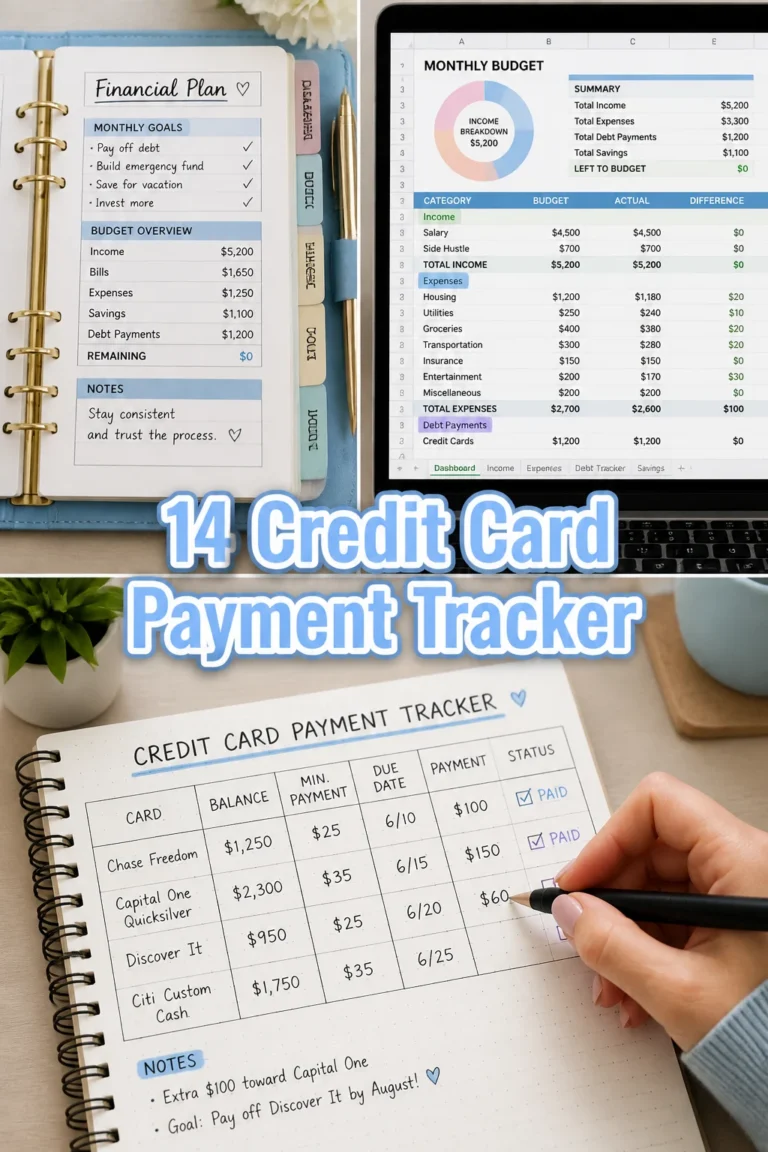
Start by tracking every dollar you earn and every dollar you spend for at least a month. Use a spreadsheet, an app, or even a pen and paper. Categorize your expenses into fixed costs (rent, car payment) and variable costs (groceries, entertainment).
Identify areas where you can cut back. Even small savings add up over time. Think about reducing subscriptions, eating out less, or finding cheaper alternatives for daily necessities.
Your budget should clearly show how much disposable income you have each month after all essential expenses are covered. This surplus is what you can realistically allocate towards loan payments.
Step 3: Build an Emergency Fund, No Matter How Small
Even if you need a loan now, starting an emergency fund is critical. It shows financial discipline and provides a safety net, reducing the likelihood of needing another loan in the future. Lenders appreciate this foresight.
Begin by setting aside even $10 or $20 a week. The goal isn’t to accumulate a massive sum overnight, but to establish the habit of saving. Every little bit truly helps.
This fund acts as your personal buffer against unexpected expenses. If your car breaks down again, having even a few hundred dollars can prevent you from falling deeper into debt or needing another high-interest loan.
Think of it as self-insurance. It’s a foundational step towards financial stability and a key part of showing lenders you’re serious about managing your money responsibly.
Step 4: Explore Different Loan Options for Poor Credit
Not all loans are created equal, especially when your credit isn’t stellar. It’s crucial to understand the types of loans available and which might be the best fit for your situation. Avoid predatory lenders at all costs.
Secured Loans: These loans require collateral, like your car or savings account. Because there’s less risk for the lender, they are often easier to qualify for with poor credit and usually come with lower interest rates.
Unsecured Loans: Personal loans are unsecured, meaning they don’t require collateral. They are harder to get with poor credit and typically carry higher interest rates. Lenders will focus heavily on your income and ability to repay.
Credit-Builder Loans: These are designed specifically to help you improve your credit. The loan amount is held in a savings account while you make payments. Once paid off, you get the money, and your positive payment history is reported to credit bureaus.
Co-signed Loans: If you have a trusted friend or family member with good credit who is willing to co-sign, this can significantly improve your chances. Their credit history acts as a guarantee, but remember, they are equally responsible for the debt.
Pro Tip: Be wary of “no credit check” loans, especially payday loans or car title loans. While they are easy to get, their exorbitant interest rates and fees can trap you in a cycle of debt. They are a last resort, if ever.
Step 5: Improve Your Debt-to-Income Ratio
Your debt-to-income (DTI) ratio is another key metric lenders examine. It’s the percentage of your gross monthly income that goes towards debt payments. A lower DTI indicates you have more money available to cover new loan payments.
To calculate your DTI, add up all your monthly debt payments (credit cards, existing loans, rent/mortgage) and divide that by your gross monthly income. Multiply by 100 to get a percentage. Lenders generally prefer a DTI below 36%.
To improve your DTI, focus on two main strategies: increasing your income or decreasing your debt. Look for ways to earn extra money, like a side hustle or selling unused items.
Simultaneously, make a concerted effort to pay down existing debts, especially those with high interest rates. Even small extra payments can make a big difference over time.
Step 6: Gather All Necessary Documents
Once you’ve identified potential lenders and loan types, prepare your application materials thoroughly. Being organized and ready shows responsibility and can speed up the approval process.
You’ll typically need proof of identity (driver’s license, passport), proof of income (pay stubs, tax returns, bank statements), and proof of residence (utility bill). Some lenders might also ask for bank statements to review your spending habits.
Have these documents scanned and ready to upload or print. A clear, complete application minimizes back-and-forth with the lender and reduces delays.
Double-check every piece of information for accuracy before submission. Errors can lead to rejection or further delays.
Step 7: Apply Strategically and Compare Offers
Don’t apply to every lender you find. Each application can result in a hard inquiry on your credit report, which can temporarily lower your score. Be selective and strategic.
Start by pre-qualifying with lenders who offer this option. Pre-qualification involves a soft credit pull, which doesn’t affect your score. It gives you an idea of what rates and terms you might qualify for.
Compare loan offers carefully. Look beyond the interest rate. Consider the annual percentage rate (APR), which includes fees, the loan term, and any prepayment penalties. A longer term might mean lower monthly payments, but you’ll pay more interest overall.
Choose the offer that best fits your budget and financial goals. Remember, the goal is not just to get a loan, but to get a loan you can comfortably repay and use to improve your credit.
Step 8: Make Payments On Time, Every Time
This is the most critical step for rebuilding your credit. Once you secure a loan, your primary focus must be making every payment on time. Payment history is the biggest factor in your credit score.
Set up automatic payments from your checking account to avoid missing due dates. If that’s not possible, mark your calendar or set reminders on your phone. Consistency is key.
If you foresee a problem making a payment, contact your lender immediately. They might be able to work with you on a temporary solution. Ignoring the issue will only make it worse.
Each on-time payment is a brick in the foundation of your improved credit score. It demonstrates financial responsibility to future lenders and opens doors to better financial opportunities.
Common Mistakes to Avoid
Applying for Too Many Loans at Once
It’s tempting to cast a wide net when you’re in need, but applying for multiple loans simultaneously can actually hurt your credit score. Each application typically results in a hard inquiry, which can lower your score temporarily. Instead, use pre-qualification options to compare offers without impacting your credit. Be strategic in your applications.
Ignoring Your Budget After Getting the Loan
Securing a loan isn’t the finish line; it’s a new starting line. Many people get approved and then relax their budgeting efforts, leading to missed payments or further financial strain. Maintain your strict budget, integrate the new loan payment into it, and continue saving. Your budget is your financial roadmap, keep following it.
Not Understanding the Loan Terms
Signing a loan agreement without fully understanding the interest rate, fees, repayment schedule, and any penalties is a common pitfall. Some loans, especially those for poor credit, can have hidden costs or unfavorable terms. Always read the fine print, ask questions, and ensure you’re comfortable with every aspect of the agreement before committing.
Falling for “Guaranteed Approval” Scams
Be extremely cautious of lenders promising “guaranteed approval” regardless of your credit score. These are often predatory lenders who charge exorbitant interest rates and fees, or they might be outright scams. Legitimate lenders always perform some form of credit assessment. If it sounds too good to be true, it almost certainly is.
Troubleshooting
My Credit Report Has Errors
If you find mistakes on your credit report, don’t panic. You have the right to dispute inaccurate information with both the credit bureau and the information provider (e.g., the bank or creditor). Gather all supporting documents and submit your dispute in writing. The credit bureau has 30-45 days to investigate and correct the error. This can significantly improve your score.
I Can’t Afford the Monthly Payments
If you’re struggling to make your loan payments, the worst thing you can do is ignore it. Contact your lender immediately to explain your situation. Many lenders prefer to work with you to find a solution, such as deferring a payment or adjusting the payment plan, rather than dealing with a default. Proactive communication is key.
I Keep Getting Denied for Loans
If your loan applications are consistently rejected, it’s a sign that you need to take a step back and strengthen your financial profile further. Revisit your credit report for more issues, work on reducing your DTI, and focus on building a larger emergency fund. Consider starting with a credit-builder loan or a secured credit card to establish a positive payment history before applying for a larger loan.
Key Takeaways
- Knowledge is Power: Thoroughly understand your credit score and report before seeking any loan.
- Budgeting is Non-Negotiable: Create and stick to a realistic budget to prove repayment ability and manage your money effectively.
- Save for Stability: Build an emergency fund, even a small one, to prevent future financial crises and demonstrate financial discipline.
- Choose Wisely: Explore different loan types for poor credit and compare offers carefully, avoiding predatory lenders.
- Pay Diligently: Make every loan payment on time to rebuild your credit history and open doors to better financial opportunities.
- Think Long-Term: Use this loan as a stepping stone to improve your overall financial health, not just a quick fix.
Frequently Asked Questions
Can I get a loan without a credit check?
While some lenders advertise “no credit check” loans, these often come with extremely high interest rates and fees, like payday loans or car title loans. They are generally not recommended as they can lead to a cycle of debt. Focus on options that allow for a soft credit pull initially to protect your score.
How long does it take to improve my credit score?
Improving your credit score takes time and consistent positive financial behavior. You can often see noticeable improvements within 6-12 months of making on-time payments, reducing debt, and correcting errors. Major improvements can take several years, but every positive action contributes.
What’s the difference between a secured and unsecured loan?
A secured loan requires collateral (like a car or savings account), which reduces risk for the lender and can make it easier to qualify with poor credit, often with lower interest rates. An unsecured loan has no collateral, making it riskier for the lender and typically harder to get with poor credit, usually with higher interest rates.
Should I use a co-signer?
A co-signer with good credit can significantly improve your chances of approval and help you secure better loan terms. However, it’s a big responsibility for the co-signer, as they become equally responsible for the debt if you can’t pay. Only consider this option with someone you trust deeply and with a clear understanding of the risks involved for both parties.
Our Top Recommended Finds
- Budgeting App (e.g., YNAB, Mint): These apps help you track spending, categorize expenses, and visualize your financial health, making budgeting much easier and more engaging.
- Credit Monitoring Service: Services like Credit Karma or Experian offer free credit monitoring, helping you keep an eye on your score and alerts for any suspicious activity.
- Financial Literacy Books: Reading materials on personal finance can equip you with the knowledge and mindset needed to make smart money decisions and build wealth long-term.
Your Financial Comeback Starts Today!
Taking control of your finances when your credit isn’t perfect feels like a daunting task, but it’s absolutely within your reach. This guide isn’t just about getting a loan; it’s about empowering you to make smart choices that build lasting financial health.
Remember, every step you take, no matter how small, contributes to your financial freedom. Start with understanding your credit, build that budget, and commit to consistent, positive actions.
Don’t let past financial struggles define your future. This is your moment to turn things around, to build a stronger financial foundation, and to unlock a future where you’re in control. Take action on these steps today and watch your financial picture transform.