🏡 How To Save Money To Build A House
📚 The Financial Literacy Library
The best investment you can ever make is in your own financial education. These 5 cornerstone books are what millionaires, financial advisors, and wealth-builders universally recommend for completely rewiring how you think about earning, saving, and investing money.
🧠 The Psychology of Money
Doing well with money isn't necessarily about what you know—it's about how you behave. Morgan Housel masterfully breaks down the emotional and psychological biases that secretly dictate our financial decisions, offering a true paradigm shift in how to view wealth.
🏠 Rich Dad Poor Dad
The #1 personal finance book of all time for a reason. This foundational read shatters the myth that you need to earn a high income to be rich, teaching you the critical difference between working for money and making your money work for you via assets.
📈 Atomic Habits
While not strictly a finance book, building wealth is absolutely dependent on the daily habits you cultivate. James Clear provides the definitive framework for breaking bad spending habits and effortlessly automating the good ones that lead to long-term success.
📊 The Simple Path to Wealth
The ultimate antidote to complex, intimidating financial advice. JL Collins provides an incredibly accessible, low-stress roadmap to financial independence through index fund investing, perfectly explaining why simplicity beats Wall Street complexity every time.
💳 I Will Teach You to Be Rich
A tactical, no-BS, 6-week program that actually works. Ramit Sethi teaches you how to crush debt, automate your savings, and negotiate your salary—all while guilt-free spending on the things you truly love. A must-read for modern money management.
Saving enough money for a house, especially to build one from scratch, might seem like a giant mountain to climb. I’ve seen friends navigate this journey, learning firsthand that it’s more about smart, consistent steps than a single leap. This guide will help you create your own financial blueprint for that dream home.
We’ll break down the big goal into manageable actions. You’ll find practical ways to boost your savings and make your money work harder for you. Get ready to turn your vision of a custom home into a real, tangible plan.

Quick Overview
This guide will equip you with strategies to save effectively, manage your finances, and stay motivated on your path to building a home. You’ll learn to identify saving opportunities and build financial resilience.
- Time needed: Ongoing commitment; initial setup 1-2 weeks
- Difficulty: Intermediate
- What you’ll need: A clear vision, budgeting tools, discipline, and patience
Step-by-Step Instructions
Step 1: Define Your Vision and Cost
Before you save, you need a target. Research what it costs to build in your desired area. This includes land, construction, permits, and utility hookups.
Research land prices and local builder estimates. Talk to general contractors for realistic figures.
Factor in all potential costs, not just the build itself. Think about landscaping, driveways, and appliances.
Pro Tip: Add a 15-20% buffer to your total estimated cost for unexpected expenses. Construction projects almost always have surprises.
Step 2: Create a Detailed Budget
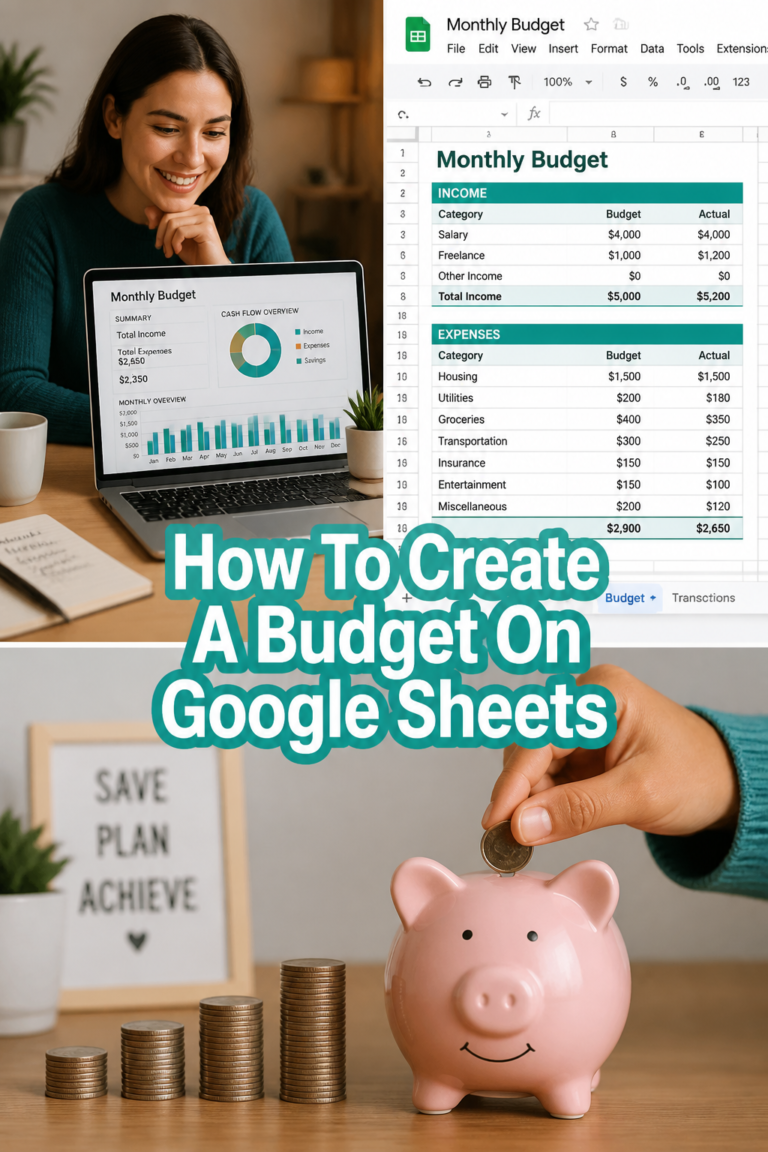
A budget is your financial roadmap. It shows where every dollar goes and where you can find savings. Start by tracking your current spending.
Track all your income and expenses for at least one month. Use an app, spreadsheet, or notebook.
Categorize your spending into fixed costs (rent, loans) and variable costs (groceries, entertainment).
Allocate a specific amount for your house savings in your budget. Treat it like a non-negotiable bill.
Step 3: Automate Your Savings
Make saving effortless by setting up automatic transfers. This removes the temptation to spend your savings.
Set up a recurring transfer from your checking account to a dedicated high-yield savings account. Do this on payday.
Start small if you need to, then gradually increase the amount as you find more savings. Consistency is key.
Name your savings account “New House Fund” to keep your goal front and center. This adds a motivational touch.
Step 4: Cut Unnecessary Expenses
This step is where many people find significant amounts of money. Review your variable expenses with a critical eye.
Identify subscriptions you don’t use regularly. Cancel them immediately.
Reduce dining out and impulse purchases. Pack lunches and plan meals at home.
Shop smarter for groceries, compare prices, and use coupons. Avoid shopping when hungry.
Pro Tip: Implement a “no-spend” challenge for a week or a month. This helps you identify non-essential spending habits and break them.
Step 5: Increase Your Income
Saving isn’t just about cutting expenses; it’s also about bringing in more money. This can significantly speed up your progress.
Look for opportunities for a raise or promotion at your current job. Take on more responsibilities.
Start a side hustle that uses your skills or interests. This could be freelancing, dog walking, or selling crafts.
Sell unused items around your house. Decluttering also brings in extra cash for your fund.
Step 6: Optimize Debt Management
High-interest debt can eat away at your ability to save. Addressing it frees up more money for your house fund.
Prioritize paying off high-interest debts like credit cards. The money saved on interest can go towards your house.
Consider debt consolidation or balance transfers for lower interest rates. Research options carefully.
Avoid taking on new debt while saving for your house. Every new payment reduces your saving power.
Step 7: Invest Smartly for Your Goal
While long-term investing is usually for retirement, short-to-medium-term investing can help your house fund grow. This isn’t about risky stocks.
Use a high-yield savings account (HYSA) for your house fund. The interest earned can be substantial over time.
Explore low-risk investment options if your build timeline is several years out. Consider short-term CDs or money market accounts.
Consult a financial advisor for personalized advice on growth strategies that align with your risk tolerance and timeline.
Pro Tip: Keep your house fund separate from your emergency fund. Your emergency fund should always be liquid and readily accessible for unforeseen events.
Step 8: Protect Your Savings
Once you have savings, you need to protect them from both yourself and external factors. This ensures your hard work isn’t undone.
Resist the urge to dip into your house fund for non-essential purchases. Remind yourself of your big goal.
Ensure your savings account is FDIC-insured. This protects your money up to $250,000 per depositor, per bank.
Review your insurance policies (car, home, health) to make sure you’re adequately covered, preventing future financial shocks.
Step 9: Review and Adjust Regularly
Your financial situation changes, and so should your plan. Regular check-ins keep you on track.
Schedule monthly or quarterly budget reviews. See what’s working and what needs tweaking.
Celebrate small milestones. Acknowledging progress keeps motivation high.
Stay flexible and adapt your plan as your income, expenses, or build costs change. Life happens, and your plan should too.
Common Mistakes to Avoid
Underestimating Costs
Many people only think about the land and construction. They forget about permits, architect fees, utility connections, and landscaping. Not budgeting for these can leave you short.
Always build in a contingency fund, ideally 15-20% of your total estimated cost. This buffer handles unexpected expenses without derailing your entire project. Get multiple quotes and talk to people who have recently built in your area.
Lack of a Clear Timeline
Saving without a deadline can lead to procrastination. If you don’t know when you want to build, it’s easy to let saving slide. This makes the goal feel less urgent.
Set a realistic target date for when you want to break ground. Work backward from that date to figure out how much you need to save each month. This gives your savings a clear purpose and pace.
Ignoring Small Leaks in Your Budget
It’s easy to focus on big expenses, but small, daily purchases add up significantly. A daily coffee, multiple streaming services, or frequent impulse buys can drain hundreds of dollars over a month.
Carefully track all your spending, no matter how small. You might be surprised where your money is going. Even saving $5-$10 a day adds up to a substantial amount over a year.
Getting Discouraged Too Early
Building a house is a marathon, not a sprint. The initial progress might feel slow, especially when the goal amount is large. This can lead to giving up before you truly gain momentum.
Focus on your monthly progress, not just the final sum. Celebrate every milestone, no matter how small. Remind yourself why you started and visualize your future home. Stay consistent, and the progress will compound.
Troubleshooting
“I Can’t Stick to My Budget”
It’s common to struggle with a new budget. Budgets are tools, not rigid rules, and they need to fit your life. You might be too restrictive.
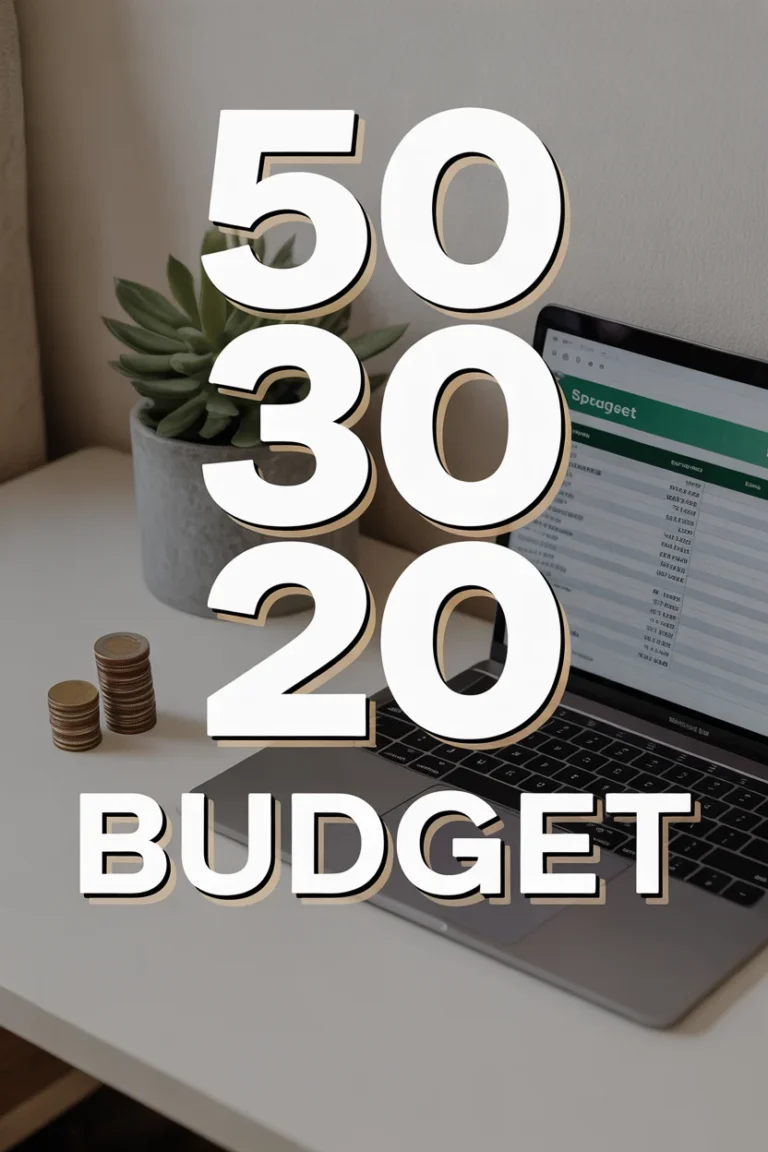
Start by making small, sustainable changes instead of drastic cuts. Review your budget to ensure it’s realistic. If you’re constantly overspending in one category, adjust the allocated amount and look for other areas to save. Try the “80/20 rule”: save 20% and spend 80% as you wish, after fixed costs.
“My Savings Growth Feels Slow”
Seeing your savings grow can feel slow, especially with a large goal like building a house. This can be demotivating and make you question your efforts.
Focus on increasing the rate of your savings. Can you find another expense to cut? Can you pick up an extra shift or a small freelance gig? Even an extra $50 a week makes a difference. Also, ensure your money is in a high-yield savings account to maximize interest earnings.
“Unexpected Expenses Derail My Plan”
Life throws curveballs, and unexpected costs can make it feel like you’re constantly taking one step forward and two steps back. This is a normal part of financial planning.
First, ensure you have a separate emergency fund for these situations. This fund is for true emergencies, not house fund dips. If you must use your house fund, adjust your timeline and commit to rebuilding the amount quickly. Don’t let one setback completely stop your progress.
Key Takeaways
- Define your target cost: Know precisely how much you need to save, including a buffer.
- Budget diligently: Track every dollar to find savings opportunities and allocate funds.
- Automate your savings: Make saving effortless by setting up regular, automatic transfers.
- Boost income and cut expenses: Actively seek ways to earn more and spend less.
- Manage debt wisely: High-interest debt hinders savings; prioritize paying it down.
- Stay consistent and patient: Building a house takes time and sustained effort; celebrate small wins.
Frequently Asked Questions
How much should I save for a down payment on the land or construction?
The amount varies significantly. For land, you might need 20-50% down. For construction loans, lenders often require 20-25% of the total project cost. Research local lender requirements in your area.
Is it better to save or pay off debt first?
Generally, pay off high-interest debt (like credit cards) first. The interest you save often outweighs the interest you’d earn on savings. Once high-interest debt is gone, you can save much faster.
Can I build a house without a huge income?
Yes, it’s possible. It requires more discipline, creativity in finding savings, and potentially a longer timeline. Focus on consistent saving, increasing income through side hustles, and being very mindful of your budget.
What if construction costs rise while I’m saving?
This is a common concern. Stay updated on market trends and adjust your savings goal accordingly. Building in that 15-20% buffer from the start helps absorb some of these increases. You might also consider slightly scaling back your initial plans if costs become prohibitive.
Our Top Recommended Finds
- Budgeting App (e.g., YNAB, Mint): Helps track spending, categorize expenses, and visualize your financial progress.
- High-Yield Savings Account: Offers better interest rates than traditional savings accounts, making your money grow faster.
- Personal Finance Book (e.g., “The Total Money Makeover”): Provides foundational knowledge and motivation for managing money and achieving financial goals.
Your Blueprint for a Brighter Future Starts Now
Building your own home is a deeply personal and rewarding journey. It’s about more than just bricks and mortar; it’s about creating a space tailored to your life. The financial journey to get there requires dedication, but it’s entirely achievable.
You now have the practical steps to start saving effectively. Begin today by defining your vision and creating that initial budget. Every small step you take moves you closer to unlocking the door to your custom-built dream home.