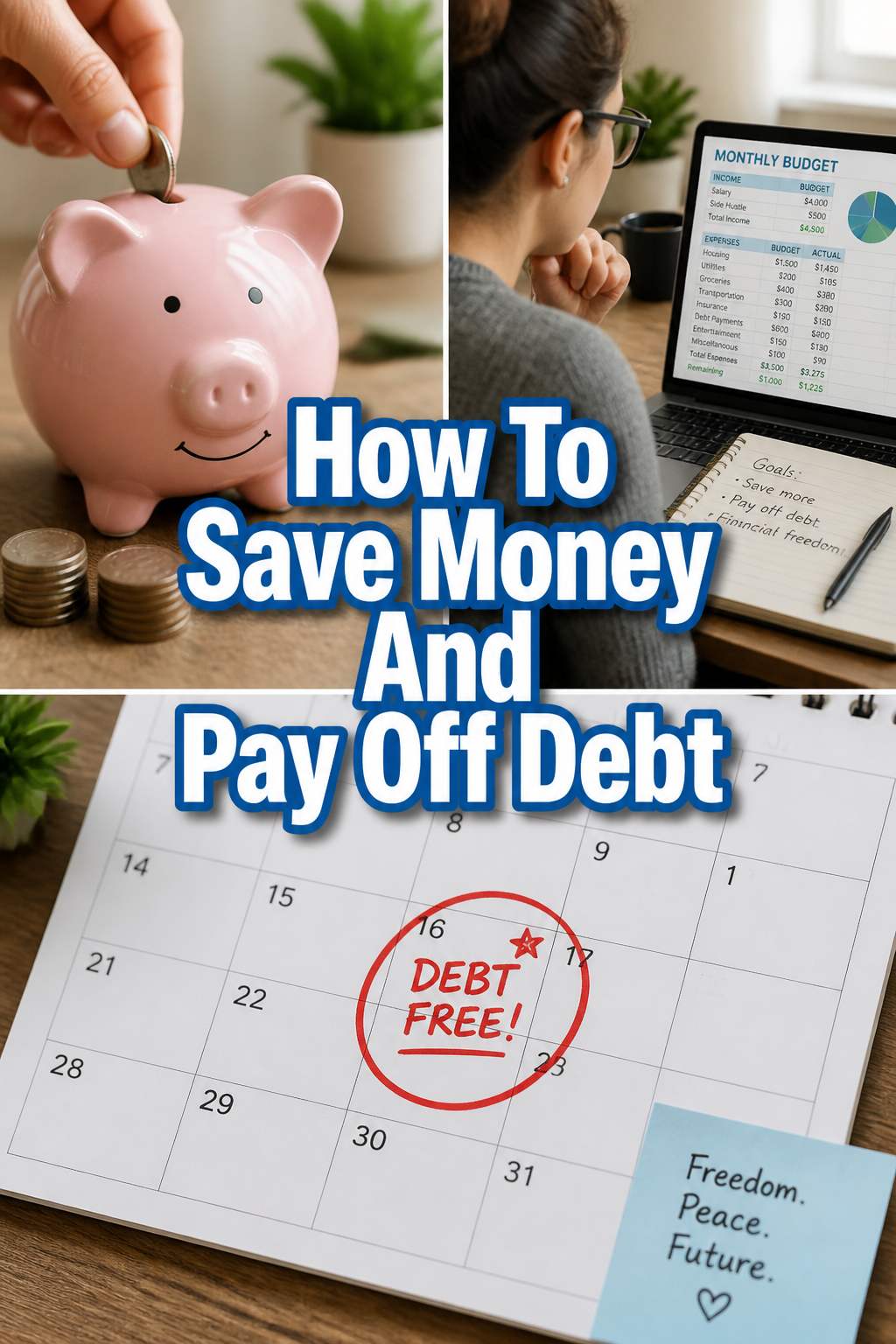
💰 How To Save Money And Pay Off Debt
📚 The Financial Literacy Library
The best investment you can ever make is in your own financial education. These 5 cornerstone books are what millionaires, financial advisors, and wealth-builders universally recommend for completely rewiring how you think about earning, saving, and investing money.
🧠 The Psychology of Money
Doing well with money isn't necessarily about what you know—it's about how you behave. Morgan Housel masterfully breaks down the emotional and psychological biases that secretly dictate our financial decisions, offering a true paradigm shift in how to view wealth.
🏠 Rich Dad Poor Dad
The #1 personal finance book of all time for a reason. This foundational read shatters the myth that you need to earn a high income to be rich, teaching you the critical difference between working for money and making your money work for you via assets.
📈 Atomic Habits
While not strictly a finance book, building wealth is absolutely dependent on the daily habits you cultivate. James Clear provides the definitive framework for breaking bad spending habits and effortlessly automating the good ones that lead to long-term success.
📊 The Simple Path to Wealth
The ultimate antidote to complex, intimidating financial advice. JL Collins provides an incredibly accessible, low-stress roadmap to financial independence through index fund investing, perfectly explaining why simplicity beats Wall Street complexity every time.
💳 I Will Teach You to Be Rich
A tactical, no-BS, 6-week program that actually works. Ramit Sethi teaches you how to crush debt, automate your savings, and negotiate your salary—all while guilt-free spending on the things you truly love. A must-read for modern money management.
I remember staring at my bank statement years ago, feeling a knot in my stomach. The numbers didn’t add up, and the debt felt like a heavy chain. But I learned that with a clear plan and consistent effort, anyone can turn their financial situation around.
This guide shares the exact strategies I used to take control of my money, pay down debt, and build a healthier financial future. You can do this too.
Quick Overview
This guide will walk you through the essential steps to understand your finances, build effective strategies for saving, and systematically pay off debt. By the end, you’ll have a clear roadmap to financial freedom.
- Time needed: Initial setup and analysis can take 2-4 hours, with ongoing commitment of 30 minutes weekly.
- Difficulty: Beginner
- What you’ll need: Your bank statements, credit card statements, a pen and paper or a spreadsheet, and an open mind.
Step-by-Step Instructions
Step 1: Get a Clear Picture of Your Finances
You can’t fix what you don’t understand. The first step is to gather all your financial information in one place. This means looking at every dollar coming in and every dollar going out.
Start by listing all your income sources. This includes your salary, freelance earnings, or any other money you regularly receive. Knowing your total monthly income is your baseline.
Next, track every single expense for a month. Go through bank statements, credit card bills, and even small cash purchases. Categorize these expenses to see exactly where your money is going.
Pro Tip: Many banking apps offer expense categorization features, making this step much easier. If not, a simple spreadsheet or even a notebook will work perfectly. Don’t skip any small purchases; they add up faster than you think.
Step 2: Set Clear, Achievable Financial Goals
Saving money and paying off debt needs a “why.” What are you working towards? Having specific goals provides motivation and direction.
Think about what you want to achieve. Do you want to pay off a specific credit card by a certain date? Are you saving for a down payment, a vacation, or an emergency fund? Write these goals down.
Make your goals SMART: Specific, Measurable, Achievable, Relevant, and Time-bound. Instead of “save money,” try “save $1,000 for an emergency fund in the next three months.”
Step 3: Create a Realistic Budget That Works For You
A budget is simply a plan for your money. It tells your money where to go instead of wondering where it went. This isn’t about deprivation; it’s about intentional spending.
Choose a budgeting method that suits your style. The 50/30/20 rule is a popular starting point: 50% of your income for needs, 30% for wants, and 20% for savings and debt repayment. Another option is zero-based budgeting, where every dollar is assigned a job.
Once you have your method, allocate your income to different categories based on your tracked expenses from Step 1 and your goals from Step 2. Be honest with yourself about your spending habits.
Step 4: Identify Areas to Cut Expenses
With your budget in hand, it’s time to find opportunities to save. Look for areas where you can reduce spending without feeling overly restricted. Small changes can create big impact over time.
Review your “wants” category first. Can you reduce dining out, subscriptions you don’t use, or impulse purchases? Even small adjustments like making coffee at home can free up significant funds.
Next, examine your “needs.” Can you find a cheaper phone plan, negotiate insurance rates, or optimize utility usage? Be creative in finding ways to trim costs.
Step 5: Strategically Tackle Your Debt
Paying off debt is a marathon, not a sprint. Having a clear strategy makes the process less overwhelming and more effective. There are two main approaches: the debt snowball and the debt avalanche.
The debt snowball method focuses on motivation. You list your debts from smallest balance to largest. Pay the minimum on all debts except the smallest, and throw every extra dollar you have at that smallest debt. Once it’s paid off, you take the money you were paying on it and add it to the payment for the next smallest debt.
The debt avalanche method saves you the most money on interest. You list your debts from highest interest rate to lowest. Pay the minimum on all debts except the one with the highest interest rate, and put any extra money towards that one. Once it’s paid off, move to the next highest interest rate.
Choose the method that resonates most with you. If you need quick wins to stay motivated, the snowball might be better. If you’re disciplined and want to save money on interest, the avalanche is the way to go.
Step 6: Build a Solid Emergency Fund
Life happens, and an emergency fund acts as your financial safety net. This fund is specifically for unexpected expenses like car repairs, medical bills, or job loss. It prevents you from going back into debt when unforeseen events occur.
Aim to save at least $1,000 as a starter emergency fund. This initial amount can cover many common unexpected costs. Keep this money in a separate, easily accessible savings account, but don’t link it directly to your spending accounts.
Once you hit $1,000, work towards a larger fund, ideally 3-6 months’ worth of essential living expenses. This provides significant peace of mind and financial security.
Step 7: Automate Your Savings and Debt Payments
Make saving and debt repayment effortless by automating the process. When money is moved automatically, you’re less likely to miss payments or spend what you intended to save.
Set up automatic transfers from your checking account to your savings account each payday. Even a small amount consistently transferred adds up quickly. Treat savings as a non-negotiable bill.
Similarly, set up automatic payments for your debts. This ensures you never miss a payment, which can damage your credit score and incur late fees. If you’re using the snowball or avalanche method, manually add extra payments to your target debt after your automatic minimums go through.
Step 8: Regularly Review and Adjust Your Plan
Your financial life isn’t static, and neither should your budget or debt repayment plan be. Life changes, and your financial strategy needs to adapt with it.
Schedule a monthly or quarterly financial check-in with yourself. Review your budget, track your progress on debt repayment, and see if you’re hitting your savings goals. Are there new expenses or income changes?
Adjust your budget as needed. If you consistently overspend in one category, either find ways to cut back or reallocate funds. This regular review keeps your plan effective and keeps you engaged with your financial journey.
Common Mistakes to Avoid
Falling for Lifestyle Creep
As your income grows, it’s natural to want to enjoy life more. However, lifestyle creep is when your spending increases proportionally with your income, leaving you with little to no extra savings. You might find yourself in the same financial position despite earning more. The correct approach is to save or invest a significant portion of any pay raise or bonus before adjusting your spending habits.
Ignoring Small Debts and Expenses
It’s easy to dismiss small debts or minor recurring expenses as insignificant. However, many small debts can accumulate into a large, overwhelming sum, often with high interest rates. Similarly, numerous small subscription services or daily coffee runs can silently drain your bank account. Always account for every dollar, no matter how small, and tackle all debts with a plan.
Not Having an Emergency Fund
Many people prioritize debt repayment over building an emergency fund. While paying off debt is crucial, not having an emergency fund leaves you vulnerable to unexpected expenses. A sudden car repair or medical bill can force you to use credit cards, undoing your debt repayment progress. Always establish a starter emergency fund before aggressively tackling consumer debt.
Giving Up Too Soon
Saving money and paying off debt takes time and consistent effort. There will be setbacks, unexpected expenses, or moments of discouragement. It’s common for people to feel overwhelmed and give up when they don’t see immediate results. The key is perseverance. Remember your goals, celebrate small wins, and adjust your plan rather than abandoning it entirely.
Troubleshooting
“I Can’t Seem to Stick to My Budget.”
This is a common issue, often indicating that your budget might be too restrictive or unrealistic for your current lifestyle. Instead of cutting everything, try to identify one or two areas where you feel the most resistance. Perhaps you’ve budgeted too little for groceries or entertainment. Adjust your categories to be more forgiving, then slowly tighten them over time. Also, look for “budget busters”—recurring small purchases that you might not even notice.
“My Income Isn’t Enough to Cover My Expenses and Save.”
If your budget shows a deficit even after cutting non-essential spending, you have two primary options: significantly reduce your fixed expenses or increase your income. Reducing fixed expenses might mean moving to a cheaper apartment, getting a roommate, or selling a second car. Increasing income could involve picking up a side hustle, negotiating a raise, or looking for a higher-paying job. Focus on one income-boosting strategy at a time.
“I Keep Using My Credit Cards After Paying Them Off.”
This cycle can be incredibly frustrating. It often points to a deeper issue with spending habits or a lack of a robust emergency fund. First, ensure you have an emergency fund in place so unexpected costs don’t force you back to credit. Second, consider temporarily freezing or even cutting up your credit cards if you struggle with impulse spending. Use cash or a debit card for a period to retrain your spending habits and break the reliance on credit.
Key Takeaways
- Know Your Numbers: Understand your income and expenses completely before making any financial decisions.
- Set Clear Goals: Specific, measurable goals provide the motivation and direction needed for financial success.
- Budget Intentionally: A realistic budget is your roadmap for directing your money where you want it to go.
- Prioritize an Emergency Fund: Build a financial safety net to prevent new debt from unexpected life events.
- Automate Your Finances: Make saving and debt payments automatic to ensure consistency and reduce effort.
- Review and Adapt: Regularly check your progress and adjust your plan as your life and financial situation evolve.
Frequently Asked Questions
Should I save or pay off debt first?
Generally, it’s wise to build a small emergency fund (e.g., $1,000) first. This protects you from unforeseen expenses that could force you further into debt. After that, you can aggressively tackle high-interest debt, like credit cards, while continuing to contribute a smaller amount to your emergency fund or other savings.
How can I make extra money quickly?
Consider side hustles that leverage your existing skills or require minimal setup. This could include freelancing, dog walking, selling unused items online, delivering food, or taking on temporary gigs. Even a few extra hours a week can significantly boost your income and accelerate your savings or debt repayment.
What’s the best way to track my spending?
There are many effective methods. You can use budgeting apps like Mint or YNAB, create a simple spreadsheet, or even use a pen and paper. The “best” way is the one you’ll consistently use. The goal is to categorize every dollar spent so you can see your spending patterns clearly.
How long does it take to pay off debt?
The timeline for paying off debt varies greatly depending on the amount of debt, your income, your interest rates, and how aggressively you apply extra payments. By creating a detailed budget and consistently making more than the minimum payments, you can significantly reduce the time it takes. Focus on the process, and celebrate milestones along the way.
Our Top Recommended Finds
- A reliable budgeting app: Apps like Mint or YNAB can link to your accounts and automate expense tracking, making budgeting much simpler.
- A high-yield savings account: Keep your emergency fund and other savings in an account that earns more interest than a traditional bank account.
- Financial planning book: Reading a book like “The Total Money Makeover” by Dave Ramsey or “I Will Teach You To Be Rich” by Ramit Sethi can provide further inspiration and practical strategies.
Your Path to Financial Freedom Starts Now
Taking control of your money might feel daunting initially, but every big journey begins with a single step. You now have a clear, actionable guide to start saving money and paying off debt. This isn’t just about numbers; it’s about gaining peace of mind and building a life with more choices.
Don’t wait for the “perfect” moment. Choose one step from this guide and implement it today. Whether it’s tracking your expenses for a week or setting up one automatic transfer, consistent small actions lead to massive results. Keep learning, stay persistent, and watch your financial future transform.