💰 How To Save 10K In 6 Months Bi Weekly
📚 The Financial Literacy Library
The best investment you can ever make is in your own financial education. These 5 cornerstone books are what millionaires, financial advisors, and wealth-builders universally recommend for completely rewiring how you think about earning, saving, and investing money.
🧠 The Psychology of Money
Doing well with money isn't necessarily about what you know—it's about how you behave. Morgan Housel masterfully breaks down the emotional and psychological biases that secretly dictate our financial decisions, offering a true paradigm shift in how to view wealth.
🏠 Rich Dad Poor Dad
The #1 personal finance book of all time for a reason. This foundational read shatters the myth that you need to earn a high income to be rich, teaching you the critical difference between working for money and making your money work for you via assets.
📈 Atomic Habits
While not strictly a finance book, building wealth is absolutely dependent on the daily habits you cultivate. James Clear provides the definitive framework for breaking bad spending habits and effortlessly automating the good ones that lead to long-term success.
📊 The Simple Path to Wealth
The ultimate antidote to complex, intimidating financial advice. JL Collins provides an incredibly accessible, low-stress roadmap to financial independence through index fund investing, perfectly explaining why simplicity beats Wall Street complexity every time.
💳 I Will Teach You to Be Rich
A tactical, no-BS, 6-week program that actually works. Ramit Sethi teaches you how to crush debt, automate your savings, and negotiate your salary—all while guilt-free spending on the things you truly love. A must-read for modern money management.
Imagine having an extra $10,000 in your bank account just six months from now.
It sounds like a big number, and it is, but it’s absolutely achievable with the right strategy and a focused mindset.
I’ve personally navigated aggressive savings challenges, and I’m here to show you a practical path to hit this significant financial goal.

Quick Overview
This guide breaks down exactly what you need to do to save $10,000 over 13 bi-weekly pay periods.
It’s an ambitious goal, but every step is actionable and designed for real-world application.
- Time needed: 6 months (13 bi-weekly pay periods)
- Difficulty: Intermediate (requires dedication and proactive steps)
- What you’ll need: A clear budget, a dedicated savings account, and a willingness to make temporary adjustments.
Step-by-Step Instructions
Step 1: Understand Your Baseline Numbers
Before you can save, you need to know exactly where you stand. This first step is about getting brutally honest with your current financial situation.
Calculate your net income for each bi-weekly pay period. This is the money that actually lands in your bank after taxes and deductions.
Next, list every single expense you have. Include everything from rent and utilities to your daily coffee and streaming subscriptions.
- Track every dollar spent for at least two weeks. Use an app, a spreadsheet, or even a notebook.
- Calculate your total bi-weekly income and your total bi-weekly expenses.
- Determine the exact amount you need to save per pay period: $10,000 / 13 pay periods = $769.23.
Pro Tip: Don’t skip this step. Ignorance is not bliss when it comes to your money. Knowing your numbers is your superpower.
Step 2: Create a Realistic, Aggressive Budget
Saving $769.23 every two weeks requires a robust budget. This isn’t about minor tweaks; it’s about a strategic overhaul of your spending habits.
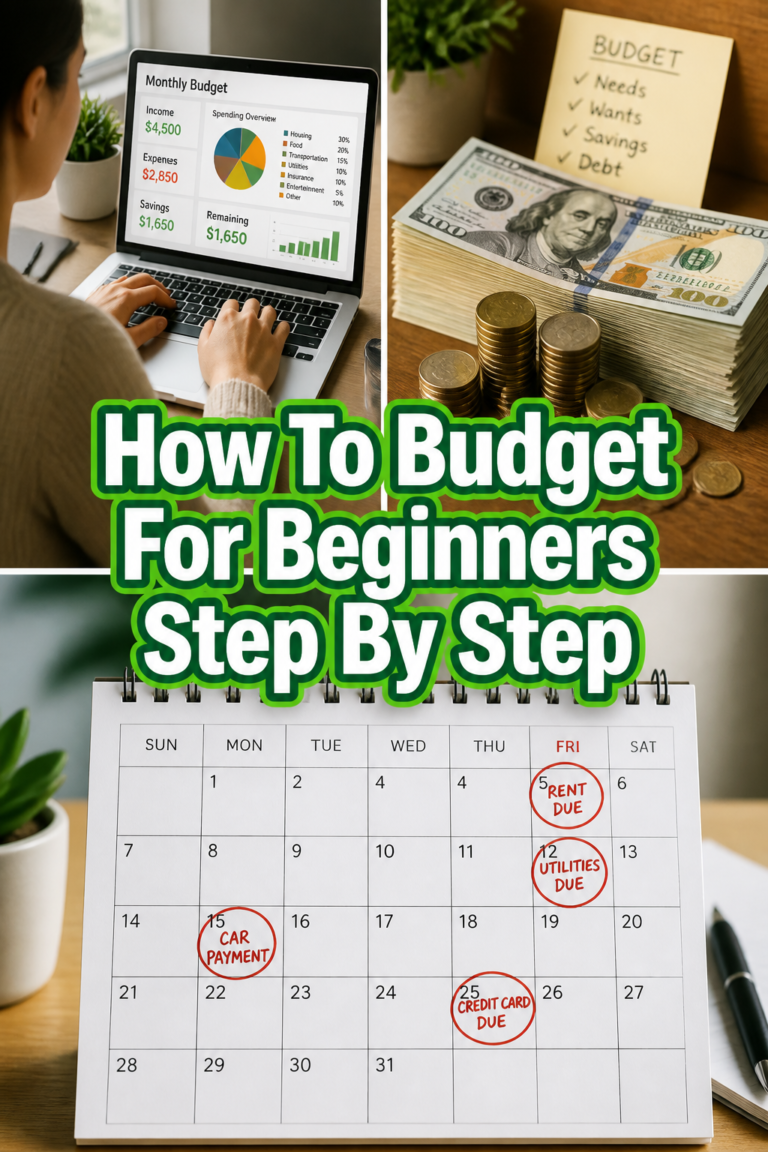
Start by categorizing your expenses into “needs” (rent, essential groceries, transportation to work) and “wants” (dining out, entertainment, subscriptions you rarely use).
Your goal is to find $769.23 in savings within your budget. This will likely mean cutting deep into your “wants” category.
- Assign a zero-based budget. Every dollar has a job, either for spending or saving.
- Identify non-essential spending that can be reduced or eliminated entirely for the next six months.
- Allocate your income to cover needs, your target savings, and then any remaining wants.
Pro Tip: Think of this budget as a temporary, focused plan. It’s a sprint, not a marathon, designed to hit a specific goal.
Step 3: Automate Your Savings Transfer
The most effective way to save is to make it automatic. Treat your savings goal like a non-negotiable bill that must be paid first.
Set up an automatic transfer of $769.23 from your checking account to a separate high-yield savings account on each payday.
This removes the temptation to spend the money and ensures consistent progress towards your $10K target.
- Set up an automatic transfer for $769.23 to occur the day after each bi-weekly payday.
- Open a separate, high-yield savings account if you don’t already have one. This makes your savings harder to touch and earns you a little extra interest.
- Name your savings account something motivating like “10K Goal!” or “Dream Fund” to reinforce your purpose.
Pro Tip: Out of sight, out of mind. The less accessible your savings are, the less likely you are to spend them impulsively.
Step 4: Boost Your Income Streams
Cutting expenses is crucial, but increasing your income can significantly accelerate your progress. Look for ways to bring in extra cash during these six months.
Consider side hustles that fit your skills and schedule. This could be anything from freelancing to dog walking or delivering food.
Also, look around your home for items you no longer need. Selling these can provide a quick cash injection for your savings.
- Explore temporary side gigs like online tutoring, graphic design, content writing, or local services.
- Sell unused clothing, electronics, furniture, or collectibles. Use online marketplaces or local consignment shops.
- Ask for extra shifts or overtime at your current job if it’s an option. Even a small increase per week adds up.
Pro Tip: Every extra dollar earned goes directly to your savings goal. It’s income that bypasses your regular budget.
Step 5: Attack Your Biggest Spending Categories
For most people, the largest expenses are housing, transportation, and food. Making significant cuts here will have the biggest impact on your savings.
Review your grocery habits. Plan meals, cook at home, and avoid expensive convenience foods. Consider a “no-food-delivery” challenge.
Look at transportation. Can you carpool, bike, walk, or use public transport more often? Even small changes reduce fuel and maintenance costs.
- Implement strict meal planning and grocery lists. Cook in bulk to save time and money.
- Challenge your transportation habits. Can you temporarily reduce driving or use cheaper alternatives?
- Review all recurring subscriptions and memberships. Cancel anything you don’t absolutely need or use frequently.
Pro Tip: Renegotiate your bills. Call your internet, cable, or insurance providers and ask for a better rate or to temporarily lower your plan.
Step 6: Embrace “No-Spend” Challenges
To really push your savings, integrate short-term “no-spend” periods into your routine. This means avoiding all non-essential purchases for a set amount of time.
Try a “no-spend weekend” or even a “no-spend week.” You’ll be surprised how much you can save when you’re intentional about avoiding unnecessary purchases.
Focus on free entertainment, home-cooked meals, and making do with what you already have.
- Designate specific days or weeks where you only spend money on absolute necessities (rent, essential groceries, bills).
- Find free activities for entertainment, like hiking, visiting parks, borrowing books from the library, or hosting potlucks.
- Pack your lunch and make your coffee at home every single workday. These small habits add up quickly.
Pro Tip: Frame “no-spend” days as a fun challenge or a game. It’s a temporary sacrifice for a significant reward.
Step 7: Track Your Progress and Stay Motivated
Seeing your savings grow is incredibly motivating. Keep a visual tracker to monitor your progress towards your $10,000 goal.
A simple chart on your fridge, a spreadsheet, or a savings app can help you visualize your journey.
Celebrate small milestones. Reaching your first $1,000 or successfully completing a month of savings can be powerful motivators.
- Use a visual savings tracker. Color in a thermometer chart or update a spreadsheet after each bi-weekly transfer.
- Reward yourself with non-monetary treats for hitting milestones. A long walk, a favorite movie night, or a relaxing bath.
- Connect your savings goal to your deeper “why.” Is it for an emergency fund, a down payment, or peace of mind? Keep that reason top of mind.
Pro Tip: Share your goal with a trusted friend or family member. An accountability partner can provide encouragement and support when motivation wanes.
Step 8: Review and Adjust Regularly
Life happens, and your budget might need adjustments. Regularly review your spending and saving habits to ensure you’re still on track.
Every two weeks, take a few minutes to look at your budget. Did you overspend in one category? Did you find an unexpected saving?
Be flexible. If a strategy isn’t working, don’t be afraid to try something new. The goal is to hit $10K, not to stick rigidly to a flawed plan.
- Schedule a bi-weekly budget review. Assess where your money went and how close you are to your saving target.
- Identify areas where you can make further cuts or where you might need to adjust your spending slightly.
- Praise yourself for successes and learn from any setbacks. Every pay period is a fresh start.
Pro Tip: Don’t get discouraged by minor slip-ups. Financial progress is rarely linear. Just get back on track with the next pay period.
Common Mistakes to Avoid
Underestimating Expenses
Many people think they know where their money goes, but often miss small, recurring purchases. These “drip” expenses add up surprisingly fast.
Without a clear picture, you might cut in the wrong places or not cut enough. This leads to frustration and missed targets.
The correct approach is meticulous tracking in Step 1. Know every single outflow, no matter how small, to make informed budgeting decisions.
Lack of Specificity
A vague goal like “I want to save more” rarely works. Saving $10K in 6 months bi-weekly is a precise, challenging goal.
Without a concrete plan for how you’ll save that exact amount each pay period, it’s easy to fall short.
Your budget needs to clearly show where the $769.23 for savings comes from. Automate the transfer to ensure it happens consistently.
Going Too Hard, Too Fast
While an aggressive goal requires aggressive action, completely depriving yourself can lead to burnout. It’s hard to sustain extreme cuts for six months.
This often results in “binge spending” where you give up and overspend, undoing weeks of progress.
Build in a small, guilt-free “fun money” allocation if your budget allows. Focus on sustainable changes that feel challenging but not impossible.
Ignoring Income Potential
Many people focus solely on cutting expenses. While essential, this approach has a limit based on your cost of living.
If you can’t cut enough, you might feel stuck. You might conclude the goal is impossible for your income level.
Actively seek ways to increase your income, even temporarily. Selling items, taking on a side hustle, or working extra hours can bridge the gap much faster.
Troubleshooting
“I Can’t Cut Any More!”
If you genuinely feel you’ve trimmed every non-essential expense, it’s time to pivot your focus. Your primary strategy needs to shift from cutting to earning.
Revisit Step 4 and brainstorm new ways to boost your income. Can you take on more side gigs? Sell more items? Even a small increase in income makes a difference.
Also, critically re-evaluate your “needs.” Are there any services you can temporarily downgrade or replace with a free alternative? Sometimes, small sacrifices feel big but are impactful.
“I Keep Dipping Into My Savings!”
This is a common struggle, often due to temptation or emergencies. Your savings need to be less accessible than your checking account.
Ensure your savings are in a separate account, ideally at a different bank or one without an easily accessible debit card. This adds a barrier to impulsive spending.
Remind yourself of your “why.” Write down your motivation for saving $10K and put it where you’ll see it daily. Connect to that feeling of accomplishment.
“My Income Is Too Low for This Goal!”
If, after honest assessment, $769.23 bi-weekly seems impossible with your current income and expenses, don’t despair. Your goal might just need adjusting.
Consider extending your timeline. Perhaps $10K in 8 or 9 months is more realistic. Or, aim for a smaller amount, like $5K in 6 months.
Alternatively, make income growth your absolute top priority for the next six months. Invest in skills, apply for better-paying jobs, or commit to a more demanding side hustle.
Key Takeaways
- Aggressive savings goals require aggressive, intentional action.
- A detailed budget and automated savings transfers are foundational to success.
- Boosting your income is often as important as cutting expenses.
- Consistent tracking and celebrating milestones fuel motivation.
- Be flexible with your plan and adjust strategies as needed.
- This six-month sprint builds powerful financial habits for your future.
Frequently Asked Questions
Is $10K in 6 months really realistic for most people?
It is realistic for many, but it demands significant discipline and potentially some temporary lifestyle changes. It’s an ambitious goal, requiring a commitment to both cutting expenses and finding new income streams.
If your current income is very low or your essential expenses are extremely high, you might need to adjust the timeline or the amount saved. However, for many, it’s a challenging but achievable sprint.
Should I use a separate bank account for my savings?
Absolutely. Using a separate, high-yield savings account, especially one not linked to your primary checking account’s debit card, creates a psychological and practical barrier against impulse spending.
This separation helps you mentally “lock away” your savings, making it harder to dip into them for non-essential purchases. It also typically offers better interest rates than a standard checking account.
What if an emergency happens and I need to use my savings?
Life happens, and sometimes emergencies are unavoidable. If you have an emergency fund already, use that first.
If your $10K goal is your emergency fund, then using it for a true emergency is exactly what it’s for. Don’t feel guilty. Once the emergency is resolved, simply restart your savings plan from where you left off.
How do I stay motivated when I feel deprived or tired of saving?
Motivation naturally ebbs and flows. When it’s low, revisit your “why.” Remind yourself of the specific reason you started this journey and the positive impact $10,000 will have on your life.
Look at your progress tracker and celebrate how far you’ve come. Allow yourself a small, non-monetary reward for reaching milestones. Connect with your accountability partner for encouragement.
Our Top Recommended Finds
- Budgeting App/Spreadsheet: A digital tool to track every penny and visualize your budget categories. This helps you stay organized and accountable.
- High-Yield Savings Account: A dedicated account to keep your saved funds separate and earning a little extra interest while you work towards your goal.
- Meal Prep Containers: Practical tools that make cooking at home and bringing your lunch to work much easier, saving you significant money on food.
Your 10K Journey Starts Now
Saving $10,000 in six months, bi-weekly, is a significant undertaking, but it is entirely within your reach.
This guide provides the roadmap, but your commitment and consistent action are what will make it a reality. Every single dollar saved and every extra dollar earned brings you closer to your goal.
Don’t wait for the “perfect” time. Start today by reviewing your finances and setting up that first automatic transfer. Your future self will thank you for this incredible financial achievement.