📈 700 Credit Score Aesthetic
📚 The Financial Literacy Library
The best investment you can ever make is in your own financial education. These 5 cornerstone books are what millionaires, financial advisors, and wealth-builders universally recommend for completely rewiring how you think about earning, saving, and investing money.
🧠 The Psychology of Money
Doing well with money isn't necessarily about what you know—it's about how you behave. Morgan Housel masterfully breaks down the emotional and psychological biases that secretly dictate our financial decisions, offering a true paradigm shift in how to view wealth.
🏠 Rich Dad Poor Dad
The #1 personal finance book of all time for a reason. This foundational read shatters the myth that you need to earn a high income to be rich, teaching you the critical difference between working for money and making your money work for you via assets.
📈 Atomic Habits
While not strictly a finance book, building wealth is absolutely dependent on the daily habits you cultivate. James Clear provides the definitive framework for breaking bad spending habits and effortlessly automating the good ones that lead to long-term success.
📊 The Simple Path to Wealth
The ultimate antidote to complex, intimidating financial advice. JL Collins provides an incredibly accessible, low-stress roadmap to financial independence through index fund investing, perfectly explaining why simplicity beats Wall Street complexity every time.
💳 I Will Teach You to Be Rich
A tactical, no-BS, 6-week program that actually works. Ramit Sethi teaches you how to crush debt, automate your savings, and negotiate your salary—all while guilt-free spending on the things you truly love. A must-read for modern money management.
In a world increasingly driven by aesthetics and curated lifestyles, there’s a new trend gaining traction – one that’s not about designer clothes or exotic travel, but about something far more foundational and empowering: the 700 Credit Score Aesthetic. It’s more than just a number on your credit report; it’s a philosophy, a lifestyle, and a powerful commitment to financial well-being that resonates deeply with smart, forward-thinking individuals. Imagine a life where financial stress is minimized, opportunities abound, and your future feels secure. That’s the essence of this aesthetic, and it’s within everyone’s reach.
Forget the fleeting trends; this aesthetic is about building lasting wealth, making informed decisions, and cultivating a sense of calm confidence about your money. It’s about understanding that a strong credit score is a key, not just to better loan rates, but to unlocking a life of greater financial freedom and possibility. If you’re ready to transform your relationship with money from one of anxiety to one of empowerment, this guide is your roadmap to embracing the 700 Credit Score Aesthetic.

What is 700 Credit Score Aesthetic?
At its heart, the 700 Credit Score Aesthetic is a holistic approach to personal finance. It’s not simply about achieving a specific credit score, although that’s a significant outcome. Instead, it’s about embodying the habits, mindsets, and strategies that naturally lead to a strong financial standing, with a 700+ credit score being a tangible reflection of that mastery. Think of it as living a financially savvy life that prioritizes long-term security and freedom over short-term gratification.
This aesthetic is characterized by:
- Intentionality: Every financial decision, from a daily coffee purchase to a major investment, is made with purpose and awareness of its impact on your overall goals.
- Financial Literacy: A continuous pursuit of understanding how money works – from credit scores and interest rates to investments and taxes. It’s about being an informed participant in your financial life, not a passive observer.
- Discipline with Freedom: It’s not about deprivation, but about creating a budget that serves your life, allowing you to spend on what truly matters while still building wealth. It’s the freedom that comes from knowing you’re in control.
- Proactive Planning: Always looking ahead, planning for emergencies, retirement, and future aspirations, rather than reacting to financial crises.
- Value-Driven Spending: Shifting from impulsive buying to spending that aligns with your values and contributes to your long-term happiness and security.
In essence, the 700 Credit Score Aesthetic is about living a life where your finances are a source of strength and opportunity, not stress. It’s about building a solid foundation that supports your dreams, whether that’s buying a home, starting a business, or simply enjoying peace of mind.
Key Features
Embracing the 700 Credit Score Aesthetic means integrating several core principles into your daily life. These features work in synergy to create a robust financial ecosystem that supports growth and stability:
1. Masterful Budgeting and Spending Habits
- The Empowering Budget: Far from being restrictive, a budget becomes your most powerful tool. It’s a reflection of your priorities, allowing you to allocate funds intentionally. Whether you use the 50/30/20 rule (50% needs, 30% wants, 20% savings/debt), a zero-based budget, or another method, the key is consistency and awareness.
- Mindful Consumption: This isn’t about being cheap, but about being smart. It involves distinguishing between needs and wants, questioning impulse purchases, and finding joy in experiences or quality items that last, rather than fleeting trends.
- Tracking Every Dollar: Knowing where your money goes is the first step to telling it where to go. Utilize apps, spreadsheets, or even a pen and paper to meticulously track your income and expenses.
2. Strategic Saving and Investing
- The Unshakeable Emergency Fund: This is non-negotiable. Aim for 3-6 months (or even more) of living expenses saved in an easily accessible, high-yield savings account. This fund acts as a financial shock absorber, preventing debt accumulation during unexpected events.
- Automated Savings: “Pay yourself first” isn’t just a catchy phrase; it’s a core tenet. Set up automatic transfers from your checking to your savings and investment accounts every payday. This removes the temptation to spend it.
- Long-Term Wealth Building: Beyond saving, investing is crucial. Understand the power of compound interest and start early. Explore options like 401(k)s, IRAs, and diversified investment portfolios. Even small, consistent contributions can grow into substantial wealth over time.
3. Responsible Debt Management
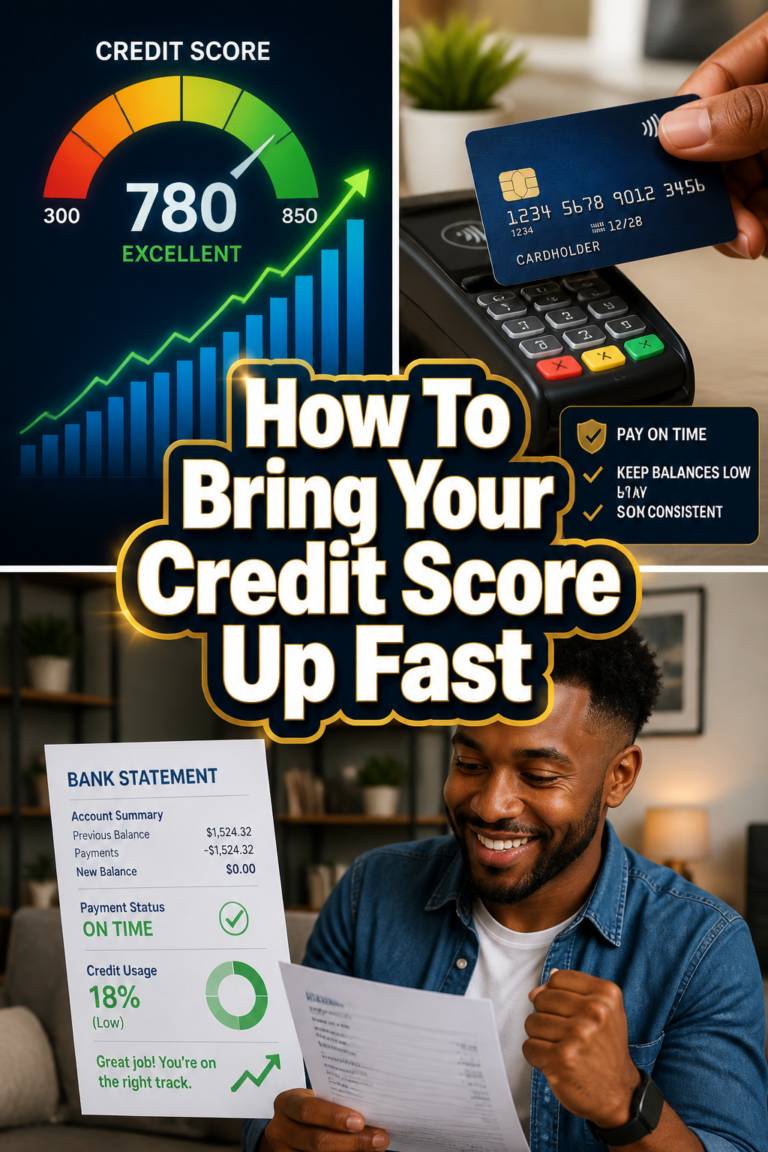
- Low Credit Utilization: A major factor in your credit score. Aim to keep your credit card balances below 30% of your available credit, ideally even lower (under 10%). This signals responsible credit use.
- On-Time Payments: The single most important factor for your credit score. Set up autopay for all bills to ensure you never miss a payment.
- Understanding Good vs. Bad Debt: Not all debt is created equal. Mortgages or student loans (especially with low interest) can be “good debt” that helps build assets or future income. High-interest credit card debt or personal loans for depreciating assets are typically “bad debt” to be avoided or paid off quickly.
4. Continuous Financial Education
- Lifelong Learning: The financial landscape is always evolving. Stay informed about economic trends, investment strategies, and changes in credit laws. Read books, listen to podcasts, follow reputable financial blogs, and don’t be afraid to ask questions.
- Demystifying Complex Concepts: Make an effort to understand terms like APR, compound interest, diversification, and inflation. The more you know, the more confident and capable you’ll become.
How to Get Started
Embarking on the 700 Credit Score Aesthetic journey is exciting and achievable. Here’s a step-by-step guide to help you begin:
- Know Your Current Financial Snapshot:
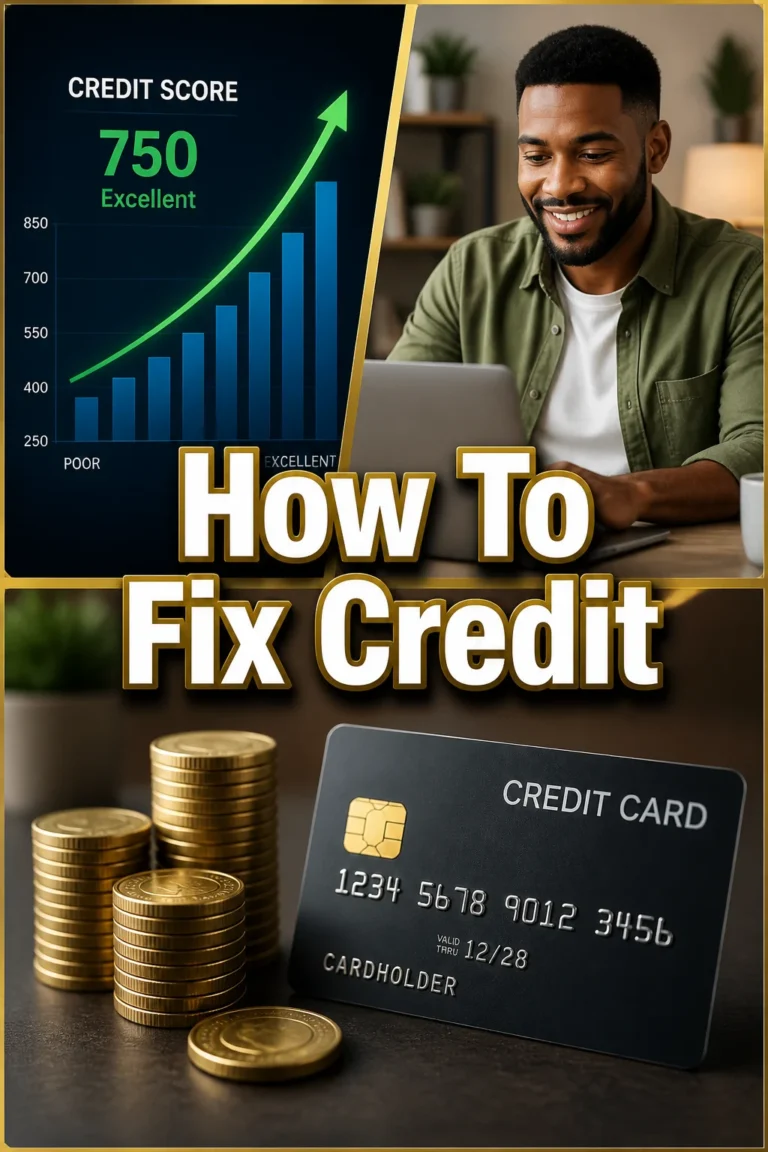
- Check Your Credit Score & Report: Use free services like Credit Karma, Experian, Equifax, or TransUnion to get your score and a copy of your credit report. Review it carefully for errors and understand the factors impacting your score.
- Track Your Spending: For at least a month, meticulously track every dollar you spend. This will reveal where your money is actually going versus where you think it’s going.
- List All Debts: Create a comprehensive list of all your debts, including interest rates, minimum payments, and total balances.
- Create Your Personalized Budget:
- Based on your spending tracker, design a budget that allocates your income to needs, wants, and savings/debt repayment. Be realistic and flexible. Tools like YNAB (You Need A Budget), Mint, or simple spreadsheets can be invaluable.
- The 50/30/20 Rule: A great starting point. 50% for needs (housing, utilities, groceries), 30% for wants (entertainment, dining out, hobbies), and 20% for savings and debt repayment. Adjust as needed.
- Build Your Emergency Fund:
- Start small. Even $500-$1,000 is a great first step. Automate transfers to a separate savings account until you reach your 3-6 month goal. This fund is your financial safety net.
- Tackle High-Interest Debt Systematically:
- Debt Avalanche: Pay off the debt with the highest interest rate first, while making minimum payments on others. This saves you the most money in interest.
- Debt Snowball: Pay off the smallest debt first to gain psychological momentum, then roll that payment into the next smallest.
- Choose the method that motivates you most and stick with it.
- Automate Your Financial Life:
- Set up automatic payments for all bills to avoid late fees and protect your credit score.
- Automate transfers to your savings, emergency fund, and investment accounts. Make saving non-negotiable.
- Cultivate Financial Knowledge:
- Dedicate time each week to learning about personal finance. Read books like “The Total Money Makeover” by Dave Ramsey or “I Will Teach You To Be Rich” by Ramit Sethi. Listen to podcasts like “The Ramsey Show” or “Afford Anything.”
- Understand how credit scores are calculated and what actions positively impact yours.
Tips for Success
Staying on track with your 700 Credit Score Aesthetic requires discipline and smart strategies. Here are some pro tips to ensure your long-term success:
- Consistency is Your Superpower: Small, consistent actions yield massive results over time. Don’t underestimate the power of regularly contributing to your savings, making on-time payments, and sticking to your budget. It’s not about grand gestures, but daily habits.
- Review and Adjust Regularly: Your budget and financial plan aren’t set in stone. Life happens! Review your budget monthly or quarterly, and adjust it to reflect changes in income, expenses, or financial goals. This flexibility keeps your plan relevant and effective.
- Diversify Your Income Streams: While managing your primary income is crucial, exploring additional income sources can accelerate your financial goals. Consider a side hustle, freelancing, or investing in income-generating assets. Even a small extra stream can make a big difference.
- Seek Professional Guidance: Don’t be afraid to consult with financial advisors, credit counselors, or investment professionals. They can provide personalized advice, help you navigate complex situations, and offer insights you might miss. Think of it as investing in your financial education.
- Celebrate Small Wins: The journey to financial mastery can be long. Acknowledge and celebrate milestones along the way – paying off a credit card, hitting your emergency fund goal, or increasing your credit score by 20 points. Positive reinforcement keeps you motivated and engaged.
Common Mistakes to Avoid
Even with the best intentions, it’s easy to stumble. Being aware of common pitfalls can help you steer clear of them:
- Ignoring Your Credit Report: Not checking your credit report annually for errors is a major oversight. Mistakes can negatively impact your score, and identity theft can go unnoticed. Regularly review reports from all three bureaus (Experian, Equifax, TransUnion).
- Living Paycheck to Paycheck Perpetually: If you’re constantly running out of money before your next paycheck, it’s a sign your spending exceeds your income or you lack sufficient savings. This cycle prevents wealth building and increases stress.
- Falling for “Get Rich Quick” Schemes: Building sustainable wealth takes time, patience, and consistent effort. Be wary of any investment or opportunity that promises unrealistic returns with little to no risk.
- Accumulating Unnecessary Debt: Lifestyle creep, impulse purchases, and using credit cards for wants rather than needs can quickly lead to crippling high-interest debt. Always ask yourself if a purchase is truly necessary and if you can afford it without going into debt.
- Not Having an Emergency Fund: Skipping this crucial step leaves you vulnerable to financial setbacks. A car repair, medical bill, or job loss can quickly derail your progress and force you into debt if you don’t have a buffer.
- Comparing Yourself to Others: Everyone’s financial journey is unique. Don’t fall into the trap of comparing your progress to friends, family, or social media portrayals. Focus on your goals and celebrate your own achievements.
FAQ
Q1: Is a 700 credit score “good enough”?
A: Absolutely! A 700 credit score is generally considered “good” and opens doors to favorable interest rates on loans, better credit card offers, and easier approvals for housing and utilities. While aiming higher (e.g., 750+) is always beneficial for even better terms, 700 is an excellent foundation and a strong indicator of financial responsibility.
Q2: How long does it take to build a 700 credit score?
A: The timeline varies greatly depending on your starting point and consistency. If you’re starting with no credit, it might take 6 months to a year of responsible credit use (e.g., secured credit cards, authorized user status). If you’re rebuilding from poor credit, it could take a few years. However, consistent on-time payments, low credit utilization, and managing debt will steadily improve your score over time.
Q3: Can I still enjoy life and spend money with the 700 Credit Score Aesthetic?
A: Yes, definitely! This aesthetic is not about deprivation; it’s about intentionality. Your budget should reflect your values, allowing you to allocate funds for experiences, hobbies, and things that bring you joy, alongside your savings and debt repayment. The goal is financial freedom, which includes the freedom to enjoy your life without guilt or stress.
Q4: What’s the single most important secret to achieving this aesthetic?
A: While many factors contribute, the “secret” lies in consistency combined with education. Consistently making smart financial choices – paying bills on time, sticking to your budget, saving regularly – will compound over time. And continuously educating yourself ensures you’re making the wisest choices possible for your unique situation. One without the other won’t be as effective.
💼 The Money Management Toolkit
Knowledge is power, but proper execution requires the right tools. Getting your financial life organized doesn't have to be overwhelming. These 5 physical management tools are exactly what successful households use to budget, track cash, and secure their most important assets.
📝 Clever Fox Budget Planner & Bill Organizer
The ultimate analog command center for your finances. Sometimes keeping your budget in an app just doesn't stick. Physically writing down your goals, tracking expenses, and planning for debt payoff creates a level of accountability that digital spreadsheets simply can't match.
💵 A6 Leather Cash Stuffing Binder
The viral tool that made the cash-envelope budgeting system popular again. By allocating actual physical cash to designated envelopes (groceries, dining out, fun money), you physically cap your spending, making it virtually impossible to overdraft or overspend.
🔥 Fireproof & Waterproof Document Safe
A critical piece of financial security that many families overlook. Protecting your passports, birth certificates, property deeds, and estate planning documents from disaster is just as important as protecting the money in your bank account.
🏷️ Brother P-Touch Digital Label Maker
The unsung hero of a functional home office. When tax season rolls around or you need to find an important receipt, having perfectly labeled and categorized filing cabinets or accordion folders saves hours of frustrating searches and potential late fees.
🔒 SentrySafe Compact Fireproof Lock Box
For the physical assets that need extra heavy-duty protection—think emergency cash reserves, hard drives with Bitcoin cold wallets, or physical precious metals. This compact, locking safe provides peace of mind that your physical wealth is secure at home.
Conclusion
The 700 Credit Score Aesthetic is more than a fleeting trend; it’s a transformative approach to personal finance that empowers you to take control of your money and, by extension, your life. It’s about building a solid financial foundation, embracing smart habits, and cultivating a mindset of abundance and security. It’s the quiet confidence that comes from knowing you’re making intelligent choices today for a brighter, more secure tomorrow.
By adopting the principles of masterful budgeting, strategic saving, responsible debt management, and continuous financial education, you’re not just chasing a number. You’re building resilience, creating opportunities, and paving the way for true financial freedom. This aesthetic is accessible to everyone, regardless of their current financial situation. It simply requires commitment, consistency, and a willingness to learn and grow.
So, are you ready to embrace the power of the 700 Credit Score Aesthetic? The journey might require discipline, but the rewards—peace of mind, financial security, and the freedom to pursue your dreams—are immeasurable. Start today, take that first step, and watch as your financial landscape transforms before your eyes. Your future self will thank you.