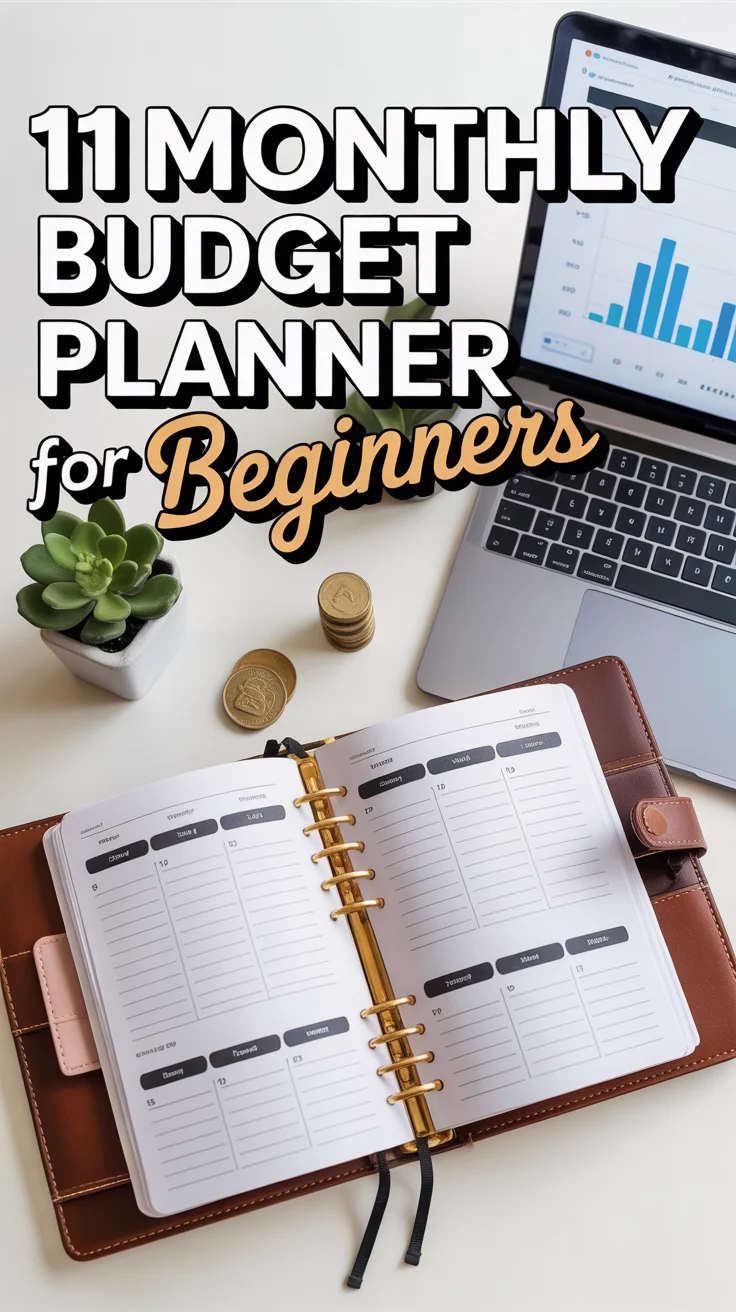
💰 11 Monthly Budget Planner For Beginners
📚 The Financial Literacy Library
The best investment you can ever make is in your own financial education. These 5 cornerstone books are what millionaires, financial advisors, and wealth-builders universally recommend for completely rewiring how you think about earning, saving, and investing money.
🧠 The Psychology of Money
Doing well with money isn't necessarily about what you know—it's about how you behave. Morgan Housel masterfully breaks down the emotional and psychological biases that secretly dictate our financial decisions, offering a true paradigm shift in how to view wealth.
🏠 Rich Dad Poor Dad
The #1 personal finance book of all time for a reason. This foundational read shatters the myth that you need to earn a high income to be rich, teaching you the critical difference between working for money and making your money work for you via assets.
📈 Atomic Habits
While not strictly a finance book, building wealth is absolutely dependent on the daily habits you cultivate. James Clear provides the definitive framework for breaking bad spending habits and effortlessly automating the good ones that lead to long-term success.
📊 The Simple Path to Wealth
The ultimate antidote to complex, intimidating financial advice. JL Collins provides an incredibly accessible, low-stress roadmap to financial independence through index fund investing, perfectly explaining why simplicity beats Wall Street complexity every time.
💳 I Will Teach You to Be Rich
A tactical, no-BS, 6-week program that actually works. Ramit Sethi teaches you how to crush debt, automate your savings, and negotiate your salary—all while guilt-free spending on the things you truly love. A must-read for modern money management.
Okay, let’s be real. Budgeting sounds about as fun as watching paint dry, right? Or maybe as thrilling as sorting your socks by thread count. But what if we told you it doesn’t have to be a soul-crushing chore? What if it could actually be… empowering? We get it, money talk can feel like a heavy lift, but wrangling your finances is basically adulting on expert mode, and we are here to guide you through it. Forget complicated spreadsheets or deprivation diets for your wallet; we’re diving into eleven super-actionable, totally beginner-friendly steps to get your cash flow looking fabulous.
1. The “Know Thyself” Income Check
First things first, you need to actually know what you’re working with. Pull out those pay stubs and figure out your net income – that’s the money that actually hits your bank account after taxes and deductions. Don’t guess; you’re not playing a game of financial roulette here. A pro tip: always use your lowest monthly income if it fluctuates, just to be safe. This step gives you the solid foundation you need, no more pretending.
2. Track Your Spending Like a Hawk
Before you even think about cutting back, you need to see where your money currently vanishes. For one full month, track every single dollar you spend. Seriously, every latte, every streaming service, every impulse buy. Use an app, a spreadsheet, or even a tiny notebook – whatever works for you. This isn’t about judgment; it’s about observing your money’s journey. You’ll probably uncover some truly wild spending habits you never knew you had.
3. Embrace the 50/30/20 Rule
This rule is your new financial BFF, trust us. It suggests allocating 50% of your income to needs (rent, groceries, utilities), 30% to wants (dining out, entertainment, hobbies), and 20% to savings and debt repayment. It’s a super flexible guideline, not a rigid law, so feel free to tweak those percentages slightly to fit your life. This simple framework brings instant clarity to your spending categories.
4. Ditch the Subscription Creep
You probably signed up for a free trial three years ago and completely forgot about it, right? We’ve all been there. Go through your bank statements and identify all those recurring subscriptions. Cancel anything you don’t actively use or truly value. A pro tip: set a calendar reminder to review these quarterly. You’ll be amazed at how much phantom money you reclaim from forgotten services.
5. Set Realistic Financial Goals
Budgeting without a goal is like driving without a destination – pointless. Decide what you want your money to do for you. Is it saving for a down payment, paying off a credit card, or finally taking that dream trip? Make your goals SMART: Specific, Measurable, Achievable, Relevant, and Time-bound. This isn’t about deprivation; it’s about intentional living. Having a clear target keeps you motivated when the going gets tough.
6. Try the Zero-Based Budget
This sounds intense, but it’s actually incredibly liberating. With a zero-based budget, you assign every single dollar of your income a job until your income minus your expenses equals zero. It doesn’t mean you have zero dollars left in your account; it means every dollar has a purpose. A pro tip: use an app like YNAB (You Need A Budget) to make this process smoother. This method gives you ultimate control, turning you into the boss of your money.
7. Build an Emergency Fund (Seriously)
Life throws curveballs, often expensive ones. An emergency fund is your financial safety net, protecting you from unexpected expenses like car repairs or medical bills without derailing your entire budget. Start small, even if it’s just $500 or $1000 initially. A pro tip: set up an automated transfer to a separate, high-yield savings account. This fund gives you incredible peace of mind and prevents debt when disaster strikes.
8. Plan for “Fun Money”
Nobody wants to feel like they’re living on ramen and regret. Purposefully allocate a small portion of your budget to “fun money” for guilt-free spending on things you enjoy. Whether it’s dining out, a new outfit, or tickets to a concert, make sure it’s in the budget. A pro tip: use cash for your fun money, so when it’s gone, it’s gone. This strategy prevents burnout and makes your budget sustainable in the long run.
9. Review and Adjust Monthly
Your budget isn’t a tattoo; it’s a living document that needs regular check-ups. At the end of each month, sit down and compare your actual spending to your budgeted amounts. What worked? What didn’t? Where did you overspend? A pro tip: treat this review as a learning opportunity, not a chance to beat yourself up. Regularly tweaking your budget ensures it remains relevant to your life.
10. Automate Your Savings
Want to save money without even thinking about it? Set up automatic transfers from your checking account to your savings or investment accounts on payday. “Pay yourself first” is not just a catchy phrase; it’s a powerful strategy. A pro tip: schedule these transfers to happen right after your paycheck lands, before you have a chance to spend the money. Automation is your secret weapon for consistent progress.
11. Find a Budget Buddy
Everything is easier with a friend, right? Find someone you trust – a partner, a friend, or even a family member – who is also working on their finances. Share your goals, celebrate wins, and hold each other accountable. A pro tip: choose someone who will be supportive and understanding, not judgmental. This extra layer of accountability keeps you motivated and on track, even when motivation wanes.
💼 The Money Management Toolkit
Knowledge is power, but proper execution requires the right tools. Getting your financial life organized doesn't have to be overwhelming. These 5 physical management tools are exactly what successful households use to budget, track cash, and secure their most important assets.
📝 Clever Fox Budget Planner & Bill Organizer
The ultimate analog command center for your finances. Sometimes keeping your budget in an app just doesn't stick. Physically writing down your goals, tracking expenses, and planning for debt payoff creates a level of accountability that digital spreadsheets simply can't match.
💵 A6 Leather Cash Stuffing Binder
The viral tool that made the cash-envelope budgeting system popular again. By allocating actual physical cash to designated envelopes (groceries, dining out, fun money), you physically cap your spending, making it virtually impossible to overdraft or overspend.
🔥 Fireproof & Waterproof Document Safe
A critical piece of financial security that many families overlook. Protecting your passports, birth certificates, property deeds, and estate planning documents from disaster is just as important as protecting the money in your bank account.
🏷️ Brother P-Touch Digital Label Maker
The unsung hero of a functional home office. When tax season rolls around or you need to find an important receipt, having perfectly labeled and categorized filing cabinets or accordion folders saves hours of frustrating searches and potential late fees.
🔒 SentrySafe Compact Fireproof Lock Box
For the physical assets that need extra heavy-duty protection—think emergency cash reserves, hard drives with Bitcoin cold wallets, or physical precious metals. This compact, locking safe provides peace of mind that your physical wealth is secure at home.
Conclusion
See? That wasn’t so bad, was it? Budgeting isn’t about restricting your life; it’s about giving yourself permission to live the life you actually want by making intentional choices with your money. You’ve got this. Start small, stay consistent, and remember that every step, no matter how tiny, moves you closer to financial freedom. Go forth and conquer your cash flow!