How To Save Money On A Low Income
📚 The Financial Literacy Library
The best investment you can ever make is in your own financial education. These 5 cornerstone books are what millionaires, financial advisors, and wealth-builders universally recommend for completely rewiring how you think about earning, saving, and investing money.
🧠 The Psychology of Money
Doing well with money isn't necessarily about what you know—it's about how you behave. Morgan Housel masterfully breaks down the emotional and psychological biases that secretly dictate our financial decisions, offering a true paradigm shift in how to view wealth.
🏠 Rich Dad Poor Dad
The #1 personal finance book of all time for a reason. This foundational read shatters the myth that you need to earn a high income to be rich, teaching you the critical difference between working for money and making your money work for you via assets.
📈 Atomic Habits
While not strictly a finance book, building wealth is absolutely dependent on the daily habits you cultivate. James Clear provides the definitive framework for breaking bad spending habits and effortlessly automating the good ones that lead to long-term success.
📊 The Simple Path to Wealth
The ultimate antidote to complex, intimidating financial advice. JL Collins provides an incredibly accessible, low-stress roadmap to financial independence through index fund investing, perfectly explaining why simplicity beats Wall Street complexity every time.
💳 I Will Teach You to Be Rich
A tactical, no-BS, 6-week program that actually works. Ramit Sethi teaches you how to crush debt, automate your savings, and negotiate your salary—all while guilt-free spending on the things you truly love. A must-read for modern money management.
It’s easy to feel overwhelmed when your income barely covers the bills. I’ve been there, staring at bank statements that felt more like a cruel joke than a financial report. But I learned that even with very little, saving is possible.
This guide shares the exact steps I took, making saving money a real, achievable goal, not just a distant dream. You can build financial stability, even when starting from scratch.

Quick Overview
This guide will walk you through practical strategies to take control of your money and start saving, no matter your current income level. You’ll gain clear, actionable steps to transform your financial habits.
- Time needed: Initial setup 1-2 hours; ongoing effort 15-30 minutes per week.
- Difficulty: Beginner
- What you’ll need: A notebook or spreadsheet, a pen, access to your bank statements, and an open mind.
Step-by-Step Instructions
Step 1: Get Honest About Your Money
Before you can save, you need to understand exactly where every dollar goes. This isn’t about judgment; it’s about clarity. Knowledge is power, especially with your money.
Track every single expense for a month. Write down cash purchases, card swipes, and online orders.
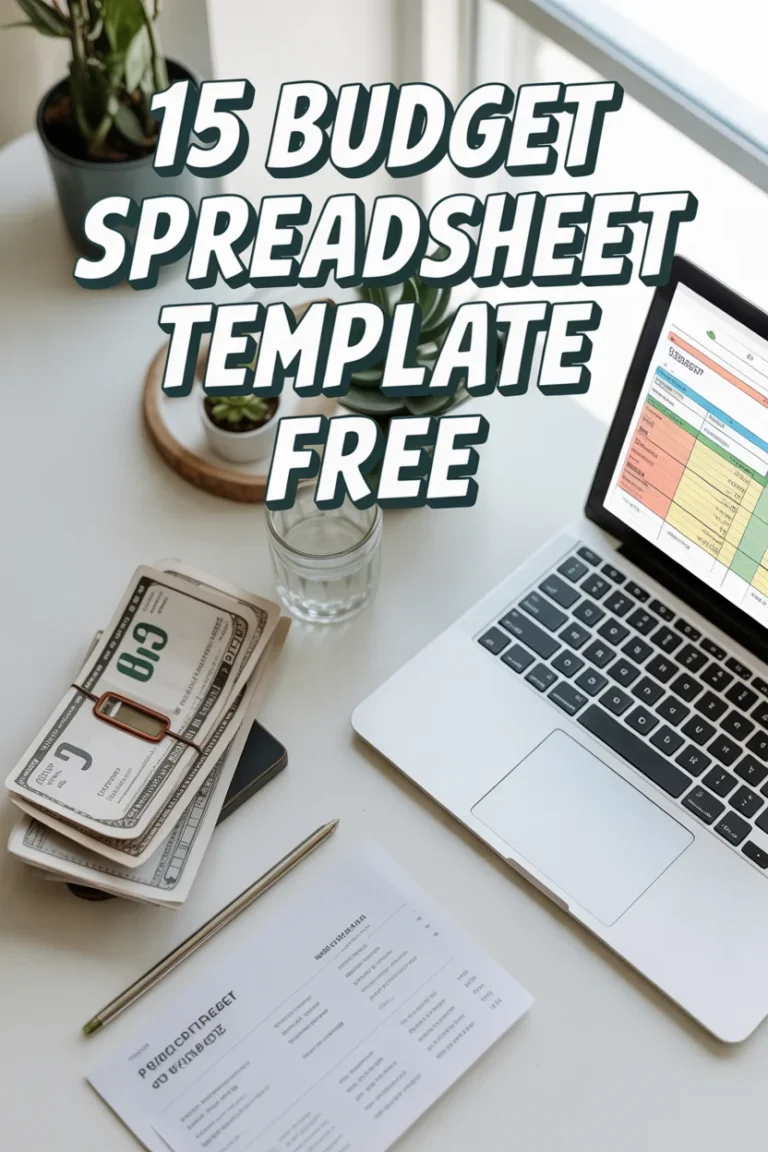
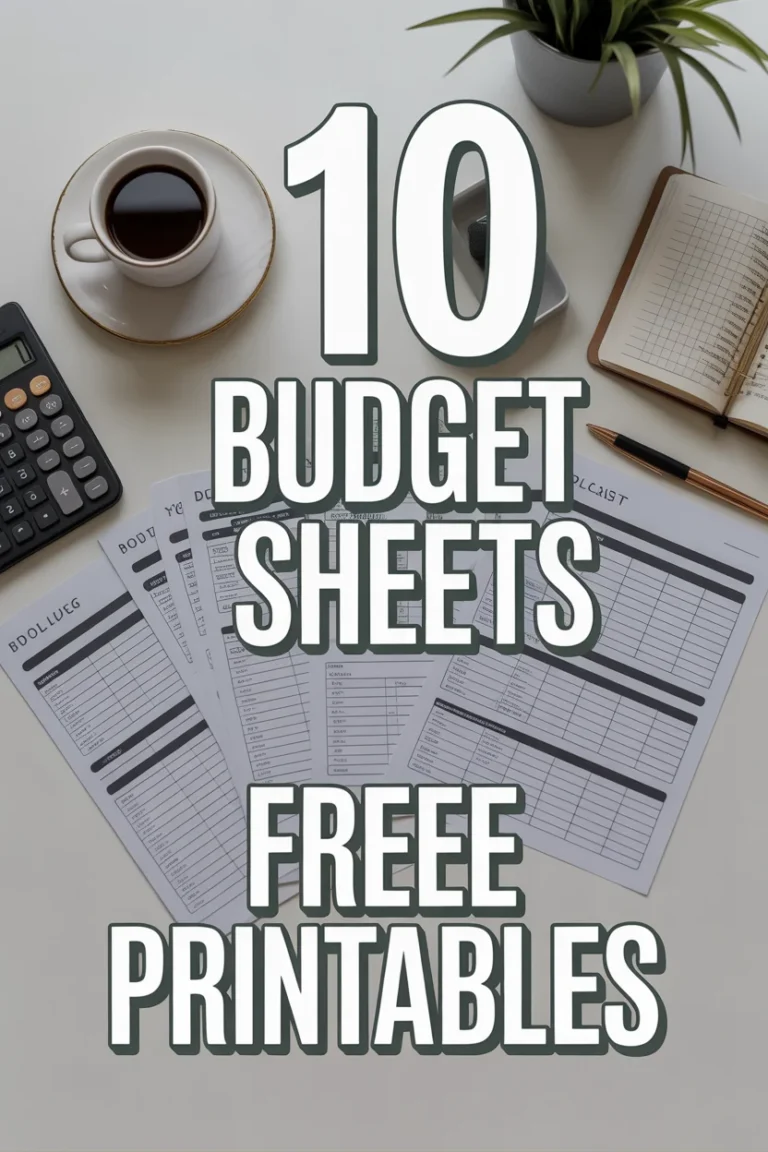
Use a simple notebook, a free budgeting app, or a spreadsheet. The method doesn’t matter as long as it works for you.
Categorize your spending: rent, groceries, transport, entertainment, etc. This helps you spot patterns.
Pro Tip: Don’t try to change anything during this first month. Just observe. Your goal is to gather data, not to immediately restrict yourself. This helps build awareness without feeling deprived.
Step 2: Create a “Bare Bones” Budget
Now that you know where your money goes, it’s time to plan where it should go. A bare bones budget focuses only on the absolute essentials.
List all your income sources. Be realistic about the total amount you have coming in.
Identify your non-negotiable fixed expenses: rent/mortgage, essential utilities (electricity, water), loan payments.
Determine your essential variable expenses: groceries, transportation for work, necessary medication. Estimate these carefully.
Subtract your total essential expenses from your total income. The remaining amount is what you have left for everything else, or ideally, for savings.
Step 3: Trim the Fat: Ruthless Cuts
This is where many people get stuck, but it’s also where the biggest wins happen. Look at your spending from Step 1 and compare it to your bare bones budget.
Cancel subscriptions you don’t use or need. Think streaming services, gym memberships, or apps.
Reduce discretionary spending like eating out, impulse buys, or expensive coffees. Even small daily purchases add up significantly.
Find cheaper alternatives for essential services. Can you switch phone plans, insurance providers, or internet packages?
Negotiate bills. Call your providers and ask for a better rate or loyalty discount. Many companies will work with you to keep your business.
Pro Tip: Challenge yourself to a “no-spend” day or week. This helps reset your spending habits and shows you what you truly need versus what you just want.
Step 4: Boost Your Income, Even a Little
Sometimes, cutting expenses isn’t enough. Finding ways to bring in even a small amount of extra money can make a huge difference to your savings goals.
Sell unused items around your home. Clothes, electronics, furniture – list them on local marketplaces or online apps.
Offer simple services in your neighborhood. Think pet sitting, yard work, or running errands for others.
Look for gig work that fits your schedule. Delivery services, online surveys, or freelance tasks can provide supplemental income.
Ask for more hours at your current job if possible. Even an extra shift can add up.
Step 5: Automate Your Savings (The “Pay Yourself First” Rule)
This is arguably the most powerful saving strategy. Make saving a non-negotiable bill you pay yourself first.
Set up an automatic transfer from your checking account to a separate savings account.
Start with a small, manageable amount. Even $5 or $10 per week is a fantastic start. The goal is consistency.
Schedule the transfer to happen right after you get paid. This way, you save before you have a chance to spend.
Increase the amount gradually as your financial situation improves or as you find more ways to cut expenses.
Step 6: Shop Smarter, Not Harder
Food and household items are major expenses. Changing how you shop can free up significant cash.
Plan your meals for the week. Make a grocery list based on your plan and stick to it strictly.
Cook at home more often. Eating out is almost always more expensive than preparing your own meals.
Buy generic brands. For many products, the quality is identical to name brands but the price is much lower.
Look for sales and use coupons. Check store flyers and online apps before you shop.
Avoid shopping when hungry. This often leads to impulse buys and unhealthy choices.
Step 7: Reduce Utility Bills and Home Expenses
Your home can be a money pit or a money-saving machine. Small changes can lead to noticeable savings.
Unplug electronics when not in use. They can draw “phantom power” even when turned off.
Adjust your thermostat. A few degrees cooler in winter and warmer in summer can lower heating and cooling costs.
Use energy-efficient light bulbs. LED bulbs last longer and use less electricity.
Fix leaky faucets. Even small drips waste water and money.
Consider line-drying laundry when possible to save on dryer electricity.
Step 8: Tackle Debt Strategically
High-interest debt can eat away at any money you try to save. Making a plan to reduce it is crucial.
List all your debts, including the interest rate and minimum payment for each.
Focus on paying off the debt with the highest interest rate first (the “debt avalanche” method). This saves you the most money in the long run.
Alternatively, pay off the smallest debt first (the “debt snowball” method). This creates quick wins and builds momentum.
Always make at least the minimum payments on all debts to avoid penalties and damage to your credit score.
Step 9: Build a Small Emergency Fund
Life happens. A small emergency fund prevents you from going into debt when unexpected costs arise.
Start with a modest goal, like $100 or $500. This might seem small, but it’s a powerful first step.
Keep this money in a separate, easily accessible savings account.
Resist the urge to dip into it for non-emergencies. This fund is for true financial surprises.
Gradually work towards building three to six months of essential living expenses. This is a long-term goal, but every dollar helps.
Step 10: Cultivate a Wealth-Building Mindset
Saving money isn’t just about numbers; it’s about changing your perspective on money and your future.
Practice gratitude for what you have. This helps reduce the urge for impulse spending.
Educate yourself. Read books, listen to podcasts, or watch videos about personal finance.
Visualize your financial goals. Imagine what it will feel like to be debt-free or to have a robust savings account.
Be patient and kind to yourself. There will be setbacks, but consistency over time is what truly matters.
Celebrate small victories. Acknowledging your progress keeps you motivated and reinforces good habits.
Common Mistakes to Avoid
Ignoring Small Expenses
It’s easy to dismiss a daily coffee or a small snack as insignificant. However, these “micro-expenses” add up quickly over a month or a year. Many people overlook these small outflows, which prevents them from seeing the full picture of their spending. Focus on identifying these small, habitual purchases, as they often represent easy areas to cut back.
Trying to Save Too Much Too Soon
Setting an unrealistic savings goal can lead to burnout and frustration. If you try to cut every single expense and save half your income overnight, you’ll likely feel deprived and give up. Start with small, achievable goals that you can consistently meet. Gradually increase your savings rate as you become more comfortable and find new ways to reduce spending.
Not Tracking Progress
Saving money is a journey, and like any journey, you need to know if you’re heading in the right direction. Failing to regularly review your budget and savings progress means you won’t know if your strategies are working. Make it a habit to check in with your finances weekly or monthly, celebrating successes and adjusting your plan when needed. This keeps you engaged and motivated.
Falling for “Get Rich Quick” Schemes
When money is tight, the allure of quick solutions can be strong. However, promises of instant wealth or incredibly high returns are almost always scams. These schemes often lead to losing the little money you have. Focus on proven, consistent strategies like budgeting, smart spending, and gradual saving. Building wealth takes time and discipline, not magic.
Troubleshooting
“I can’t find anything else to cut.”
It can feel like you’ve squeezed every last drop from your budget. Revisit your “needs” versus “wants” list. Sometimes, items we consider essential can be temporarily downgraded or eliminated. For example, can you carpool or use public transport instead of driving? Can you make coffee at home instead of buying it? Look at your biggest expenses like housing, food, and transport and brainstorm extreme, temporary changes. Also, consider ways to boost your income, even if it’s just a small amount from selling unused items.
“My income is too low to save.”
While challenging, saving is still possible, even with a very low income. The key is to start incredibly small. Can you save just $1 a week? Or even $5 a month? The habit of saving is more important than the amount when you’re starting. As your income fluctuates, you can adjust. Focus intensely on the income-boosting strategies from Step 4. Every extra dollar earned can go directly into savings, creating momentum. Look into any government programs or assistance you might qualify for to free up some of your existing income.
“I keep dipping into my savings.”
This is a common struggle. First, ensure your savings account is separate from your checking account and not too easily accessible (e.g., no debit card linked to it). Second, identify why you’re dipping into it. Is it for true emergencies, or for impulse purchases? If it’s emergencies, your emergency fund might be too small, or your budget needs to include a buffer for unexpected but non-emergency costs. If it’s impulse spending, reinforce your “why” for saving and consider a “cooling-off” period before making any non-essential purchase. Give yourself 24-48 hours to decide if you really need it.
Key Takeaways
- Understanding your current cash flow is the crucial first step to saving money.
- A “bare bones” budget helps prioritize essential spending and identify areas for cuts.
- Even small, consistent savings add up significantly over time.
- Boosting your income, even slightly, can accelerate your savings goals.
- Automating your savings ensures you “pay yourself first” before spending.
- Adopting a patient, disciplined, and positive money mindset is fundamental for long-term success.
Frequently Asked Questions
How much should I aim to save?
When starting on a low income, focus on consistency rather than a specific percentage. Aim to save any amount you can consistently manage, even if it’s just a few dollars. As your income increases or expenses decrease, gradually work towards saving 10-20% of your income. The most important thing is to build the habit first.
Is it really worth saving tiny amounts?
Absolutely, yes! Saving tiny amounts builds the habit, which is invaluable. It also creates a small buffer, which can prevent you from going into debt for minor unexpected expenses. Over time, these small amounts accumulate. The psychological boost of seeing your savings grow, no matter how slowly, is a powerful motivator.
What if I have unexpected expenses that wipe out my savings?
This is precisely why building an emergency fund is so important. When unexpected costs arise, use your emergency fund rather than going into debt. After using it, prioritize replenishing it as quickly as possible. This is not a failure; it’s your savings doing exactly what they’re meant to do: protect you.
How long will it take to see real progress?
Progress can be seen almost immediately once you start tracking and budgeting. You’ll gain clarity and control. As for significant savings, it depends on your income and how much you can consistently save. Be patient and consistent. Financial freedom is a marathon, not a sprint. Celebrate every small win along the way.
Our Top Recommended Finds
- Budgeting Planner/Notebook: A simple physical planner helps you track expenses and plan your budget without distractions.
- Reusable Water Bottle: Cut down on daily bottled water purchases by carrying your own. It’s a small change with a big impact over time.
- Slow Cooker/Instant Pot: These kitchen appliances make it easy and cost-effective to prepare large, healthy meals at home, saving you money on takeout.
Your Journey to Financial Freedom Starts Now
You have the power to change your financial story, no matter your income. This guide provides a clear roadmap, but the most crucial step is the one you take today. Don’t wait for the “perfect” moment or a higher salary. Start with what you have, right now.
Begin tracking your expenses, make one small cut, or set up that tiny automatic transfer. Every single action, no matter how small, moves you closer to financial peace. Keep learning, stay persistent, and remember that consistent effort builds lasting wealth.