💰 10 Saving Money Tips Weekly
📚 The Financial Literacy Library
The best investment you can ever make is in your own financial education. These 5 cornerstone books are what millionaires, financial advisors, and wealth-builders universally recommend for completely rewiring how you think about earning, saving, and investing money.
🧠 The Psychology of Money
Doing well with money isn't necessarily about what you know—it's about how you behave. Morgan Housel masterfully breaks down the emotional and psychological biases that secretly dictate our financial decisions, offering a true paradigm shift in how to view wealth.
🏠 Rich Dad Poor Dad
The #1 personal finance book of all time for a reason. This foundational read shatters the myth that you need to earn a high income to be rich, teaching you the critical difference between working for money and making your money work for you via assets.
📈 Atomic Habits
While not strictly a finance book, building wealth is absolutely dependent on the daily habits you cultivate. James Clear provides the definitive framework for breaking bad spending habits and effortlessly automating the good ones that lead to long-term success.
📊 The Simple Path to Wealth
The ultimate antidote to complex, intimidating financial advice. JL Collins provides an incredibly accessible, low-stress roadmap to financial independence through index fund investing, perfectly explaining why simplicity beats Wall Street complexity every time.
💳 I Will Teach You to Be Rich
A tactical, no-BS, 6-week program that actually works. Ramit Sethi teaches you how to crush debt, automate your savings, and negotiate your salary—all while guilt-free spending on the things you truly love. A must-read for modern money management.
Hey bestie, let’s be real. Adulting feels a lot like playing a never-ending game of financial whack-a-mole. One minute you’re crushing it, the next your bank account is giving you the side-eye. But what if I told you saving money doesn’t have to mean eating ramen for every meal or giving up your avocado toast? Nope, we’re talking smart, sassy moves that actually work. Get ready to level up your cash game with these 10 genius tips. Your future self (and your shopping cart) will totally thank you.

1. Audit Your Subscriptions
Those monthly charges? They’re like tiny financial vampires, sucking your cash dry without you even noticing. We’re talking streaming services you never watch, apps you downloaded once, and that gym membership you swore you’d use. It’s time for a ruthless purge.
Go through your bank statements with a fine-tooth comb. If you haven’t used it in a month, or it doesn’t bring you sheer joy, it’s gotta go. Think of it as spring cleaning for your digital life. Cancelling even just a couple can free up some serious coin.
2. Master the Meal Prep Game
Daily takeout and impulse grocery runs are basically throwing money into a bonfire. Get ahead of the game by dedicating a few hours each week to meal prepping. Cook in bulk, portion it out, and watch your food budget shrink.
Pick 2-3 recipes you actually enjoy and make enough for lunch and dinner for 3-4 days. You’ll avoid those expensive “I’m too tired to cook” moments and actually eat healthier. It’s a double win, my friend.
3. Embrace the No-Spend Day
Ready for a challenge? Designate one day a week where you spend absolutely zero dollars. No coffee runs, no online shopping, no spontaneous snacks. Nada. It sounds simple, but it’s a true test of willpower.
Plan ahead by packing a lunch, making coffee at home, and finding free entertainment options. Think park strolls, library visits, or finally tackling that book on your nightstand. You’ll be amazed at how much you don’t need to buy.
4. Unsubscribe From Marketing Emails
Those “flash sale” emails are basically tiny little devils whispering sweet nothings into your ear, enticing you to spend. They’re designed to create urgency and make you feel like you’re missing out. Don’t fall for it.
Hit that unsubscribe button like it owes you money. Or, if you absolutely must stay in the loop for certain brands, create a separate junk email address just for online shopping. Out of sight, out of mind, out of wallet.
5. Shop Your Pantry First
Before you even think about writing a grocery list, open up your fridge, freezer, and pantry. Seriously, do it. You probably have a treasure trove of forgotten ingredients just waiting to be turned into a delicious meal.
Challenge yourself to make one “mystery meal” a week using only ingredients you find lurking in the back. Not only does this reduce food waste, but it forces you to get creative and save money on your grocery bill.
6. Ditch Brand Loyalty
Are you really paying for superior quality, or just the fancy label? Often, generic or store brands are made in the same factories as their pricier counterparts, just without the premium branding. Your wallet doesn’t care about logos.
For items like cleaning supplies, paper products, and even some pantry staples, always check the store brand option first. Taste tests often show little to no difference, and your bank account will certainly notice.
7. Automate Your Savings
Make saving money completely effortless by setting up an automatic transfer from your checking to your savings account. Even a small amount, like $25 a week, adds up surprisingly fast. You won’t even miss it.
Start with something tiny that feels painless, then gradually increase the amount as you get comfortable. It’s like paying yourself first, but without the mental effort. Set it and forget it, baby.
8. Embrace DIY for Minor Repairs
Before you call a professional for every little hiccup, consider if it’s something you can tackle yourself. A quick YouTube tutorial can turn you into a minor repair wizard, saving you a fortune on labor costs.
Learn basic sewing for ripped seams, how to unclog a drain, or even change a light fixture. You’d be amazed what you can accomplish with a screwdriver and some grit. Plus, newfound skills are always a win.
9. Reconsider Your Commute Costs
Your daily commute might be bleeding your budget dry. Think about gas, parking fees, and the wear and tear on your vehicle. Are there more cost-effective (and eco-friendly) ways to get around?
Explore public transport, biking, or carpooling. Even switching to public transport a couple of days a week can make a significant difference. Plus, you can actually read that book you’ve been meaning to get to.
10. Practice the 30-Day Rule
Impulse buys are the enemy of a healthy bank account. For any non-essential purchase over a certain amount (say, $50), implement the 30-day rule. Wait a full month before you actually buy it.
Put the item in your online cart, or take a picture of it in the store. If you still really want it after 30 days, go for it. More often than not, the urge will pass, and you’ll realize you didn’t need it anyway.
💼 The Money Management Toolkit
Knowledge is power, but proper execution requires the right tools. Getting your financial life organized doesn't have to be overwhelming. These 5 physical management tools are exactly what successful households use to budget, track cash, and secure their most important assets.
📝 Clever Fox Budget Planner & Bill Organizer
The ultimate analog command center for your finances. Sometimes keeping your budget in an app just doesn't stick. Physically writing down your goals, tracking expenses, and planning for debt payoff creates a level of accountability that digital spreadsheets simply can't match.
💵 A6 Leather Cash Stuffing Binder
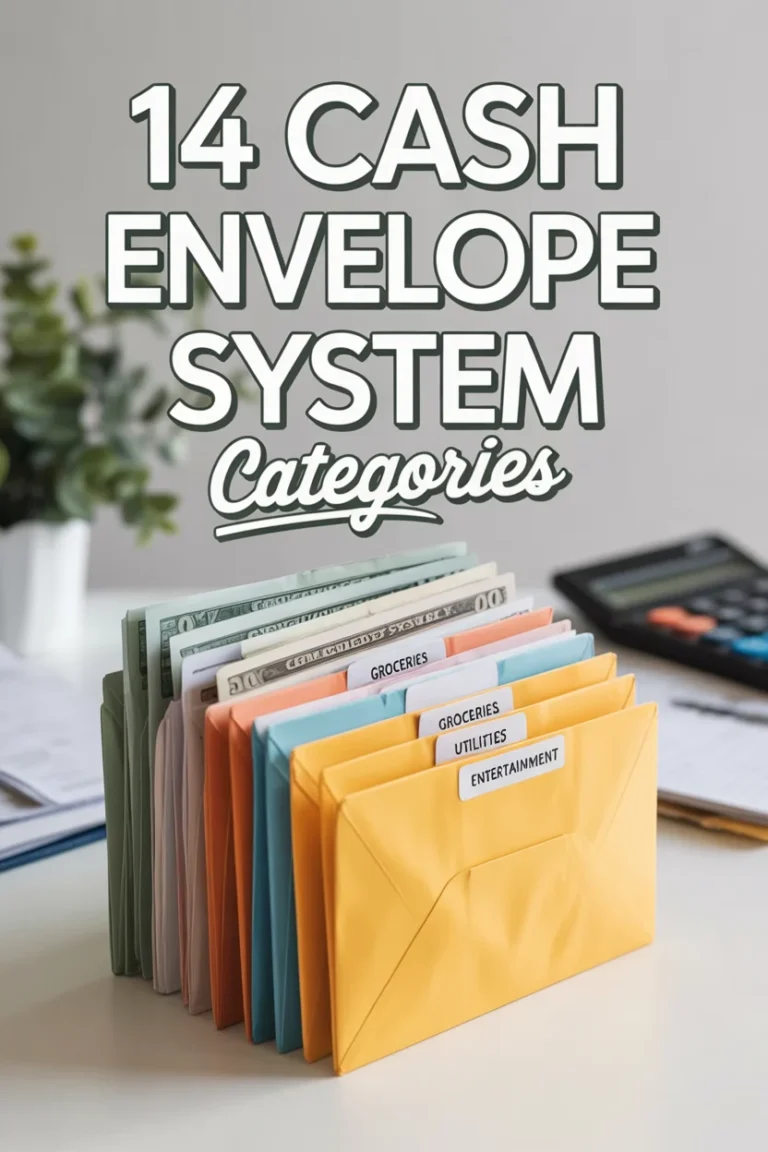
The viral tool that made the cash-envelope budgeting system popular again. By allocating actual physical cash to designated envelopes (groceries, dining out, fun money), you physically cap your spending, making it virtually impossible to overdraft or overspend.
🔥 Fireproof & Waterproof Document Safe
A critical piece of financial security that many families overlook. Protecting your passports, birth certificates, property deeds, and estate planning documents from disaster is just as important as protecting the money in your bank account.
🏷️ Brother P-Touch Digital Label Maker
The unsung hero of a functional home office. When tax season rolls around or you need to find an important receipt, having perfectly labeled and categorized filing cabinets or accordion folders saves hours of frustrating searches and potential late fees.
🔒 SentrySafe Compact Fireproof Lock Box
For the physical assets that need extra heavy-duty protection—think emergency cash reserves, hard drives with Bitcoin cold wallets, or physical precious metals. This compact, locking safe provides peace of mind that your physical wealth is secure at home.
Conclusion
See? Saving money doesn’t have to be a drag. It’s all about making smart, intentional choices and having a little fun along the way. These small shifts in habit can lead to some seriously big wins for your bank account. So go forth, my financially savvy friend, and conquer that budget like the boss you are.