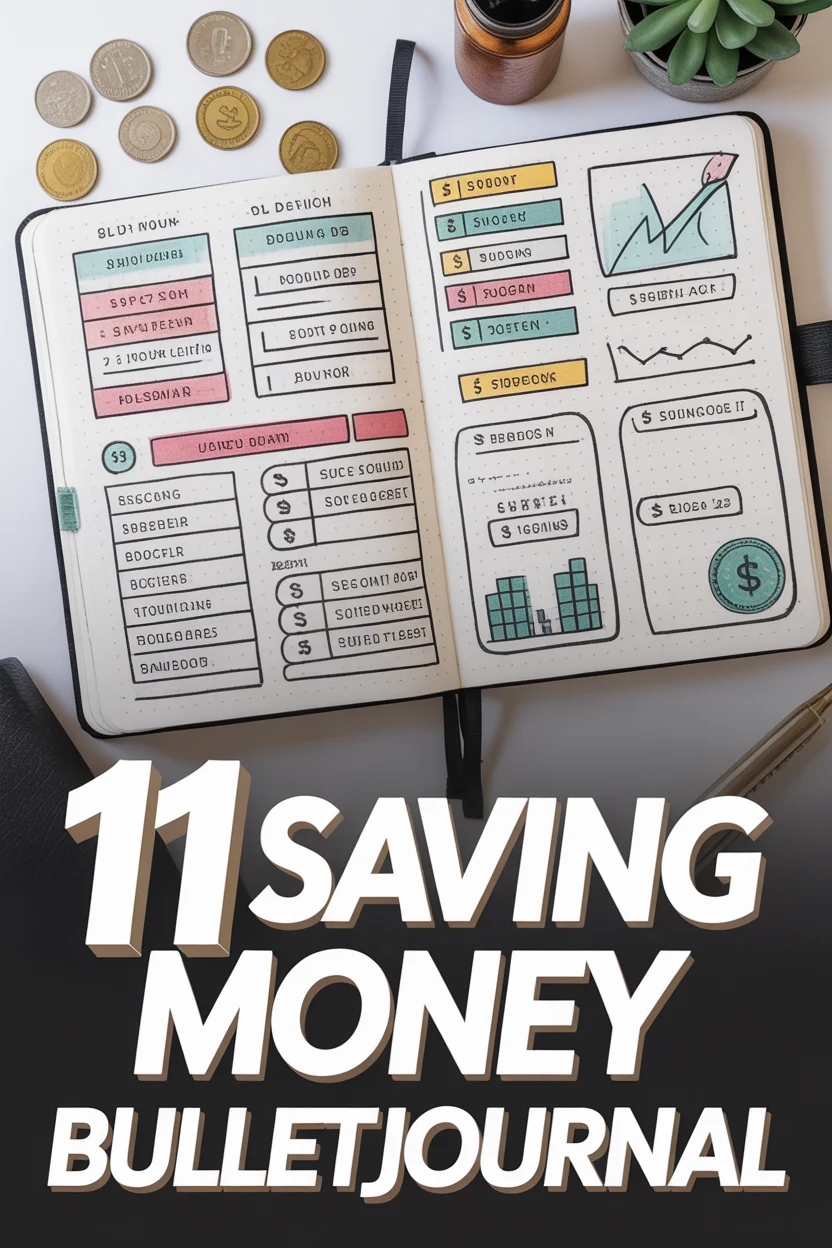
💰 11 Saving Money Bullet Journal
📚 The Financial Literacy Library
The best investment you can ever make is in your own financial education. These 5 cornerstone books are what millionaires, financial advisors, and wealth-builders universally recommend for completely rewiring how you think about earning, saving, and investing money.
🧠 The Psychology of Money
Doing well with money isn't necessarily about what you know—it's about how you behave. Morgan Housel masterfully breaks down the emotional and psychological biases that secretly dictate our financial decisions, offering a true paradigm shift in how to view wealth.
🏠 Rich Dad Poor Dad
The #1 personal finance book of all time for a reason. This foundational read shatters the myth that you need to earn a high income to be rich, teaching you the critical difference between working for money and making your money work for you via assets.
📈 Atomic Habits
While not strictly a finance book, building wealth is absolutely dependent on the daily habits you cultivate. James Clear provides the definitive framework for breaking bad spending habits and effortlessly automating the good ones that lead to long-term success.
📊 The Simple Path to Wealth
The ultimate antidote to complex, intimidating financial advice. JL Collins provides an incredibly accessible, low-stress roadmap to financial independence through index fund investing, perfectly explaining why simplicity beats Wall Street complexity every time.
💳 I Will Teach You to Be Rich
A tactical, no-BS, 6-week program that actually works. Ramit Sethi teaches you how to crush debt, automate your savings, and negotiate your salary—all while guilt-free spending on the things you truly love. A must-read for modern money management.
Okay, real talk. Adulting is expensive. Like, “why is avocado toast not free” expensive. If your bank account is looking more like a sad emoji than a celebratory one, it’s time to get a grip. But fear not, my financially fabulous friend, because we’re about to dive into the glorious world of the saving money bullet journal. Think of it as your personal financial therapist, but way cuter and without the hourly fee. It’s a game-changer for anyone who wants to stop wondering where their cash went and start telling it where to go.
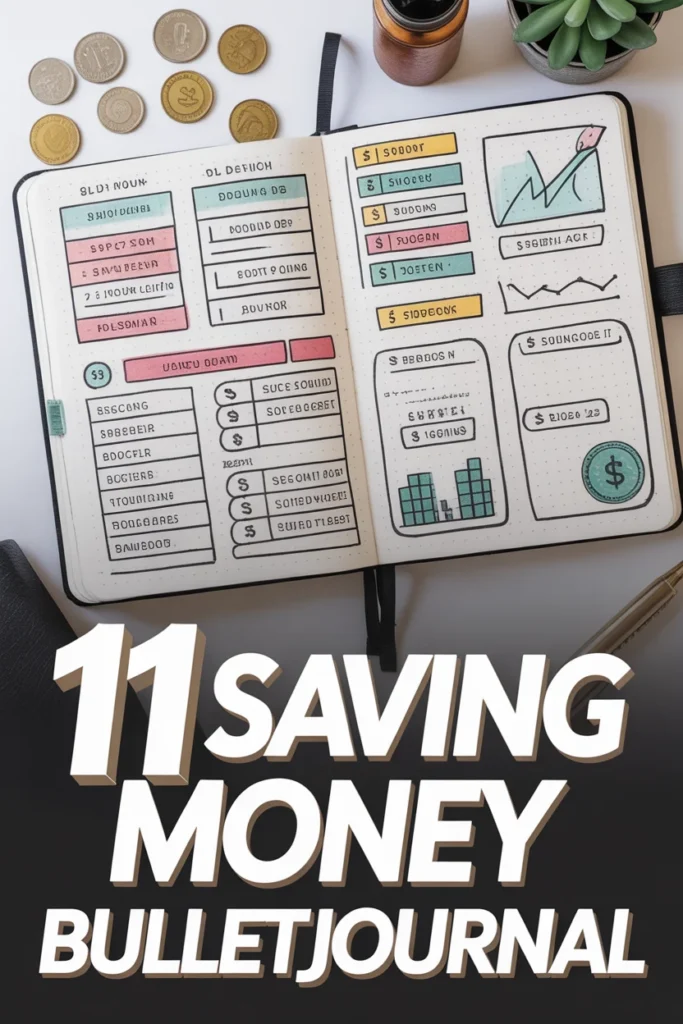
1. Monthly Budget Tracker
This is the grandaddy of all financial spreads, the OG that keeps your money in check. You map out your income, then list every single expense you expect for the month. It’s like giving your money a strict itinerary, no detours allowed.
Break down categories like rent, utilities, groceries, and “oops I bought another plant”. A solid pro tip: always overestimate your variable expenses a little. That way, you’re pleasantly surprised when you spend less, instead of crying into your latte when you overspend. This tracker works because it gives you a clear snapshot of your financial flow, showing you exactly where the leaks are.
2. No-Spend Challenge Tracker
Ready to put your willpower to the test? A no-spend challenge is your personal financial detox, and a tracker makes it feel like an actual quest. You pick a duration – a day, a week, a month – and vow to only spend on absolute necessities.
Mark off each successful day with a satisfying flourish. Highlight the days you almost caved but heroically resisted that impulse purchase. Pro tip: make a list of what you can spend on (like rent, basic groceries) versus what’s absolutely off-limits (that cute new mug). This spread works wonders for breaking bad spending habits and showing you just how much you can save when you’re intentional.
3. Savings Goal Tracker
Dreaming of a new gadget, a getaway, or just a bigger emergency fund? This tracker turns your lofty aspirations into tangible progress. Break your big goal into smaller, manageable chunks.
Create a visual representation, like a thermometer, a jar filling up, or a path with milestones. Every time you stash some cash, color in a section. Pro tip: treat your savings like a bill you absolutely have to pay yourself first. This tracker works because it provides a powerful visual incentive, making your goals feel achievable and exciting.
4. Debt Payoff Tracker
Slaying the debt dragon feels incredible, and this tracker helps you visualize its demise. Whether it’s student loans or credit card balances, seeing your progress fuels your motivation.
List each debt, its current balance, and the minimum payment. Then, track every extra payment you throw at it. A savvy pro tip: research the “debt snowball” or “debt avalanche” methods and incorporate them into your tracker for maximum impact. This spread works because it transforms an overwhelming number into a conquerable challenge, celebrating every step towards financial freedom.
5. “Wants vs. Needs” List
Ever find yourself debating if that artisanal pickle subscription is a “need”? This spread brings a dose of reality. Dedicate a page to categorizing your purchases before you make them.
Draw a line down the middle and label one side “Wants” and the other “Needs.” Be brutally honest with yourself. Pro tip: if you’re unsure, give it 24 hours. If you still “need” it tomorrow, maybe it moves up the list, but probably not. This tracker works because it forces mindful spending, helping you differentiate between essential items and fleeting desires.
6. Future Purchases Wishlist
Delayed gratification is a superpower, and this wishlist is your training ground. Instead of impulse buying, you list items you want and give yourself time to save for them.
Jot down the item, its estimated cost, and why you want it. This isn’t just a list; it’s a strategic plan. Pro tip: assign a “waiting period” to each item – maybe 30 days for smaller things, longer for bigger splurges. This spread works because it curbs impulsive spending and ensures you’re buying things you truly value, not just momentary distractions.
7. Expense Categories Breakdown
“Where did all my money go?” is a question we’ve all muttered. This spread answers it by dissecting your spending into neat, albeit sometimes shocking, categories.
After a month, tally up how much you spent on food, entertainment, transportation, and that mysterious “miscellaneous” category. Pro tip: color-code your categories for a quick visual summary. This breakdown works because it shines a spotlight on your spending habits, revealing areas where you might be unknowingly overspending.
8. Meal Planning & Grocery List
Eating out is a budget buster, and wasted food is just money thrown away. This spread helps you plan your meals, reduce food waste, and save a pretty penny at the grocery store.
Plan your meals for the week, then create your grocery list directly from that plan. Pro tip: check your pantry and fridge before you make your list to avoid buying duplicates. This system works because it streamlines your food budget, making healthy and affordable eating a breeze.
9. Income Streams Tracker
For the side hustlers, the freelancers, or anyone with multiple income sources, this tracker keeps all your incoming cash organized. It’s like a scoreboard for your earning power.
List each income source, the amount, and the date received. This helps you understand your total earning potential. Pro tip: use different colors for different income types to easily spot your top earners. This tracker works because it gives you a comprehensive view of your financial inflows, empowering you to maximize your earning efforts.
10. Subscription Audit Log
Oh, the forgotten subscriptions! That streaming service you barely use, the app you downloaded once, the gym membership you “intend” to use. This log uncovers those sneaky recurring charges.
List every subscription you have, its cost, and renewal date. Then, decide if it’s a “keep,” “cancel,” or “renegotiate.” Pro tip: set a reminder in your phone for a week before each renewal date. This spread works because it helps you ruthlessly cut unnecessary expenses, freeing up cash for things you actually use and love.
11. Sinking Funds Tracker
Sinking funds are like mini savings accounts for specific future expenses – think car repairs, holiday gifts, or that fancy new coffee machine. They prevent big costs from derailing your main budget.
Create a separate section for each sinking fund, noting the target amount and the contributions. Pro tip: automate small transfers into these funds each payday so you don’t even miss the money. This tracker works because it helps you proactively save for known future expenses, avoiding financial stress when those costs inevitably pop up.
💼 The Money Management Toolkit
Knowledge is power, but proper execution requires the right tools. Getting your financial life organized doesn't have to be overwhelming. These 5 physical management tools are exactly what successful households use to budget, track cash, and secure their most important assets.
📝 Clever Fox Budget Planner & Bill Organizer
The ultimate analog command center for your finances. Sometimes keeping your budget in an app just doesn't stick. Physically writing down your goals, tracking expenses, and planning for debt payoff creates a level of accountability that digital spreadsheets simply can't match.
💵 A6 Leather Cash Stuffing Binder
The viral tool that made the cash-envelope budgeting system popular again. By allocating actual physical cash to designated envelopes (groceries, dining out, fun money), you physically cap your spending, making it virtually impossible to overdraft or overspend.
🔥 Fireproof & Waterproof Document Safe
A critical piece of financial security that many families overlook. Protecting your passports, birth certificates, property deeds, and estate planning documents from disaster is just as important as protecting the money in your bank account.
🏷️ Brother P-Touch Digital Label Maker
The unsung hero of a functional home office. When tax season rolls around or you need to find an important receipt, having perfectly labeled and categorized filing cabinets or accordion folders saves hours of frustrating searches and potential late fees.
🔒 SentrySafe Compact Fireproof Lock Box
For the physical assets that need extra heavy-duty protection—think emergency cash reserves, hard drives with Bitcoin cold wallets, or physical precious metals. This compact, locking safe provides peace of mind that your physical wealth is secure at home.
Conclusion
So there you have it, your personal roadmap to financial awesomeness, all tucked neatly into your bullet journal. No more “where did my money go?” panic attacks, just satisfying progress and maybe a little extra cash for that actual need (like, you know, more bullet journal supplies). Grab your pens, unleash your inner financial guru, and start making your money work for you. You got this, future millionaire!