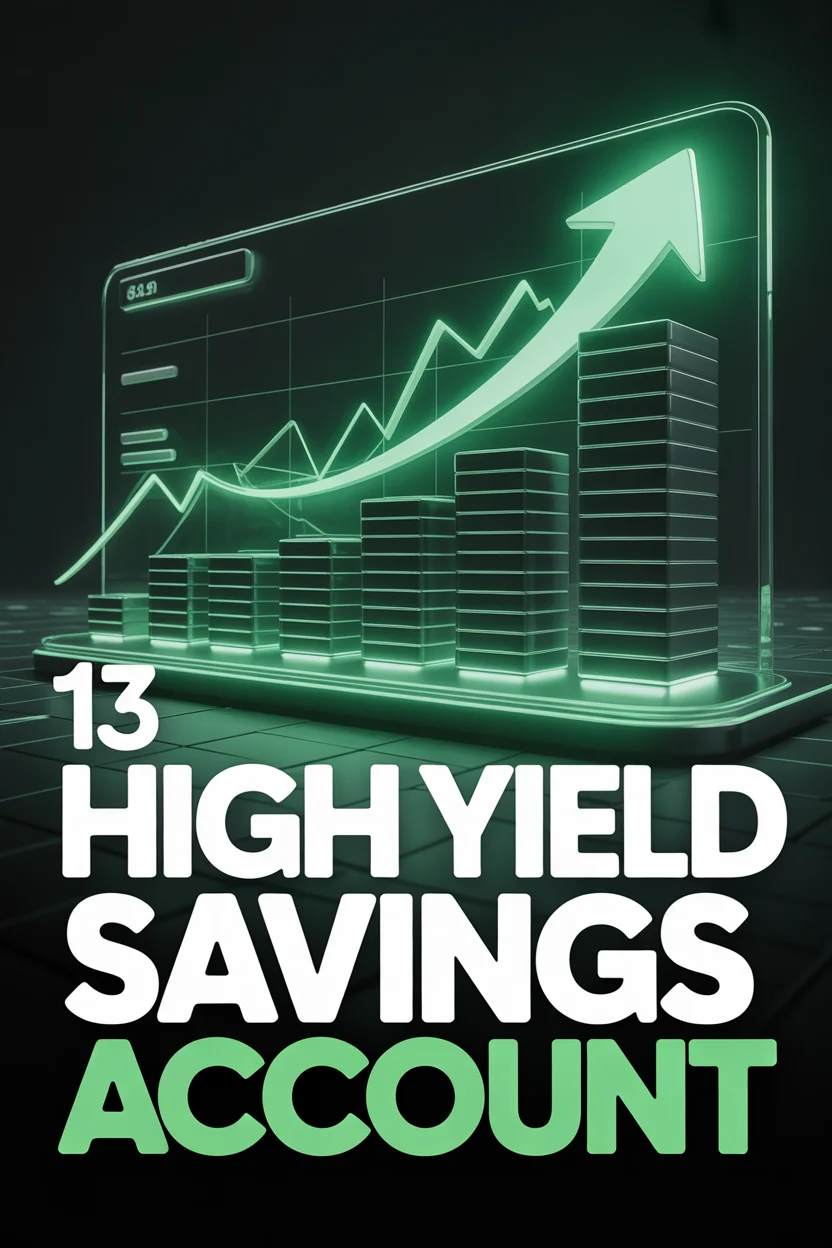
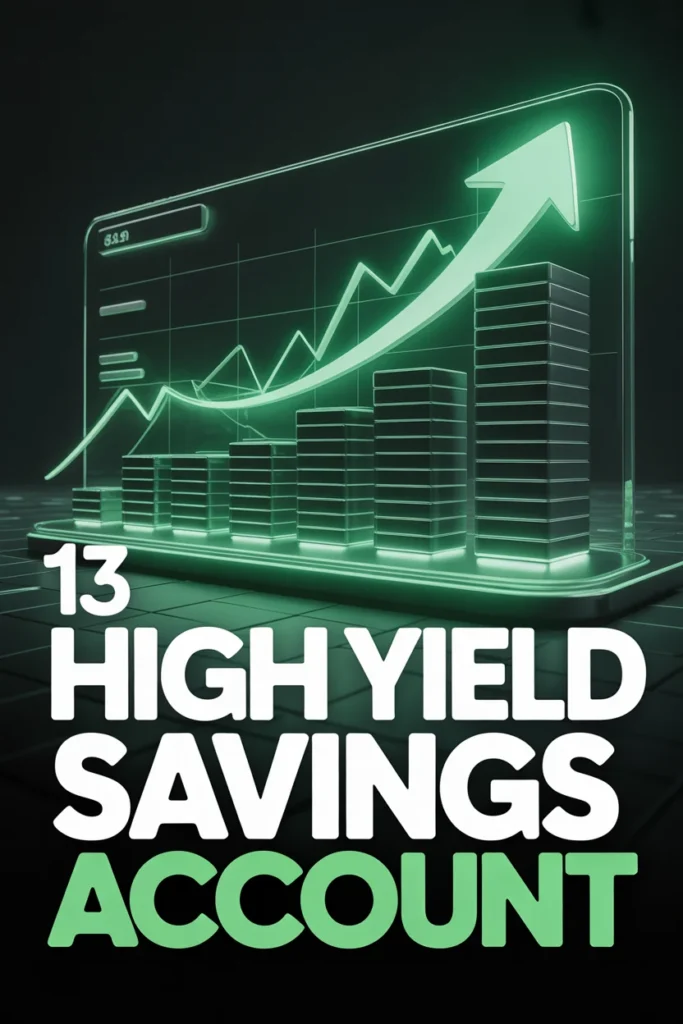
💰 13 High Yield Savings Account
📚 The Financial Literacy Library
The best investment you can ever make is in your own financial education. These 5 cornerstone books are what millionaires, financial advisors, and wealth-builders universally recommend for completely rewiring how you think about earning, saving, and investing money.
🧠 The Psychology of Money
Doing well with money isn't necessarily about what you know—it's about how you behave. Morgan Housel masterfully breaks down the emotional and psychological biases that secretly dictate our financial decisions, offering a true paradigm shift in how to view wealth.
🏠 Rich Dad Poor Dad
The #1 personal finance book of all time for a reason. This foundational read shatters the myth that you need to earn a high income to be rich, teaching you the critical difference between working for money and making your money work for you via assets.
📈 Atomic Habits
While not strictly a finance book, building wealth is absolutely dependent on the daily habits you cultivate. James Clear provides the definitive framework for breaking bad spending habits and effortlessly automating the good ones that lead to long-term success.
📊 The Simple Path to Wealth
The ultimate antidote to complex, intimidating financial advice. JL Collins provides an incredibly accessible, low-stress roadmap to financial independence through index fund investing, perfectly explaining why simplicity beats Wall Street complexity every time.
💳 I Will Teach You to Be Rich
A tactical, no-BS, 6-week program that actually works. Ramit Sethi teaches you how to crush debt, automate your savings, and negotiate your salary—all while guilt-free spending on the things you truly love. A must-read for modern money management.
Okay, real talk. Is your money just chilling in a basic savings account, earning practically nothing? Because if so, it’s time for an intervention. We’re talking about giving your cash a serious glow-up with a High Yield Savings Account. Think of it as your money finally getting the VIP treatment it deserves, instead of just sitting in the corner with a 0.01% APY. It’s like going from a dusty old flip phone to the latest smartphone. Let’s get your finances looking trendy.
1. What Even Is It
You know how your regular savings account is basically a glorified piggy bank? Well, an HYSA is that, but on steroids. It’s a type of savings account that offers a significantly higher interest rate than your average bank.
We’re talking about letting your money actually make money, passively. Think of it as a little side hustle for your cash, only it requires zero effort from you. Look for rates significantly higher than the national average. We’re talking 4-5% APY or more, not 0.01% that barely covers the cost of a gumball.
It’s literally free money for letting your cash chill, compounding away while you scroll TikTok.
2. Online Banks Rule
Forget your grandma’s brick-and-mortar bank with its sad, low rates. Most of the top-tier HYSAs come from online-only banks. Why? Lower overhead for them means they can pass those savings (and higher interest rates) directly onto you.
Don’t be scared of not having a physical branch. In this day and age, most transactions are digital anyway, and customer service is usually just a chat or call away. Digital convenience meets actual returns. Win-win.
3. APY is Your BFF
When you’re comparing accounts, APY, not APR, is the magic word here. Annual Percentage Yield (APY) includes the effect of compounding interest. It’s the real number you care about because it shows you the total return over a year, considering that your interest starts earning interest too.
Always compare APY across different accounts. Even a small difference can add up to serious cash over time. It’s the true measure of your money’s growth potential.
4. No Fees Are Key
Fees are the absolute worst. They sneak up on your gains like a hungry monster, eating away at your hard-earned interest. Many HYSAs boast zero monthly maintenance fees, which is non-negotiable.
If they have them, run. Seriously, read the fine print. Some might have obscure fees for wire transfers or excessive withdrawals. Your money should be making money, not paying for the privilege of existing.
5. FDIC Insurance Matters
Is your money safe? Yes, if it’s insured. Always ensure your HYSA is FDIC insured up to $250,000 per depositor, per institution. This means if the bank goes belly-up (highly unlikely with reputable ones), your cash is protected.
Most reputable banks are FDIC insured, but it’s always worth a quick check on their website. It’s peace of mind for your hard-earned cash, so you can sleep soundly.
6. Emergency Fund HQ
This is the spot for your emergency fund. An emergency fund needs to be both accessible (you can get to it quickly) and growing (it’s not losing value to inflation). An HYSA nails both, giving you a safe harbor that also gets a little fatter.
Aim for 3-6 months of living expenses in your emergency fund. Your safety net, but make it profitable. You’re welcome.
7. Savings Goals Supercharger
Saving for that dream vacation to Bali, a new car, or a down payment on your first place? Instead of letting that cash sit idle, stash it in an HYSA. It’ll get you to your goal faster, thanks to the magic of compound interest.
Consider setting up separate HYSAs or “buckets” within one account for different goals. Many online banks offer this feature. Watch your goals get closer, thanks to your money working overtime.
8. Liquidity is Still There
Unlike Certificates of Deposit (CDs), your money isn’t locked away forever. HYSAs offer relatively easy access to your funds. Transfers to your checking account usually take a business day or two.
While liquid, avoid treating it like a checking account where you’re constantly pulling money out. You want that money to grow, remember? Flexibility meets fantastic returns.
9. Interest Income is Taxable
Ugh, adulting means taxes, even on your HYSA gains. The interest you earn is considered taxable income. You’ll get a 1099-INT form from your bank if you earn more than $10 in interest.
Don’t get caught off guard. Factor this into your financial planning, especially for larger sums. It’s a small price to pay for making your money work harder, honestly.
10. Rates Fluctuate
Heads up: interest rates aren’t set in stone. HYSA rates are often tied to the federal funds rate, which means they can go up or down. So, the rate you sign up for today might be different in a few months.
Keep an eye on the market. If your bank’s rate drops significantly, it might be time to shop around for a better deal. Stay agile, stay profitable.
11. Minimum Balances Vary
Some accounts are a bit bougie and require a larger initial deposit, while others are totally chill. Check for any minimum deposit requirements to open the account or to maintain the advertised APY.
If you’re just dipping your toes in, start with an account that has no minimums. That way, you’re not stressing about hitting a certain threshold. Find an account that fits your current cash flow and comfort level.
12. Easy Setup
You’re probably thinking this sounds complicated, but it’s really not. Opening an HYSA online typically takes less than 15 minutes. You’ll usually need your ID, Social Security number, and your current bank account info for the initial transfer.
Seriously, it’s easier than ordering takeout or setting up a new streaming service. Just a few clicks and your money is on its way to a better life.
13. Automate Your Savings
Set it and forget it, baby. The best way to make your HYSA work for you is to link your checking account and set up automatic transfers. Decide how much you want to save each week or month and let technology do the rest.
Start small if you need to, say $25 a week, and gradually increase it as you get comfortable. Consistency is key, and automation makes it effortless. Effortless growth for your bank balance? Yes, please.
💼 The Money Management Toolkit
Knowledge is power, but proper execution requires the right tools. Getting your financial life organized doesn't have to be overwhelming. These 5 physical management tools are exactly what successful households use to budget, track cash, and secure their most important assets.
📝 Clever Fox Budget Planner & Bill Organizer
The ultimate analog command center for your finances. Sometimes keeping your budget in an app just doesn't stick. Physically writing down your goals, tracking expenses, and planning for debt payoff creates a level of accountability that digital spreadsheets simply can't match.
💵 A6 Leather Cash Stuffing Binder
The viral tool that made the cash-envelope budgeting system popular again. By allocating actual physical cash to designated envelopes (groceries, dining out, fun money), you physically cap your spending, making it virtually impossible to overdraft or overspend.
🔥 Fireproof & Waterproof Document Safe
A critical piece of financial security that many families overlook. Protecting your passports, birth certificates, property deeds, and estate planning documents from disaster is just as important as protecting the money in your bank account.
🏷️ Brother P-Touch Digital Label Maker
The unsung hero of a functional home office. When tax season rolls around or you need to find an important receipt, having perfectly labeled and categorized filing cabinets or accordion folders saves hours of frustrating searches and potential late fees.
🔒 SentrySafe Compact Fireproof Lock Box
For the physical assets that need extra heavy-duty protection—think emergency cash reserves, hard drives with Bitcoin cold wallets, or physical precious metals. This compact, locking safe provides peace of mind that your physical wealth is secure at home.
Conclusion
So, there you have it. Your money deserves better than collecting dust in a sad, low-yield account. Opening a High Yield Savings Account is one of the simplest, smartest financial moves you can make right now.
It’s not just about saving; it’s about making your savings work for you, passively. Go forth and get your money that much-needed financial glow-up. You (and your future self) will thank you.