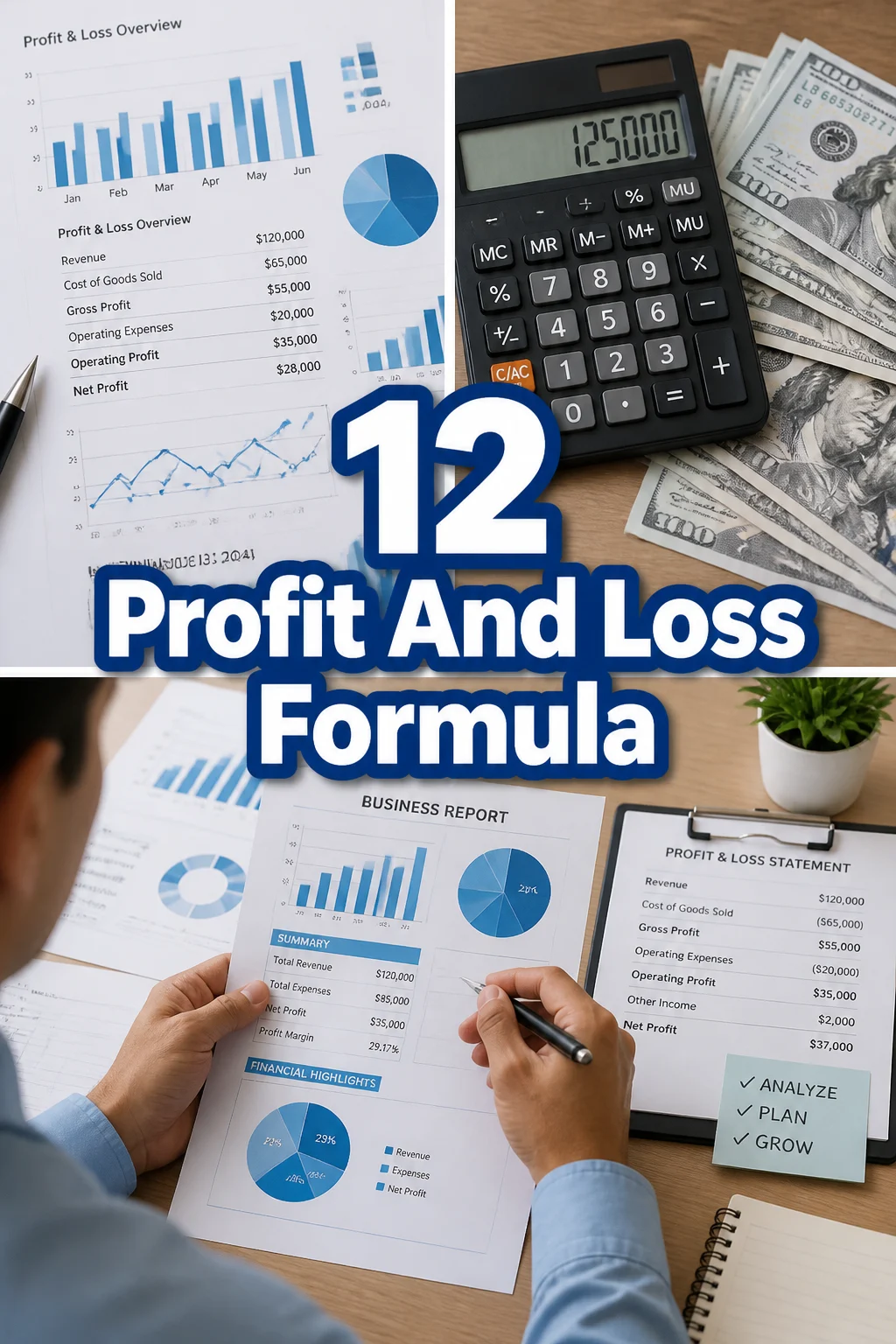
💰 12 Profit And Loss Formula
📚 The Financial Literacy Library
The best investment you can ever make is in your own financial education. These 5 cornerstone books are what millionaires, financial advisors, and wealth-builders universally recommend for completely rewiring how you think about earning, saving, and investing money.
🧠 The Psychology of Money
Doing well with money isn't necessarily about what you know—it's about how you behave. Morgan Housel masterfully breaks down the emotional and psychological biases that secretly dictate our financial decisions, offering a true paradigm shift in how to view wealth.
🏠 Rich Dad Poor Dad
The #1 personal finance book of all time for a reason. This foundational read shatters the myth that you need to earn a high income to be rich, teaching you the critical difference between working for money and making your money work for you via assets.
📈 Atomic Habits
While not strictly a finance book, building wealth is absolutely dependent on the daily habits you cultivate. James Clear provides the definitive framework for breaking bad spending habits and effortlessly automating the good ones that lead to long-term success.
📊 The Simple Path to Wealth
The ultimate antidote to complex, intimidating financial advice. JL Collins provides an incredibly accessible, low-stress roadmap to financial independence through index fund investing, perfectly explaining why simplicity beats Wall Street complexity every time.
💳 I Will Teach You to Be Rich
A tactical, no-BS, 6-week program that actually works. Ramit Sethi teaches you how to crush debt, automate your savings, and negotiate your salary—all while guilt-free spending on the things you truly love. A must-read for modern money management.
Hey, financial gurus and future moguls! Ever feel like your bank account is playing a game of hide-and-seek with your dreams? Yeah, we get it. “Profit and Loss Formula” sounds like something your college professor mumbled about, but trust us, understanding these bad boys is like unlocking a secret level in the game of life. It’s not just for big businesses; it’s for your side hustle, your budgeting, your next big splurge. Let’s ditch the stuffy textbooks and get real.
We’re about to break down 12 essential profit and loss formulas that will make you feel like a money wizard, no fancy degree required. Get ready to turn those head-scratching numbers into actionable insights.
1. The Basic P&L Equation: Know Your Numbers, Honey
This is the OG, the foundation, the “hello, world” of financial understanding. It’s simply Revenue – Expenses = Profit (or Loss). You bring in money, you spend money, and what’s left over (hopefully) is your profit. If it’s negative, well, that’s a loss, and we need to chat.
Pro tip: Track every single penny coming in and going out. Seriously, every latte, every subscription. You can’t manage what you don’t measure. This formula works because it gives you a snapshot of your financial health, no sugar-coating.
2. Gross Profit Margin: Don’t Sell Yourself Short
So, you sold something – awesome! But how much did it really cost you to make or acquire that thing? The gross profit margin is (Revenue – Cost of Goods Sold) / Revenue. This tells you how much money you made from each sale after accounting for the direct costs.
Pro tip: A higher gross profit margin means you’re efficiently producing or sourcing your goods. If this number is looking sad, it’s time to renegotiate with suppliers or re-evaluate your pricing strategy. It works because it shows the raw profitability of your core operations.
3. Net Profit Margin: The Real Deal
This is where the rubber meets the road. The net profit margin is Net Profit / Revenue. It tells you what percentage of your revenue actually turns into profit after all expenses are paid – taxes, marketing, your weird office plant, everything.
Pro tip: Aim for a healthy net profit margin, as it indicates excellent overall financial management. If this number is low, dig deeper into your operating expenses. This formula works because it’s the ultimate measure of your business’s efficiency and profitability.
4. Operating Profit Margin: Running the Show
How well is your core business performing before the taxman and interest payments get involved? That’s your operating profit margin: Operating Income / Revenue. It’s about how efficient you are at running your actual day-to-day operations.
Pro tip: A strong operating profit margin suggests your business model is solid. If it’s struggling, look at streamlining your processes or cutting non-essential operational costs. It works because it isolates the profitability of your fundamental business activities.
5. Break-Even Point Formula: No More Guessing Games
Ever wonder how many widgets you need to sell just to cover your costs? This is it: Fixed Costs / (Per-Unit Revenue – Per-Unit Variable Costs). This magic number tells you when you stop losing money and start making it.
Pro tip: Knowing your break-even point is crucial for setting sales targets and pricing. Don’t launch anything without knowing this number! This formula works because it provides clarity on the minimum performance required to stay afloat.
6. Cost of Goods Sold (COGS): What Did That Really Cost You?
This isn’t just for fancy accountants. COGS is Beginning Inventory + Purchases – Ending Inventory. It’s the direct cost of producing the goods your business sells. Think raw materials, direct labor, and manufacturing overhead.
Pro tip: Keep a tight rein on your COGS. Lowering this can directly boost your gross profit. Explore bulk discounts or more efficient production methods. It works because it helps you understand the true cost of each item you sell.
7. Revenue Recognition: When Does the Money Actually Hit?
This isn’t a strict formula, but a crucial concept. It’s about understanding when you count money as earned. For trendy lifestyle blogs, it might be when an ad runs, not just when the check arrives. Are you cash-basis (when money changes hands) or accrual-basis (when services are rendered, regardless of payment)?
Pro tip: For accurate financial reporting, especially if you’re growing, accrual accounting gives a clearer picture of your long-term performance. This concept works because it ensures your financial statements accurately reflect your earning activity.
8. Fixed vs. Variable Costs: The Predictable vs. The Wildcard
Again, not a formula, but a vital distinction. Fixed costs (rent, salaries) stay the same regardless of how much you produce. Variable costs (raw materials, shipping) change with your output. Knowing the difference is a superpower.
Pro tip: Try to keep your fixed costs as low as possible when starting out to reduce your financial risk. This distinction works because it helps you predict how your costs will behave as your business scales.
9. Opportunity Cost: The Road Not Taken, Financially Speaking
This is the value of the next best alternative you didn’t choose. If you invest in X, your opportunity cost is the profit you could have made from Y. It’s an invisible cost but a powerful one.
Pro tip: Always weigh the potential benefits of your chosen path against the benefits of other viable options. Don’t get stuck in analysis paralysis, but be mindful. This concept works because it encourages more thoughtful and strategic decision-making.
10. The “Time is Money” Formula: Seriously, It Is
Your time isn’t free, even if you’re your own boss. Figure out your hourly rate by dividing your desired income by your working hours. Then, apply that to tasks. Is that social media scroll really worth $50 an hour? Probably not.
Pro tip: Outsource tasks that fall below your personal hourly rate. Your time is valuable, so spend it on high-impact activities. This formula works because it puts a concrete value on your most precious non-renewable resource: time.
11. Budgeting as a P&L Preview: Your Personal Crystal Ball
Think of your budget as a forward-looking profit and loss statement. You project your income and your expenses, then see what kind of “profit” (savings, investment, fun money) you’ll have left. It’s a proactive P&L.
Pro tip: Regularly review and adjust your budget to reflect real-world spending and income. It’s not a set-it-and-forget-it deal. This approach works because it allows you to plan your financial future rather than just reacting to it.
12. The “Future Proofing” Formula: Saving for That Rainy Day, or Yacht
This isn’t one specific equation, but a mindset. It’s about consistently allocating a portion of your profits (or income) to savings, investments, or a contingency fund. Think of it as Profit – Reinvestment/Savings = Available Funds for Fun.
Pro tip: Set up automated transfers to your savings or investment accounts immediately after you get paid. Out of sight, out of mind, and into your future. This approach works because it builds financial resilience and secures your long-term goals.
💼 The Money Management Toolkit
Knowledge is power, but proper execution requires the right tools. Getting your financial life organized doesn't have to be overwhelming. These 5 physical management tools are exactly what successful households use to budget, track cash, and secure their most important assets.
📝 Clever Fox Budget Planner & Bill Organizer
The ultimate analog command center for your finances. Sometimes keeping your budget in an app just doesn't stick. Physically writing down your goals, tracking expenses, and planning for debt payoff creates a level of accountability that digital spreadsheets simply can't match.
💵 A6 Leather Cash Stuffing Binder
The viral tool that made the cash-envelope budgeting system popular again. By allocating actual physical cash to designated envelopes (groceries, dining out, fun money), you physically cap your spending, making it virtually impossible to overdraft or overspend.
🔥 Fireproof & Waterproof Document Safe
A critical piece of financial security that many families overlook. Protecting your passports, birth certificates, property deeds, and estate planning documents from disaster is just as important as protecting the money in your bank account.
🏷️ Brother P-Touch Digital Label Maker
The unsung hero of a functional home office. When tax season rolls around or you need to find an important receipt, having perfectly labeled and categorized filing cabinets or accordion folders saves hours of frustrating searches and potential late fees.
🔒 SentrySafe Compact Fireproof Lock Box
For the physical assets that need extra heavy-duty protection—think emergency cash reserves, hard drives with Bitcoin cold wallets, or physical precious metals. This compact, locking safe provides peace of mind that your physical wealth is secure at home.
Conclusion
There you have it! Twelve profit and loss formulas that are way more exciting than they sound. Understanding these concepts isn’t about becoming an accountant; it’s about empowering yourself to make smarter financial choices, whether you’re running a burgeoning empire or just trying to fund your next big adventure. Go forth, conquer your numbers, and make that money work for you!