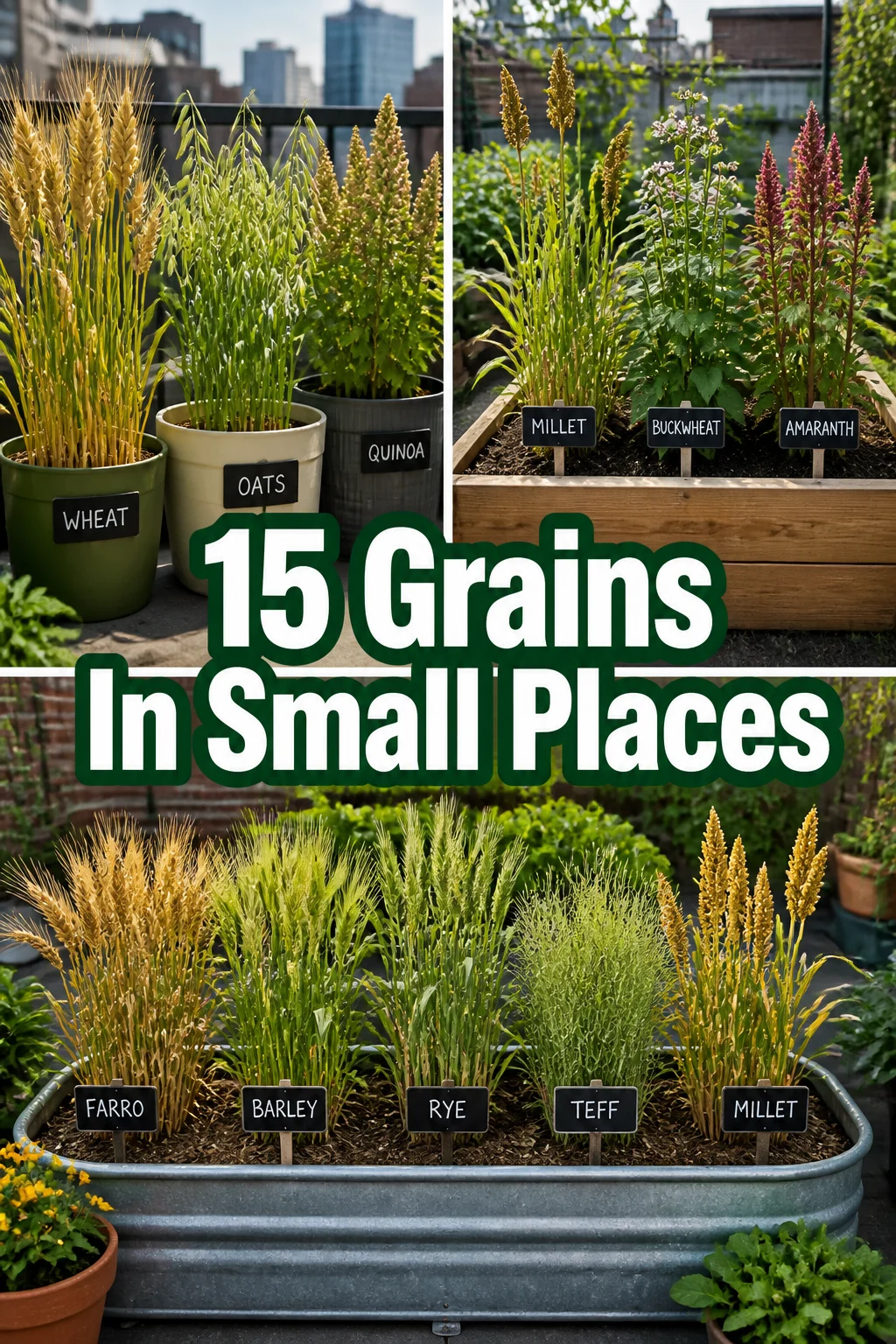
🌱 15 Grains In Small Places
📚 The Financial Literacy Library
The best investment you can ever make is in your own financial education. These 5 cornerstone books are what millionaires, financial advisors, and wealth-builders universally recommend for completely rewiring how you think about earning, saving, and investing money.
🧠 The Psychology of Money
Doing well with money isn't necessarily about what you know—it's about how you behave. Morgan Housel masterfully breaks down the emotional and psychological biases that secretly dictate our financial decisions, offering a true paradigm shift in how to view wealth.
🏠 Rich Dad Poor Dad
The #1 personal finance book of all time for a reason. This foundational read shatters the myth that you need to earn a high income to be rich, teaching you the critical difference between working for money and making your money work for you via assets.
📈 Atomic Habits
While not strictly a finance book, building wealth is absolutely dependent on the daily habits you cultivate. James Clear provides the definitive framework for breaking bad spending habits and effortlessly automating the good ones that lead to long-term success.
📊 The Simple Path to Wealth
The ultimate antidote to complex, intimidating financial advice. JL Collins provides an incredibly accessible, low-stress roadmap to financial independence through index fund investing, perfectly explaining why simplicity beats Wall Street complexity every time.
💳 I Will Teach You to Be Rich
A tactical, no-BS, 6-week program that actually works. Ramit Sethi teaches you how to crush debt, automate your savings, and negotiate your salary—all while guilt-free spending on the things you truly love. A must-read for modern money management.
Alright, urban homesteaders and balcony botanists, listen up! Ever scrolled through those dreamy farm-to-table pics and thought, “Ugh, my tiny apartment barely fits a succulent, let alone a whole field of grains?” Been there, felt that pang of green-thumb envy. But guess what, folks? You absolutely can get your grain game on, even if your “farm” is more “fire escape” than “forty acres.” We are talking about bringing that wholesome goodness right to your windowsill. So ditch the despair, grab a pot, and let’s get planting.
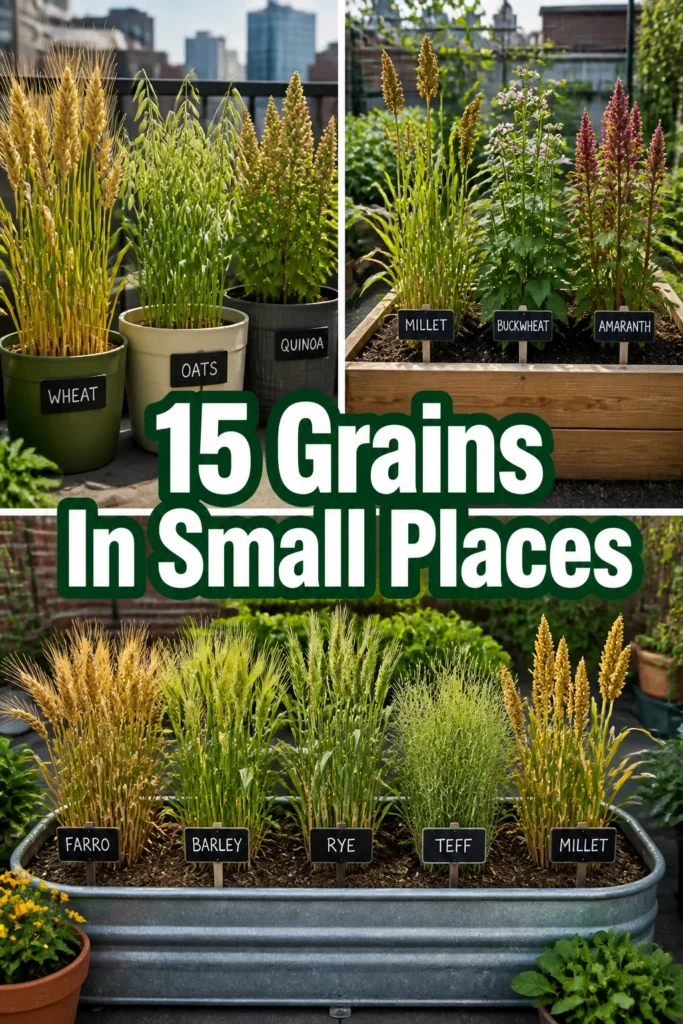
1. Wheatgrass Whimsy
Talk about instant gratification! Growing your own wheatgrass is practically a superhero origin story for your morning smoothie. Just sprinkle some seeds, give ’em a good drink, and boom—you have vibrant green shoots faster than you can say “kale smoothie, hold the kale.”
It thrives in shallow trays, demanding minimal fuss but delivering maximum nutrients. Your pro tip: snip it with scissors when it’s about 6-8 inches tall for peak juicing power, and it often gives you a second flush. Plus, it makes your kitchen look like a health spa. Win-win.
2. Microgreen Magic
These aren’t just for fancy restaurants, darling. Think of microgreens as the super-speedy, pint-sized versions of your favorite grains. Wheat, barley, oats—they all make fabulous microgreens.
You get a nutrient punch in a tiny package, ready to harvest in a week or two. Grab a shallow tray, scatter your seeds densely, and keep them moist. Sprinkle them on everything from tacos to toast for an instant upgrade.
3. Quinoa Quirks
Yes, that trendy superfood can totally grow in a pot! Quinoa plants are surprisingly attractive, sporting colorful seed heads that look good enough for a magazine spread. You just need a decent-sized container, maybe 5 gallons or more.
They love full sun and good drainage. A little secret: harvest the leaves too, they are edible and quite tasty, a bit like spinach. Growing your own quinoa means you skip the “rinse thoroughly” step, which is a glorious time-saver.
4. Buckwheat Brilliance
Fast-growing and fantastic for your soil, buckwheat is a container champ. It’s not actually a wheat, it’s a fruit seed, making it naturally gluten-free. The pretty white flowers attract pollinators, too.
A medium-sized pot (2-3 gallons) is plenty for a decent harvest. Plant seeds every few weeks for a continuous supply. You’ll be making your own soba noodles or pancake flour in no time, you culinary genius.
5. Millet Marvel
If you thought millet was just for birdseed, think again! Certain varieties of millet (like foxtail or proso) are compact and perfect for pots. They are drought-tolerant and grow relatively quickly.
Give them a sunny spot and well-draining soil. Pro tip: once the seed heads form, protect them from actual birds with some netting, unless you are feeling generous. Imagine sprinkling your own homegrown millet on your morning yogurt. Boujee.
6. Amaranth Awe
Okay, so some amaranth varieties get quite tall, but dwarf types work wonders in large containers (5-10 gallons). Plus, the vibrant foliage alone makes them worth growing, even if you never harvest a single seed.
It’s a heat lover, so give it sunshine and consistent water. The leaves are edible like spinach, and the seeds are a protein powerhouse. You are basically growing a decorative, edible, superfood bush.
7. Sorghum Smarts
While some sorghum varieties are field giants, you can find dwarf types that are perfectly happy in a large pot. They are incredibly resilient and drought-tolerant, making them pretty forgiving for beginner growers.
They need sun and a good 5-gallon container. Your pro tip: once the seeds mature, you can pop them like popcorn! Seriously, homegrown sorghum popcorn. Your movie nights just got an upgrade.
8. Barley Bonanza
Barley is surprisingly ornamental with its graceful seed heads, making it a beautiful addition to a patio pot. It’s also relatively cold-hardy, so you might get a longer growing season.
A 3-5 gallon pot will do the trick. Plant it in early spring or late summer. You can harvest the grains for malting your own beer (if you are feeling ambitious) or just enjoy its aesthetic appeal.
9. Oat Opportunity
Who knew your breakfast cereal could come from your balcony? Oats are relatively easy to grow in containers, especially the compact varieties. They don’t mind cooler weather, which is a bonus for many climates.
Give them a sunny spot and a pot at least 10-12 inches deep. Pro tip: harvest when the kernels are plump and milky for steel-cut oats, or let them dry completely for rolled oats. Your morning oatmeal just got a whole lot more personal.
10. Corn Charm
Forget giant cornfields; we are talking about adorable miniature corn or popcorn varieties perfect for large pots or grow bags. These smaller stalks still produce delicious ears, just on a more manageable scale.
You will need a minimum of a 15-gallon container per plant for best results, or even a raised bed. Plant them in a block for better pollination. Imagine grilling your own homegrown mini corn. Brunch goals achieved.
11. Upland Rice Revelation
“Rice in a pot?” you scoff. “Impossible!” Not so fast, sunshine. Upland rice varieties don’t need to be grown in flooded paddies. They thrive in regular soil, much like other grains.
A large, deep container (at least 12 inches deep) is ideal. Keep the soil consistently moist, but not waterlogged. Your pro tip: plant several seeds together to ensure good pollination. You are literally growing your own carbohydrate. Legend.
12. Chia Champion
Before it became a pet, chia was a superfood seed, and it’s ridiculously easy to grow. The plants are relatively small and produce beautiful purple or white flowers before setting seed.
A small pot on a sunny windowsill is all it needs. Let the seed heads dry on the plant before collecting the tiny seeds. You’ll have a lifetime supply for your puddings and smoothies.
13. Flax Fantastic
Those delicate blue flowers of flax are a sight to behold, and they produce those amazing omega-3 rich seeds. It’s a low-maintenance plant that looks gorgeous in a pot or window box.
Give it plenty of sun and moderate water. Harvest when the seed pods turn brown and dry. You are not just growing food; you are growing beauty and health in one go. Multitasking at its finest.
14. Rye Rhapsody
Often used as a cover crop, rye is also a solid choice for a small-space grain harvest. It’s incredibly hardy and can tolerate cooler temperatures, making it a good option for autumn planting in some zones.
A 3-5 gallon pot will work well. Plant it in a cluster for better yields. Your pro tip: harvest the young shoots for a quick green addition to salads before they fully mature for grain.
15. Spelt Splendor
Think of spelt as a slightly rustic cousin to wheat. Some dwarf varieties are suitable for container growing. It’s a hardy grain that offers a slightly nutty flavor.
Like wheat, it needs a decent-sized pot (3-5 gallons) and plenty of sun. You will feel incredibly accomplished milling your own spelt flour for some seriously artisanal bread. Or, you know, just bragging rights.
💼 The Money Management Toolkit
Knowledge is power, but proper execution requires the right tools. Getting your financial life organized doesn't have to be overwhelming. These 5 physical management tools are exactly what successful households use to budget, track cash, and secure their most important assets.
📝 Clever Fox Budget Planner & Bill Organizer
The ultimate analog command center for your finances. Sometimes keeping your budget in an app just doesn't stick. Physically writing down your goals, tracking expenses, and planning for debt payoff creates a level of accountability that digital spreadsheets simply can't match.
💵 A6 Leather Cash Stuffing Binder
The viral tool that made the cash-envelope budgeting system popular again. By allocating actual physical cash to designated envelopes (groceries, dining out, fun money), you physically cap your spending, making it virtually impossible to overdraft or overspend.
🔥 Fireproof & Waterproof Document Safe
A critical piece of financial security that many families overlook. Protecting your passports, birth certificates, property deeds, and estate planning documents from disaster is just as important as protecting the money in your bank account.
🏷️ Brother P-Touch Digital Label Maker
The unsung hero of a functional home office. When tax season rolls around or you need to find an important receipt, having perfectly labeled and categorized filing cabinets or accordion folders saves hours of frustrating searches and potential late fees.
🔒 SentrySafe Compact Fireproof Lock Box
For the physical assets that need extra heavy-duty protection—think emergency cash reserves, hard drives with Bitcoin cold wallets, or physical precious metals. This compact, locking safe provides peace of mind that your physical wealth is secure at home.
Conclusion
See? No sprawling fields required! Your tiny patch of urban paradise can totally be a grain-growing powerhouse. It’s not just about the harvest, though that’s pretty sweet; it’s about the joy of nurturing something from seed to supper. Plus, you get to say things like, “Oh, this isn’t just any quinoa; it’s my balcony-grown quinoa.” Go on, get your hands dirty, and let your small space produce some big flavor.