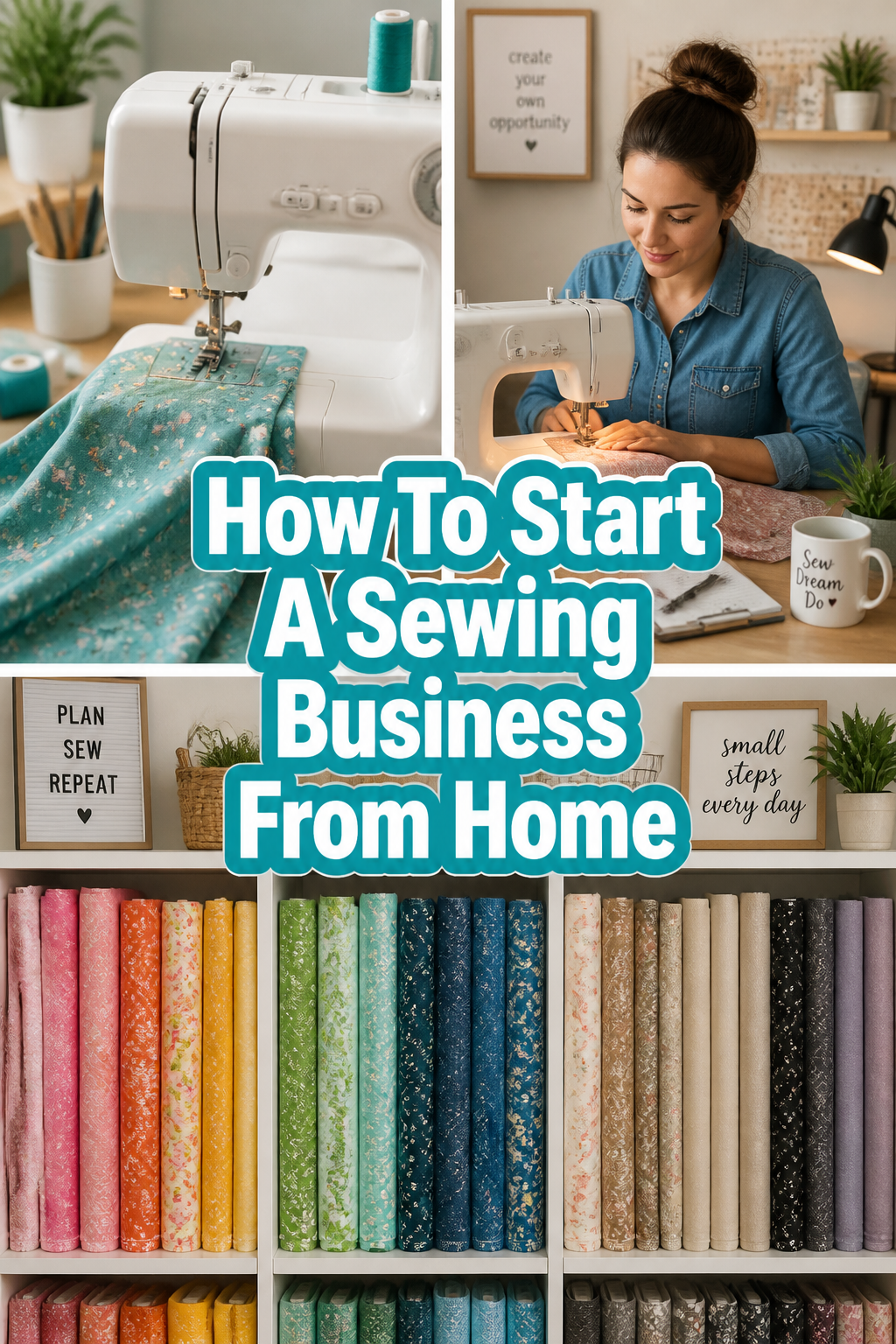
🧵 How To Start A Sewing Business From Home
📚 The Financial Literacy Library
The best investment you can ever make is in your own financial education. These 5 cornerstone books are what millionaires, financial advisors, and wealth-builders universally recommend for completely rewiring how you think about earning, saving, and investing money.
🧠 The Psychology of Money
Doing well with money isn't necessarily about what you know—it's about how you behave. Morgan Housel masterfully breaks down the emotional and psychological biases that secretly dictate our financial decisions, offering a true paradigm shift in how to view wealth.
🏠 Rich Dad Poor Dad
The #1 personal finance book of all time for a reason. This foundational read shatters the myth that you need to earn a high income to be rich, teaching you the critical difference between working for money and making your money work for you via assets.
📈 Atomic Habits
While not strictly a finance book, building wealth is absolutely dependent on the daily habits you cultivate. James Clear provides the definitive framework for breaking bad spending habits and effortlessly automating the good ones that lead to long-term success.
📊 The Simple Path to Wealth
The ultimate antidote to complex, intimidating financial advice. JL Collins provides an incredibly accessible, low-stress roadmap to financial independence through index fund investing, perfectly explaining why simplicity beats Wall Street complexity every time.
💳 I Will Teach You to Be Rich
A tactical, no-BS, 6-week program that actually works. Ramit Sethi teaches you how to crush debt, automate your savings, and negotiate your salary—all while guilt-free spending on the things you truly love. A must-read for modern money management.
Imagine turning your passion for fabric and thread into a thriving business, all from the comfort of your own home.
I’ve seen countless creative individuals, just like you, transform a hobby into a profitable venture, including a friend who now designs custom pet accessories.
This guide will show you exactly how to sew your way to financial independence, focusing on smart money moves from day one.
Quick Overview
Starting a sewing business from home offers incredible flexibility and creative freedom. You’ll learn to identify your niche, manage your finances, and market your unique creations effectively. This journey is about building a sustainable income while doing what you love.
- Time needed: 4-8 weeks for initial setup and planning
- Difficulty: Beginner to Intermediate
- What you’ll need: Sewing machine, basic tools, initial fabric supply, a dedicated workspace, and a passion for creating.
Step-by-Step Instructions
Step 1: Discover Your Niche (And Your Ideal Customer)
The first stitch in your business journey is deciding what you’ll actually make and who you’ll sell it to. Trying to appeal to everyone means appealing to no one, and that wastes precious marketing dollars. Focus creates clarity and attracts the right buyers.
Brainstorm products you love making and that others might value. This could be anything from custom baby clothes to unique home decor, or even alteration services.
Research your target audience. Are they new parents, pet owners, fashion enthusiasts, or people seeking sustainable alternatives?
Identify their specific needs or desires. What problem does your sewing skill solve for them?
Pro Tip: A tight niche helps you save money on marketing. Instead of broad advertising, you can target specific groups where your ideal customers already gather, like niche Facebook groups or local community events.
Step 2: Craft a Simple Business Plan (Your Financial Roadmap)
Even for a home-based business, a basic plan is essential. It doesn’t need to be formal or complicated; think of it as your personal roadmap to success and financial stability. This document guides your decisions and helps you stay on track.
Outline your products or services, your pricing strategy, and how you’ll reach customers. Consider your unique selling proposition – what makes your sewing special?
Project your initial startup costs, like equipment and materials. Also, estimate your monthly operating expenses, such as fabric, thread, and website fees.
Set realistic financial goals for your first three, six, and twelve months. How much do you want to earn, and how many items do you need to sell to reach that?
Pro Tip: Your business plan is a living document. Review and adjust it quarterly to reflect your progress and market changes, keeping your financial goals aligned with reality.
Step 3: Set Up Your Smart Workspace & Inventory
A dedicated, organized workspace boosts productivity and professionalism, even if it’s just a corner of a room. Think about efficiency and cost-effectiveness when setting up.
Designate a specific area for your sewing machine, cutting table, and supplies. Keep it tidy to prevent lost items and wasted time.
Invest in quality, essential tools first. A reliable sewing machine, sharp shears, good lighting, and an iron are non-negotiables. You can always add specialized tools later.
Source your initial fabric and notions wisely. Buy in smaller quantities to test demand before committing to bulk purchases. Look for wholesale suppliers once you know what sells.
Pro Tip: Saving money on inventory starts with smart purchasing. Negotiate with suppliers for bulk discounts when you’re ready, and keep a close eye on fabric sales. Avoid overstocking items that don’t move quickly.
Step 4: Price Your Work Profitably (Don’t Undersell Yourself!)
Many home sewers struggle with pricing, often undercharging for their valuable time and skill. This is a critical step for financial success and long-term sustainability. Your prices need to cover all your costs and provide a fair profit.
Calculate the cost of materials for each item. This includes fabric, thread, buttons, labels, and packaging.
Factor in your hourly rate for labor. Decide what your time is worth, considering your skill level and experience.
Add a percentage for overhead costs (electricity, machine maintenance, marketing, etc.) and your desired profit margin. A common formula is (Materials + Labor) x 2 or 3, then adjust based on market research.
Pro Tip: Research what similar handmade items sell for. Don’t just match the lowest price; aim for a price that reflects your quality, unique design, and the value you provide. Remember, cheap prices often attract cheap customers.
Step 5: Build Your Online Presence (Cost-Effectively)
In today’s world, an online presence is non-negotiable for reaching customers beyond your immediate circle. You don’t need an expensive website to start; leverage free and low-cost platforms.
Create compelling social media profiles on platforms like Instagram or Pinterest. These are highly visual and perfect for showcasing your handmade items.
Set up an online shop. Etsy is a popular choice for handmade goods, or consider a simple Shopify store if you prefer more control. Start with a few well-photographed items.
Take high-quality photos of your products. Good lighting and a clean background can make a huge difference in attracting buyers.
Pro Tip: Use free tools like Canva for creating stunning graphics for your social media. Invest time in learning basic photography skills for your products; it’s a huge money-saver compared to hiring a professional.
Step 6: Market Your Creations & Attract Customers
Once your products are ready and online, it’s time to tell the world. Effective marketing doesn’t have to break the bank; creativity and consistency are key.
Share your work consistently on social media. Use relevant hashtags and engage with your audience. Tell the story behind your creations.
Network with other local small businesses. Perhaps a boutique would carry your items, or you could collaborate on promotions.
Consider local craft fairs or markets. These events offer direct customer interaction and valuable feedback, helping you refine your products and pricing.
Pro Tip: Word-of-mouth is powerful and free. Encourage happy customers to leave reviews or share photos of your products. Offer a small discount on future purchases for referrals.
Step 7: Master Your Money (Budgeting & Saving)
This is where your wealth-building mindset truly shines. Treating your business finances seriously from day one is essential for long-term growth and avoiding stress.
Open a separate bank account for your business. This makes tracking income and expenses much easier, especially for tax purposes.
Track every penny. Use a simple spreadsheet or accounting software to record all sales, material costs, and operating expenses. Knowing your numbers is empowering.
Set aside money for taxes regularly. As a self-employed individual, you’ll be responsible for income and self-employment taxes. Aim for 25-35% of your profits, depending on your income bracket.
Pro Tip: Create a monthly budget for your business. Allocate funds for materials, marketing, and a small emergency fund. This prevents overspending and ensures you always have cash for essential operations.
Step 8: Scale Smart & Reinvest Wisely
As your business grows, you’ll naturally want to expand. Scaling smartly means making strategic decisions that boost profit without taking on unnecessary risk.
Analyze which products are most popular and profitable. Focus your efforts on these winners to maximize returns.
Consider streamlining your production process. Could a new tool save you time? Can you buy materials in bulk to reduce costs?
Reinvest a portion of your profits back into your business. This could be for a better machine, more efficient tools, or professional development courses that enhance your skills.
Pro Tip: Before hiring help, explore outsourcing tasks like photography or social media management. This can be more cost-effective than a full-time employee and frees up your time for sewing and strategy.
Common Mistakes to Avoid
Underselling Your Work
Many creative entrepreneurs price their items too low, fearing customers won’t pay more. This undervalues your skill, time, and materials, making it impossible to earn a sustainable income. Instead, calculate your costs thoroughly and add a fair profit margin. Educate customers on the value of handmade quality.
Ignoring the Business Side
It’s easy to get lost in the joy of sewing and neglect the administrative tasks. Forgetting to track expenses, manage inventory, or market your products will hinder growth. Dedicate specific time each week to focus on the “business” of your business.
Trying to Do Everything for Everyone
Without a clear niche, you might find yourself making a wide array of products for different customers. This spreads your resources thin and makes marketing incredibly difficult. Focus on a specific product line or service for a defined audience to build a strong brand identity.
Not Saving for Taxes
One of the biggest financial shocks for new entrepreneurs is the tax bill. If you don’t set aside money from every sale, you’ll face a stressful situation when taxes are due. Make it a habit to transfer a percentage of every payment into a separate savings account specifically for taxes.
Troubleshooting
Slow Sales or Low Engagement
If your products aren’t selling, or your social media posts get little attention, it’s time to reassess. Your pricing might be off, your photos could be improved, or your marketing isn’t reaching the right people.
Solution: Ask for feedback from friends or a trusted mentor. Analyze your online shop’s traffic and conversion rates. Experiment with different product descriptions, photos, or even a slight price adjustment. Engage more actively in relevant online communities.
Overwhelmed by Orders
This is a great problem to have, but it can quickly lead to burnout if not managed. You might find yourself struggling to keep up with production, leading to missed deadlines or reduced quality.
Solution: Review your production process for inefficiencies. Can you batch certain tasks? Consider raising your prices slightly to manage demand, or temporarily limit the number of custom orders you accept. Don’t be afraid to communicate realistic timelines to your customers.
Creative Block or Burnout
Even the most passionate sewers can hit a wall, feeling uninspired or exhausted by the demands of running a business. This can impact your productivity and enjoyment.
Solution: Take a short break from your business projects to sew something just for fun. Explore new techniques or materials. Connect with other makers for inspiration. Remember to schedule downtime and self-care to recharge your creative batteries.
Key Takeaways
- Niche Down: Focus on a specific product or service for a defined audience to maximize marketing efforts and profitability.
- Plan Your Finances: Create a simple business plan and budget to guide your decisions and track your progress.
- Price for Profit: Accurately calculate material, labor, and overhead costs to ensure your prices cover expenses and generate a healthy profit.
- Manage Your Money: Separate business finances, track everything, and consistently save for taxes to build a solid financial foundation.
- Market Smart: Leverage free and low-cost online platforms to showcase your work and engage with your ideal customers.
- Reinvest Wisely: Use profits to strategically improve your tools, processes, or skills, fostering sustainable growth.
Frequently Asked Questions
Do I need a business license to sew from home?
In most places, yes, even for a home-based business. Requirements vary by city and state, so check with your local government’s business licensing office. This ensures you operate legally and avoid potential fines.
How do I find my first customers?
Start with your personal network: friends, family, and local community groups. Share your work on social media and ask for referrals. Participate in local craft markets or collaborate with complementary businesses to expand your reach.
What about taxes for a home-based sewing business?
As a self-employed individual, you’ll pay income tax and self-employment taxes (Social Security and Medicare). It’s crucial to track all income and expenses, and set aside a portion of your earnings regularly to cover these tax obligations. Consider consulting a tax professional early on.
How much should I invest initially?
You can start very lean, using existing equipment and buying materials as needed. Aim to keep initial investments low by leveraging what you have. Prioritize essential tools and a small inventory, then reinvest profits to grow gradually.
Our Top Recommended Finds
- Reliable Sewing Machine: A sturdy, versatile machine is your workhorse. Look for one with good reviews for durability and ease of use.
- Quality Fabric Shears: Sharp, comfortable shears make cutting a pleasure and improve accuracy. Keep them dedicated to fabric only!
- Rotary Cutter & Mat: Essential for precise, quick cuts, especially for quilting or repetitive tasks. It saves time and reduces strain.
Your Sewing Success Starts Now!
You have the passion, the skill, and now the roadmap to build a successful sewing business from your home. Don’t let perfection be the enemy of good; starting small and learning as you go is a powerful strategy. Every successful entrepreneur began with a single step.
Take out your notebook, sketch your first product idea, or open that spreadsheet to track your initial costs. The journey of a thousand stitches begins with one. You have the power to create not just beautiful items, but also a fulfilling and financially rewarding life.