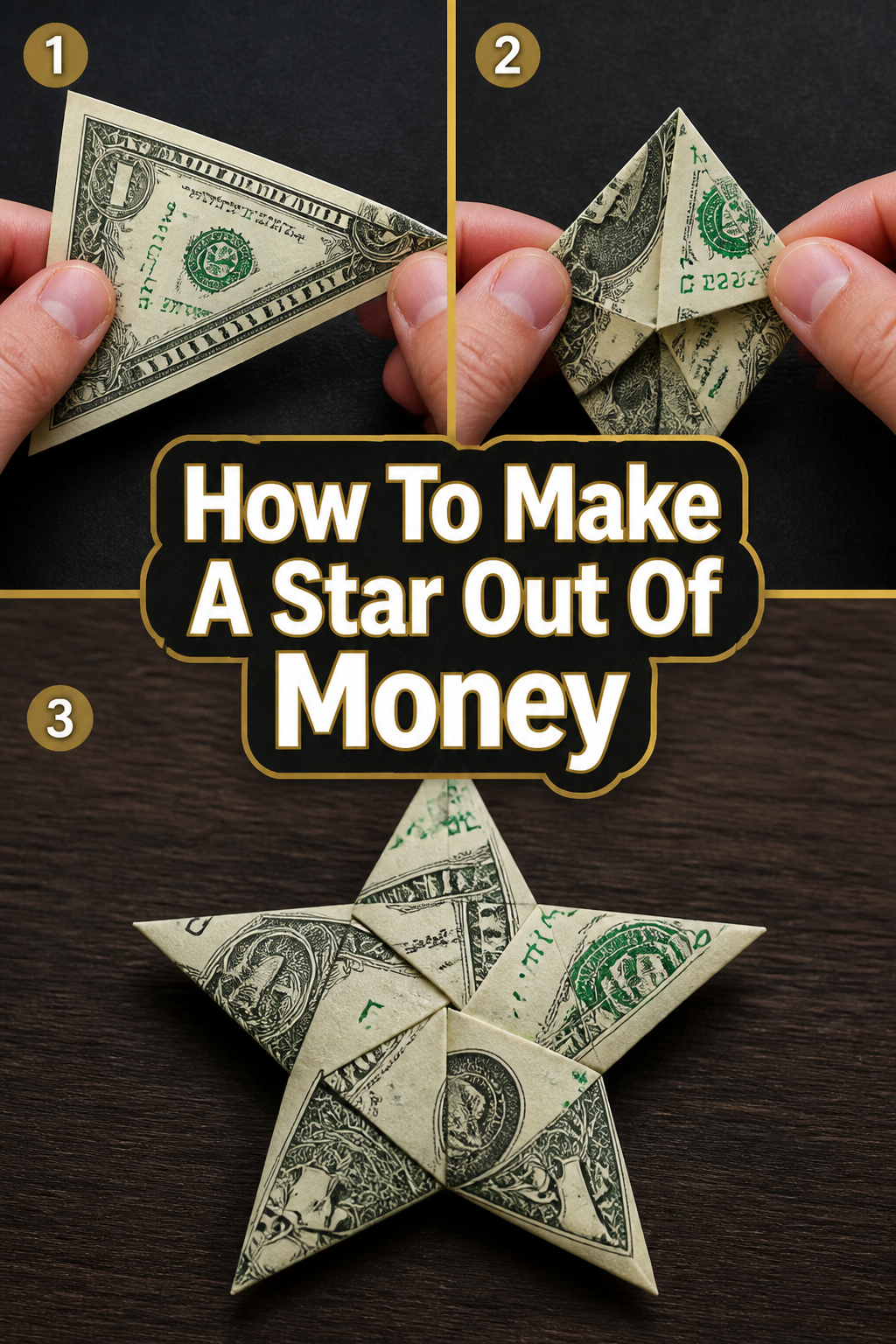
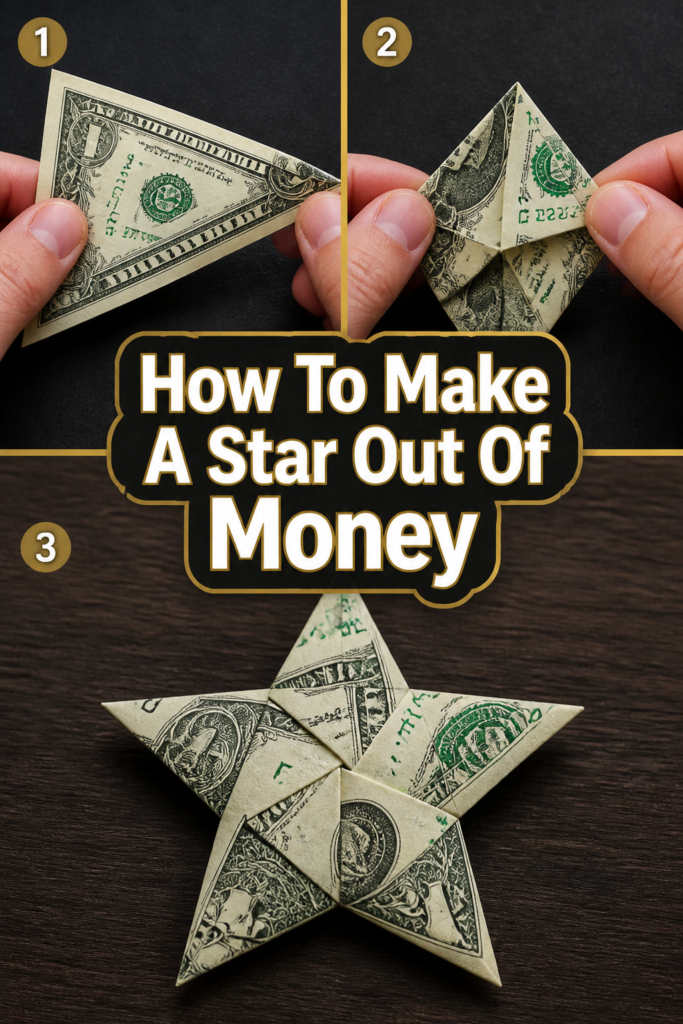
⭐ How To Make A Star Out Of Money
📚 The Financial Literacy Library
The best investment you can ever make is in your own financial education. These 5 cornerstone books are what millionaires, financial advisors, and wealth-builders universally recommend for completely rewiring how you think about earning, saving, and investing money.
🧠 The Psychology of Money
Doing well with money isn't necessarily about what you know—it's about how you behave. Morgan Housel masterfully breaks down the emotional and psychological biases that secretly dictate our financial decisions, offering a true paradigm shift in how to view wealth.
🏠 Rich Dad Poor Dad
The #1 personal finance book of all time for a reason. This foundational read shatters the myth that you need to earn a high income to be rich, teaching you the critical difference between working for money and making your money work for you via assets.
📈 Atomic Habits
While not strictly a finance book, building wealth is absolutely dependent on the daily habits you cultivate. James Clear provides the definitive framework for breaking bad spending habits and effortlessly automating the good ones that lead to long-term success.
📊 The Simple Path to Wealth
The ultimate antidote to complex, intimidating financial advice. JL Collins provides an incredibly accessible, low-stress roadmap to financial independence through index fund investing, perfectly explaining why simplicity beats Wall Street complexity every time.
💳 I Will Teach You to Be Rich
A tactical, no-BS, 6-week program that actually works. Ramit Sethi teaches you how to crush debt, automate your savings, and negotiate your salary—all while guilt-free spending on the things you truly love. A must-read for modern money management.
Have you ever looked at a dollar bill and wondered if it could be more than just currency? I remember the first time I learned to fold a simple paper star; it felt like magic, transforming an ordinary sheet into something special. This guide will show you how to do just that with money, and along the way, we’ll explore how to transform your financial habits too.
Think of this as a fun, hands-on lesson in both origami and smart money management, turning a single bill into a symbol of your growing financial wisdom.
Quick Overview
This project is a delightful way to create a unique display piece, a thoughtful gift, or a personal reminder of your financial goals. As you fold, you’ll also fold in key principles for building lasting wealth.
Time needed: 10-15 minutes
Difficulty: Beginner
What you’ll need: A crisp dollar bill (or any denomination), a flat surface, and a desire to learn.
Step-by-Step Instructions
Let’s turn that ordinary bill into an extraordinary star, infused with financial wisdom.
Step 1: Prepare Your Canvas and Set Your Vision
Choose a crisp dollar bill for your first attempt; newer bills hold creases better. This initial choice mirrors the importance of starting with a clear financial picture.
Before you begin any financial journey, you need to know where you stand and where you want to go.
Pro Tip: Think of choosing a crisp bill as selecting your first, most manageable financial goal. Maybe it’s saving $50 this month or paying off a small debt. A clear, achievable starting point is crucial for success.
Step 2: Fold Lengthwise – Establish Your Foundation
Place your bill face-up on a flat surface. Fold the bill exactly in half lengthwise, bringing the top edge down to meet the bottom edge. Crease it firmly, then unfold it.
This initial fold creates a central guideline, much like establishing a foundational budget. You’re creating a framework for everything that follows.
A solid budget helps you understand your income and expenses, providing a clear line for your financial decisions. Without this core understanding, everything else becomes much harder.
Step 3: Create Initial Creases – Track Your Cash Flow
Now, fold the bottom edge up to meet the central crease you just made. Crease firmly and unfold. Repeat this process with the top edge, folding it down to meet the central crease, then unfold.
You now have four horizontal segments marked by creases. These lines represent your cash flow: where money comes in and where it goes out.
Understanding these individual segments, like tracking every dollar, allows you to identify patterns and areas for improvement. Every small crease contributes to the overall structure.
Step 4: Form the Base Triangle – Build Your Emergency Fund
Turn the bill over. Fold the bottom-right corner up to meet the top edge, aligning it with the second crease from the bottom. Crease sharply, then unfold. Repeat this on the bottom-left corner, folding it up to meet the top edge, aligning with the second crease from the bottom.
These triangular folds create a stable base, much like an emergency fund provides a stable foundation for your finances. This fund protects you from unexpected bumps in the road.
An emergency fund, ideally 3-6 months of living expenses, is non-negotiable for financial security. It prevents you from derailing your long-term goals when unforeseen circumstances arise.
Step 5: Shape the Star Points – Diversify Your Investments
With the bill still turned over, fold the top-right corner down to meet the bottom edge, aligning it with the second crease from the top. Crease and unfold. Do the same for the top-left corner, folding it down to meet the bottom edge.
You now have a series of intersecting creases forming a diamond pattern in the center. These multiple points represent the diversification of your financial assets.
Just as a star has many points contributing to its overall shape, a robust financial portfolio includes various investments. Diversification spreads risk and increases potential for growth across different areas.
Pro Tip: Think about spreading your investments across different asset classes like stocks, bonds, and real estate. This strategy minimizes risk and can lead to more stable, long-term growth, just like multiple folds create a stronger, more resilient star.
Step 6: Collapse into a Diamond – Consolidate Your Strategy
Gently push in the sides of the bill where the diagonal creases meet the horizontal creases, allowing the bill to collapse inward along all the creases you’ve made. This should form a flattened diamond shape in the center of the bill.
This collapsing action brings all your individual efforts together into a cohesive form. It symbolizes the consolidation of your financial strategies.
Once you have your budget, emergency fund, and diversified investments, it’s about making them work together. A consolidated strategy ensures every part of your financial plan supports the others.
Step 7: Fold the Points – Optimize for Growth
Take the top point of the diamond and fold it down to meet the bottom point. Crease firmly. Repeat this for the side points, folding them inward to meet the center line of the diamond. Unfold all these small folds.
These precise folds are about optimizing each section for the best possible outcome. In finance, this means regularly reviewing your investments and making adjustments.
Optimizing for growth involves understanding market trends, rebalancing your portfolio, and ensuring your financial vehicles are performing as expected. Small adjustments can lead to significant gains over time.
Step 8: Turn and Tuck – Secure Your Future
Flip the diamond over. You’ll see several small flaps. Carefully tuck the top-most flap downwards into the pocket created by the layers below it. Repeat this for all visible flaps, tucking them into their respective pockets.
This tucking action secures the entire structure, locking your star into place. It represents the importance of securing your financial future through consistent saving and smart planning.
Securing your future means not just saving, but also protecting your assets with insurance, planning for retirement, and estate planning. These steps ensure your hard work is safeguarded for the long term.
Step 9: Refine the Edges – Review Your Progress
Gently push and shape the points of your star to make them sharp and well-defined. You might need to re-crease some areas lightly. This final refinement is like reviewing your financial plan.
Just as you smooth out any rough edges on your star, you should regularly review your financial progress. Are you on track to meet your goals? Are there any areas that need adjustment?
Regular financial reviews, at least once a quarter, help you stay accountable and make necessary pivots. This ensures your financial plan remains aligned with your life goals.
Step 10: Display Your Creation – Celebrate Your Milestones
Your money star is complete! Place it somewhere visible, perhaps on your desk or in a shadow box. This display serves as a constant reminder of your ability to transform and create value.
Celebrating small financial milestones is crucial for motivation. Whether it’s paying off a credit card or hitting a savings goal, acknowledge your successes.
These celebrations reinforce positive financial behaviors and encourage you to continue on your wealth-building journey. Every star is a symbol of achievement.
Common Mistakes to Avoid
Even with simple origami, a few missteps can prevent a perfect outcome. The same applies to managing your money.
Rushing the Folds
Trying to rush through the folding process often results in sloppy creases and a less-than-perfect star. Impatience is a common pitfall.
In finance, rushing leads to impulsive decisions, like buying stocks based on a fleeting trend without research, or making large purchases you haven’t budgeted for. Take your time to research and plan.
Using the Wrong Bill
Attempting this with a heavily wrinkled or torn bill will make the process frustrating and the result unsatisfactory. The material itself isn’t suitable.
Similarly, trying to implement complex investment strategies without first establishing basic financial hygiene—like an emergency fund or debt repayment—is setting yourself up for failure. Start with what’s appropriate for your current financial state.
Ignoring the Creases
Not creasing firmly enough means the star won’t hold its shape. Each crease is vital to the structure.
Ignoring small financial habits, like tracking daily expenses or reviewing bank statements, can lead to bigger problems. These seemingly minor actions are the “creases” that hold your financial plan together.
Not Securing the Center
If the tucking in Step 8 isn’t done properly, the star will easily unravel. The core needs to be stable.
Without a strong financial core – your emergency fund and robust savings – your financial plan is vulnerable. A lack of stability means any unexpected event can cause your entire financial structure to unravel.
Troubleshooting
Sometimes things don’t go perfectly the first time. Here’s how to fix common issues, both with your star and your finances.
Star Doesn’t Hold Its Shape
If your star keeps unfolding or looks loose, it’s likely due to insufficient creasing or improper tucking. Go back to the steps where you formed the main folds and ensure they are sharp.
In your finances, if your budget keeps “unfolding” or you’re constantly overspending, it often means your initial commitments weren’t firm enough. Revisit your budget, tighten your spending categories, and be more disciplined with your savings goals. Consistency is key.
Points Aren’t Sharp
If the star’s points look blunt or rounded, you need to refine the final shaping. Gently pinch and press the tips to make them more acute.
For your investments, “blunt points” can mean your portfolio isn’t optimized for your goals. Perhaps you’re missing out on growth opportunities or your asset allocation is off. Regularly review and rebalance your investments to sharpen their potential returns.
Bill Tears
If your bill tears during the process, it might be too old, too worn, or you applied too much force. Use a fresh, crisp bill for better results.
Financially, “tearing” can happen when you overstretch your resources. Taking on too much debt, living beyond your means, or not having adequate insurance can put immense strain on your finances. Always ensure your financial decisions are sustainable and don’t push you to the breaking point.
Key Takeaways
Creating a money star is more than just a craft; it’s a metaphor for financial success.
Start with a clear plan: Just like choosing a crisp bill, begin your financial journey with well-defined goals and a solid budget.
Build a strong foundation: Firm creases represent the essential financial habits like building an emergency fund and consistently saving.
Diversify and optimize: The multiple points of the star reflect the wisdom of diversifying investments and regularly optimizing your financial plan for growth.
Secure your future: Tucking and securing the star’s center emphasizes the importance of protecting your assets and planning for long-term financial stability.
Celebrate progress: Displaying your finished star reminds you to acknowledge and celebrate your financial milestones, reinforcing positive behaviors.
Patience is power: Rushing leads to mistakes; careful, deliberate action builds lasting results in both origami and wealth.
Frequently Asked Questions
Let’s address some common curiosities about making a money star and its financial parallels.
Can I use any denomination of currency?
Yes, you can use any paper currency, but a crisp, new bill works best for sharp creases. Different denominations are like different levels of investment; start small and comfortable, then scale up as your skills and confidence grow.
Does making a star damage the bill?
No, if done carefully, the bill will not be damaged. It will have creases, but it remains fully functional currency. Think of these creases as the “experience” your money gains through smart management—it’s still valuable, but now it tells a story of intentionality.
What’s the best way to display a money star?
A clear shadow box or a small stand can showcase your money star beautifully. This act of display mirrors the satisfaction of seeing your financial goals come to fruition. It’s a tangible reminder of your discipline and creativity.
How does this truly relate to building a “financial star”?
Each step in folding the star has a direct parallel to a key financial principle, from budgeting (foundational folds) to diversifying investments (multiple points) and securing your future (tucking folds). It’s a hands-on way to internalize these concepts.
Our Top Recommended Finds
These tools can help you on your journey to becoming a financial superstar.
A clear acrylic display case: Perfect for showcasing your money star and other small achievements, symbolizing the protection of your financial assets.
A high-quality budgeting planner or app: Essential for tracking income and expenses, much like the initial precise folds that establish your financial framework.
A personal finance book for beginners: An invaluable resource to deepen your understanding of wealth-building, providing the knowledge to make your “financial star” shine even brighter.
Your Financial Journey Starts Now
Congratulations on creating your money star! This simple act of transformation holds profound lessons for your financial life. You’ve taken an ordinary bill and, through careful, deliberate action, turned it into something special.
Now, take that same intentionality and apply it to your personal finances. Start building your budget today, set a realistic savings goal, and begin exploring smart investment options. You have the power to transform your financial future, one smart decision at a time. The journey to becoming a financial superstar begins with a single, well-placed fold.