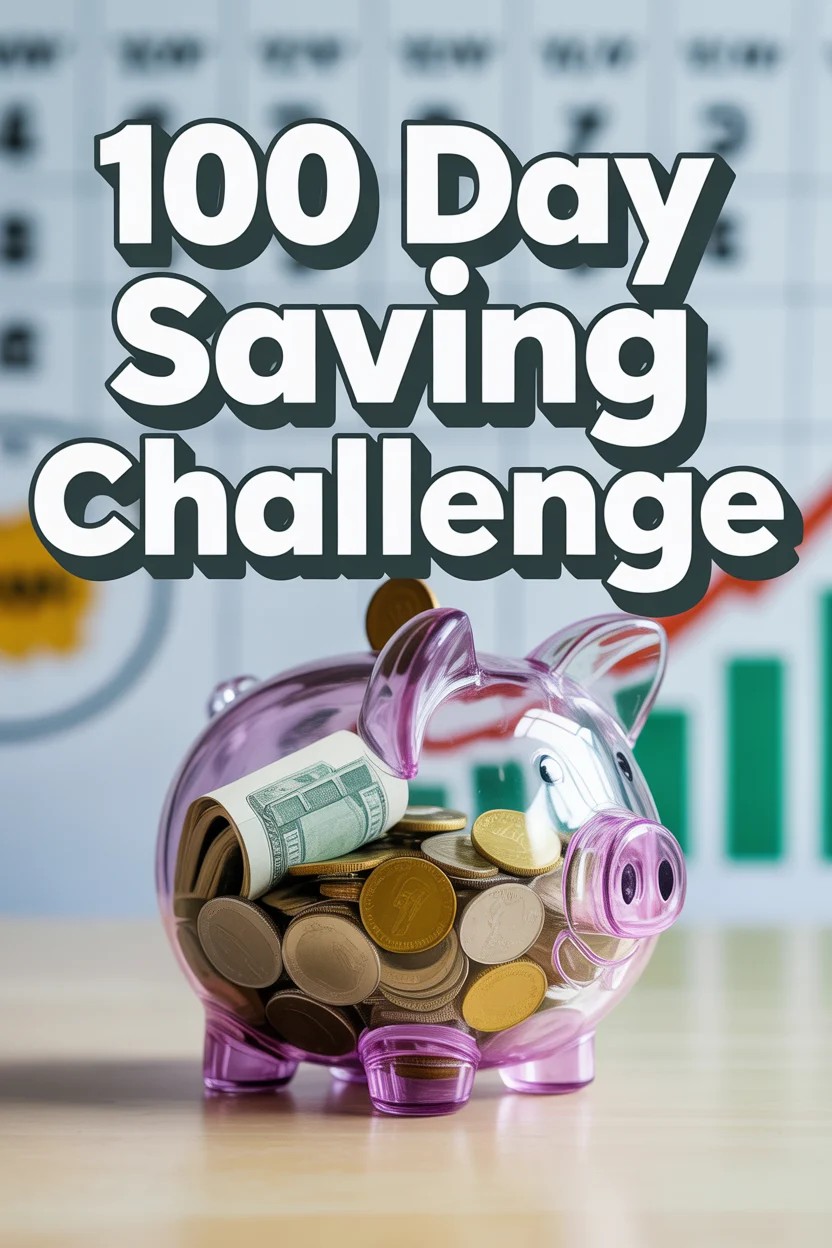
💰 100 Day Saving Challenge
📚 The Financial Literacy Library
The best investment you can ever make is in your own financial education. These 5 cornerstone books are what millionaires, financial advisors, and wealth-builders universally recommend for completely rewiring how you think about earning, saving, and investing money.
🧠 The Psychology of Money
Doing well with money isn't necessarily about what you know—it's about how you behave. Morgan Housel masterfully breaks down the emotional and psychological biases that secretly dictate our financial decisions, offering a true paradigm shift in how to view wealth.
🏠 Rich Dad Poor Dad
The #1 personal finance book of all time for a reason. This foundational read shatters the myth that you need to earn a high income to be rich, teaching you the critical difference between working for money and making your money work for you via assets.
📈 Atomic Habits
While not strictly a finance book, building wealth is absolutely dependent on the daily habits you cultivate. James Clear provides the definitive framework for breaking bad spending habits and effortlessly automating the good ones that lead to long-term success.
📊 The Simple Path to Wealth
The ultimate antidote to complex, intimidating financial advice. JL Collins provides an incredibly accessible, low-stress roadmap to financial independence through index fund investing, perfectly explaining why simplicity beats Wall Street complexity every time.
💳 I Will Teach You to Be Rich
A tactical, no-BS, 6-week program that actually works. Ramit Sethi teaches you how to crush debt, automate your savings, and negotiate your salary—all while guilt-free spending on the things you truly love. A must-read for modern money management.
Alright, fam, let’s talk cold hard cash, or rather, not spending it. We all dream of that sweet financial freedom, but sometimes our wallets feel like they’re on a permanent diet. Enter the 100 Day Saving Challenge, your new bestie for kicking those frivolous spending habits to the curb. Think of it as a glow-up for your bank account, minus the awkward phase. We’re about to make saving money actually, dare I say, fun. No more ramen noodles for a month, just smarter choices for a hundred days that stack up big time. Ready to get rich or, at least, richer? Let’s dive in.
1. The Daily Dollar Drop
This is the OG saving hack, super simple, totally effective. You just stash away a little bit of cash every single day for 100 days. It starts small, but it adds up quickly, trust me.
On day one, you save $1. Day two, $2. By day 100, you’re putting away a cool $100. The beauty here is the gradual increase; it doesn’t feel like a huge hit to your budget initially. Pro tip: Automate this if your bank allows, or use a dedicated jar that’s super inconvenient to open. Out of sight, out of mind, right?
Why it works: It builds a consistent habit without the initial shock of a massive cutback. Plus, watching that stack grow is oddly satisfying.
2. The Coffee Cutback Crusade
Your daily barista ritual might be costing you more than just a few bucks; it’s practically a small car payment over time. This challenge asks you to brew at home.
Swap that fancy latte for a homemade pour-over or a perfectly acceptable instant coffee for 100 days. You’re not just saving the cost of the drink, but also the temptation of those impulse buys at the coffee shop. Pro tip: Invest in a quality thermos and some decent beans. Your taste buds (and wallet) will thank you.
Why it works: It highlights a common, often overlooked, daily expense and forces a conscious change in habit.
3. Meal Prep Mania
Eating out is a treat, but when it becomes a default, your bank account starts sobbing. For 100 days, commit to prepping most of your meals at home.
This means fewer expensive takeout orders and less food waste. Plan your week, hit the grocery store with a list, and get cooking. Sunday meal prep can be your new vibe. Pro tip: Batch cook versatile ingredients like roasted veggies or grilled chicken. You’ll thank your past self during a busy Tuesday.
Why it works: It tackles one of the biggest budget busters head-on, promoting healthier eating and better financial habits.
4. Subscription Audit Adventure
How many streaming services do you actually use? That gym membership you forgot about? Time to play detective. For 100 days, become ruthless with your subscriptions.
Go through every single recurring charge and cancel anything you don’t actively use or truly value. You’d be surprised how much “small” fees add up. Pro tip: Try alternating services. Watch Netflix for a month, then cancel and switch to Hulu for the next. Keep them on their toes!
Why it works: It’s a quick win that frees up passive income and makes you more mindful of where your money goes.
5. No-Spend Day Sprint
Can you go a full day without spending a single penny? This challenge dares you to try. Aim for at least one or two no-spend days a week for 100 days.
This means no impulse buys, no coffees, no snacks, no online shopping. Pack your lunch, bring your water bottle, find free entertainment. It’s tougher than it sounds, but super effective. Pro tip: Plan your no-spend days in advance and make sure your fridge is stocked. Temptation is a sneaky little thing.
Why it works: It forces you to get creative with existing resources and truly appreciate what you already have.
6. DIY Darling
Before you buy it, ask if you can make it, fix it, or upcycle it. For 100 days, embrace your inner crafter/handyperson.
Need a new piece of decor? Check Pinterest for DIY ideas. Got a ripped seam? Grab a needle and thread. Your ability to create can save you a surprising amount of cash. Pro tip: Start with simple projects. You don’t need to build a whole new bookshelf, but fixing a wobbly chair is totally doable.
Why it works: It taps into your resourcefulness and reduces reliance on consumerism, plus you gain new skills.
7. Secondhand Style Search
Fast fashion might be tempting, but your wallet and the planet will thank you for going pre-loved. For 100 days, if you need new clothes, shoes, or accessories, buy them secondhand.
Hit up thrift stores, consignment shops, or online marketplaces like Poshmark. You can find incredible gems and unique pieces without breaking the bank. Pro tip: Have a list of items you’re looking for to avoid aimless browsing and impulse buys. Patience is key here.
Why it works: It’s sustainable, budget-friendly, and allows for a more unique personal style. Win-win-win.
8. Digital Declutter and Sell
You know that pile of stuff you’ve been meaning to get rid of? Now’s the time. For 100 days, commit to selling one item a week you no longer need or use.
Think old electronics, unused clothes, forgotten gadgets. List them on Facebook Marketplace, eBay, or local selling apps. That clutter is literally money just sitting there. Pro tip: Take good photos and write honest descriptions. A little effort goes a long way in getting those items sold.
Why it works: It declutters your space while simultaneously bringing in extra income. Double bonus!
9. Grocery Game Plan Guru
Winging it at the grocery store is a surefire way to overspend. For 100 days, become a strategic grocery shopper.
Always go with a list, stick to it, and never shop hungry. Look for sales, buy generic brands, and plan meals around what’s on offer. Pro tip: Use unit pricing to compare items and make sure you’re getting the best value. Don’t fall for fancy packaging.
Why it works: It reduces impulse buys, prevents food waste, and ensures you’re always getting the most bang for your buck.
10. Energy Efficiency Expert
Your utility bills can be a silent budget killer. For 100 days, pay extra attention to your energy consumption.
Unplug chargers, turn off lights when you leave a room, take shorter showers, and adjust your thermostat. These small changes add up to significant savings. Pro tip: Identify your biggest energy hogs. Is it that old fridge in the garage? Your gaming PC left on all night?
Why it works: It’s environmentally friendly and puts money back into your pocket without feeling like a sacrifice.
11. Public Transport Power-Up
If you have the option, ditch the car a few times a week. For 100 days, try to use public transport, bike, or walk for some of your errands or commutes.
Gas, parking, and car maintenance are serious expenses. Even swapping out a couple of trips a week can make a difference. Pro tip: Map out your routes in advance and allow extra time. Embrace the podcast or audiobook during your commute.
Why it works: It reduces transportation costs and encourages a healthier, more active lifestyle. Your car also gets a break!
12. Cashback Queen/King
Why leave money on the table? For 100 days, make sure you’re maximizing every cashback opportunity available to you.
Use cashback credit cards (responsibly, obviously), leverage shopping portals like Rakuten, and check for store loyalty programs. It’s essentially getting paid to shop for things you already need. Pro tip: Don’t buy something just for the cashback. That defeats the whole purpose, you savvy saver!
Why it works: It’s passive savings that requires minimal effort once set up, making your existing spending work harder for you.
💼 The Money Management Toolkit
Knowledge is power, but proper execution requires the right tools. Getting your financial life organized doesn't have to be overwhelming. These 5 physical management tools are exactly what successful households use to budget, track cash, and secure their most important assets.
📝 Clever Fox Budget Planner & Bill Organizer
The ultimate analog command center for your finances. Sometimes keeping your budget in an app just doesn't stick. Physically writing down your goals, tracking expenses, and planning for debt payoff creates a level of accountability that digital spreadsheets simply can't match.
💵 A6 Leather Cash Stuffing Binder
The viral tool that made the cash-envelope budgeting system popular again. By allocating actual physical cash to designated envelopes (groceries, dining out, fun money), you physically cap your spending, making it virtually impossible to overdraft or overspend.
🔥 Fireproof & Waterproof Document Safe
A critical piece of financial security that many families overlook. Protecting your passports, birth certificates, property deeds, and estate planning documents from disaster is just as important as protecting the money in your bank account.
🏷️ Brother P-Touch Digital Label Maker
The unsung hero of a functional home office. When tax season rolls around or you need to find an important receipt, having perfectly labeled and categorized filing cabinets or accordion folders saves hours of frustrating searches and potential late fees.
🔒 SentrySafe Compact Fireproof Lock Box
For the physical assets that need extra heavy-duty protection—think emergency cash reserves, hard drives with Bitcoin cold wallets, or physical precious metals. This compact, locking safe provides peace of mind that your physical wealth is secure at home.
Conclusion
So there you have it, 12 ways to absolutely crush this 100 Day Saving Challenge. Remember, it’s not about deprivation; it’s about conscious choices and building habits that serve your future self. Imagine hitting day 100 and seeing that sweet, sweet extra cash chilling in your account. You’ll be feeling like a financial guru, ready to tackle your next big goal. Go forth and save, you magnificent money maestro!