💰 15 Ways To Save Money
📚 The Financial Literacy Library
The best investment you can ever make is in your own financial education. These 5 cornerstone books are what millionaires, financial advisors, and wealth-builders universally recommend for completely rewiring how you think about earning, saving, and investing money.
🧠 The Psychology of Money
Doing well with money isn't necessarily about what you know—it's about how you behave. Morgan Housel masterfully breaks down the emotional and psychological biases that secretly dictate our financial decisions, offering a true paradigm shift in how to view wealth.
🏠 Rich Dad Poor Dad
The #1 personal finance book of all time for a reason. This foundational read shatters the myth that you need to earn a high income to be rich, teaching you the critical difference between working for money and making your money work for you via assets.
📈 Atomic Habits
While not strictly a finance book, building wealth is absolutely dependent on the daily habits you cultivate. James Clear provides the definitive framework for breaking bad spending habits and effortlessly automating the good ones that lead to long-term success.
📊 The Simple Path to Wealth
The ultimate antidote to complex, intimidating financial advice. JL Collins provides an incredibly accessible, low-stress roadmap to financial independence through index fund investing, perfectly explaining why simplicity beats Wall Street complexity every time.
💳 I Will Teach You to Be Rich
A tactical, no-BS, 6-week program that actually works. Ramit Sethi teaches you how to crush debt, automate your savings, and negotiate your salary—all while guilt-free spending on the things you truly love. A must-read for modern money management.
Hey there, budget boss! Ever feel like your wallet has a secret trapdoor where all your cash just vanishes? Yeah, same. We get it, adulting is expensive, and sometimes it feels like you need a magic wand just to keep your bank account from doing a disappearing act. But guess what? You don’t need a wizard, just some savvy moves. We’ve rounded up 15 totally doable ways to keep more of your hard-earned dough right where it belongs: with you. Let’s dive in!

1. Budget Like a Boss
Get cozy with your cash flow. This isn’t about deprivation; it’s about empowerment. Track every penny for a month to see exactly where your money goes. Seriously, it’s eye-opening.
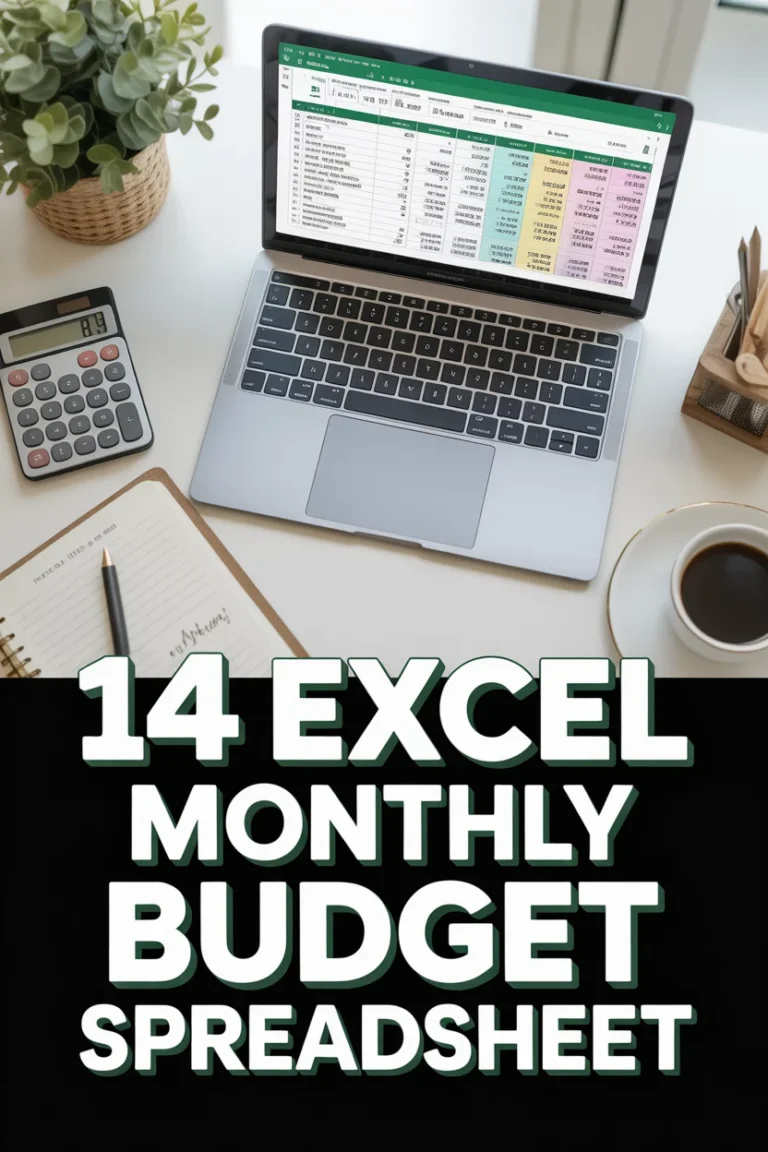
Use an app or a simple spreadsheet to categorize spending. The pro tip here is to assign a “job” to every dollar before you spend it. Knowing where your money goes is step one to telling it where to stay.
2. Master Meal Prep
Say goodbye to sad desk lunches and expensive takeout. Cooking at home is hands-down one of the biggest money-savers. Plan your meals for the week, hit the grocery store once, and then batch cook.
Investing in some good containers makes all the difference. Your future self (and wallet) will thank you for having healthy, ready-to-eat meals on hand. Plus, no more “what’s for dinner” panic.
3. Implement a Coffee Shop Curfew
Your daily latte is secretly a luxury item masquerading as a necessity. Those few bucks add up faster than you can say “extra shot.” Invest in a good travel mug and a decent coffee maker.
Making your brew at home can save you hundreds, even thousands, a year. Think of it as a small sacrifice with a huge payoff for your savings account. Your bank balance will be buzzing, not just you!
4. Conduct a Subscription Audit
Are you paying for ghosts? Go through your bank statements and identify every single recurring subscription. Seriously, do you really need four streaming services and that app you downloaded once in 2021?
Cancel anything you don’t actively use or truly love. It’s shockingly easy to accumulate these tiny leaks in your budget. This quick check can free up a surprising amount of cash.
5. Embrace DIY Dominance
Unleash your inner handyperson. Many minor repairs or simple tasks around the house can be done yourself with a quick YouTube tutorial. Think leaky faucets, painting, or even changing a light fixture.
Hiring someone for every little thing gets expensive fast. Learning basic skills not only saves money but also gives you a satisfying sense of accomplishment. You’re more capable than you think!
6. Perfect Your Grocery Game Plan
Don’t just wander the aisles; conquer them. Always go to the grocery store with a detailed list and, for the love of all that is holy, never shop hungry. Shopping hungry is a rookie mistake; your cart will fill up with things you don’t need.
Stick to your list, compare unit prices, and avoid impulse buys at the checkout. Planning means less food waste and more money staying in your pocket.
7. Power Up with Public Transport
Give your car (and wallet) a much-needed break. If feasible, opt for public transportation, biking, or walking. The costs of gas, insurance, maintenance, and parking add up significantly.
Think of it as eco-friendly savings and a mini workout all rolled into one. Plus, you can read a book or catch up on podcasts instead of battling traffic. Win-win, right?
8. Become a Secondhand Savant
One person’s trash is truly another’s treasure. Thrift stores, consignment shops, and online marketplaces like Facebook Marketplace or Depop are goldmines for everything from fashion to furniture and books. You can find amazing deals and unique pieces.
Buying secondhand not only saves you a ton of money but also helps the planet by reducing waste. Who needs brand new when vintage is practically a superpower?
9. Get an Energy Efficiency Edge
Stop heating (or cooling) the neighborhood. Small changes around your home can shave a decent chunk off your utility bills. Unplug electronics when not in use (vampire power is real!), switch to LED bulbs, and consider a smart thermostat.
These adjustments might seem minor, but collectively they make a significant impact. It’s about being smart, not uncomfortable.
10. Demolish High-Interest Debt
High-interest debt, like credit card balances, is a money monster that eats away at your financial future. Prioritize paying off these debts as quickly as possible. Every dollar you save on interest is a dollar you keep.
Focusing on the highest interest rates first can accelerate your progress. It’s not glamorous, but it’s one of the most impactful ways to free up cash long-term.
11. Try a Cash-Only Challenge
Plastic money often feels like monopoly money, making it easy to overspend. For discretionary categories like dining out or entertainment, try using only cash for a week or a month. This makes you acutely aware of how much you’re spending.
It’s harder to overspend when you see the actual bills leaving your hand. This simple trick can create a powerful psychological shift in your spending habits.
12. Negotiate Everything
Don’t be afraid to ask! Many services, from your internet bill to your insurance premiums, are negotiable. A polite request for a better rate or a loyalty discount can often lead to a pleasant surprise and lower costs.
Even things like medical bills can sometimes be reduced if you ask for a cash discount. The worst they can say is no, and the best case is a fatter wallet.
13. Enjoy Free Entertainment
Your city has more to offer than you think, often without a hefty price tag. Explore local parks, hiking trails, free museum days, library events, or outdoor concerts. Pack a picnic instead of buying overpriced snacks.
Who needs a pricey concert when there’s a free outdoor movie night? Quality time doesn’t have to come with a hefty price tag. Get creative with your leisure!
14. Embrace Bulk Buy Brilliance (Smartly)
Stock up smart on non-perishable items, toiletries, and household goods when they are on sale. Buying in bulk often offers a lower unit price, saving you money over time.
Just make sure you have storage space and that you’ll actually use the product before it expires. Nobody needs 100 rolls of toilet paper unless they’re planning for the apocalypse (and even then…).
15. Automate Your Savings
Set it and forget it! One of the easiest ways to build your savings is to automate it. Set up automatic transfers from your checking account to your savings account every payday. Treat your savings like a non-negotiable bill – pay yourself first.
Even a small, consistent amount adds up significantly over time. You won’t miss the money if you never see it in your checking account, and your savings will grow effortlessly.
💼 The Money Management Toolkit
Knowledge is power, but proper execution requires the right tools. Getting your financial life organized doesn't have to be overwhelming. These 5 physical management tools are exactly what successful households use to budget, track cash, and secure their most important assets.
📝 Clever Fox Budget Planner & Bill Organizer
The ultimate analog command center for your finances. Sometimes keeping your budget in an app just doesn't stick. Physically writing down your goals, tracking expenses, and planning for debt payoff creates a level of accountability that digital spreadsheets simply can't match.
💵 A6 Leather Cash Stuffing Binder
The viral tool that made the cash-envelope budgeting system popular again. By allocating actual physical cash to designated envelopes (groceries, dining out, fun money), you physically cap your spending, making it virtually impossible to overdraft or overspend.
🔥 Fireproof & Waterproof Document Safe
A critical piece of financial security that many families overlook. Protecting your passports, birth certificates, property deeds, and estate planning documents from disaster is just as important as protecting the money in your bank account.
🏷️ Brother P-Touch Digital Label Maker
The unsung hero of a functional home office. When tax season rolls around or you need to find an important receipt, having perfectly labeled and categorized filing cabinets or accordion folders saves hours of frustrating searches and potential late fees.
🔒 SentrySafe Compact Fireproof Lock Box
For the physical assets that need extra heavy-duty protection—think emergency cash reserves, hard drives with Bitcoin cold wallets, or physical precious metals. This compact, locking safe provides peace of mind that your physical wealth is secure at home.
Conclusion
See? Saving money isn’t about deprivation; it’s about making smart choices and feeling totally empowered. You’re not just cutting costs; you’re investing in your future self, who will totally send you a thank-you note (probably via Venmo). Go forth, be frugal, and conquer that budget!