🌱 How To Save Money When You Are Broke
📚 The Financial Literacy Library
The best investment you can ever make is in your own financial education. These 5 cornerstone books are what millionaires, financial advisors, and wealth-builders universally recommend for completely rewiring how you think about earning, saving, and investing money.
🧠 The Psychology of Money
Doing well with money isn't necessarily about what you know—it's about how you behave. Morgan Housel masterfully breaks down the emotional and psychological biases that secretly dictate our financial decisions, offering a true paradigm shift in how to view wealth.
🏠 Rich Dad Poor Dad
The #1 personal finance book of all time for a reason. This foundational read shatters the myth that you need to earn a high income to be rich, teaching you the critical difference between working for money and making your money work for you via assets.
📈 Atomic Habits
While not strictly a finance book, building wealth is absolutely dependent on the daily habits you cultivate. James Clear provides the definitive framework for breaking bad spending habits and effortlessly automating the good ones that lead to long-term success.
📊 The Simple Path to Wealth
The ultimate antidote to complex, intimidating financial advice. JL Collins provides an incredibly accessible, low-stress roadmap to financial independence through index fund investing, perfectly explaining why simplicity beats Wall Street complexity every time.
💳 I Will Teach You to Be Rich
A tactical, no-BS, 6-week program that actually works. Ramit Sethi teaches you how to crush debt, automate your savings, and negotiate your salary—all while guilt-free spending on the things you truly love. A must-read for modern money management.
Ever felt that sinking feeling when your bank account balance looks more like a phone number than actual money?
I’ve been there, staring at an empty fridge and wondering how to make it to the next paycheck.
This guide comes from personal experience and practical wisdom, designed to help you turn that feeling of scarcity into a powerful starting point for financial growth.

Quick Overview
This guide will equip you with actionable strategies to start saving, even when you feel like you have nothing left to give. We’ll cover everything from immediate cuts to long-term money habits.
- Time needed: 1-2 hours to read and initial setup, ongoing daily/weekly effort.
- Difficulty: Beginner
- What you’ll need: A notebook or spreadsheet, an open mind, and a willingness to make changes.
Step-by-Step Instructions
Step 1: Confront Your Current Reality (No Sugar-Coating)
The first step to fixing a problem is admitting it exists and understanding its scope. Gather all your financial statements, bank apps, and credit card bills.
Write down every single dollar that comes in and every dollar that goes out. This isn’t about judgment; it’s about clarity.
- Track your income sources. List every penny you expect to receive this month.
- List all your expenses. Categorize them into “fixed” (rent, loan payments) and “variable” (groceries, entertainment).
- Identify your “must-haves” versus your “nice-to-haves.” Be brutally honest with yourself here.
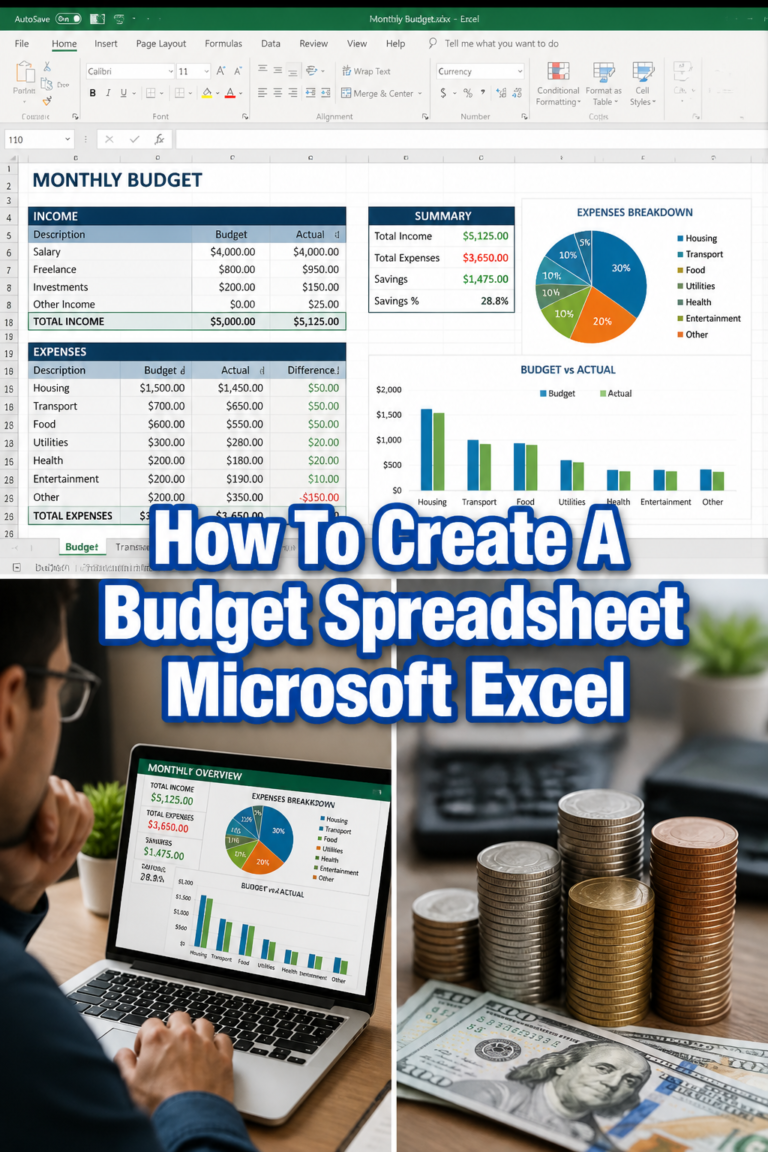
Pro Tip: Use a simple spreadsheet or a free budgeting app like Mint or YNAB (You Need A Budget) to automate some of this tracking. Seeing the numbers visually can be a powerful motivator.
Step 2: Slash Your Spending (Ruthlessly)
When you’re broke, every single expense is a candidate for reduction. Look at your “variable” expenses from Step 1 and find immediate cuts.
This isn’t about deprivation forever, but about creating breathing room right now.
- Cancel unused subscriptions. That gym membership you don’t use, streaming services you barely watch – they add up.
- Cook at home, always. Eating out, even fast food, is significantly more expensive than preparing meals yourself.
- Find free entertainment. Libraries, parks, free community events, or just spending time with friends at home cost nothing.
- Reduce transportation costs. Walk, bike, or use public transport instead of driving or ride-sharing whenever possible.
Pro Tip: Implement a “no-spend day” once or twice a week. Challenge yourself to spend absolutely no money for 24 hours. It builds discipline and highlights unnecessary spending.
Step 3: Boost Your Income (Even Tiny Amounts)
Saving isn’t just about cutting; it’s also about increasing what you have. Even small boosts can make a big difference when you’re starting from zero.
Think creatively about how you can bring in extra cash quickly.
- Sell unused items. Declutter your home and list clothes, electronics, or furniture on local marketplaces like Facebook Marketplace or Craigslist.
- Offer simple services. Can you babysit, walk dogs, do yard work, or run errands for neighbors?
- Look for gig work. Check apps for delivery services, online surveys, or micro-task platforms.
- Review your tax withholdings. If you’re getting a big refund, you might be overpaying and can adjust your W-4 to get more in your paycheck each month.
Pro Tip: Don’t dismiss small amounts. An extra $20 here, $50 there, quickly adds up to a meaningful sum when you’re trying to build a buffer. Every dollar counts.
Step 4: Create a “Bare Bones” Budget (And Stick To It)
Now that you know your income and have made cuts, it’s time to formalize your spending plan. This budget will be tight, focusing only on essentials.
The goal is to ensure your income covers your absolute necessities, with a little left over for savings.
- Allocate funds for essentials first: rent/mortgage, utilities, food, transportation, minimum debt payments.
- Designate a small, fixed amount for “emergency savings.” Even $5 or $10 a week is a start.
- Use the “envelope system” for variable expenses. Put cash for groceries, gas, and personal care into separate envelopes. When it’s gone, it’s gone.
- Review your budget daily or weekly. Adjust as needed, but always prioritize your savings goal.
Pro Tip: Think of your savings as a non-negotiable bill. Pay yourself first, even if it’s a tiny amount. This builds the habit.
Step 5: Tackle High-Interest Debt (Strategically)
If you have credit card debt or other high-interest loans, they are sucking your money dry. Prioritizing these can free up cash flow quickly.
Focus on reducing the most expensive debt first.
- Identify your highest interest rate debt. This is usually credit card debt.
- Make minimum payments on all other debts.
- Direct any extra money you free up (from cuts or income boosts) towards the debt with the highest interest rate. This is called the “debt avalanche” method.
- Consider calling creditors to negotiate lower interest rates or payment plans if you’re truly struggling.
Pro Tip: Even small overpayments on high-interest debt can save you a surprising amount of money over time. Every extra dollar you pay today means less interest tomorrow.
Step 6: Build Your Emergency Fund (Your Financial Shield)
When you’re broke, unexpected expenses can send you spiraling. An emergency fund, even a small one, is your first line of defense.
This fund is for true emergencies only, not for impulse buys.
- Set a mini-goal: $500 or $1,000 for your initial emergency fund. This covers most small, unexpected costs.
- Keep this money in a separate, easily accessible savings account. Make it distinct from your checking account.
- Automate transfers. Set up a recurring transfer of your designated savings amount from your checking to your savings account on payday.
Pro Tip: Name your savings account something motivating like “Freedom Fund” or “Peace of Mind.” This psychological trick can help keep you on track and prevent raiding it for non-emergencies.
Step 7: Cultivate a Money-Smart Mindset (It’s a Marathon)
Saving money when you’re broke isn’t just about numbers; it’s about changing your relationship with money. This is a long-term game.
Embrace patience and celebrate small victories.
- Practice delayed gratification. Before making any non-essential purchase, wait 24-48 hours. Often, the urge passes.
- Educate yourself. Read books, listen to podcasts, or follow blogs about personal finance. Knowledge is power.
- Celebrate milestones. When you hit your first $100 saved, or pay off a small debt, acknowledge your progress.
- Find an accountability partner. Share your goals with a trusted friend or family member who can support you.
Pro Tip: Understand that setbacks happen. Don’t let one slip-up derail your entire plan. Forgive yourself, learn from it, and get right back on track. Consistency, not perfection, is the key.
Common Mistakes to Avoid
Ignoring Small Leaks
Many people focus on big expenses but overlook the daily drip of small, seemingly insignificant purchases. That daily coffee, the vending machine snack, or a spontaneous app purchase can add up to hundreds of dollars a month. These “latte factors” can prevent you from saving any meaningful amount.
Instead, track every single penny for a week or two. You’ll be surprised where your money truly goes. Once you see it, you can make conscious choices to stop the leaks.
Waiting for a “Big Break”
It’s easy to think, “I’ll start saving when I get a raise,” or “I’ll save after I win the lottery.” This mindset postpones action indefinitely. Saving money, especially when broke, is about starting with what you have, no matter how little.
Begin with small, consistent steps today. Even $1 a day adds up to $365 a year. The habit of saving is more important than the initial amount.
Comparing Yourself to Others
Social media often showcases curated highlights of other people’s lives, making it seem like everyone else is living lavishly. Comparing your financial struggles to their perceived successes can lead to discouragement and impulse spending to “keep up.”
Focus on your own journey and progress. Your financial situation is unique. Celebrate your small wins and remember why you started this path towards financial stability.
Giving Up After a Setback
Life happens. An unexpected bill, a car repair, or a sudden need can feel like a punch to the gut when you’re trying to save. It’s easy to get disheartened and abandon your efforts entirely.
Acknowledge the setback, learn from it, and adjust your plan. Don’t let one obstacle derail your entire journey. Financial progress isn’t a straight line; it’s a series of ups and downs. Get back on track immediately.
Troubleshooting
“I have absolutely no money left to save.”
This feeling is common when you’re truly broke. Go back to Step 2 and scrutinize your expenses even more. Are there any services you can downgrade? Can you negotiate a lower bill for internet or phone? Can you reduce your grocery bill by meal planning strictly around sales?
Simultaneously, revisit Step 3. Can you sell anything you own? Can you offer a quick service to a neighbor for $10 or $20? Even finding an extra $5 or $10 needs to be your immediate focus to start building a tiny buffer.
“An unexpected expense just wiped out my savings.”
This is precisely why an emergency fund is crucial. Don’t view it as a failure, but rather as your emergency fund doing its job. Without it, you might have gone into debt.
Once the immediate crisis is handled, immediately recommit to rebuilding your fund. Adjust your budget for the next month if necessary to prioritize replenishing it. This reinforces the importance of the fund.
“I feel completely overwhelmed and demotivated.”
It’s okay to feel this way. Saving money, especially from a difficult starting point, is challenging. Break down your goals into tiny, manageable steps. Instead of “save $1,000,” try “save $10 this week.”
Focus on one small win at a time. Celebrate each small achievement, no matter how minor it seems. Talk to a trusted friend or family member for support, or find an online community of like-minded individuals.
Key Takeaways
- Know Your Numbers: Understand exactly where your money comes from and where it goes.
- Cut Deeply: Ruthlessly eliminate non-essential spending to create immediate breathing room.
- Boost Income: Find creative ways to bring in even small amounts of extra cash.
- Budget Strictly: Create a “bare bones” budget and stick to it, prioritizing savings.
- Build a Fund: Establish a small emergency fund as your financial safety net.
- Mindset Matters: Cultivate patience, celebrate progress, and stay resilient through setbacks.
Frequently Asked Questions
How quickly can I expect to see results?
You can start seeing results immediately, especially if you implement aggressive spending cuts and income-boosting strategies. Your first $50 or $100 could be saved within days or a week if you’re dedicated. Building a substantial emergency fund or tackling significant debt will take longer, usually months, but the initial progress is quick.
Is it really possible to save when I have debt?
Yes, absolutely. In fact, it’s often more critical. While you should prioritize paying down high-interest debt, having a small emergency fund (e.g., $500-$1,000) is crucial even when in debt. This prevents new debt from accumulating when unexpected expenses arise. Once that small fund is in place, you can aggressively tackle your debt.
What if my income is irregular?
Irregular income requires a slightly different budgeting approach. Focus on saving as much as possible during high-income periods to cover low-income periods. Create a “buffer” fund that covers at least one month of essential expenses. Use a “zero-based budget” where every dollar has a job, and adjust your spending based on your lowest expected income, saving the surplus from higher-income months.
Should I focus on saving or paying off debt first?
Generally, it’s wise to build a small starter emergency fund ($500-$1,000) first. This protects you from going further into debt for minor emergencies. Once that’s established, aggressively tackle high-interest debt (like credit cards). After high-interest debt is gone, you can focus on building a larger emergency fund (3-6 months of expenses) and other savings goals.
Our Top Recommended Finds
- A Simple Notebook and Pen: For tracking every dollar and jotting down your budget plans. It’s low-tech, effective, and free if you have one lying around.
- A Reliable Water Bottle: Stop buying bottled water or expensive sodas. Staying hydrated with tap water saves money and is healthier.
- Reusable Grocery Bags: Many stores charge for bags now, and bringing your own is a small but consistent saving. Plus, it’s better for the environment.
Your Journey to Financial Resilience Begins Today
Taking control of your money, especially when you feel like you have none, is one of the most empowering things you can do. It’s not about magic tricks or overnight riches; it’s about consistent, smart choices.
You have the power to change your financial story. Start small, stay consistent, and remember that every single dollar saved is a step towards a more secure and free future.
Keep learning, keep growing, and watch as your financial picture transforms. The best time to start was yesterday, the next best time is right now.