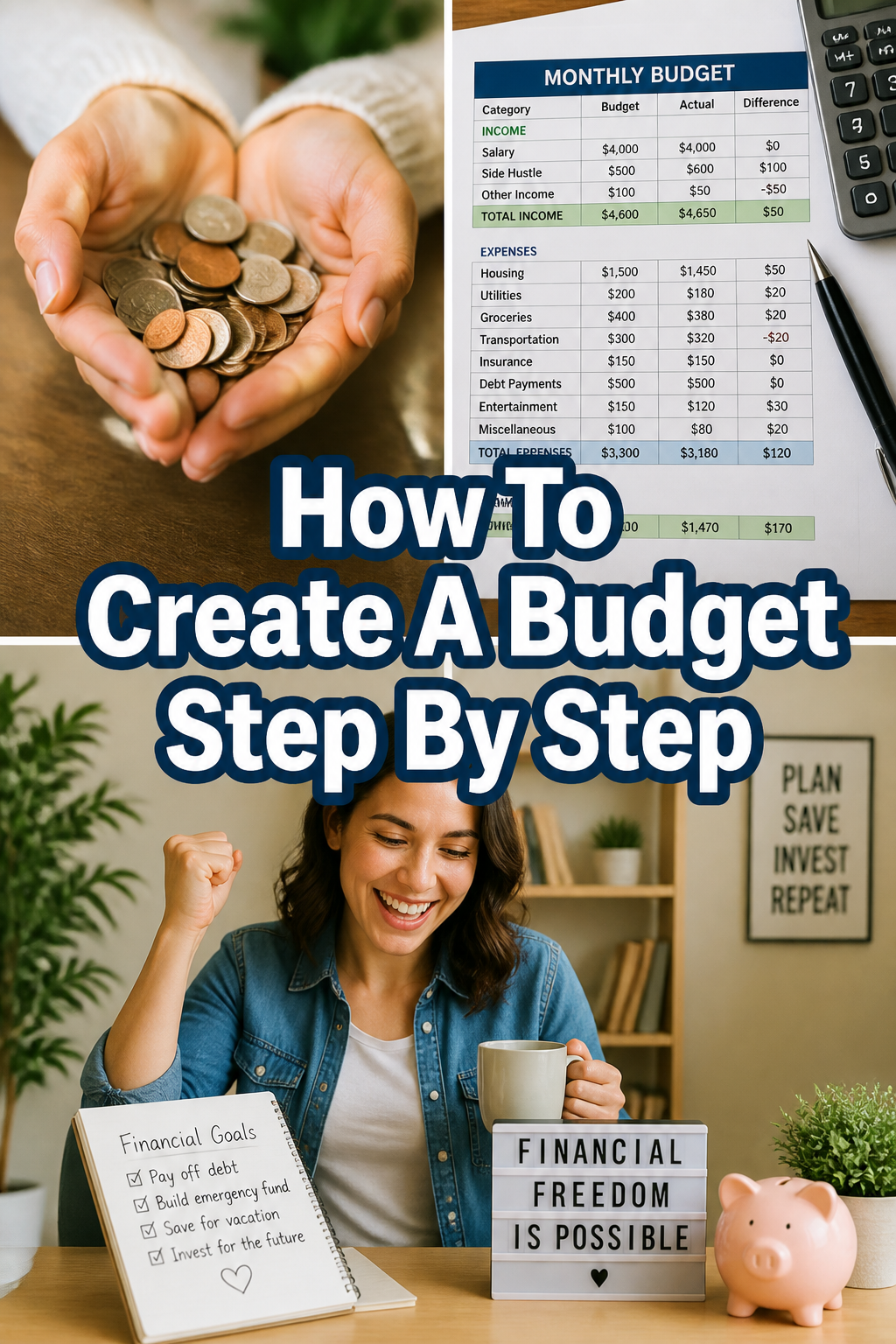
💰 How To Create A Budget Step By Step
📚 The Financial Literacy Library
The best investment you can ever make is in your own financial education. These 5 cornerstone books are what millionaires, financial advisors, and wealth-builders universally recommend for completely rewiring how you think about earning, saving, and investing money.
🧠 The Psychology of Money
Doing well with money isn't necessarily about what you know—it's about how you behave. Morgan Housel masterfully breaks down the emotional and psychological biases that secretly dictate our financial decisions, offering a true paradigm shift in how to view wealth.
🏠 Rich Dad Poor Dad
The #1 personal finance book of all time for a reason. This foundational read shatters the myth that you need to earn a high income to be rich, teaching you the critical difference between working for money and making your money work for you via assets.
📈 Atomic Habits
While not strictly a finance book, building wealth is absolutely dependent on the daily habits you cultivate. James Clear provides the definitive framework for breaking bad spending habits and effortlessly automating the good ones that lead to long-term success.
📊 The Simple Path to Wealth
The ultimate antidote to complex, intimidating financial advice. JL Collins provides an incredibly accessible, low-stress roadmap to financial independence through index fund investing, perfectly explaining why simplicity beats Wall Street complexity every time.
💳 I Will Teach You to Be Rich
A tactical, no-BS, 6-week program that actually works. Ramit Sethi teaches you how to crush debt, automate your savings, and negotiate your salary—all while guilt-free spending on the things you truly love. A must-read for modern money management.
Creating a budget might sound like a chore, but it’s truly a game-changer for your financial life.
I remember feeling overwhelmed by my own finances, wondering where all my money went each month.
Building a budget, step by step, transformed my spending habits and helped me achieve goals I once thought impossible.
Quick Overview
This guide will walk you through building a personal budget that actually works for you.
You’ll learn to track your money, set smart goals, and gain control over your financial future.
- Time needed: 1-2 hours for initial setup, 15-30 minutes weekly for maintenance
- Difficulty: Beginner
- What you’ll need: Bank statements, credit card statements, pay stubs, a spreadsheet (or budgeting app), and a positive mindset
Step-by-Step Instructions
Step 1: Define Your Financial “Why”
Before you dive into numbers, think about what you want your money to do for you.
Your “why” is your motivation, the fuel that keeps your budget on track.
- Picture your ideal financial future.
- Identify specific goals: a down payment on a house, an emergency fund, early retirement, paying off debt.
- Write these goals down. Make them visible.
Pro Tip: Your “why” doesn’t have to be grand. It could be saving for a new gadget, a weekend trip, or simply feeling less stressed about bills. Personalize it!
Step 2: Gather Your Financial Information
This is where you collect all the raw data about your money.
It helps to have everything in one place before you start crunching numbers.
- Collect bank statements for the last 1-3 months.
- Round up all credit card statements from the same period.
- Find your recent pay stubs or income statements.
- Note down any other sources of income, like freelance work or side hustles.
Step 3: Calculate Your Total Income
Understanding exactly how much money you have coming in is fundamental.
This is your starting point for everything else.
- List all your income sources.
- Sum up your take-home pay (net income) after taxes and deductions.
- Add any extra income you reliably receive each month.
- Calculate your total monthly income.
Pro Tip: If your income varies, use an average of the last few months or err on the side of caution by using your lowest reliable monthly income. This prevents overspending.
Step 4: Track and Categorize Your Expenses
This step reveals where your money is actually going.
It’s often the most eye-opening part of the budgeting process.
- Go through your bank and credit card statements line by line.
- Assign each transaction to a category. Common categories include housing, transportation, food, utilities, entertainment, debt payments, and savings.
- Separate expenses into “fixed” (rent, loan payments) and “variable” (groceries, dining out, entertainment).
- Distinguish between “needs” (rent, essential groceries) and “wants” (dining out, subscriptions, new clothes).
Step 5: Analyze Your Spending Habits
Once your expenses are categorized, patterns will emerge.
This analysis helps you identify areas for potential adjustment.
- Review your spending in each category.
- Highlight any categories where spending seems excessive or out of line with your goals.
- Look for recurring subscriptions you no longer use.
- Identify areas where you can cut back without sacrificing your quality of life too much.
Step 6: Set Realistic Spending Limits
Now that you know your income and where your money goes, you can decide where you want it to go.
This is where you align your spending with your financial goals.
- Allocate a specific amount for each expense category.
- Prioritize your needs first, then debt payments and savings.
- Assign amounts to your wants, keeping your income and goals in mind.
- Ensure your total budgeted expenses (including savings) do not exceed your total income.
Pro Tip: The 50/30/20 rule is a great starting point: 50% for needs, 30% for wants, and 20% for savings and debt repayment. Adjust these percentages to fit your unique situation.
Step 7: Choose Your Budgeting Method
There are several ways to manage your budget, find one that resonates with you.
The best method is the one you’ll actually stick with.
- Consider a spreadsheet for full control and customization.
- Explore budgeting apps (like Mint, YNAB, Personal Capital) for automation and visual tracking.
- Try the “envelope system” for cash-based spending, where you physically allocate cash into envelopes for different categories.
- Pick a method that feels easy and sustainable for you.
Step 8: Implement and Monitor Your Budget
Your budget is a living document, not a one-time creation.
Regular monitoring is key to its success.
- Start using your chosen budgeting tool immediately.
- Track every dollar you spend throughout the month. This is crucial for accuracy.
- Compare your actual spending to your budgeted amounts regularly.
- Be honest with yourself about where you are over or under budget.
Step 9: Review and Adjust Regularly
Life changes, and so should your budget.
Flexibility is a sign of a healthy financial plan.
- Schedule a weekly or bi-weekly check-in with your budget.
- Review your progress toward your financial goals.
- Make small adjustments as needed. Did you underestimate groceries? Did you get an unexpected bonus?
- Celebrate small victories, like staying under budget in a tricky category.
Step 10: Automate Your Savings and Bills
Make saving and paying bills effortless.
Automation removes the temptation to spend that money elsewhere.
- Set up automatic transfers from your checking to your savings account right after payday.
- Schedule automatic payments for your fixed bills (rent, loans, utilities).
- Consider separate savings accounts for different goals (emergency fund, vacation, down payment).
- Let your money work for you without constant manual effort.
Common Mistakes to Avoid
Ignoring Small Expenses
It’s easy to overlook daily coffees, snacks, or small online purchases, thinking they don’t add up.
These “latte factors” can silently drain your budget, making it feel like you’re always short on cash.
Make sure to track every single expense, no matter how small, to get a true picture of your spending.
Being Too Restrictive
A budget that’s too tight or unrealistic will quickly lead to burnout and abandonment.
If you cut out all enjoyable spending, you’ll feel deprived and likely revert to old habits.
Build in some “fun money” or a buffer for unexpected costs. Your budget should empower you, not imprison you.
Not Tracking Consistently
Creating a budget is only half the battle; the other half is sticking to it.
Many people set up a budget but then forget to track their spending, making the initial effort useless.
Make tracking a regular habit, whether it’s daily, every few days, or weekly. Consistency is key to success.
Comparing Yourself to Others
It’s tempting to look at friends’ lifestyles or social media and feel like your budget isn’t enough.
Everyone’s financial situation, income, and goals are unique.
Focus on your own progress and what works for your life, rather than trying to keep up with someone else’s spending.
Troubleshooting
My Budget Never Seems to Work
If your budget consistently falls apart, it’s likely too optimistic or not aligned with your real spending habits.
Go back to your expense tracking (Step 4) and be brutally honest about where your money is actually going.
Adjust your spending limits (Step 6) to be more realistic, even if it means cutting back in areas you didn’t initially want to.
I Keep Forgetting to Track My Spending
This is a common hurdle, especially when starting out.
Try automating as much as possible with a budgeting app that links to your bank accounts, or set daily reminders on your phone to input transactions.
Make it a habit to review receipts at the end of each day or week, or simply use your debit/credit card for everything so it’s all recorded digitally.
I Don’t Have Enough Money to Budget
A budget helps you manage the money you have, no matter the amount.
If you truly have more expenses than income, a budget will highlight this crucial problem.
Focus on increasing your income (side hustle, asking for a raise) or drastically reducing expenses until you reach a positive balance.
Key Takeaways
- Your “why” is your most powerful budgeting motivator.
- Understanding your income and expenses is the foundation.
- Be honest and realistic with your spending limits.
- Consistency in tracking is more important than perfection.
- Review and adjust your budget regularly to keep it relevant.
- Automate savings and bill payments to make your life easier.
Frequently Asked Questions
How long does it take to see results from budgeting?
You’ll start seeing clarity and control almost immediately after setting up your budget.
Financial results, like growing savings or reduced debt, typically become noticeable within 3-6 months of consistent effort.
Long-term wealth building is a marathon, not a sprint, so stick with it!
What if my income is irregular?
Budgeting with irregular income requires a slightly different approach.
Focus on building a buffer or “income smoothing” fund to cover your fixed expenses during leaner months.
Budget based on your lowest reliable income, and then allocate any extra income towards savings, debt, or specific goals.
Should I include debt payments in my budget?
Absolutely! Debt payments are a critical part of your fixed expenses.
Budgeting helps you ensure you meet these obligations and can even free up extra money to accelerate your debt repayment.
Prioritizing debt in your budget is a smart move for your financial health.
Is it okay to spend money on fun things while budgeting?
Yes, it’s not just okay, it’s encouraged!
A sustainable budget includes money for things you enjoy.
Depriving yourself completely often leads to giving up on the budget entirely. Just make sure your “fun money” fits within your overall plan.
Our Top Recommended Finds
- Budgeting Spreadsheet Template: A customizable Excel or Google Sheets template to track income and expenses manually.
- High-Interest Savings Account: A separate online account to keep your emergency fund and savings goals growing faster.
- Personal Finance Book: A well-regarded book on money management to deepen your financial knowledge and motivation.
Embrace Your Financial Journey Today
You’ve taken the first brave step by reading this guide.
Now, it’s time to put these powerful strategies into action and build a budget that truly serves you.
Imagine the freedom and peace of mind that comes from knowing exactly where your money is going and aligning it with your dreams.
Start small, stay consistent, and watch your financial confidence soar. Your future self will thank you.