💰 How To Save 10 000 In A Year
📚 The Financial Literacy Library
The best investment you can ever make is in your own financial education. These 5 cornerstone books are what millionaires, financial advisors, and wealth-builders universally recommend for completely rewiring how you think about earning, saving, and investing money.
🧠 The Psychology of Money
Doing well with money isn't necessarily about what you know—it's about how you behave. Morgan Housel masterfully breaks down the emotional and psychological biases that secretly dictate our financial decisions, offering a true paradigm shift in how to view wealth.
🏠 Rich Dad Poor Dad
The #1 personal finance book of all time for a reason. This foundational read shatters the myth that you need to earn a high income to be rich, teaching you the critical difference between working for money and making your money work for you via assets.
📈 Atomic Habits
While not strictly a finance book, building wealth is absolutely dependent on the daily habits you cultivate. James Clear provides the definitive framework for breaking bad spending habits and effortlessly automating the good ones that lead to long-term success.
📊 The Simple Path to Wealth
The ultimate antidote to complex, intimidating financial advice. JL Collins provides an incredibly accessible, low-stress roadmap to financial independence through index fund investing, perfectly explaining why simplicity beats Wall Street complexity every time.
💳 I Will Teach You to Be Rich
A tactical, no-BS, 6-week program that actually works. Ramit Sethi teaches you how to crush debt, automate your savings, and negotiate your salary—all while guilt-free spending on the things you truly love. A must-read for modern money management.
Saving money might seem daunting, especially a significant sum like $10,000. Many people believe it’s only for the high-earners.
I’ve personally navigated the path of aggressive saving and helped countless others transform their finances. This guide distills those proven strategies into simple, actionable steps.
You absolutely have the power to achieve this goal, regardless of your current income. Let’s make that $10,000 a reality for you.

Quick Overview
This guide will empower you to save $10,000 within the next 12 months. We’ll break down the process into manageable steps, focusing on practical changes and a positive money mindset. You’ll finish the year with a stronger financial foundation and a significant chunk of savings.
- Time needed: Initial setup takes a few hours, then consistent daily/weekly effort over 12 months.
- Difficulty: Intermediate – it requires discipline and commitment, but the steps are straightforward.
- What you’ll need: A budgeting app or spreadsheet, a dedicated savings account, and a strong desire to succeed.
Step-by-Step Instructions
Step 1: Get Clear on Your “Why” and Your Numbers
Before you start cutting costs, understand your motivation. Why do you want to save $10,000? Is it for a down payment, an emergency fund, or a dream vacation?
Knowing your “why” will be your biggest motivator when things get tough. Write it down and keep it visible.
Next, calculate your target. $10,000 divided by 12 months means you need to save approximately $833.33 each month. Break it down further: that’s about $192.30 per week.
This number gives you a clear target to aim for consistently. It makes the large goal feel much more achievable.
Pro Tip: Visualize yourself achieving your goal. Imagine what it feels like to have that $10,000 in your account. This mental practice reinforces your commitment.
Step 2: Understand Your Current Financial Landscape
You can’t manage what you don’t measure. For one month, track every single dollar you spend. This includes coffee, groceries, subscriptions, and rent.
Use a budgeting app, a spreadsheet, or even a pen and paper. The goal is to identify exactly where your money is going.
Look for patterns and areas where you might be overspending. This isn’t about judgment; it’s about gaining clarity.
This step is crucial for identifying your financial “leaks.” You might be surprised by what you uncover.
Step 3: Craft a Realistic and Lean Budget
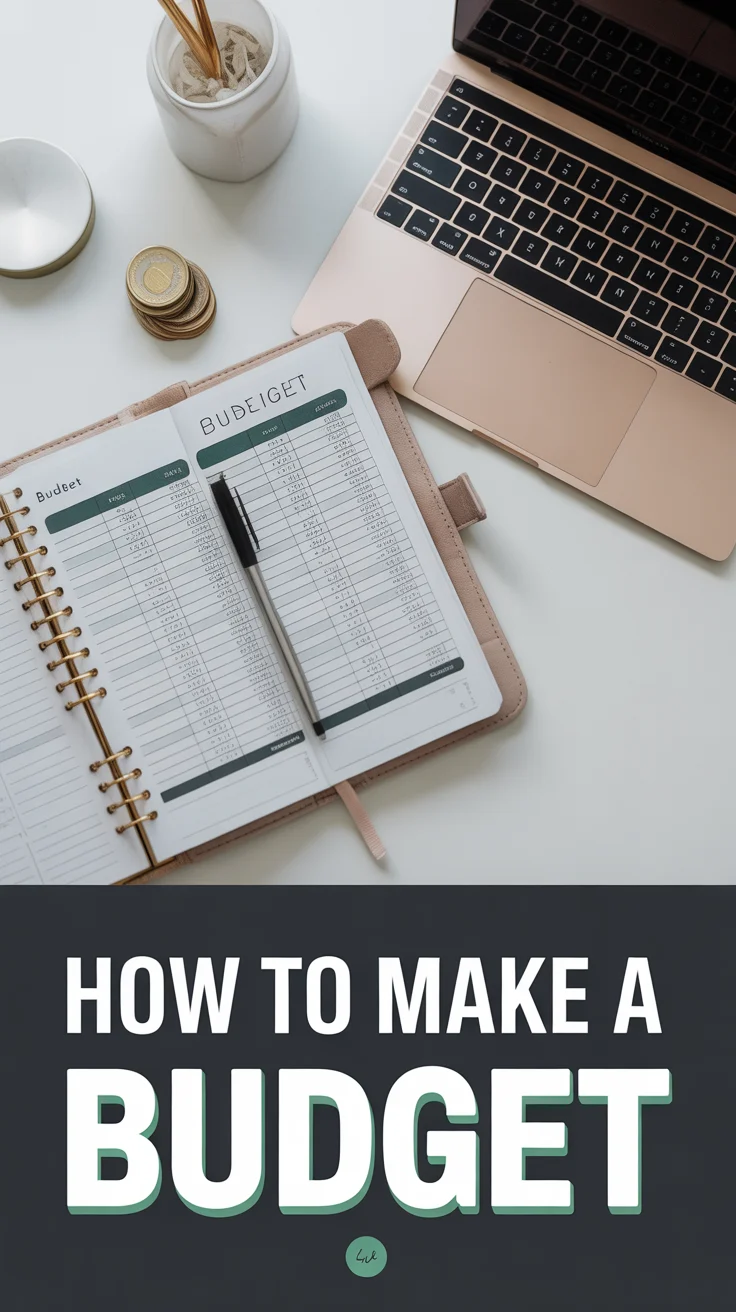
Now that you know your spending, create a budget that prioritizes saving $833.33 monthly. Start by listing all your fixed expenses: rent, utilities, loan payments.
Then, categorize your variable expenses like groceries, dining out, and entertainment. Be honest about where you can cut back.
Consider using the 50/30/20 rule as a guideline: 50% for needs, 30% for wants, and 20% for savings and debt repayment. You’ll likely need to push your savings percentage higher to hit $10,000.
This budget isn’t a straitjacket; it’s a roadmap. It helps you allocate every dollar consciously.
Step 4: Attack Unnecessary Expenses ruthlessly
This is where the real saving begins. Review your spending from Step 2 and your budget from Step 3. Identify anything that isn’t essential.
Cancel unused subscriptions, from streaming services to gym memberships you rarely use. Cook more meals at home instead of dining out or ordering takeout.
Look for cheaper alternatives for everyday items. Can you switch to a more affordable phone plan or car insurance?
Small cuts add up significantly over a year. Every dollar saved here is a dollar closer to your $10,000 goal.
Pro Tip: Implement a “no-spend” challenge for a week or a month. This can drastically reduce impulse buys and highlight areas where you typically spend without thinking.
Step 5: Boost Your Income Streams
Saving isn’t just about cutting; it’s also about earning more. Can you take on a side hustle? This could be freelancing, dog walking, tutoring, or selling crafts online.
Even an extra $100-$200 a week from a side gig makes a huge difference. This additional income should go directly into your savings.
Consider selling items you no longer need. Declutter your home and list clothes, electronics, or furniture on online marketplaces.
Negotiate your salary or ask for a raise at your current job. Present a strong case based on your contributions and market value.
Step 6: Automate Your Savings
Make saving non-negotiable by automating it. Set up an automatic transfer of $833.33 (or more!) from your checking account to a dedicated high-yield savings account every payday.
Treat your savings transfer like a bill you absolutely must pay. This strategy removes the temptation to spend the money.
A high-yield savings account will also earn you a little extra money, putting compound interest to work. Choose an account that is separate from your main banking for less temptation.
“Pay yourself first” is a fundamental principle of wealth building. Automation makes it effortless.
Step 7: Track Your Progress and Celebrate Milestones
Regularly check your savings balance. Seeing your progress grow is incredibly motivating.
Use your budgeting app or a simple spreadsheet to track how close you are to your monthly and overall goals. Adjust your spending if you’re falling behind.
Celebrate small milestones along the way. When you hit $1,000, $2,500, or $5,000, acknowledge your hard work.
These mini-celebrations don’t have to cost money. Acknowledge your discipline and resilience with a non-monetary reward like a relaxing evening or a walk in nature.
Step 8: Stay Flexible and Adaptable
Life happens, and sometimes unexpected expenses arise. Don’t let a temporary setback derail your entire plan.
If you have an off-month, don’t give up. Re-evaluate your budget, look for areas to cut back more, or find ways to earn extra in the following month.
Your budget is a living document, not a rigid rulebook. Be prepared to adjust it as your circumstances change.
The key is consistency and resilience, not perfection. Keep your eye on the $10,000 prize.
Common Mistakes to Avoid
Not Tracking Your Spending
Many people create a budget but then fail to track their actual spending. This makes the budget useless, as you won’t know if you’re sticking to it or where your money is truly going. Always monitor your transactions against your budget to identify deviations and make timely adjustments.
Being Too Restrictive
Creating an overly aggressive budget that cuts out all enjoyment is a recipe for failure. You’ll feel deprived and quickly give up. Build in a small amount for “fun money” or occasional treats to make your budget sustainable and enjoyable. Balance discipline with realistic expectations.
Ignoring Small Expenses
It’s easy to dismiss small daily purchases like coffee, snacks, or app subscriptions. However, these “micro-expenses” add up significantly over a year. Pay attention to every dollar, as even small cuts can contribute substantially to your $10,000 goal.
Giving Up After a Slip-Up
No one is perfect, and you will likely have moments where you overspend or miss a savings transfer. The mistake isn’t the slip-up itself, but giving up entirely afterward. Acknowledge the misstep, learn from it, and immediately get back on track with your plan. Consistency over time beats perfection.
Troubleshooting
I’m Feeling Overwhelmed by the Numbers
Break down the $833.33 monthly goal into smaller, more manageable chunks. Focus on saving $192 each week, or even $27 per day. Seeing smaller numbers can make the goal feel less daunting and more achievable. Start with one small change, like bringing lunch from home, and build momentum from there.
Unexpected Expenses Keep Derailing My Progress
This is a common challenge. First, ensure you have a small emergency fund (even $500-$1000) separate from your $10,000 goal. This fund is for true emergencies, preventing you from dipping into your savings. If an unexpected cost arises, re-evaluate your budget for the following month to see where you can temporarily cut back more to compensate.
I’ve Lost My Motivation
Reconnect with your “why.” Review the goal you wrote down in Step 1. Visualize the benefits of having $10,000 saved. Talk to a trusted friend or family member about your goal for accountability and encouragement. Sometimes, a fresh perspective or a reminder of your initial drive is all you need to reignite your motivation.
Key Takeaways
- Understand your personal “why” for saving to fuel your motivation.
- Track every dollar you spend to uncover hidden financial leaks.
- Create a realistic budget that prioritizes your $10,000 savings goal.
- Actively seek opportunities to cut expenses and increase your income.
- Automate your savings to make consistent progress effortless.
- Regularly monitor your progress and celebrate milestones to stay engaged.
- Be adaptable and resilient; don’t let setbacks derail your overall plan.
Frequently Asked Questions
Is saving $10,000 in a year truly realistic for an average income?
Yes, it is absolutely realistic for many people, even with an average income. It requires discipline, a clear budget, and often a combination of expense cutting and income boosting. Many individuals achieve this by making conscious choices about their spending and finding creative ways to earn more.
What if I fall behind on my monthly savings target?
Don’t panic or give up. If you miss your target one month, analyze why it happened. Then, identify areas where you can save more in subsequent months to catch up. You might need to make deeper cuts or take on extra work temporarily. The key is to adjust and recommit, not to abandon the goal.
Should I invest my savings instead of just putting it in a savings account?
For short-term goals like saving $10,000 in a year, a high-yield savings account is generally recommended. Investments carry risk and are better suited for long-term goals (5+ years) where you have time to recover from market fluctuations. Your primary focus here is accumulating the capital safely.
How can I avoid impulse purchases when I’m trying to save?
Implement a “24-hour rule” for non-essential purchases. If you see something you want, wait 24 hours before buying it. Often, the urge passes. Also, unsubscribe from promotional emails and avoid browsing online stores or shopping malls if you’re prone to impulse buying.
Our Top Recommended Finds
- Budgeting Journal: A physical notebook helps you stay mindful of every transaction and visualizes your financial journey.
- Smart Plug Kit: Use smart plugs to easily turn off “vampire” electronics completely when not in use, saving on electricity bills.
- Reusable Coffee Cup: Drastically cut down on daily coffee shop expenses by making your own coffee and taking it with you.
Your Financial Freedom Awaits
You now have a practical, step-by-step roadmap to save $10,000 in a single year. This isn’t just about the money; it’s about building financial discipline, understanding your habits, and gaining confidence.
Imagine the peace of mind and opportunities that $10,000 could bring you. It could be the start of your emergency fund, a down payment, or the funding for a life-changing experience.
Don’t wait another day. Start with Step 1 right now. Assess your “why,” track your spending, and begin crafting your budget. Your future self will thank you for taking this powerful step today.