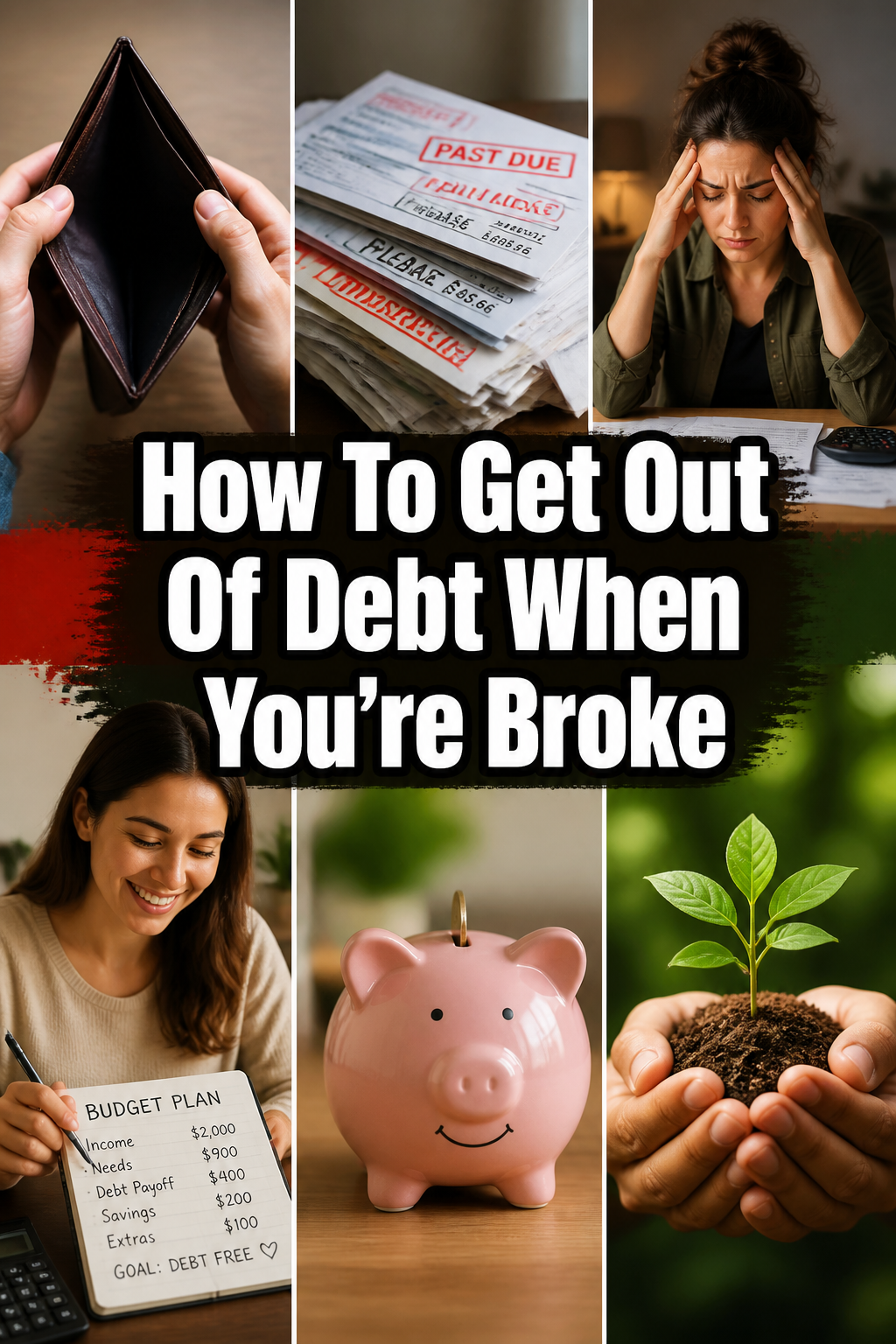
💸 How To Get Out Of Debt When You’re Broke
📚 The Financial Literacy Library
The best investment you can ever make is in your own financial education. These 5 cornerstone books are what millionaires, financial advisors, and wealth-builders universally recommend for completely rewiring how you think about earning, saving, and investing money.
🧠 The Psychology of Money
Doing well with money isn't necessarily about what you know—it's about how you behave. Morgan Housel masterfully breaks down the emotional and psychological biases that secretly dictate our financial decisions, offering a true paradigm shift in how to view wealth.
🏠 Rich Dad Poor Dad
The #1 personal finance book of all time for a reason. This foundational read shatters the myth that you need to earn a high income to be rich, teaching you the critical difference between working for money and making your money work for you via assets.
📈 Atomic Habits
While not strictly a finance book, building wealth is absolutely dependent on the daily habits you cultivate. James Clear provides the definitive framework for breaking bad spending habits and effortlessly automating the good ones that lead to long-term success.
📊 The Simple Path to Wealth
The ultimate antidote to complex, intimidating financial advice. JL Collins provides an incredibly accessible, low-stress roadmap to financial independence through index fund investing, perfectly explaining why simplicity beats Wall Street complexity every time.
💳 I Will Teach You to Be Rich
A tactical, no-BS, 6-week program that actually works. Ramit Sethi teaches you how to crush debt, automate your savings, and negotiate your salary—all while guilt-free spending on the things you truly love. A must-read for modern money management.
Feeling trapped by debt when your bank account is empty is a heavy burden.
I’ve been there, staring at bills with a knot in my stomach, wondering how I’d ever dig my way out.
This guide isn’t just theory; it’s built on real-world strategies that helped me, and countless others, regain control and build a stronger financial future.
Quick Overview
This guide will show you a clear path to financial freedom, even when starting from scratch. You’ll learn how to stabilize your situation, find extra cash, and strategically tackle your debts.
- Time needed: Initial setup 1-2 hours, ongoing commitment 15-30 minutes daily/weekly.
- Difficulty: Beginner
- What you’ll need: A pen and paper or a spreadsheet, your bank statements, and a strong desire to change.
Step-by-Step Instructions
Step 1: Confront Your Reality (The “Ugly Truth” Audit)
Before you can fix a problem, you need to understand its full scope. This step is about getting brutally honest with your numbers.
It might feel scary, but knowledge is power here.
- Gather all your financial documents. This includes credit card statements, loan agreements, utility bills, and bank statements.
- List every single debt you owe. Note down the creditor, the outstanding balance, the interest rate, and the minimum monthly payment for each.
- Calculate your total monthly income. Include all sources: wages, side hustle earnings, government benefits, and any other reliable cash inflows.
- Track every penny you spend for one week, or even a month. Use an app, a notebook, or a simple spreadsheet. This reveals where your money actually goes.
Pro Tip: Don’t judge yourself during this audit. Just collect the facts. This is purely an information-gathering mission to create your financial map.
Step 2: Create a Bare-Bones Budget (The “Survival” Budget)
When you’re broke, your budget isn’t about luxuries; it’s about survival and getting ahead.
This budget focuses on covering essentials and making debt payments.
- Categorize your expenses into “Needs” and “Wants.” Needs are housing, utilities, food, transportation, and minimum debt payments. Wants are everything else.
- Cut all non-essential “Wants” immediately. This means no dining out, no new clothes, no expensive entertainment.
- Allocate your income to cover your “Needs” first. Ensure rent, utilities, and groceries are covered.
- Assign the remaining money to debt payments, prioritizing as you’ll learn in the next step. If there’s nothing left after needs, you need to find more income.
Step 3: Find “Hidden” Money (Income Boost & Expense Slash)
Being broke doesn’t mean you can’t find extra cash. It often means getting creative and making tough choices.
Every dollar you find is a dollar that can go towards debt.
- Sell unused items around your house. Old electronics, clothes, furniture, or collectibles can be listed online quickly.
- Cancel unused subscriptions. Review your bank statements for recurring charges like streaming services or gym memberships you don’t use.
- Reduce grocery costs. Plan meals, use coupons, buy generic brands, and cook at home. Avoid food waste.
- Negotiate bills. Call your internet, cable, or insurance providers and ask for a lower rate or review your plan. Many companies offer loyalty discounts.
- Look for temporary side gigs. Babysitting, pet sitting, delivery services, or freelance work can bring in quick cash.
Pro Tip: Think of this as a scavenger hunt for money. Every small win adds up. Even saving $5 here and there makes a difference.
Step 4: Choose Your Debt Attack Strategy (Snowball or Avalanche)
Now that you know your debts and have some extra cash, it’s time to choose how you’ll pay them down.
Both methods are effective; pick the one that motivates you most.
- Debt Snowball Method: List your debts from smallest balance to largest. Pay only the minimum on all debts except the smallest. Throw all extra money at that smallest debt. Once it’s paid off, take the money you were paying on it (minimum + extra) and apply it to the next smallest debt. This builds momentum and psychological wins.
- Debt Avalanche Method: List your debts from highest interest rate to lowest. Pay only the minimum on all debts except the one with the highest interest rate. Throw all extra money at that high-interest debt. Once it’s paid off, move to the next highest interest rate debt. This saves you the most money in interest over time.
Step 5: Contact Creditors (Don’t Be Afraid to Talk)
If you’re truly struggling to make minimum payments, ignoring the problem makes it worse.
Creditors often prefer to work with you than have you default entirely.
- Explain your situation honestly. Tell them you’re committed to paying but need some flexibility right now.
- Ask about hardship programs. Many credit card companies or lenders have options like temporary lower payments, deferred payments, or even interest rate reductions.
- Explore debt management plans. Non-profit credit counseling agencies can sometimes negotiate lower interest rates and consolidate payments for you. Be cautious and research any agency thoroughly.
Step 6: Build Your Emergency Fund (Even $10 Matters)
When you’re broke, an unexpected expense can derail everything. An emergency fund acts as a financial shock absorber.
Start small, but start now.
- Set a tiny initial goal, like $100 or $500. This is your “starter” emergency fund.
- Automate savings. Even $5 or $10 a week moved automatically to a separate savings account can add up quickly without you noticing.
- Direct any unexpected income (tax refunds, bonuses, gifts) straight into this fund. Resist the urge to spend it.
- Protect this fund. It’s only for true emergencies, not impulse purchases or “wants.”
Step 7: Increase Your Income Strategically (Longer-Term Growth)
While cutting expenses is crucial, there’s a limit to how much you can cut. Increasing your income has no such ceiling.
This is where you start shifting your focus from just surviving to thriving.
- Upskill for a better job or promotion. Look for free online courses or local workshops that can boost your resume.
- Start a more substantial side hustle. Think about skills you have that others would pay for – writing, graphic design, tutoring, web development, handy work.
- Ask for a raise at your current job. Prepare by researching market rates for your position and highlighting your contributions.
- Explore passive income streams. This could be investing in dividend stocks (once your debt is under control), creating digital products, or renting out a spare room.
Step 8: Celebrate Small Wins and Stay Motivated
The debt payoff journey is a marathon, not a sprint. It’s easy to get discouraged, especially when you start broke.
Recognize and celebrate your progress along the way.
- Acknowledge every debt paid off, no matter how small.
- Reward yourself with something free or low-cost when you hit milestones (e.g., a picnic in the park, a movie night at home).
- Track your progress visually. A debt payoff chart or spreadsheet can show you how far you’ve come, which is incredibly motivating.
- Connect with a support system. Talk to a trusted friend, family member, or join an online community of people on a similar journey.
Common Mistakes to Avoid
Ignoring the Problem
Many people feel overwhelmed and simply stop opening bills or checking their bank balance. This only makes the debt grow with interest and late fees.
Confronting your finances head-on, even when it’s tough, is the first and most crucial step towards resolution.
Falling for “Get Rich Quick” Schemes
When desperate, it’s tempting to believe promises of fast money or magic solutions. These schemes usually involve high fees or are outright scams.
Stick to proven strategies: budgeting, expense reduction, increasing legitimate income, and strategic debt repayment.
Not Building an Emergency Fund
Jumping straight to aggressive debt repayment without a small emergency cushion leaves you vulnerable. One unexpected car repair or medical bill can force you to use credit cards again, undoing your progress.
Prioritize a small starter emergency fund (e.g., $500-$1000) before tackling debt with full force.
Comparing Yourself to Others
Everyone’s financial journey is unique. Seeing friends’ lavish vacations or new cars can make your own efforts feel inadequate.
Focus on your own progress and celebrate your own milestones. Your financial freedom is your personal victory.
Troubleshooting
“I Can’t Even Afford Minimum Payments”
This is a serious situation requiring immediate action. Review your “Survival” Budget again to find any possible cuts. Look for things you can sell quickly for cash.
Contact your creditors immediately to explain your situation and explore hardship options. Don’t wait until you miss a payment.
“I Keep Slipping Up and Spending”
Financial discipline is a muscle that needs training. Identify your triggers for impulse spending. Is it boredom, stress, or social pressure?
Implement stricter rules, like a 24-hour waiting period for non-essential purchases, or use cash for variable expenses to make spending more tangible.
“My Income Isn’t Enough, No Matter What”
If you’ve cut everything possible and still can’t cover needs and minimum payments, the focus must shift entirely to increasing income. This might mean working more hours, finding a second job, or actively seeking a higher-paying role.
Consider temporary, drastic measures, like renting out a spare room, to create breathing room.
Key Takeaways
- Confront your debt head-on: Understand every number, no matter how daunting.
- Create a “Survival” Budget: ruthlessly cut non-essentials to free up cash.
- Find extra money: sell unused items and cancel subscriptions for quick wins.
- Choose a debt strategy: use the Snowball or Avalanche method for focused repayment.
- Build a starter emergency fund: protect yourself from unexpected expenses.
- Increase your income: explore side hustles and career growth for long-term stability.
Frequently Asked Questions
Is it really possible to get out of debt when I have no money?
Absolutely. It requires dedication and creativity. Many people start with nothing, find ways to generate extra income, cut expenses drastically, and systematically pay off debt. It’s a journey, but it’s entirely achievable.
Should I consolidate my debt?
Debt consolidation can be helpful if it lowers your interest rate and simplifies payments. However, if you don’t address the underlying spending habits, you might just accumulate more debt on the newly freed-up credit lines. Evaluate carefully and ensure you’re getting a better deal.
How long will this take?
The timeline depends on the amount of your debt, your income, and how aggressively you apply these strategies. Some people pay off thousands in a year or two, while larger debts might take longer. The key is consistent effort and celebrating progress.
What if I get discouraged?
It’s normal to feel discouraged. Remind yourself of your “why”—your motivation for getting out of debt. Revisit your progress tracker, talk to a supportive friend, or read success stories. Every small step forward is a victory.
Our Top Recommended Finds
- Budgeting App (e.g., YNAB or Mint): Helps you track spending, categorize expenses, and visualize your financial picture.
- “The Total Money Makeover” by Dave Ramsey: A popular book that outlines a clear, step-by-step plan for debt elimination.
- A Simple Notebook and Pen: Sometimes the most effective tools are the simplest for tracking expenses and brainstorming income ideas.
Your Path to Freedom Starts Now
Taking control of your finances when you’re broke feels like climbing a mountain. But with each small step, each dollar saved, and each debt paid, you’re building momentum.
Imagine the relief, the freedom, and the peace of mind that comes with being debt-free.
Start today by taking that first “Ugly Truth” audit. Your future self will thank you for the courage you show right now.