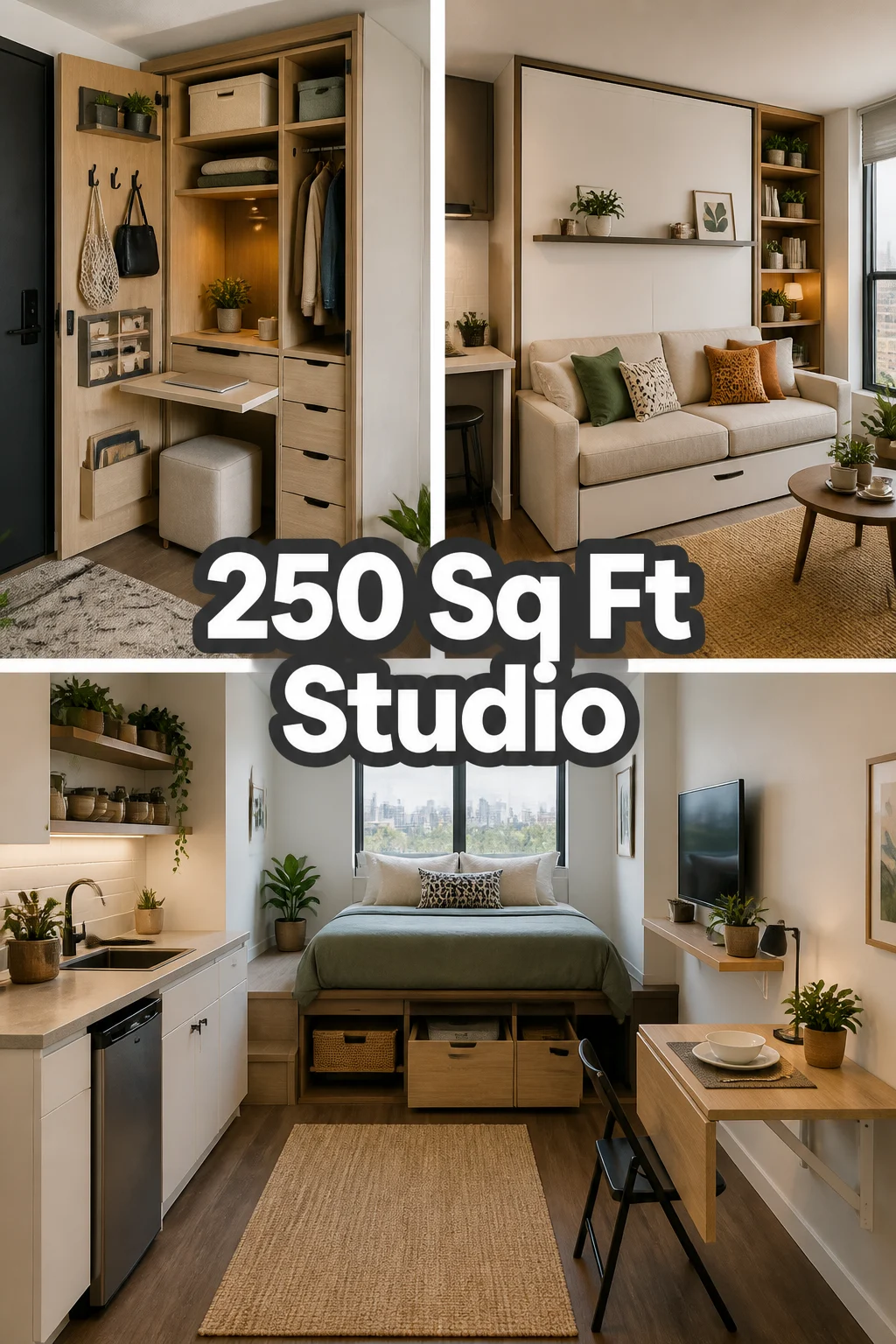
🌱 250 Sq Ft Studio
📚 The Financial Literacy Library
The best investment you can ever make is in your own financial education. These 5 cornerstone books are what millionaires, financial advisors, and wealth-builders universally recommend for completely rewiring how you think about earning, saving, and investing money.
🧠 The Psychology of Money
Doing well with money isn't necessarily about what you know—it's about how you behave. Morgan Housel masterfully breaks down the emotional and psychological biases that secretly dictate our financial decisions, offering a true paradigm shift in how to view wealth.
🏠 Rich Dad Poor Dad
The #1 personal finance book of all time for a reason. This foundational read shatters the myth that you need to earn a high income to be rich, teaching you the critical difference between working for money and making your money work for you via assets.
📈 Atomic Habits
While not strictly a finance book, building wealth is absolutely dependent on the daily habits you cultivate. James Clear provides the definitive framework for breaking bad spending habits and effortlessly automating the good ones that lead to long-term success.
📊 The Simple Path to Wealth
The ultimate antidote to complex, intimidating financial advice. JL Collins provides an incredibly accessible, low-stress roadmap to financial independence through index fund investing, perfectly explaining why simplicity beats Wall Street complexity every time.
💳 I Will Teach You to Be Rich
A tactical, no-BS, 6-week program that actually works. Ramit Sethi teaches you how to crush debt, automate your savings, and negotiate your salary—all while guilt-free spending on the things you truly love. A must-read for modern money management.
Ever feel like the dream of financial freedom is constantly battling the reality of high living costs? You’re not alone. In an era where rent eats up a significant chunk of income and the cost of living seems to perpetually climb, many are seeking innovative ways to reclaim their financial power. Enter the 250 Sq Ft Studio – a concept that’s rapidly gaining traction not just as a minimalist trend, but as a powerful financial strategy. This isn’t about sacrificing comfort; it’s about making a conscious, money-smart choice that can dramatically accelerate your journey towards saving, debt reduction, and wealth building. This comprehensive guide will walk you through everything you need to know about embracing the 250 Sq Ft Studio lifestyle, focusing on practical money tips, savvy saving strategies, budgeting hacks, and cultivating a wealth-building mindset that will serve you for years to come. Get ready to transform your living space into a launchpad for your financial future!
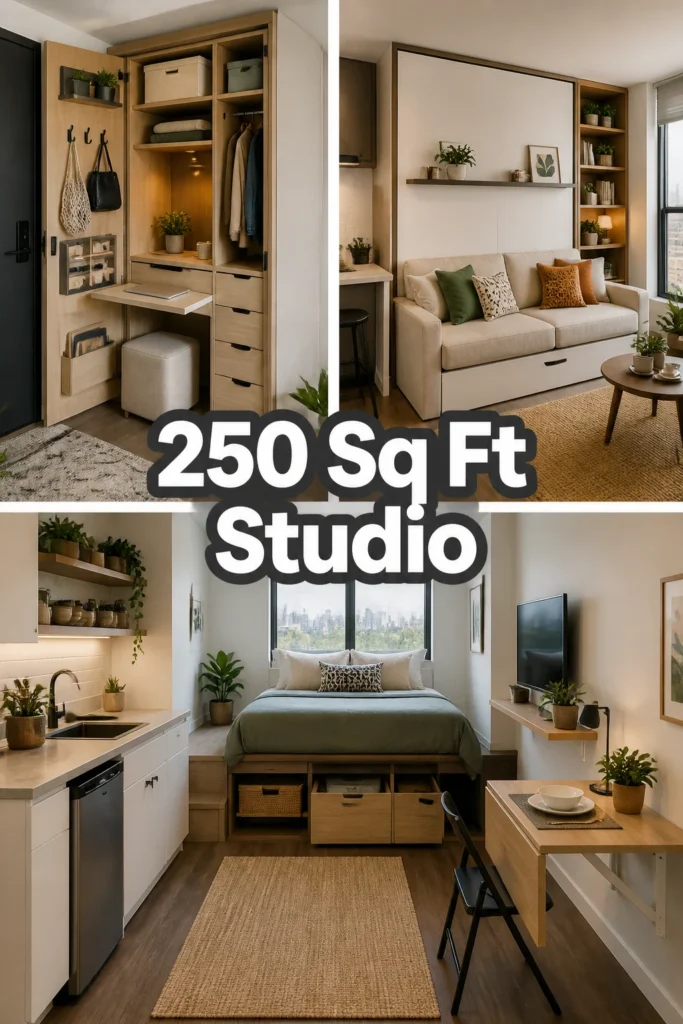
What is 250 Sq Ft Studio?
At its core, a 250 Sq Ft Studio is a compact, self-contained living space designed for efficiency and intentional living. Typically, it features one main room that serves multiple purposes – living, sleeping, and often a kitchenette – with a separate, compact bathroom. Think of it as a cleverly designed, all-in-one personal sanctuary, where every inch is optimized for functionality without feeling cramped. These studios are generally found in urban centers, offering an affordable entry point into desirable neighborhoods that might otherwise be out of reach.
The appeal of a 250 Sq Ft Studio extends far beyond just its size. It represents a deliberate lifestyle choice for individuals who prioritize financial empowerment, sustainability, and simplicity. From young professionals and students to digital nomads and seasoned minimalists, people are increasingly drawn to this living arrangement for its tangible benefits. It forces you to be mindful of your possessions, encouraging a “less is more” philosophy that naturally translates into reduced consumption and lower expenses. More importantly, it’s a strategic move for those committed to aggressive saving, rapid debt repayment, or building an investment portfolio. The significant reduction in rent and utility bills frees up substantial capital, making it a powerful tool in your financial arsenal. It’s not just about living small; it’s about living smart and unlocking big financial opportunities.
Key Features
Embracing a 250 Sq Ft Studio lifestyle comes with a host of compelling features that can profoundly impact your financial well-being and overall quality of life. Understanding these benefits is key to appreciating the true value of this living choice.
- Unmatched Affordability: This is arguably the biggest draw. Living in a smaller space almost always translates to significantly lower rent or mortgage payments compared to larger apartments. Imagine freeing up hundreds, or even over a thousand, dollars each month. That money isn’t just “saved”; it’s redirected towards your financial goals. For example, consistently saving an extra $700 a month means an additional $8,400 per year that can go towards an emergency fund, a down payment, or smart investments.
- Reduced Utility Costs: A smaller footprint requires less energy to heat, cool, and light. Your electricity, gas, and even water bills will naturally be lower, adding another layer of savings to your monthly budget. Every dollar saved on utilities is another dollar in your pocket.
- Forced Minimalism and Decluttering: Living in a 250 Sq Ft Studio demands intentionality about your possessions. You simply don’t have space for excess. This naturally leads to decluttering, reducing impulse purchases, and fostering a mindful consumption habit. Less stuff means less to clean, less to organize, and less money spent on things you don’t truly need. It’s a powerful antidote to consumerism.
- Prime Location Accessibility: In many expensive urban centers, a 250 Sq Ft Studio can be your ticket to living in a vibrant, desirable neighborhood that would otherwise be cost-prohibitive for a larger unit. This can mean shorter commutes, better access to public transport, and more opportunities to enjoy city amenities, potentially saving on transportation costs and improving your daily life.
- Enhanced Financial Discipline: Every day, your living space serves as a tangible reminder of your financial goals. This constant, subtle nudge can reinforce good money habits, making you more conscious of your spending and more committed to your saving and investment plans.
- Lower Environmental Footprint: For the eco-conscious, a smaller living space means less consumption of resources, contributing to a more sustainable lifestyle. It’s a win for your wallet and the planet.
How to Get Started
Transitioning to a 250 Sq Ft Studio and maximizing its financial benefits requires a strategic approach. Here’s a step-by-step guide to get you started on your money-smart journey:
- Conduct a Thorough Financial Assessment & Set Clear Goals: Before anything else, understand your current financial landscape. Tally your income, list all your expenses (fixed and variable), and calculate your debts. Once you have a clear picture, define your financial goals. Are you aiming to pay off student loans aggressively? Build a substantial emergency fund? Save for a down payment on a home? Or perhaps kickstart your investment journey? Quantify these goals (e.g., “save $15,000 for a down payment in 2 years”). Knowing your “why” will be your biggest motivator. Calculate the potential savings from moving into a 250 Sq Ft Studio and how that accelerates your timeline.
- Research & Locate Your Ideal Studio: Begin your search for 250 Sq Ft Studios in areas that align with your lifestyle and financial goals. Consider factors beyond just rent: proximity to work/public transport, neighborhood amenities, safety, and included utilities. Don’t forget to factor in move-in costs like security deposits and the first month’s rent. Use online rental platforms, local real estate agents, and even community boards to find listings. Be prepared to act quickly, as desirable small units can be snapped up fast.
- Master the Art of Downsizing & Decluttering: This is a critical psychological and practical step. Before you even sign a lease, start shedding possessions. Go through every item you own and ask yourself: “Do I use this regularly? Does it bring me joy (à la Marie Kondo)? Can I live without it?” Sell items that still have value (hello, extra cash!), donate what you can, and responsibly discard the rest. Embrace the “one in, one out” rule immediately. This process can be liberating and will make your move significantly easier.
- Furnish Smartly & Organize Vertically: When furnishing a 250 Sq Ft Studio, multi-functional pieces are your best friends. Think sofa beds, ottomans with storage, wall-mounted desks, and nesting tables. Vertical space is gold – utilize shelves, wall hooks, and tall, narrow storage units. Prioritize essentials and invest in quality, space-saving items. Resist the urge to fill every corner; negative space can make a small area feel larger. Look for budget-friendly options at thrift stores, online marketplaces, or even DIY projects.
- Create Your “Small Space, Big Savings” Budget: Once you’ve moved in and settled, craft a detailed budget that reflects your new, lower living costs and your ambitious financial goals. Track every dollar using budgeting apps (Mint, YNAB, Personal Capital) or a simple spreadsheet. The golden rule here is to “pay yourself first”: automate transfers to your savings and investment accounts the moment your paycheck hits. Then, allocate funds for necessities (rent, food, utilities), and finally, a small portion for discretionary spending. Be ruthless in identifying areas where you can cut back, such as meal prepping instead of eating out, or walking/biking instead of driving.
Tips for Success
Living in a 250 Sq Ft Studio is more than just a place to sleep; it’s a strategic financial decision. Here are some pro tips to ensure your small space delivers big financial wins:
- Automate Your Savings and Investments: Make saving non-negotiable. Set up automatic transfers from your checking account to your savings, emergency fund, and investment accounts (like a Roth IRA or brokerage account) on payday. This “out of sight, out of mind” approach ensures you consistently contribute to your financial future before you even have a chance to spend the money. It’s the simplest yet most powerful wealth-building habit.
- Master the Art of Meal Prepping: Eating out is a budget killer. In a small kitchen, meal prepping becomes even more critical. Plan your meals for the week, buy groceries in bulk (where practical and space-permitting), and cook larger batches. Not only will this save you significant money, but it also reduces food waste and ensures you’re eating healthier. Think of the hundreds of dollars you can save each month by packing your lunch and cooking dinner at home.
- Embrace the “Zero-Based Budget”: With a zero-based budget, every dollar of your income is assigned a job – whether it’s for bills, savings, debt repayment, or discretionary spending. This method ensures you’re intentional with your money, preventing funds from simply “disappearing.” For example, if your income is $3,000, your budget might be: $1,000 rent, $400 groceries, $100 utilities, $200 transportation, $300 debt payment, $500 savings, $200 investments, $200 discretionary = $3,000. Every dollar accounted for!
- Leverage Your Location and Community: Living in a compact space often means you’re in a more urban, walkable, or transit-friendly area. Maximize this! Walk, bike, or use public transportation to save on car payments, insurance, and gas. Explore free local amenities like parks, libraries, community centers, and free events. Your studio encourages you to engage with your surroundings, fostering a richer social life that doesn’t necessarily cost a fortune.
- Continuously Review and Optimize: Your budget and financial goals aren’t set in stone. Life happens! Make it a habit to review your budget monthly or quarterly. Are you on track with your savings goals? Are there new ways to cut expenses or increase your income? Adjust as needed. Celebrate your progress and remain flexible. This continuous optimization ensures your 250 Sq Ft Studio remains a powerful engine for your financial growth.
Common Mistakes to Avoid
While a 250 Sq Ft Studio offers immense financial potential, certain pitfalls can derail your progress. Being aware of these common mistakes can help you stay on track:
- Not Having a Clear Financial Plan: Simply moving into a smaller space without a concrete financial strategy is like sailing without a map. Without a clear purpose for your increased disposable income (e.g., “I’m saving $10,000 for a down payment by X date”), those extra funds might just get spent on discretionary items, undermining the whole point of the move. Define your “why” and stick to it.
- Overspending on Furnishings and Decor: The irony of saving on rent only to blow the savings on expensive, “minimalist chic” furniture is real. Resist the urge to deck out your tiny space with high-end items. Look for budget-friendly alternatives at second-hand stores, online marketplaces, or even consider DIY projects. Focus on functionality and utility over luxury, especially in the initial stages.
- Neglecting Your Social Life or Overspending on It: A small studio can sometimes feel isolating if you don’t actively engage with the outside world. However, don’t let “getting out of the studio” become an excuse for excessive spending on dining out, costly entertainment, or frequent travel. Seek out free or low-cost social activities, invite friends for coffee at a local park, or host a potluck. Balance your desire to socialize with your financial goals.
- Accumulating Clutter Again: The decluttering process for moving into a 250 Sq Ft Studio is not a one-time event; it’s a lifestyle. Without vigilance, new purchases can quickly lead to clutter, making your small space feel cramped and stressful. Adhere strictly to the “one in, one out” rule for new items, and regularly reassess your possessions to ensure everything serves a purpose or brings genuine joy.
- Not Investing Your Savings: This is perhaps the biggest missed opportunity. Letting your hard-earned savings sit idle in a low-interest checking or savings account means you’re losing out on the power of compound interest. Once you have a solid emergency fund (3-6 months of expenses), start investing. Even small, consistent contributions to low-cost index funds, ETFs, or a Roth IRA can grow significantly over time, turning your saved rent money into real wealth. Don’t be intimidated; start learning the basics and take action.
FAQ
Here are some common questions people have about living in a 250 Sq Ft Studio:
Q1: Is a 250 Sq Ft Studio too small for comfortable living?
A: Comfort is subjective, but many people find 250 sq ft perfectly comfortable and even liberating. It requires intentional living, smart organization, and a willingness to declutter. It forces you to prioritize experiences over possessions and encourages you to spend more time exploring your community rather than being cooped up indoors.
Q2: How much can I realistically save by living in a 250 Sq Ft Studio?
A: The potential savings are substantial and vary greatly by location. In high-cost urban areas, you could save anywhere from $500 to $1,500+ per month on rent alone compared to a larger apartment. Add in reduced utility bills and decreased spending on material possessions, and your total monthly savings could easily reach well over $1,000. Over a year, this can be a significant amount towards your financial goals.
Q3: What about entertaining guests or having friends over?
A: While hosting large gatherings might be challenging, a 250 Sq Ft Studio doesn’t mean the end of your social life. Embrace your neighborhood: meet friends at local cafes, parks, or restaurants. Host intimate gatherings where guests sit on floor cushions or utilize clever, fold-away furniture. Your small space can encourage creativity in socializing and foster deeper connections outside the confines of your home.
Q4: How do I start investing my savings once I’ve built an emergency fund?
A: Starting to invest is simpler than you might think. Begin by opening an investment account with a reputable brokerage firm (e.g., Vanguard, Fidelity, Charles Schwab). For beginners, investing in low-cost index funds or Exchange Traded Funds (ETFs) is often recommended, as they offer diversification and track the market. Consider a Roth IRA for tax-advantaged growth. Start small, be consistent with your contributions, and remember that time in the market is often more important than timing the market. Don’t let fear hold you back; small steps lead to big wealth over time.
💼 The Money Management Toolkit
Knowledge is power, but proper execution requires the right tools. Getting your financial life organized doesn't have to be overwhelming. These 5 physical management tools are exactly what successful households use to budget, track cash, and secure their most important assets.
📝 Clever Fox Budget Planner & Bill Organizer
The ultimate analog command center for your finances. Sometimes keeping your budget in an app just doesn't stick. Physically writing down your goals, tracking expenses, and planning for debt payoff creates a level of accountability that digital spreadsheets simply can't match.
💵 A6 Leather Cash Stuffing Binder
The viral tool that made the cash-envelope budgeting system popular again. By allocating actual physical cash to designated envelopes (groceries, dining out, fun money), you physically cap your spending, making it virtually impossible to overdraft or overspend.
🔥 Fireproof & Waterproof Document Safe
A critical piece of financial security that many families overlook. Protecting your passports, birth certificates, property deeds, and estate planning documents from disaster is just as important as protecting the money in your bank account.
🏷️ Brother P-Touch Digital Label Maker
The unsung hero of a functional home office. When tax season rolls around or you need to find an important receipt, having perfectly labeled and categorized filing cabinets or accordion folders saves hours of frustrating searches and potential late fees.
🔒 SentrySafe Compact Fireproof Lock Box
For the physical assets that need extra heavy-duty protection—think emergency cash reserves, hard drives with Bitcoin cold wallets, or physical precious metals. This compact, locking safe provides peace of mind that your physical wealth is secure at home.
Conclusion
The 250 Sq Ft Studio is far more than just a small living space; it’s a powerful catalyst for financial transformation. It’s a deliberate choice to prioritize financial freedom, wealth accumulation, and a life rich in experiences over excessive material possessions. By embracing this money-smart lifestyle, you unlock the potential for significant savings, reduced stress, and a clear, accelerated path towards your financial goals.
From slashing your rent and utility bills to fostering a minimalist mindset that curbs impulse spending, every aspect of studio living can be leveraged for financial gain. Remember, your small space isn’t a limitation; it’s a launchpad. With smart budgeting, consistent saving, and a proactive approach to investing, your 250 Sq Ft Studio can become the foundation upon which you build a truly big and financially secure future. Start planning, start decluttering, and start your journey towards financial empowerment today!