💰 13 Ways To Save Money Frugal Living
📚 The Financial Literacy Library
The best investment you can ever make is in your own financial education. These 5 cornerstone books are what millionaires, financial advisors, and wealth-builders universally recommend for completely rewiring how you think about earning, saving, and investing money.
🧠 The Psychology of Money
Doing well with money isn't necessarily about what you know—it's about how you behave. Morgan Housel masterfully breaks down the emotional and psychological biases that secretly dictate our financial decisions, offering a true paradigm shift in how to view wealth.
🏠 Rich Dad Poor Dad
The #1 personal finance book of all time for a reason. This foundational read shatters the myth that you need to earn a high income to be rich, teaching you the critical difference between working for money and making your money work for you via assets.
📈 Atomic Habits
While not strictly a finance book, building wealth is absolutely dependent on the daily habits you cultivate. James Clear provides the definitive framework for breaking bad spending habits and effortlessly automating the good ones that lead to long-term success.
📊 The Simple Path to Wealth
The ultimate antidote to complex, intimidating financial advice. JL Collins provides an incredibly accessible, low-stress roadmap to financial independence through index fund investing, perfectly explaining why simplicity beats Wall Street complexity every time.
💳 I Will Teach You to Be Rich
A tactical, no-BS, 6-week program that actually works. Ramit Sethi teaches you how to crush debt, automate your savings, and negotiate your salary—all while guilt-free spending on the things you truly love. A must-read for modern money management.
Alright, bestie, let’s talk real talk about money without making it feel like a chore. Forget deprivation and sad desk salads; frugal living is about being smart, savvy, and sometimes, a little bit cheeky with your cash. Think of it as leveling up your financial game while still living your best, most stylish life. Ready to unlock some serious savings potential and look good doing it? Let’s dive in.
1. Master the Art of Meal Prep
Seriously, ditching the daily takeout habit is like finding extra cash in your old jeans. Instead of impulse buys and sad desk lunches, plan your meals for the week.
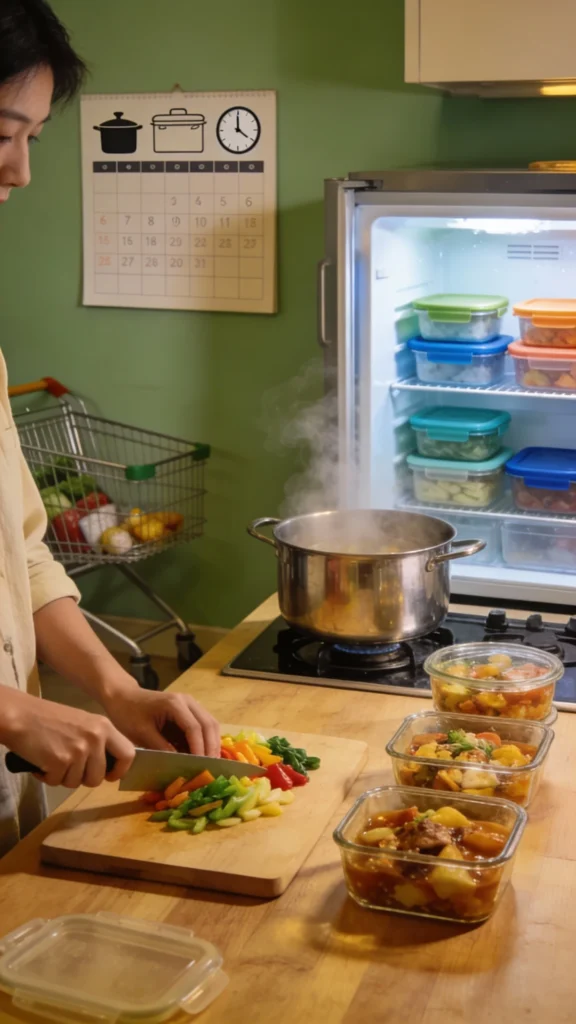
Cook up a storm on Sunday, portion it out, and watch your grocery bill shrink while your healthy eating habits flourish. Pro tip: Freeze half your batch if you get bored easily, then rotate it back in a few weeks. Your future self will thank you for that delicious, pre-made dinner.
This simple habit keeps your wallet fat and your stomach happy.
2. Audit Your Subscriptions ruthlessly
Confession: we all have that random streaming service or app we signed up for and promptly forgot about. It’s time to play financial detective.

Go through your bank statements and cancel anything you haven’t touched in a month. Do you really need three different movie platforms? Probably not. Pro tip: Many services offer a “pause” option, so you can take a break and reactivate later if you truly miss it.
Shedding those phantom charges frees up surprising amounts of cash.
3. Embrace Secondhand Style
Forget fast fashion; the real gems are hiding in plain sight at your local thrift store, consignment shop, or online marketplaces. You can snag designer pieces for a fraction of the cost.
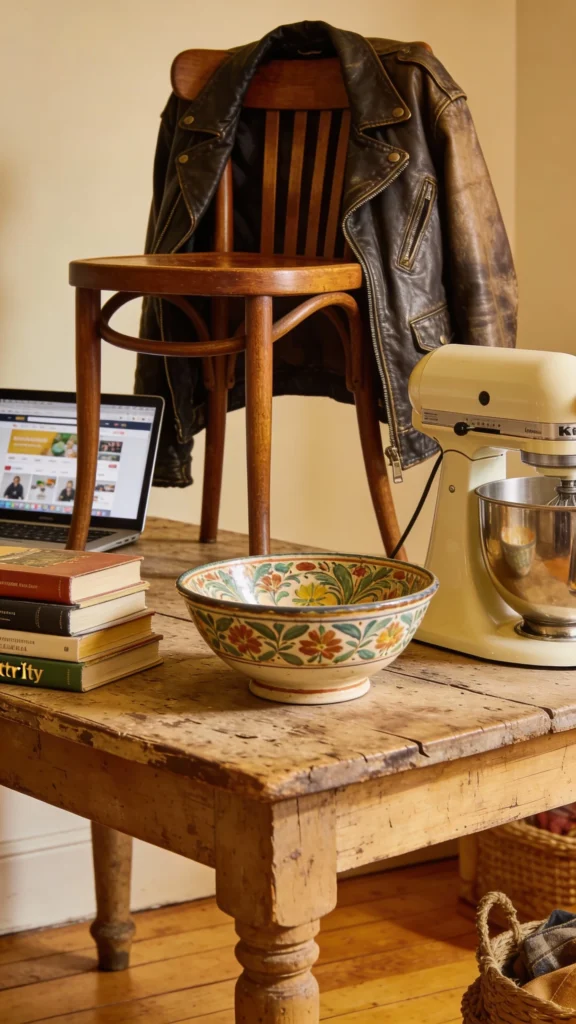
It’s not just about clothes; think furniture, decor, and even kitchen gadgets. You’re saving money, reducing waste, and often finding truly unique items. Pro tip: Go in with an open mind and check different sections; sometimes the best finds are unexpected.
Your wardrobe (and home) gets an upgrade without the hefty price tag.
4. DIY Cleaning Supplies
Your grandma was onto something with vinegar and baking soda. Commercial cleaners are often pricey and full of chemicals you can’t pronounce.
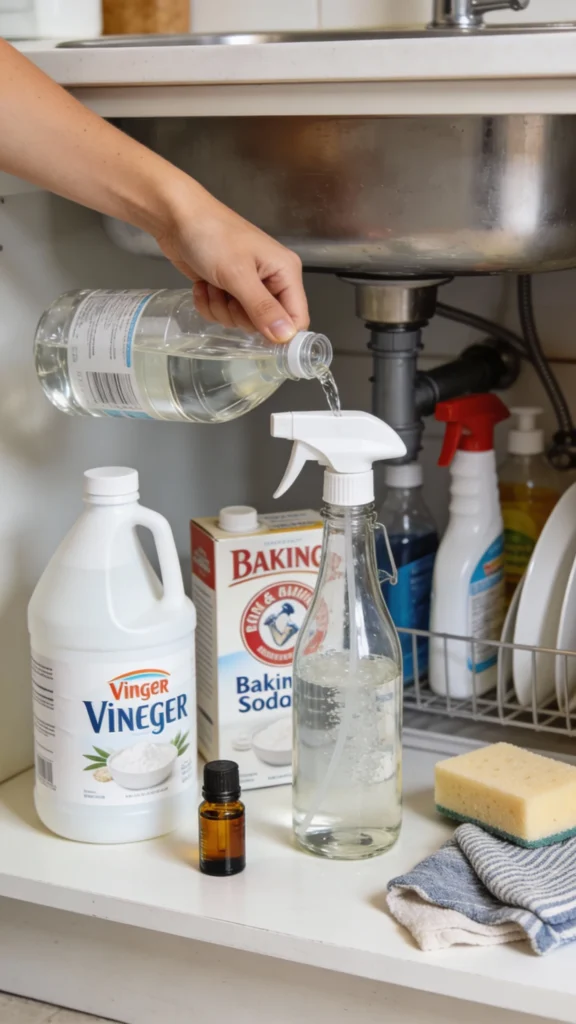
A simple mix of white vinegar, water, and a few drops of essential oil (if you’re feeling fancy) can clean most surfaces. Baking soda is your scrubbing secret weapon. Pro tip: Keep a spray bottle of your DIY all-purpose cleaner under the sink for easy access.
This keeps your home sparkling and your budget intact.
5. Befriend Your Local Library
Seriously, it’s a treasure trove of free entertainment and resources. Books, movies, audiobooks, magazines, sometimes even museum passes or tools.

Why buy that bestseller when you can borrow it? Libraries are evolving, offering digital downloads and community events too. Pro tip: Check if your library offers passes to local attractions; it’s a great way to explore for free.
Your brain and bank account will both thank you for this smart move.
6. Master the Home Coffee Game
That daily latte habit? It’s bleeding your budget dry, honey. Investing in a good coffee maker (or even a French press) and quality beans pays off big time.
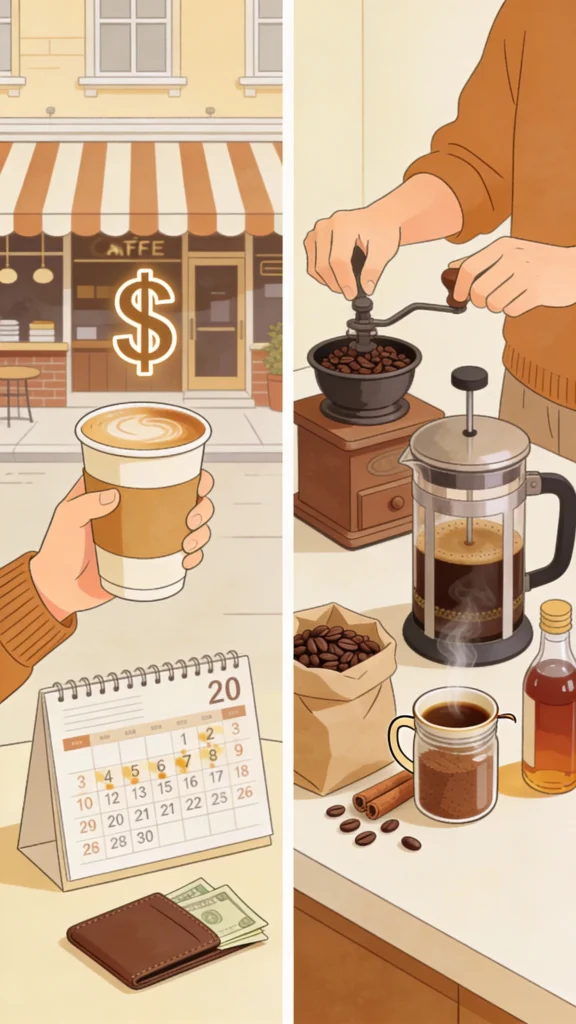
Experiment with different brewing methods and add-ins until you create your perfect cup. It’s often tastier and always cheaper than café prices. Pro tip: Buy whole beans and grind them yourself for maximum freshness and flavor.
Enjoy premium coffee without the premium price tag.
7. Walk, Bike, or Public Transport It
Gas is expensive, parking is a nightmare, and traffic is just plain annoying. If you can, ditch the car for shorter trips.
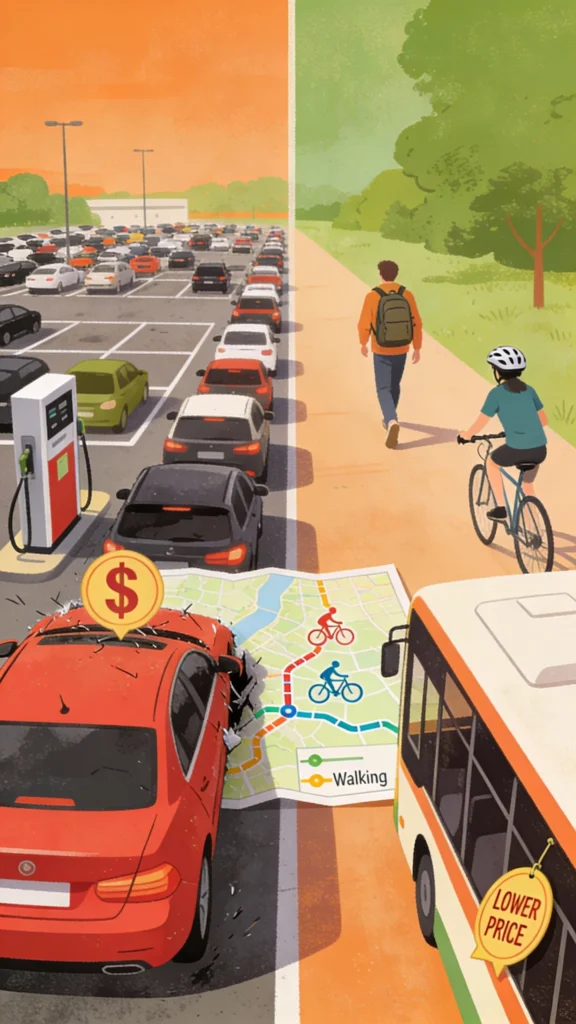
Walking or biking gets you where you need to go, offers a mini-workout, and costs absolutely nothing. Public transport, while not free, is usually significantly cheaper than car ownership. Pro tip: Map out your usual routes to see where you can swap driving for a more active alternative.
Save on fuel and perhaps even a gym membership.
8. Hunt Energy Vampires
Those electronics you’re not even using? They’re silently sucking power and hiking up your electricity bill. Think phone chargers, TVs, and gaming consoles.

Unplug devices when they’re not in use, or invest in smart power strips that cut power to idle electronics. It’s a small habit with a noticeable impact. Pro tip: Do a “vampire hunt” before bed each night to get into the routine.
Your wallet and the planet will appreciate the effort.
9. Grow Your Own Herbs and a Few Veggies
Even if you only have a sunny windowsill, you can grow herbs like basil, mint, or chives. Fresh herbs elevate any dish and are shockingly expensive at the grocery store.

If you have a bit more space, try easy-to-grow veggies like lettuce, radishes, or cherry tomatoes. The taste of homegrown produce is unparalleled. Pro tip: Start with seeds; they’re much cheaper than buying established plants.
Fresh, flavorful ingredients without the grocery store markup.
10. Host Potlucks Instead of Dining Out
Socializing doesn’t have to break the bank. Instead of always meeting friends at expensive restaurants, suggest a potluck at your place or theirs.

Everyone brings a dish, you get a fantastic variety of food, and the cost per person is minimal. It’s more intimate and often way more fun. Pro tip: Assign categories (e.g., appetizers, main, dessert) to ensure a balanced spread.
Enjoy great company and delicious food without the huge bill.
11. Repair Instead of Replace
In our disposable culture, it’s easy to toss something broken and buy new. But often, a simple fix can extend an item’s life significantly.

Learn basic mending skills for clothes, watch a YouTube tutorial for a minor appliance repair, or take shoes to a cobbler. It’s often cheaper than buying new and more sustainable. Pro tip: For electronics, check if there’s a local “repair cafe” where volunteers help fix things for free.
Give your belongings a second chance and save your cash.
12. Challenge Yourself with No-Spend Days
Pick a day (or several) each week where you commit to spending absolutely no money. Zero. Nada. Zilch. This forces you to get creative with what you already have.

It makes you more mindful of your spending habits and highlights unnecessary purchases. You might be surprised how easy it is once you get going. Pro tip: Plan your meals and activities for your no-spend day in advance to avoid temptation.
A fun way to reset your spending and find hidden resources.
13. Implement the Cash Envelope System
This old-school budgeting method is surprisingly effective in our digital age. Allocate specific amounts of cash for categories like groceries, entertainment, or dining out, and put them into separate envelopes.

Once an envelope is empty, you’re done spending in that category until your next budget cycle. It provides a tangible limit and prevents overspending. Pro tip: Start with just one or two tricky categories to ease into it.
This simple system gives you real control over your spending.
💼 The Money Management Toolkit
Knowledge is power, but proper execution requires the right tools. Getting your financial life organized doesn't have to be overwhelming. These 5 physical management tools are exactly what successful households use to budget, track cash, and secure their most important assets.
📝 Clever Fox Budget Planner & Bill Organizer
The ultimate analog command center for your finances. Sometimes keeping your budget in an app just doesn't stick. Physically writing down your goals, tracking expenses, and planning for debt payoff creates a level of accountability that digital spreadsheets simply can't match.
💵 A6 Leather Cash Stuffing Binder
The viral tool that made the cash-envelope budgeting system popular again. By allocating actual physical cash to designated envelopes (groceries, dining out, fun money), you physically cap your spending, making it virtually impossible to overdraft or overspend.
🔥 Fireproof & Waterproof Document Safe
A critical piece of financial security that many families overlook. Protecting your passports, birth certificates, property deeds, and estate planning documents from disaster is just as important as protecting the money in your bank account.
🏷️ Brother P-Touch Digital Label Maker
The unsung hero of a functional home office. When tax season rolls around or you need to find an important receipt, having perfectly labeled and categorized filing cabinets or accordion folders saves hours of frustrating searches and potential late fees.
🔒 SentrySafe Compact Fireproof Lock Box
For the physical assets that need extra heavy-duty protection—think emergency cash reserves, hard drives with Bitcoin cold wallets, or physical precious metals. This compact, locking safe provides peace of mind that your physical wealth is secure at home.
Conclusion
See? Frugal living isn’t about being a penny-pinching hermit; it’s about being smart, intentional, and a little bit playful with your money. By adopting even a few of these habits, you’re not just saving cash; you’re building a more sustainable, mindful, and frankly, more empowering lifestyle. Go forth and save, you savvy superstar!