
💰 12 Tax Write Offs For Small Business
📚 The Financial Literacy Library
The best investment you can ever make is in your own financial education. These 5 cornerstone books are what millionaires, financial advisors, and wealth-builders universally recommend for completely rewiring how you think about earning, saving, and investing money.
🧠 The Psychology of Money
Doing well with money isn't necessarily about what you know—it's about how you behave. Morgan Housel masterfully breaks down the emotional and psychological biases that secretly dictate our financial decisions, offering a true paradigm shift in how to view wealth.
🏠 Rich Dad Poor Dad
The #1 personal finance book of all time for a reason. This foundational read shatters the myth that you need to earn a high income to be rich, teaching you the critical difference between working for money and making your money work for you via assets.
📈 Atomic Habits
While not strictly a finance book, building wealth is absolutely dependent on the daily habits you cultivate. James Clear provides the definitive framework for breaking bad spending habits and effortlessly automating the good ones that lead to long-term success.
📊 The Simple Path to Wealth
The ultimate antidote to complex, intimidating financial advice. JL Collins provides an incredibly accessible, low-stress roadmap to financial independence through index fund investing, perfectly explaining why simplicity beats Wall Street complexity every time.
💳 I Will Teach You to Be Rich
A tactical, no-BS, 6-week program that actually works. Ramit Sethi teaches you how to crush debt, automate your savings, and negotiate your salary—all while guilt-free spending on the things you truly love. A must-read for modern money management.
Alright, small biz boss. Ever feel like Uncle Sam is just eyeing your hard-earned cash? Same. But guess what? There are legit ways to keep more of that moolah in your pocket. We’re talking about those sweet, sweet tax write-offs. Think of them as your secret weapon against overpaying. Let’s dive into some savvy moves that’ll make your accountant high-five you (or at least nod approvingly).

1. The Home Office Deduction

Working from your couch count? Maybe, if it’s your dedicated couch. If you’ve got a specific space in your home used exclusively and regularly for business, you can deduct a portion of your rent/mortgage, utilities, and even internet. It’s not just for fancy offices; a corner of your spare room totally counts.
Pro tip: Keep photos and a clear diagram of your dedicated space. The IRS loves proof. It’s a big one, seriously. Don’t leave this money on the table.
2. Business Travel Expenses

Jet-setting for work? Your wallet might just thank you. Flights, hotels, rental cars, and even a portion of your meals (usually 50%) when you’re away from home overnight for business are generally deductible. Think conferences, client meetings, or scouting new locations. Just make sure the primary purpose is business, not a sneaky vacation.
Pro tip: Separate business and personal expenses immediately. A dedicated travel card helps. Travel smart, save bigger.
3. Vehicle Expenses
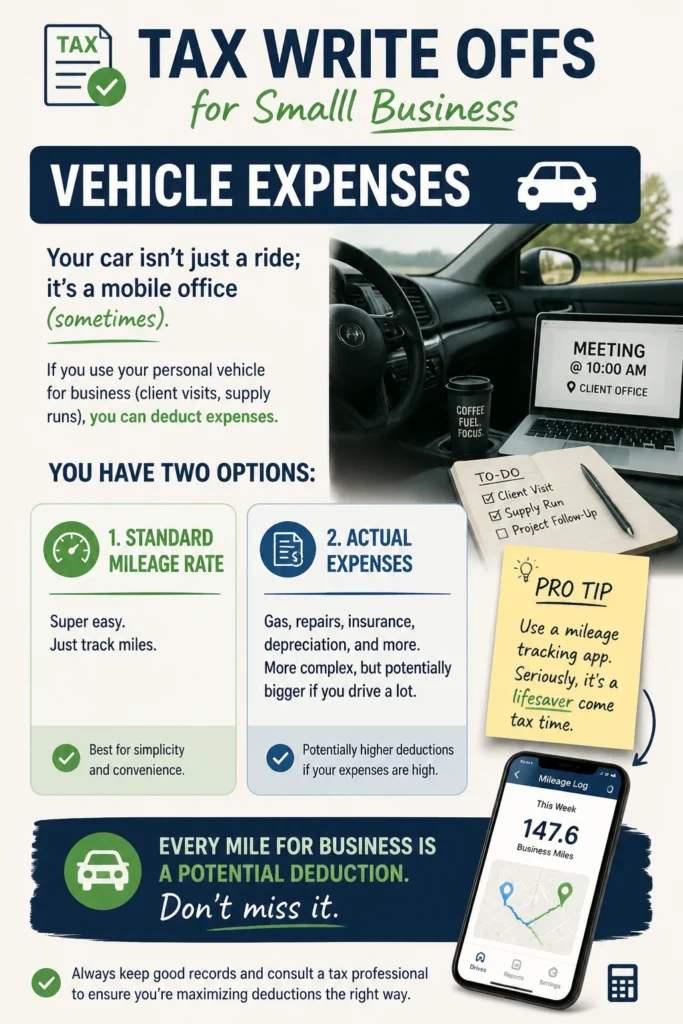
Your car isn’t just a ride; it’s a mobile office (sometimes). If you use your personal vehicle for business (client visits, supply runs), you can deduct expenses. You have two options: the standard mileage rate (super easy, just track miles) or actual expenses (gas, repairs, insurance, depreciation – more complex, but potentially bigger if you drive a lot).
Pro tip: Use a mileage tracking app. Seriously, it’s a lifesaver come tax time. Every mile for business is a potential deduction. Don’t miss it.
4. Professional Development and Education

Smartening up your skills? That’s an investment, baby. Courses, workshops, seminars, and even subscriptions to industry publications that directly relate to improving your current business skills are deductible. Learning a new skill for a different career path? Not so much. But upgrading your existing game? Absolutely.
Pro tip: Keep receipts for course fees and any related travel or materials. It adds up. Invest in yourself, deduct the cost. Win-win.
5. Software and Subscriptions
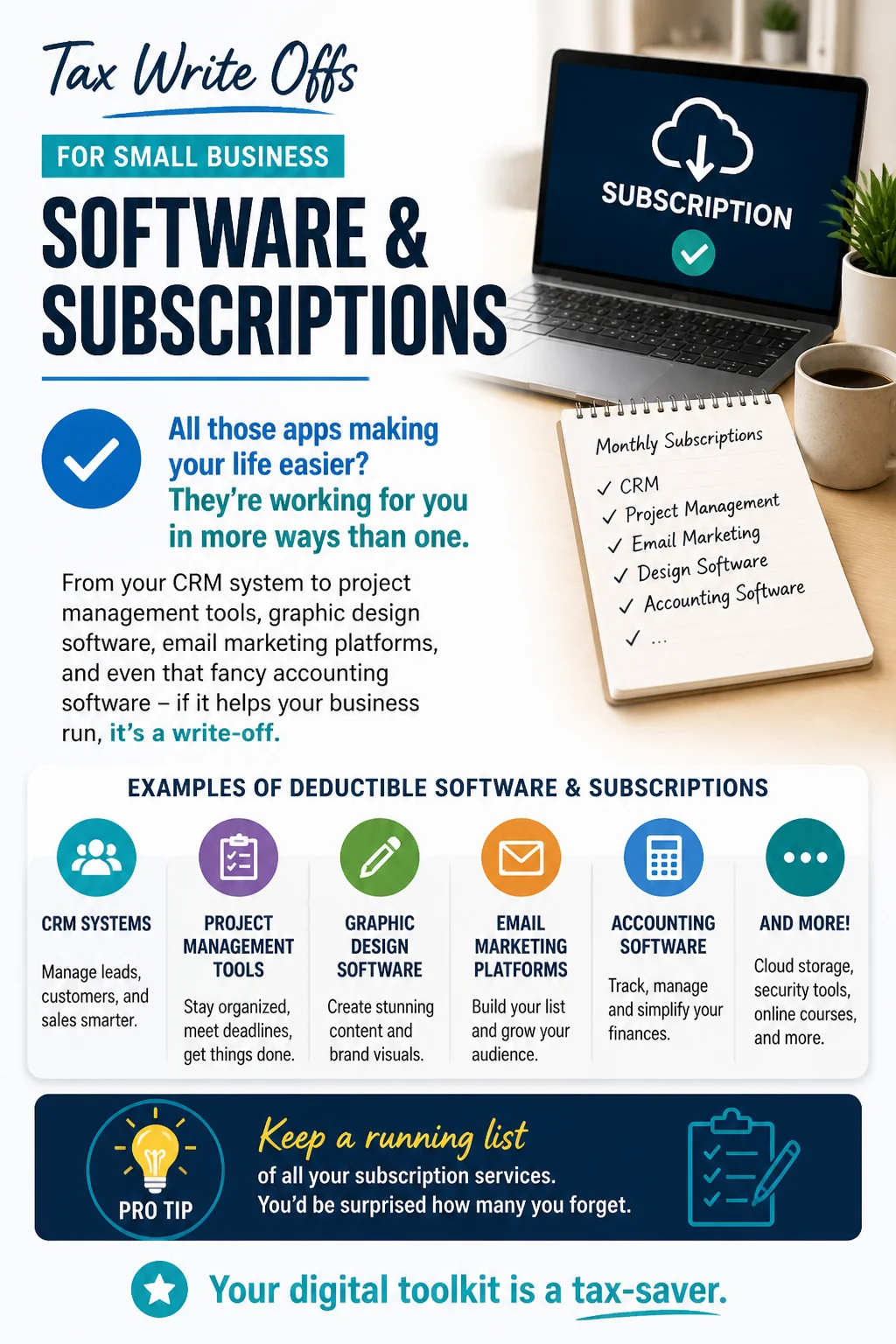
All those apps making your life easier? They’re working for you in more ways than one. From your CRM system to project management tools, graphic design software, email marketing platforms, and even that fancy accounting software – if it helps your business run, it’s a write-off. Think about all those monthly fees.
Pro tip: Keep a running list of all your subscription services. You’d be surprised how many you forget. Your digital toolkit is a tax-saver.
6. Marketing and Advertising
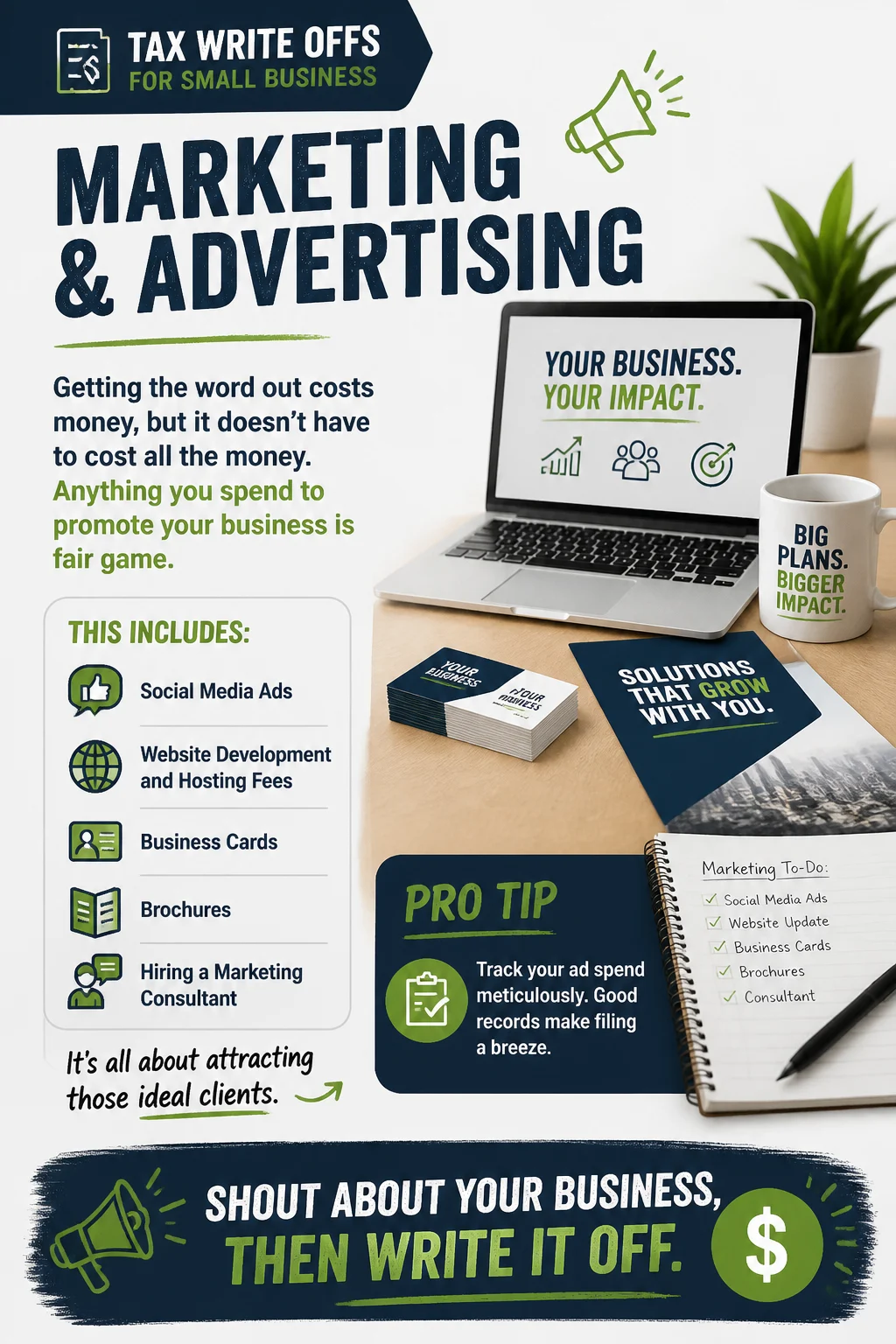
Getting the word out costs money, but it doesn’t have to cost all the money. Anything you spend to promote your business is fair game. This includes social media ads, website development and hosting fees, business cards, brochures, and even hiring a marketing consultant. It’s all about attracting those ideal clients.
Pro tip: Track your ad spend meticulously. Good records make filing a breeze. Shout about your business, then write it off.
7. Office Supplies
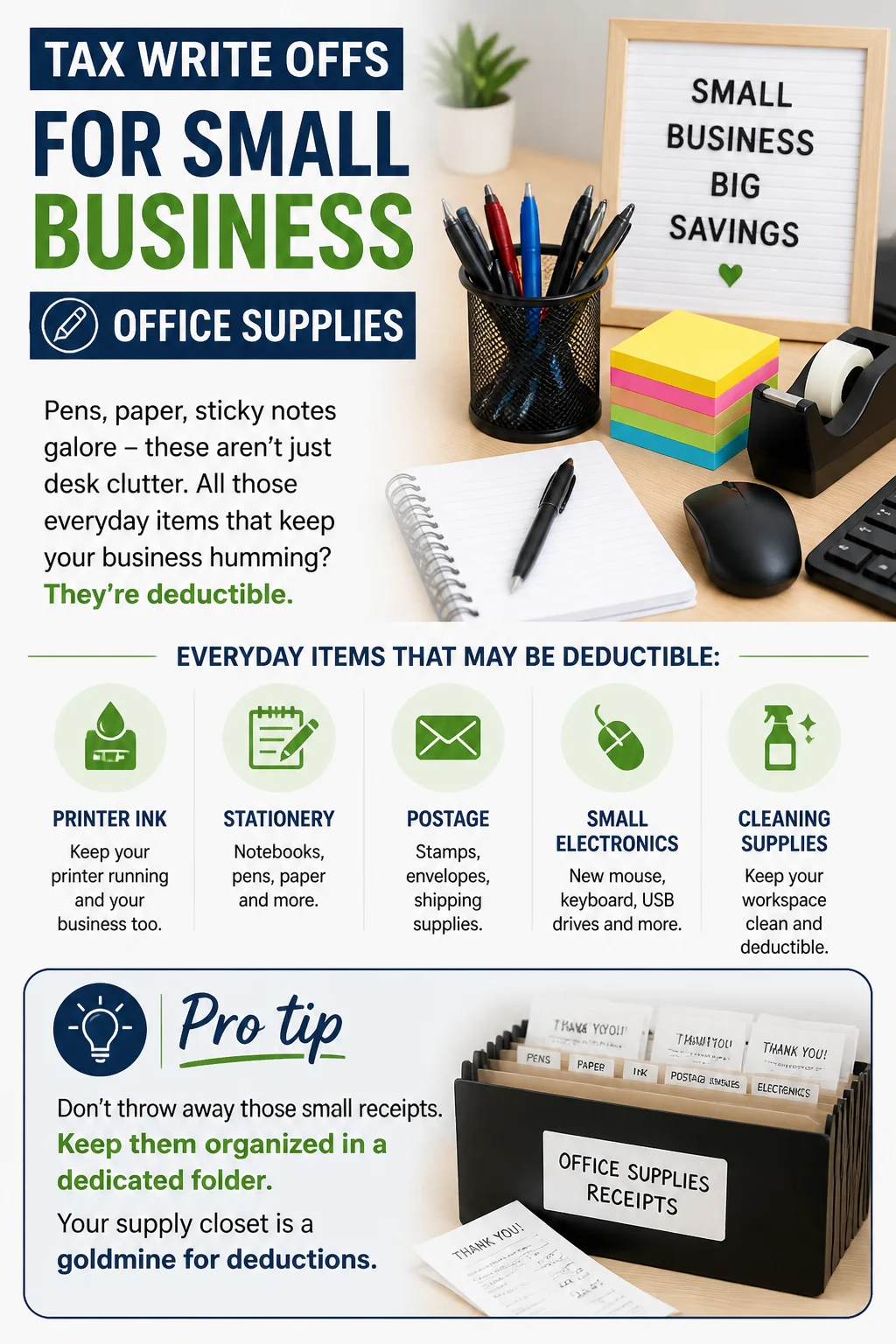
Pens, paper, sticky notes galore – these aren’t just desk clutter. All those everyday items that keep your business humming? They’re deductible. Printer ink, stationery, postage, small electronics like a new mouse or keyboard, even cleaning supplies for your home office. It’s the little things that add up to big savings.
Pro tip: Don’t throw away those small receipts. Keep them organized in a dedicated folder. Your supply closet is a goldmine for deductions.
8. Insurance Premiums
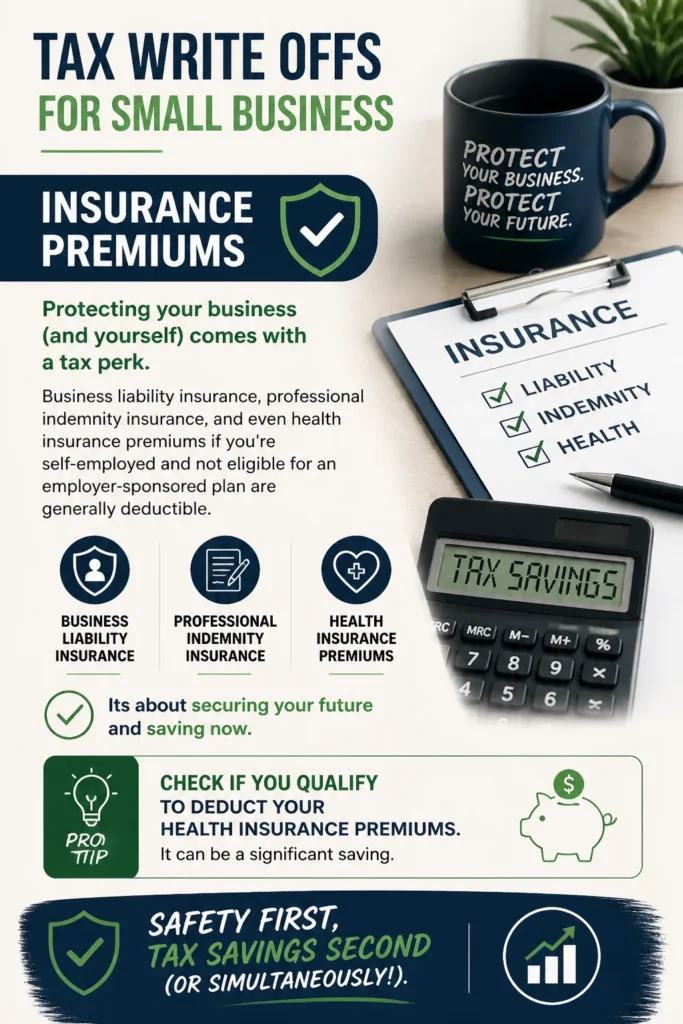
Protecting your business (and yourself) comes with a tax perk. Business liability insurance, professional indemnity insurance, and even health insurance premiums if you’re self-employed and not eligible for an employer-sponsored plan are generally deductible. It’s about securing your future and saving now.
Pro tip: Check if you qualify to deduct your health insurance premiums. It can be a significant saving. Safety first, tax savings second (or simultaneously!).
9. Legal and Professional Fees
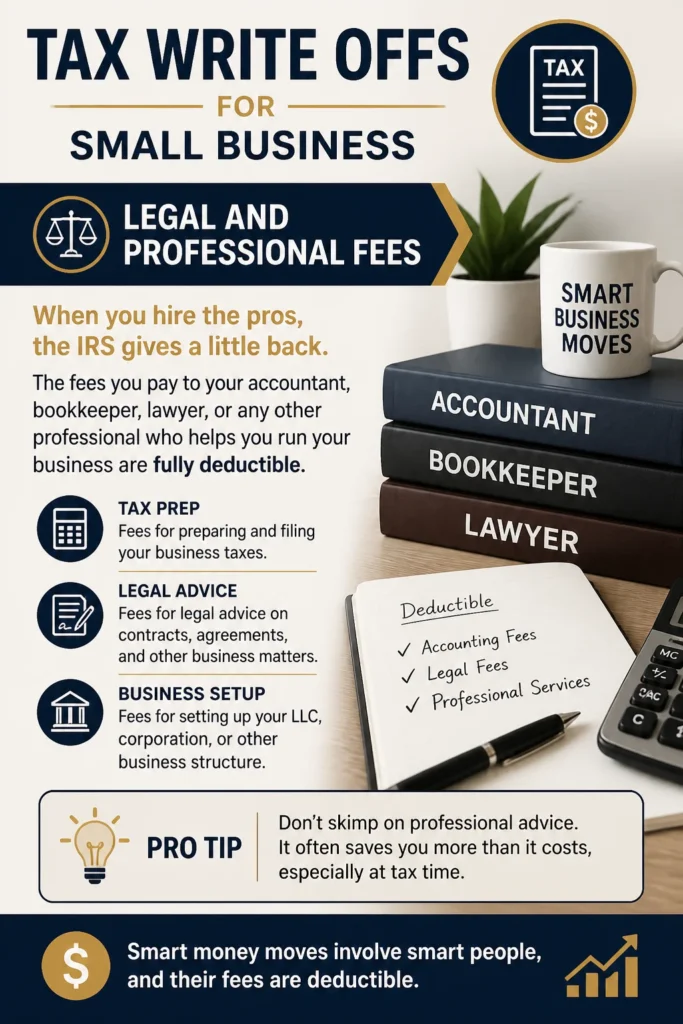
When you hire the pros, the IRS gives a little back. The fees you pay to your accountant, bookkeeper, lawyer, or any other professional who helps you run your business are fully deductible. Think about tax prep, legal advice for contracts, or setting up your LLC. These experts are worth their weight in gold, and their fees are a write-off.
Pro tip: Don’t skimp on professional advice. It often saves you more than it costs, especially at tax time. Smart money moves involve smart people, and their fees are deductible.
10. Startup Costs
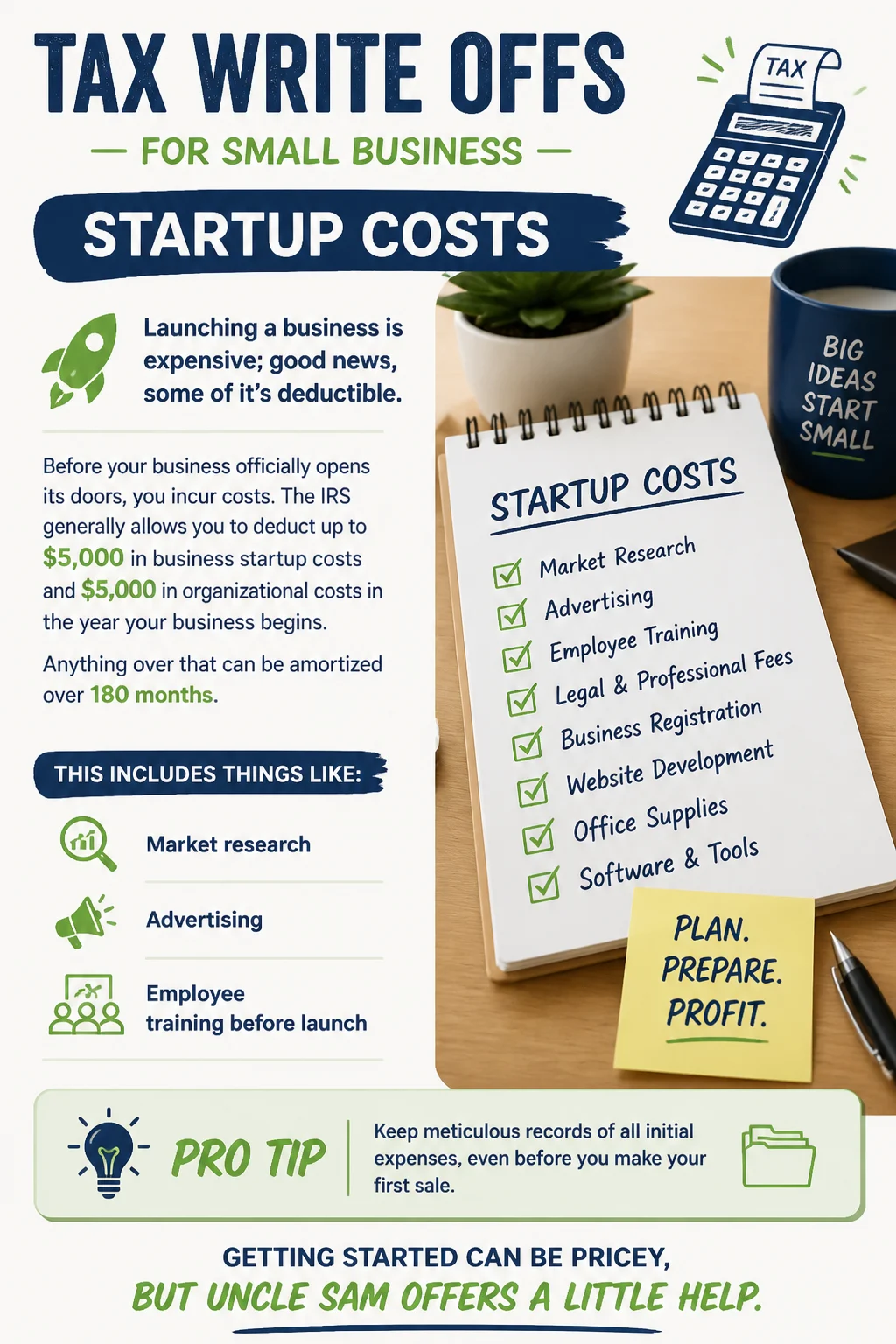
Launching a business is expensive; good news, some of it’s deductible. Before your business officially opens its doors, you incur costs. The IRS generally allows you to deduct up to $5,000 in business startup costs and $5,000 in organizational costs in the year your business begins. Anything over that can be amortized over 180 months. This includes things like market research, advertising, and employee training before launch.
Pro tip: Keep meticulous records of all initial expenses, even before you make your first sale. Getting started can be pricey, but Uncle Sam offers a little help.
11. Health Savings Account Contributions
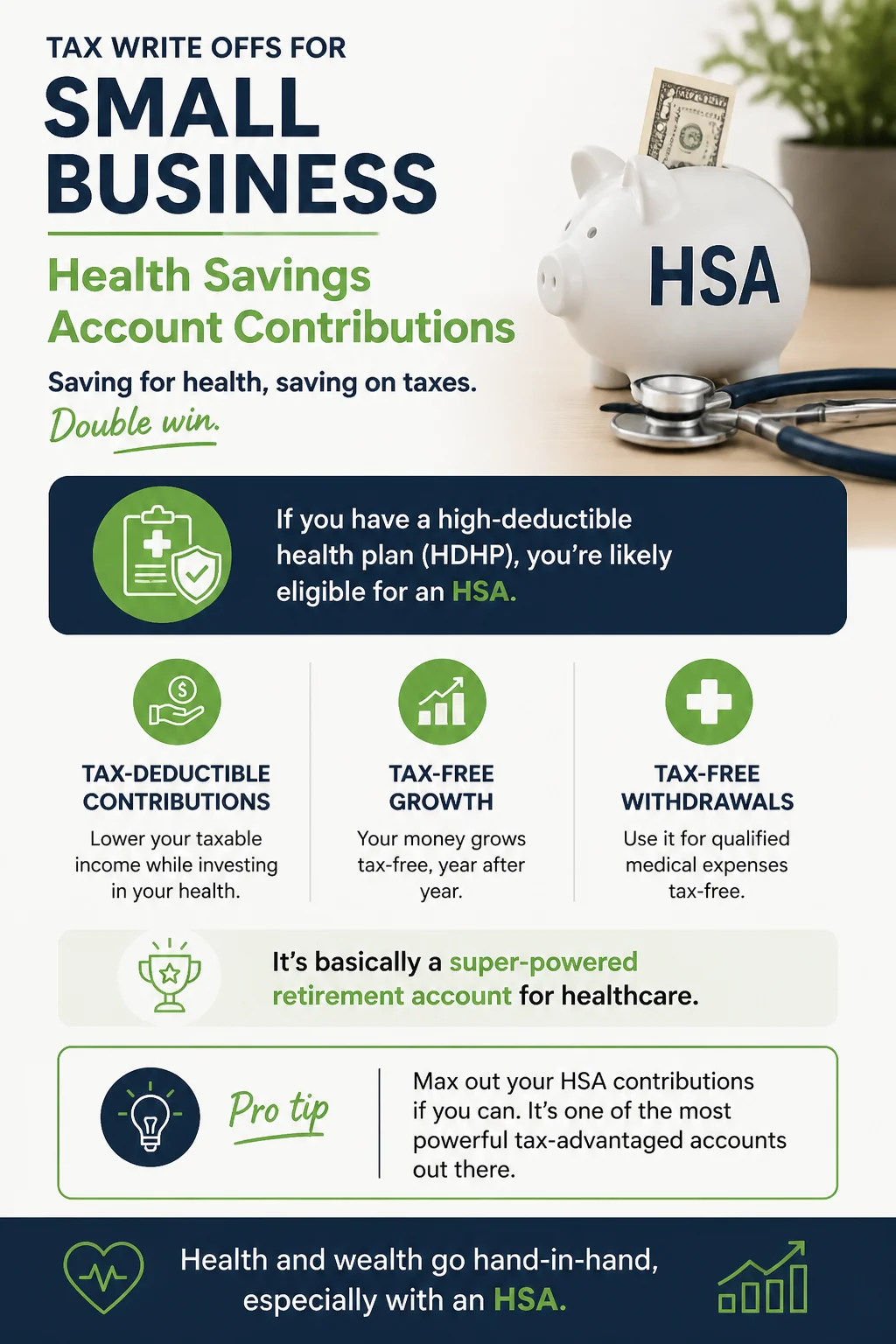
Saving for health, saving on taxes. Double win. If you have a high-deductible health plan (HDHP), you’re likely eligible for an HSA. Contributions are tax-deductible, the money grows tax-free, and withdrawals for qualified medical expenses are also tax-free. It’s basically a super-powered retirement account for healthcare.
Pro tip: Max out your HSA contributions if you can. It’s one of the most powerful tax-advantaged accounts out there. Health and wealth go hand-in-hand, especially with an HSA.
12. Retirement Plan Contributions
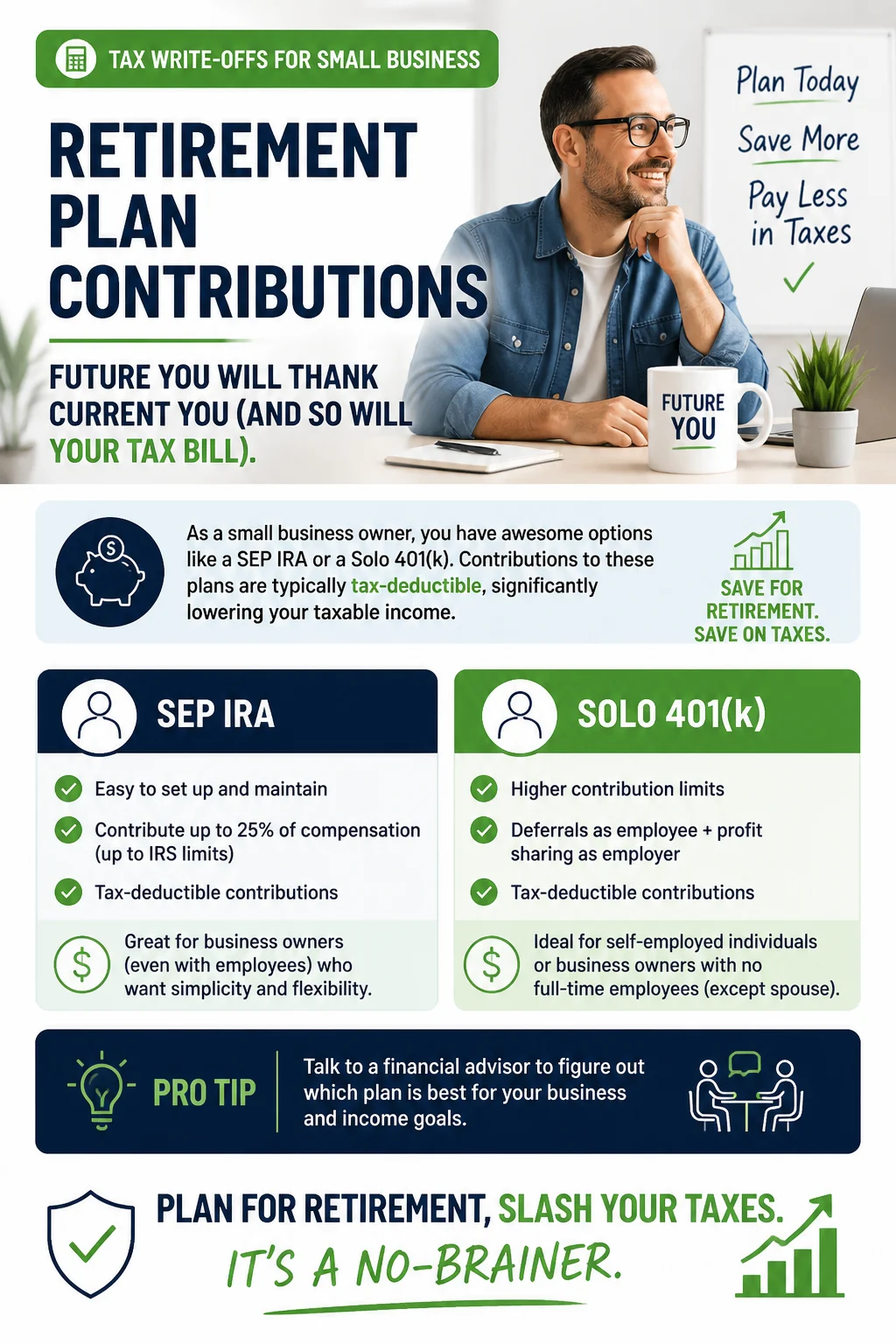
Future you will thank current you (and so will your tax bill). As a small business owner, you have awesome options like a SEP IRA or a Solo 401(k). Contributions to these plans are typically tax-deductible, significantly lowering your taxable income. It’s a fantastic way to save for retirement while getting a tax break now.
Pro tip: Talk to a financial advisor to figure out which plan is best for your business and income goals. Plan for retirement, slash your taxes. It’s a no-brainer.
💼 The Money Management Toolkit
Knowledge is power, but proper execution requires the right tools. Getting your financial life organized doesn't have to be overwhelming. These 5 physical management tools are exactly what successful households use to budget, track cash, and secure their most important assets.
📝 Clever Fox Budget Planner & Bill Organizer
The ultimate analog command center for your finances. Sometimes keeping your budget in an app just doesn't stick. Physically writing down your goals, tracking expenses, and planning for debt payoff creates a level of accountability that digital spreadsheets simply can't match.
💵 A6 Leather Cash Stuffing Binder
The viral tool that made the cash-envelope budgeting system popular again. By allocating actual physical cash to designated envelopes (groceries, dining out, fun money), you physically cap your spending, making it virtually impossible to overdraft or overspend.
🔥 Fireproof & Waterproof Document Safe
A critical piece of financial security that many families overlook. Protecting your passports, birth certificates, property deeds, and estate planning documents from disaster is just as important as protecting the money in your bank account.
🏷️ Brother P-Touch Digital Label Maker
The unsung hero of a functional home office. When tax season rolls around or you need to find an important receipt, having perfectly labeled and categorized filing cabinets or accordion folders saves hours of frustrating searches and potential late fees.
🔒 SentrySafe Compact Fireproof Lock Box
For the physical assets that need extra heavy-duty protection—think emergency cash reserves, hard drives with Bitcoin cold wallets, or physical precious metals. This compact, locking safe provides peace of mind that your physical wealth is secure at home.
Conclusion
Alright, you savvy small business owner, you’re now armed with some serious intel. Remember, these write-offs aren’t just boring tax stuff; they’re your hard-earned money staying exactly where it belongs: with you! Keep those receipts, track everything, and maybe even treat your accountant to a fancy coffee (they deserve it). Go forth and conquer tax season like the boss you are. Your bank account will send you a thank you note.