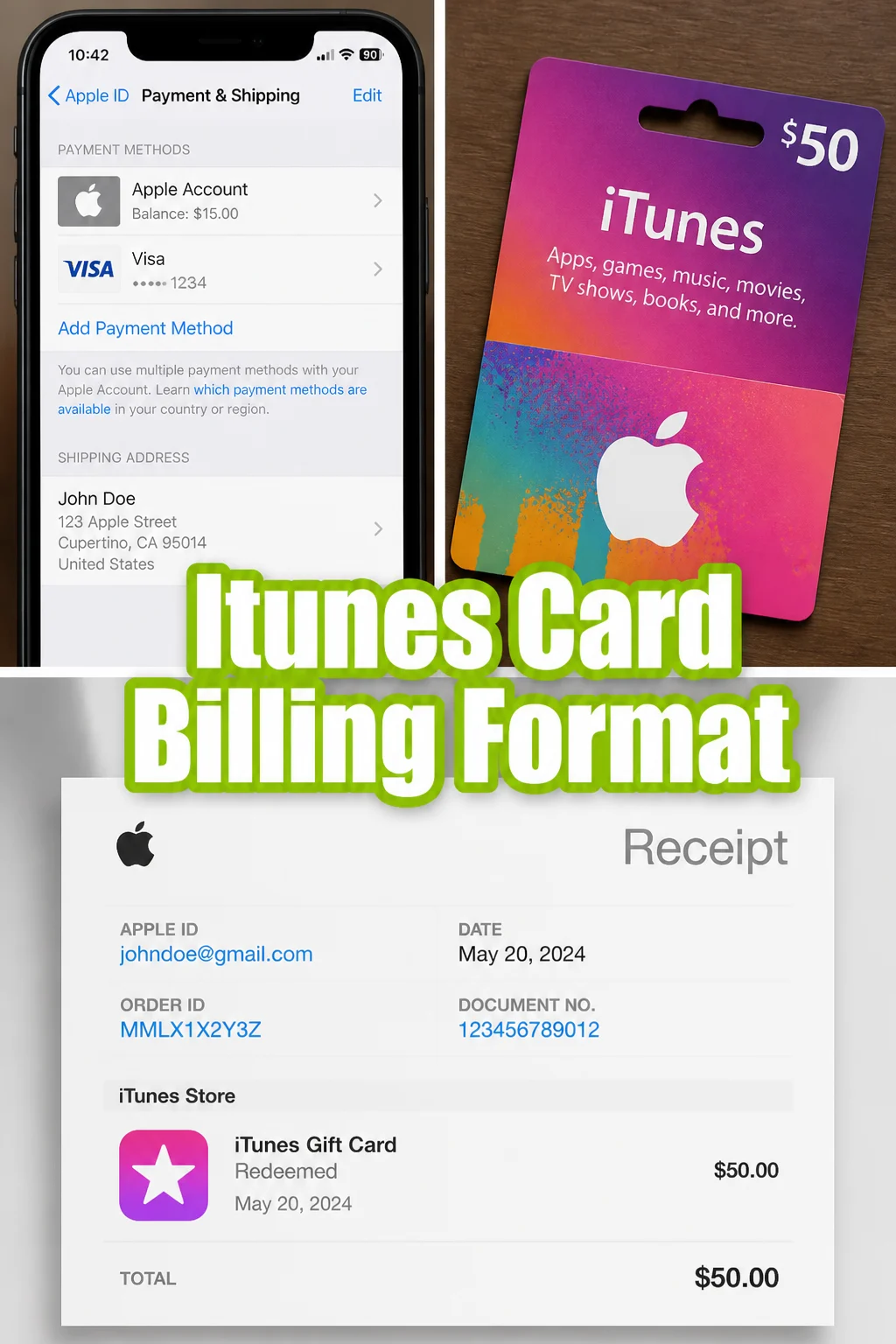
Itunes Card Billing Format
📚 The Financial Literacy Library
The best investment you can ever make is in your own financial education. These 5 cornerstone books are what millionaires, financial advisors, and wealth-builders universally recommend for completely rewiring how you think about earning, saving, and investing money.
🧠 The Psychology of Money
Doing well with money isn't necessarily about what you know—it's about how you behave. Morgan Housel masterfully breaks down the emotional and psychological biases that secretly dictate our financial decisions, offering a true paradigm shift in how to view wealth.
🏠 Rich Dad Poor Dad
The #1 personal finance book of all time for a reason. This foundational read shatters the myth that you need to earn a high income to be rich, teaching you the critical difference between working for money and making your money work for you via assets.
📈 Atomic Habits
While not strictly a finance book, building wealth is absolutely dependent on the daily habits you cultivate. James Clear provides the definitive framework for breaking bad spending habits and effortlessly automating the good ones that lead to long-term success.
📊 The Simple Path to Wealth
The ultimate antidote to complex, intimidating financial advice. JL Collins provides an incredibly accessible, low-stress roadmap to financial independence through index fund investing, perfectly explaining why simplicity beats Wall Street complexity every time.
💳 I Will Teach You to Be Rich
A tactical, no-BS, 6-week program that actually works. Ramit Sethi teaches you how to crush debt, automate your savings, and negotiate your salary—all while guilt-free spending on the things you truly love. A must-read for modern money management.
Okay, let’s be real. “Itunes Card Billing Format” sounds about as exciting as watching paint dry. But guess what, bestie? In the wild, wonderful world of digital spending, understanding how these little rectangles of joy (or sometimes, mild confusion) actually work with your Apple account is pretty clutch. You wanna download that hot new game without your bank account side-eyeing you? Or maybe snag a subscription to that killer app? We’re diving deep into the not-so-secret life of iTunes cards and how they play nice (or not) with your billing. Get ready to level up your digital wallet wisdom.
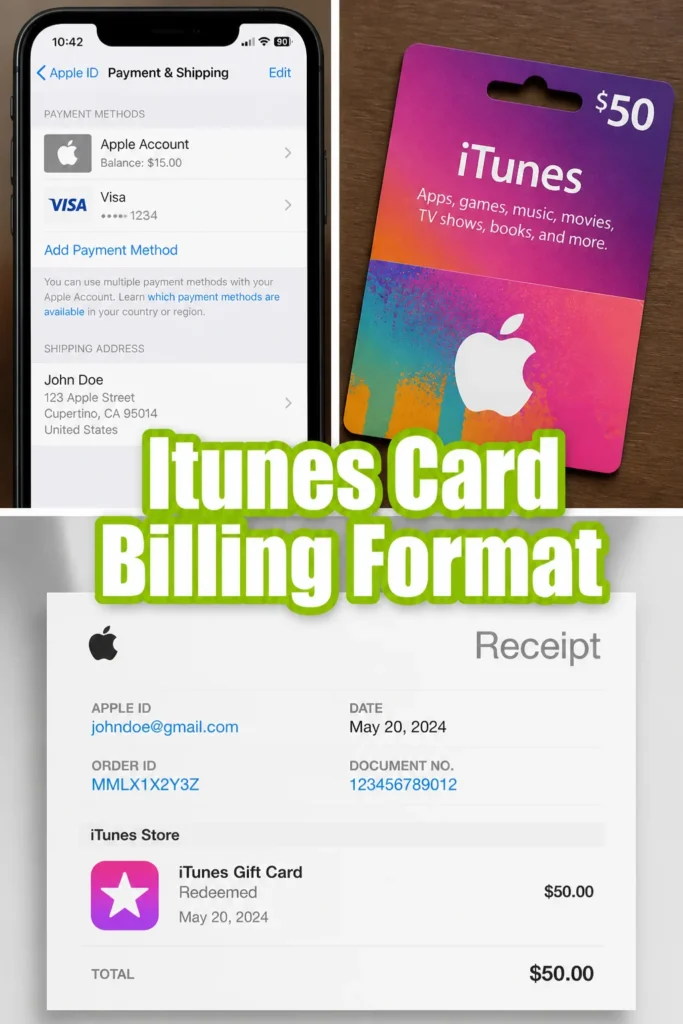
1. The Apple ID Balance Boost
You’ve got a shiny new iTunes card. What’s the first move? You redeem it, obviously! This isn’t some complex “billing format” it’s more like a direct deposit into your Apple ID savings. Your card’s value becomes part of your overall Apple balance, ready to fund your digital desires.
Pro Tip: Always redeem cards on your own device or computer. Sending codes to strangers is a one-way ticket to sad-town.
It works by giving you a pre-paid stash, so your bank account can chill for a bit.
2. App Store Adventures Await
So, you’ve got that balance sitting pretty. Now what? Hit up the App Store, darling! Every app, every in-app purchase, every digital sticker pack you fancy can be paid for using that glorious balance. It’s like having a dedicated debit card just for your iPhone’s cravings.
Your Apple ID balance is the default payment method for all your App Store goodies.
This means no more fumbling for your credit card every time you spot a must-have utility or game. Pure bliss.
3. Subscription Savvy
Tired of remembering which credit card is linked to your Apple Music or Apple TV+ subscription? Enter the iTunes card. Once redeemed, your Apple ID balance automatically takes priority for those recurring monthly charges. It’s a fantastic way to budget your entertainment.
Pro Tip: Load enough to cover a few months of subscriptions. You’ll thank yourself later when you don’t have to scramble.
It works because Apple prioritizes your stored balance over other payment methods, making subscription management a breeze.
4. Gifting Guru Moves
Giving an iTunes card isn’t just handing over plastic; it’s gifting pure potential. The “billing format” here is simple: they redeem, they spend. It’s the universal language of “go treat yourself to something digital.” Physical or digital code, the magic is the same.
Make sure the recipient is in the same country or region as the card was purchased. Otherwise, it’s a no-go zone.
This makes it a foolproof present for anyone with an Apple device, letting them choose their own adventure.
5. Balance Basics Check
Lost track of how much digital gold you have left? Checking your Apple ID balance is super easy. Just pop into your App Store profile, and your remaining credit is displayed right there. No need for complicated statements or billing formats.
Don’t forget: Your balance doesn’t expire. It’s like a digital piggy bank that never gets hungry.
Knowing your balance keeps you in the loop, preventing any awkward “insufficient funds” pop-ups during a crucial game purchase.
6. Security Shenanigans
Let’s talk protection, because sadly, scammers love iTunes cards. The “billing format” for these cards means they’re essentially cash. Once a code is redeemed, it’s gone. Never, ever share your code with someone demanding payment for taxes, bail, or any other sketchy reason.
Always purchase cards from authorized retailers and inspect them for tampering.
This works by making you the gatekeeper of your digital funds, so stay vigilant!
7. Region Ruckus Real Talk
Here’s a fun fact that can cause headaches: iTunes cards are region-specific. A card purchased in the US won’t work on an Apple ID registered in, say, the UK. This isn’t a “billing format” per se, but a geographical restriction on where the digital currency is valid.
Your Apple ID’s country setting needs to match the card’s origin. It’s the rules of the digital playground.
This prevents international billing chaos and keeps local currencies in their lanes.
8. Physical vs. Digital Face-Off
Whether you peel off a sticker to reveal a code or get it emailed instantly, the “billing format” (read: the way it adds to your balance) is identical. Physical cards offer that satisfying unboxing, while digital codes are instant gratification at its finest. Pick your poison!
Digital codes are brilliant for last-minute gifts or when you just can’t wait to top up your account.
Both formats serve the same purpose: adding funds to your Apple ID, just with different delivery methods.
9. Refund Rundown Reality
Bought something with your iTunes card balance and now need a refund? Good news: Apple processes refunds back to your Apple ID balance. It doesn’t magically reappear on a physical card or get sent to your bank account if that wasn’t the original funding source.
Keep track of your purchases, so you know what to expect if a refund is needed.
This process ensures your digital funds stay within your Apple ecosystem, ready for your next purchase.
10. Family Fund Flow
If you’re using Family Sharing, your Apple ID balance is typically the first stop for family purchases. The “billing format” here means the family organizer’s balance gets tapped first, then their other payment methods. It’s a tidy way to manage shared spending.
Heads up: Individual family members can’t directly use their own iTunes card balance for shared purchases; it goes through the organizer.
This streamlines family purchases, making sure the designated bill-payer (aka the organizer) has control.
💼 The Money Management Toolkit
Knowledge is power, but proper execution requires the right tools. Getting your financial life organized doesn't have to be overwhelming. These 5 physical management tools are exactly what successful households use to budget, track cash, and secure their most important assets.
📝 Clever Fox Budget Planner & Bill Organizer
The ultimate analog command center for your finances. Sometimes keeping your budget in an app just doesn't stick. Physically writing down your goals, tracking expenses, and planning for debt payoff creates a level of accountability that digital spreadsheets simply can't match.
💵 A6 Leather Cash Stuffing Binder
The viral tool that made the cash-envelope budgeting system popular again. By allocating actual physical cash to designated envelopes (groceries, dining out, fun money), you physically cap your spending, making it virtually impossible to overdraft or overspend.
🔥 Fireproof & Waterproof Document Safe
A critical piece of financial security that many families overlook. Protecting your passports, birth certificates, property deeds, and estate planning documents from disaster is just as important as protecting the money in your bank account.
🏷️ Brother P-Touch Digital Label Maker
The unsung hero of a functional home office. When tax season rolls around or you need to find an important receipt, having perfectly labeled and categorized filing cabinets or accordion folders saves hours of frustrating searches and potential late fees.
🔒 SentrySafe Compact Fireproof Lock Box
For the physical assets that need extra heavy-duty protection—think emergency cash reserves, hard drives with Bitcoin cold wallets, or physical precious metals. This compact, locking safe provides peace of mind that your physical wealth is secure at home.
Conclusion
So there you have it, the “Itunes Card Billing Format” demystified! It’s less about a rigid format and more about understanding how these glorious little cards become your digital spending superpower. From topping up your balance to tackling subscriptions and even navigating refunds, knowing the ins and outs means you’re always in control of your digital destiny. Go forth and conquer your App Store wish list with confidence, you savvy spender!