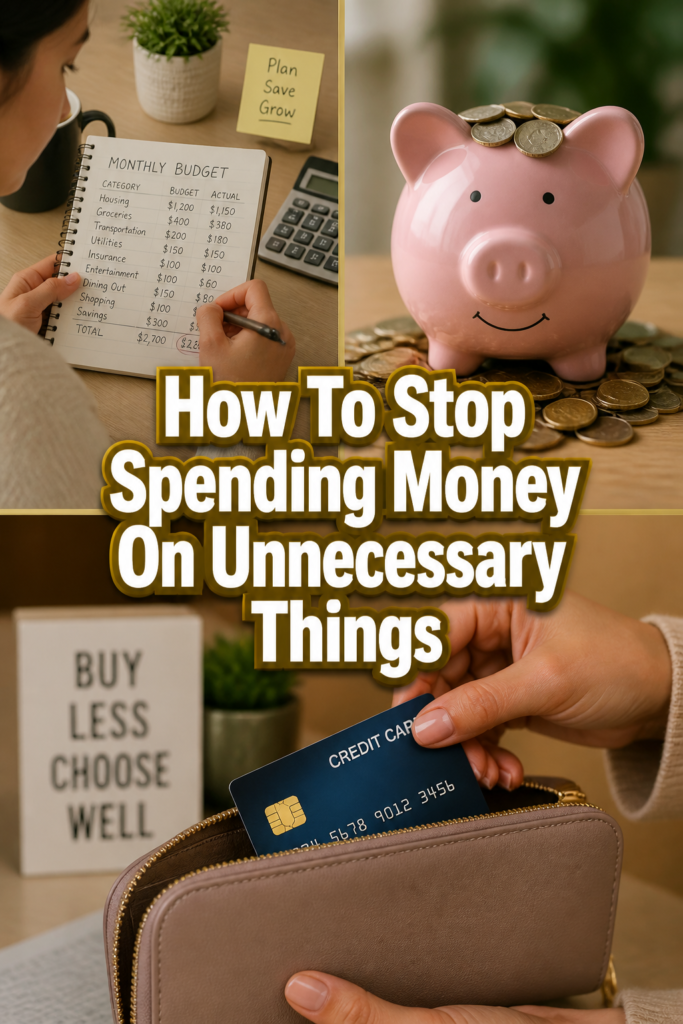
💸 How To Stop Spending Money On Unnecessary Things
📚 The Financial Literacy Library
The best investment you can ever make is in your own financial education. These 5 cornerstone books are what millionaires, financial advisors, and wealth-builders universally recommend for completely rewiring how you think about earning, saving, and investing money.
🧠 The Psychology of Money
Doing well with money isn't necessarily about what you know—it's about how you behave. Morgan Housel masterfully breaks down the emotional and psychological biases that secretly dictate our financial decisions, offering a true paradigm shift in how to view wealth.
🏠 Rich Dad Poor Dad
The #1 personal finance book of all time for a reason. This foundational read shatters the myth that you need to earn a high income to be rich, teaching you the critical difference between working for money and making your money work for you via assets.
📈 Atomic Habits
While not strictly a finance book, building wealth is absolutely dependent on the daily habits you cultivate. James Clear provides the definitive framework for breaking bad spending habits and effortlessly automating the good ones that lead to long-term success.
📊 The Simple Path to Wealth
The ultimate antidote to complex, intimidating financial advice. JL Collins provides an incredibly accessible, low-stress roadmap to financial independence through index fund investing, perfectly explaining why simplicity beats Wall Street complexity every time.
💳 I Will Teach You to Be Rich
A tactical, no-BS, 6-week program that actually works. Ramit Sethi teaches you how to crush debt, automate your savings, and negotiate your salary—all while guilt-free spending on the things you truly love. A must-read for modern money management.
Ever felt that pang of regret after buying something you didn’t truly need?
I certainly have, staring at a closet full of clothes with tags still on, or a kitchen gadget gathering dust. That feeling of money slipping through your fingers can be frustrating.
Learning to identify and curb unnecessary spending isn’t about deprivation; it’s about empowerment and redirecting your hard-earned money towards what truly matters to you.
Quick Overview
This guide will equip you with practical strategies to take control of your spending habits. You’ll learn how to identify financial leaks, create a realistic budget, and cultivate a mindset that prioritizes long-term wealth over impulsive purchases.
- Time needed: 1-2 hours for initial setup, ongoing for daily practice
- Difficulty: Beginner
- What you’ll need: A pen and paper or a digital budgeting tool, a clear understanding of your income, and a willingness to change.
Step-by-Step Instructions
Step 1: Understand Your “Why”
Before you change any habit, you need a powerful reason. Think about what truly motivates you to stop unnecessary spending.
- Define your financial goals. Do you want to save for a down payment, a dream vacation, early retirement, or just reduce debt?
- Visualize the impact of achieving these goals. Seeing the bigger picture makes daily choices much easier to manage.
Pro Tip: Write down your top 1-3 financial goals and place them somewhere visible, like your fridge or computer monitor. This serves as a constant reminder.
Step 2: Track Every Single Penny
You can’t fix a problem you don’t fully understand. Many people underestimate how much they spend on small, daily items.
- Record all your expenses for at least 30 days. Use an app, a spreadsheet, or even a small notebook.
- Categorize each expense. Separate essentials (rent, groceries, utilities) from non-essentials (dining out, entertainment, subscriptions).
- Review your spending at the end of the month. This raw data will reveal exactly where your money is going.
Step 3: Distinguish Needs from Wants
This is a fundamental step in identifying unnecessary spending. Needs are essential for survival and basic living, while wants enhance your life but aren’t strictly necessary.
- List all your expenses and label each one as a “Need” or a “Want.” Be honest with yourself.
- Challenge your “needs.” Is that daily latte a true need, or a want disguised as a routine?
- Understand that wants aren’t bad, but they should be intentional and fit within your financial plan.
Step 4: Create a Realistic Budget
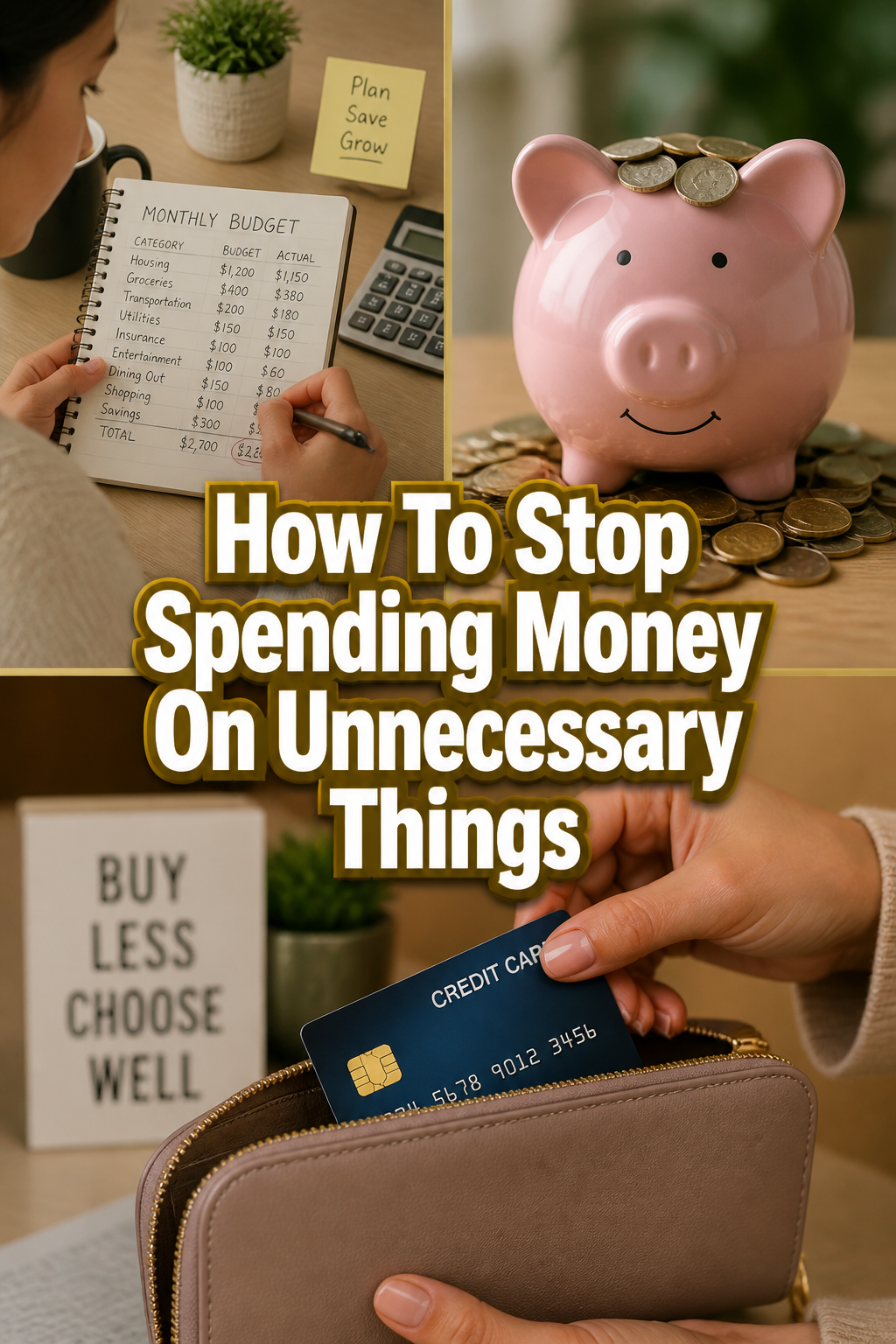
A budget isn’t about restriction; it’s a spending plan that gives you permission to spend money on things you value, while cutting back on things you don’t.
- Allocate your income to different categories. A popular method is the 50/30/20 rule: 50% for Needs, 30% for Wants, 20% for Savings/Debt Repayment.
- Adjust based on your tracking data from Step 2. If you’re spending 40% on wants, you might need to re-evaluate.
- Be flexible. Life happens, so your budget should be a living document that you review and adjust regularly.
Pro Tip: Try the “envelope system” for cash-based categories. Once the money in an envelope is gone, that spending category is closed until next payday. This visual limit can be very effective.
Step 5: Implement a “Waiting Period” Rule
Impulse purchases are often the biggest culprits of unnecessary spending. A waiting period helps you cool off and evaluate if you truly need an item.
- Set a specific waiting time for non-essential purchases. For items under $50, wait 24 hours. For items over $100, wait 72 hours or even a week.
- Use this time to research, compare prices, and consider if the item aligns with your values and goals.
- Often, the desire for the item fades during the waiting period, saving you money.
Step 6: Automate Your Savings
Make saving money a non-negotiable part of your financial life. If you pay yourself first, you’re less likely to spend that money elsewhere.
- Set up automatic transfers from your checking account to your savings or investment accounts immediately after payday.
- Start small if necessary, even $25 a week adds up. Gradually increase the amount as you get more comfortable.
- Treat these transfers like a bill you absolutely must pay.
Step 7: Master the Art of Meal Planning and Grocery Shopping
Food is a significant expense for most households. Smart planning can drastically reduce overspending on groceries and dining out.
- Plan your meals for the week before you shop. This prevents impulse purchases and reduces food waste.
- Create a detailed grocery list and stick to it. Avoid shopping when hungry.
- Compare prices, use coupons, and consider buying generic brands for staples.
Pro Tip: Cook at home more often. Even one less restaurant meal a week can save you hundreds of dollars over a year. Pack your lunch for work instead of buying it daily.
Step 8: Unsubscribe and Unfollow
Marketing is designed to make you spend. Reduce your exposure to temptations.
- Unsubscribe from marketing emails from retailers that frequently entice you.
- Unfollow social media accounts that promote excessive consumerism or make you feel like you need more.
- Declutter your physical space. A tidy environment can reduce the urge to buy more things to fill it.
Step 9: Find Free or Low-Cost Entertainment
Fun doesn’t have to break the bank. There are countless ways to enjoy yourself without spending a lot.
- Explore local parks, libraries, and free community events.
- Host potlucks or game nights with friends instead of going out.
- Utilize streaming services you already pay for, or borrow books/movies from the library.
Step 10: Regularly Review and Adjust
Financial habits are not set in stone. Your budget and spending plan should evolve with your life.
- Schedule a monthly or quarterly financial check-in. Review your budget, track your progress toward goals, and celebrate small wins.
- Identify areas where you’ve slipped and brainstorm solutions. Don’t beat yourself up; just learn and adapt.
- Adjust your plan as your income, expenses, or goals change. This keeps your financial strategy fresh and effective.
Common Mistakes to Avoid
The All-or-Nothing Mentality
Many people try to cut all unnecessary spending at once, leading to burnout and giving up entirely. This approach is rarely sustainable. Instead, focus on small, consistent changes that you can maintain over time. Progress, not perfection, is the goal.
Ignoring Small Leaks
It’s easy to focus on big purchases, but those daily coffees, forgotten subscriptions, or impulse buys at the checkout add up quickly. These “small leaks” can drain your finances without you even realizing it. Pay attention to every transaction, no matter how tiny.
Budgeting Without Tracking
Creating a budget is excellent, but without consistently tracking your actual spending, it’s just a theoretical plan. You need to compare your budgeted amounts with what you actually spend to see where you’re succeeding and where you need to adjust. Tracking provides the data for informed decisions.
Comparing Yourself to Others
Social media often presents an unrealistic view of other people’s finances. Trying to keep up with friends or influencers can lead to significant overspending on things you don’t truly value. Focus on your own financial journey and what brings you genuine happiness and security, not external validation.
Troubleshooting
I’m struggling to stick to my budget.
It’s common to find budgeting challenging at first. Revisit your budget and make sure it’s realistic. If you’re constantly overspending in a category, you might have allocated too little. Adjust your budget to reflect your actual needs and wants, then try again. Also, review your “why” from Step 1 for renewed motivation.
I feel deprived when I cut back on spending.
Feeling deprived often comes from cutting things you truly enjoy without replacing them with something else. Identify your core values and allocate money to experiences or items that align with them. Find free or low-cost alternatives for entertainment. Remember, this isn’t about never having fun; it’s about making intentional choices that serve your long-term goals.
I keep making impulse purchases despite my best efforts.
Impulse buying is a habit, and habits can be tough to break. Strengthen your “waiting period” rule, especially for online shopping. Consider removing saved credit card details from online stores to add friction to the purchase process. Before buying, ask yourself: “Do I truly need this? Can I afford it? Does it align with my goals?”
Key Takeaways
- Understand Your Motivation: Clearly define your financial goals to fuel your commitment.
- Track Everything: Knowing where your money goes is the first step to controlling it.
- Budget Realistically: Create a spending plan that serves your goals without feeling overly restrictive.
- Practice Intentional Spending: Distinguish needs from wants and use a waiting period for non-essential purchases.
- Automate Savings: Pay yourself first to build your financial future consistently.
- Review and Adapt: Regularly check your progress and adjust your strategies as your life evolves.
Frequently Asked Questions
Is it okay to still buy things I want?
Absolutely! The goal isn’t to eliminate all wants, but to make intentional choices about them. By budgeting for your wants, you can enjoy them guilt-free because they fit within your financial plan. It’s about conscious spending, not total deprivation.
How long does it take to see results?
You can start seeing results immediately by cutting out obvious unnecessary expenses. Significant changes in your savings or debt reduction will typically become noticeable within 3-6 months of consistent effort. Financial success is a marathon, not a sprint.
What if my income is too low to save much?
Even small amounts add up. Focus on optimizing your “needs” category as much as possible, finding cheaper alternatives for housing, transportation, or groceries. Consider exploring ways to increase your income through side hustles or skill development. Every dollar saved or earned makes a difference.
Should I use cash or cards for spending?
Both have benefits. Cash can be excellent for controlling spending in specific categories, as it’s a finite amount. Cards offer convenience and rewards but can make it easier to overspend. Choose the method that best helps you stick to your budget and avoid unnecessary purchases.
Our Top Recommended Finds
- A Simple Budgeting App: Apps like Mint or YNAB (You Need A Budget) can help you track expenses, categorize spending, and visualize your financial progress.
- A Dedicated Savings Account: Consider opening a separate high-yield savings account at a different bank. This keeps your savings out of sight and less tempting to touch.
- Reusable Water Bottle & Coffee Cup: Cut down on daily single-use purchases by investing in quality reusable options. These small changes save money over time.
Your Path to Financial Freedom Starts Today
Taking control of your spending habits is a powerful step towards building a more secure and fulfilling financial future. It’s about aligning your money with your values and creating a life that truly makes you happy.
Don’t wait for the perfect moment; start with one small change today. Begin tracking your expenses, set a mini-goal, or simply apply the waiting period rule to your next potential purchase. Every intentional choice builds momentum.
Imagine the peace of mind that comes from knowing you’re in charge of your money, not the other way around. You’ve got this!