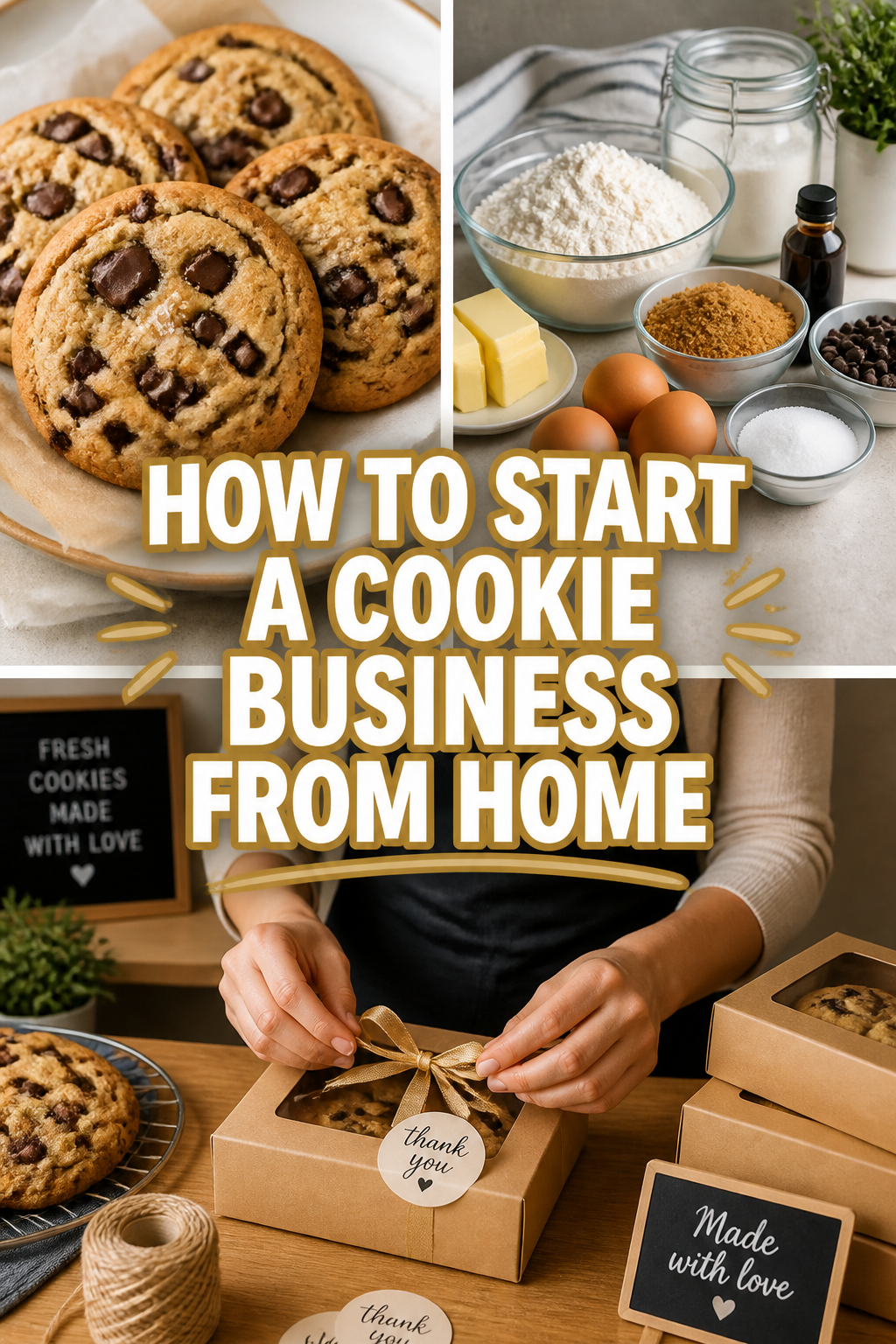
🍪 How To Start A Cookie Business From Home
📚 The Financial Literacy Library
The best investment you can ever make is in your own financial education. These 5 cornerstone books are what millionaires, financial advisors, and wealth-builders universally recommend for completely rewiring how you think about earning, saving, and investing money.
🧠 The Psychology of Money
Doing well with money isn't necessarily about what you know—it's about how you behave. Morgan Housel masterfully breaks down the emotional and psychological biases that secretly dictate our financial decisions, offering a true paradigm shift in how to view wealth.
🏠 Rich Dad Poor Dad
The #1 personal finance book of all time for a reason. This foundational read shatters the myth that you need to earn a high income to be rich, teaching you the critical difference between working for money and making your money work for you via assets.
📈 Atomic Habits
While not strictly a finance book, building wealth is absolutely dependent on the daily habits you cultivate. James Clear provides the definitive framework for breaking bad spending habits and effortlessly automating the good ones that lead to long-term success.
📊 The Simple Path to Wealth
The ultimate antidote to complex, intimidating financial advice. JL Collins provides an incredibly accessible, low-stress roadmap to financial independence through index fund investing, perfectly explaining why simplicity beats Wall Street complexity every time.
💳 I Will Teach You to Be Rich
A tactical, no-BS, 6-week program that actually works. Ramit Sethi teaches you how to crush debt, automate your savings, and negotiate your salary—all while guilt-free spending on the things you truly love. A must-read for modern money management.
Dreaming of turning your love for baking into a profitable venture?
It’s entirely possible to start a cookie business right from your kitchen.
I know because I started small myself, baking for local markets before scaling up, and I learned invaluable lessons about making every penny count.
Quick Overview
This guide will walk you through launching your home-based cookie business, focusing on smart money moves and building a solid financial foundation.
- Time needed: 4-8 weeks for setup and initial launch
- Difficulty: Beginner
- What you’ll need: Basic kitchen equipment, quality ingredients, a business plan, and a passion for baking
Step-by-Step Instructions
Step 1: Bake Your Best & Nail Your Niche
Start by perfecting your cookie recipes. Identify what makes your cookies unique – is it a secret family recipe, unique flavor combinations, or dietary options?
Think about your ideal customer. Are they looking for gourmet treats, healthy alternatives, or classic comfort cookies?
This early focus helps define your brand and target market, making future marketing efforts much more effective and cost-efficient.
Pro Tip: Conduct blind taste tests with friends and family. Gather honest feedback on taste, texture, and appearance. This is free market research!
Step 2: Understand the Rules & Get Legal
Before selling a single cookie, research your local cottage food laws. These laws dictate what you can bake and sell from home.
Requirements vary by state, county, and city, covering everything from specific ingredient lists to labeling and sales limits.
Register your business name and obtain any necessary permits or licenses. A simple Sole Proprietorship is often the easiest and cheapest way to start.
Keep your personal and business finances separate from day one. Open a dedicated business bank account to track income and expenses accurately. This simplifies tax season and gives you a clear financial picture.
Step 3: Crunch the Numbers & Price for Profit
This is where your money-smart mindset truly shines. Calculate the exact cost of every ingredient per batch of cookies.
Don’t forget packaging, labels, and even a small portion of your utility costs. Understanding your “cost of goods sold” is fundamental to profitability.
Research competitor pricing in your area. Aim for a price that covers your costs, pays you for your time, and leaves a healthy profit margin.
Many home bakers underprice their products, essentially paying to work. Your time and skill have value, so price accordingly.
Pro Tip: Use the “Cost Plus Pricing” method. Calculate your total cost per cookie, then add a profit margin (e.g., 200-300% markup on ingredients). This ensures you’re profitable from the start.
Step 4: Build Your Brand & Online Presence
Create a memorable brand name and logo. This doesn’t require expensive designers; free tools like Canva can help you create professional-looking visuals.
Set up a simple online presence. An Instagram page showcasing beautiful cookie photos is a great free start.
Consider a basic website or an Etsy shop for online orders. Start with free or low-cost platforms to minimize initial investment.
Engage with your audience by sharing behind-the-scenes glimpses or asking for flavor suggestions. Building a community costs nothing but time and effort.
Step 5: Source Smart & Manage Inventory
Find reliable suppliers for your ingredients. Buying in bulk can often reduce costs, but only buy what you know you’ll use before it expires.
Keep a close eye on inventory levels. Overstocking leads to wasted ingredients and tied-up capital.
Negotiate with local suppliers if possible. Building relationships can lead to better prices or priority access to fresh produce.
Track every ingredient purchase and usage. This helps refine your cost calculations and reduces waste, boosting your profit margins.
Step 6: Master Your Marketing & Sales Strategy
Start with grassroots marketing. Tell everyone you know about your business. Offer samples to local businesses or at community events.
Utilize social media to its fullest. Post high-quality photos, run contests, and engage with local influencers or food bloggers.
Consider local farmers’ markets or craft fairs. These are fantastic low-cost ways to get direct customer feedback and make sales.
Focus on repeat customers. Excellent customer service and a loyalty program (even a simple “buy 10, get 1 free” card) are far more cost-effective than constantly seeking new clients.
Step 7: Optimize Operations & Reinvest Wisely
Once you start selling, analyze your workflow. Are there ways to bake more efficiently? Can you prep ingredients in advance to save time?
Track your sales data. Which cookies sell best? When are your peak selling times? Use this information to inform your production schedule.
As profits come in, resist the urge to spend it all. Reinvest a portion back into your business for better equipment, marketing, or new product development.
This disciplined approach to reinvestment is a cornerstone of long-term wealth building for your business. Think about future growth, not just immediate gratification.
Common Mistakes to Avoid
Ignoring Legal & Licensing Requirements
Many aspiring bakers jump straight into selling without understanding local laws. This can lead to fines, forced shutdowns, or even legal trouble.
Always prioritize researching and complying with cottage food laws and business registration requirements. It protects your business and your peace of mind.
Underpricing Your Products
A common pitfall is pricing too low, often out of fear of not selling. This leaves you with little to no profit, making your business unsustainable.
Thoroughly calculate all costs, including your time, and price your cookies to ensure a healthy profit margin. Your skill and effort deserve fair compensation.
Lack of Financial Tracking
Failing to separate business and personal finances or neglecting to track expenses can create a messy situation at tax time. It also makes it impossible to know if you’re truly profitable.
Set up a dedicated business bank account and use simple accounting software or a spreadsheet from day one. This clarity is crucial for smart financial decisions.
Trying to Please Everyone
Attempting to offer every type of cookie or cater to every dietary need can spread your resources too thin and dilute your brand identity. Focus is key.
Identify your niche and excel at it. It’s better to be known for a few exceptional products than many mediocre ones. This approach is more cost-effective for ingredient sourcing and marketing.
Troubleshooting
Slow Sales
If sales are sluggish, first review your pricing. Are you too high, too low, or just right for your market?
Next, evaluate your marketing. Are you reaching your target audience effectively? Try new channels like local events, social media ads, or collaborations.
Finally, gather customer feedback. Perhaps your product needs a slight adjustment or a new flavor introduction to reignite interest.
Difficulty Managing Time & Production
Feeling overwhelmed by baking and business tasks is common. Start by creating a detailed daily or weekly schedule.
Batch cooking certain elements, like dough, can save significant time. Consider which tasks you can automate or streamline with simple tools.
Don’t be afraid to say no to orders that stretch you too thin, especially when starting out. Quality over quantity builds a better reputation.
High Ingredient Costs
When ingredient costs eat into your profits, it’s time to re-evaluate your suppliers and recipes. Look for bulk purchasing options or alternative suppliers.
Consider slightly adjusting recipes if a particular ingredient is consistently expensive. Sometimes a small change won’t compromise taste but will significantly impact your bottom line.
Ensure you’re tracking waste. Every wasted ingredient is money lost, so focus on efficient usage and careful storage.
Key Takeaways
- Start Small & Smart: Begin with a focused niche and minimal investment to test your market.
- Master Your Numbers: Accurately calculate costs and price for profit from the very beginning.
- Separate Finances: Keep business and personal money distinct for clear financial tracking and tax preparation.
- Build Your Brand Organically: Leverage free or low-cost marketing channels like social media and local events.
- Reinvest Wisely: Allocate a portion of your profits back into the business for sustainable growth and long-term wealth.
- Learn & Adapt: Continuously gather feedback, analyze sales data, and be willing to adjust your strategy.
Frequently Asked Questions
Do I need a commercial kitchen?
For most home-based cookie businesses, especially when starting, a commercial kitchen is not required. Cottage food laws in many areas allow you to operate from your home kitchen as long as you comply with specific regulations.
Always check your local and state laws first, as requirements vary significantly. This saves you significant overhead costs.
How much money do I need to start?
You can start a cookie business with a surprisingly low initial investment. If you already have basic kitchen equipment, your main costs will be ingredients, packaging, and potentially some basic permits or online platform fees.
Many successful home bakers begin with just a few hundred dollars. Focus on minimizing expenses by using what you have and choosing free marketing channels.
How do I get my first customers?
Start with your immediate network: friends, family, and colleagues. Offer samples and ask for honest feedback. Leverage social media by posting appealing photos of your cookies and engaging with local community groups.
Participate in local farmers’ markets, craft fairs, or school events. These provide direct exposure and allow customers to taste your products firsthand.
What’s the best way to manage orders?
Begin with a simple system like a notebook or a spreadsheet to track orders, customer contact information, and delivery dates. As your business grows, you might consider free or low-cost online order forms or a simple e-commerce platform like Etsy.
Clear communication with customers about order timelines and expectations is crucial for a smooth process and happy clients.
Our Top Recommended Finds
- Kitchen Scale: Essential for precise ingredient measurements, ensuring consistent quality and accurate cost calculation.
- Stand Mixer: A durable stand mixer saves immense time and effort, especially when baking large batches.
- Basic Label Printer: Allows you to create professional-looking labels for your packaging, meeting legal requirements and enhancing brand appeal.
Your Sweet Path to Financial Freedom Starts Now
Launching a cookie business from your home is more than just baking; it’s about building a foundation for your financial future.
Every dollar saved, every smart pricing decision, and every satisfied customer is a step towards your entrepreneurial goals.
Don’t wait for the perfect moment. Take that first step today, start baking, and watch your sweet dreams turn into a tangible, profitable reality.