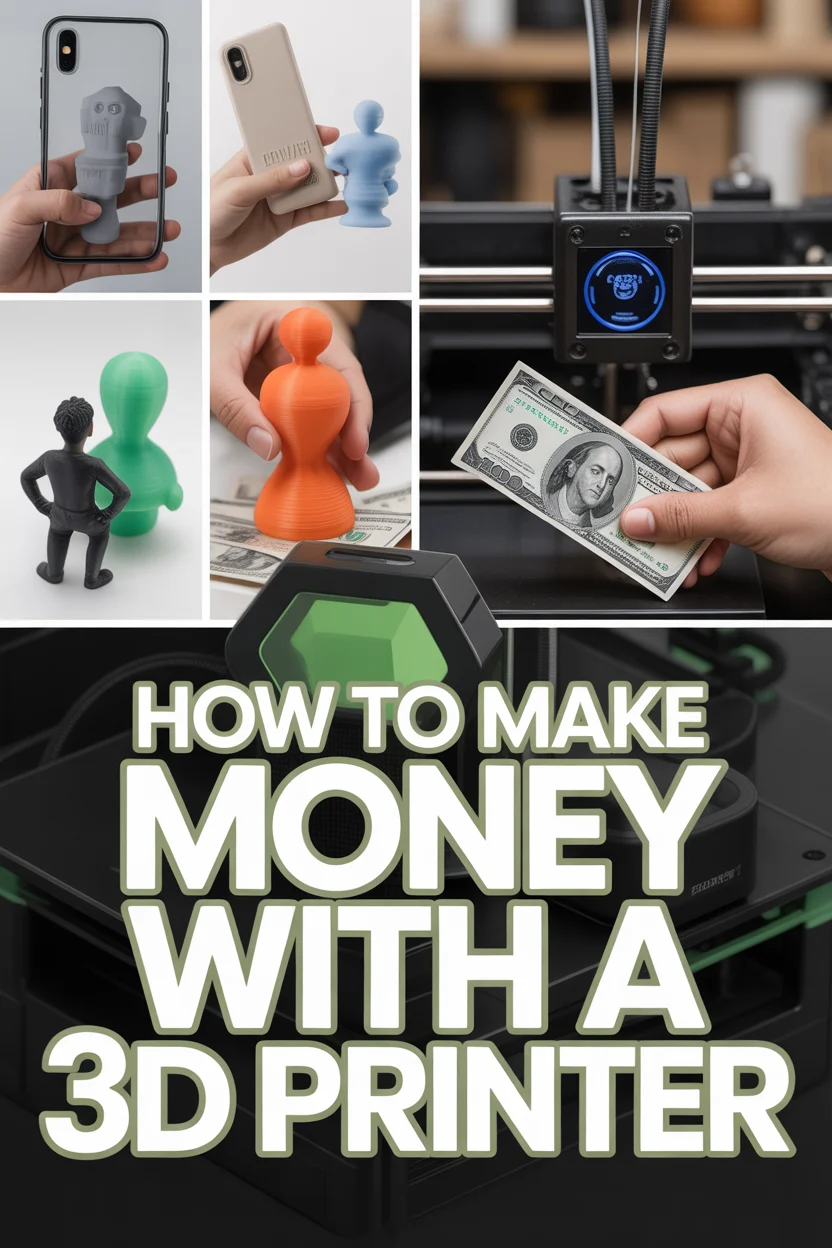
💰 How To Make Money With A 3D Printer
📚 The Financial Literacy Library
The best investment you can ever make is in your own financial education. These 5 cornerstone books are what millionaires, financial advisors, and wealth-builders universally recommend for completely rewiring how you think about earning, saving, and investing money.
🧠 The Psychology of Money
Doing well with money isn't necessarily about what you know—it's about how you behave. Morgan Housel masterfully breaks down the emotional and psychological biases that secretly dictate our financial decisions, offering a true paradigm shift in how to view wealth.
🏠 Rich Dad Poor Dad
The #1 personal finance book of all time for a reason. This foundational read shatters the myth that you need to earn a high income to be rich, teaching you the critical difference between working for money and making your money work for you via assets.
📈 Atomic Habits
While not strictly a finance book, building wealth is absolutely dependent on the daily habits you cultivate. James Clear provides the definitive framework for breaking bad spending habits and effortlessly automating the good ones that lead to long-term success.
📊 The Simple Path to Wealth
The ultimate antidote to complex, intimidating financial advice. JL Collins provides an incredibly accessible, low-stress roadmap to financial independence through index fund investing, perfectly explaining why simplicity beats Wall Street complexity every time.
💳 I Will Teach You to Be Rich
A tactical, no-BS, 6-week program that actually works. Ramit Sethi teaches you how to crush debt, automate your savings, and negotiate your salary—all while guilt-free spending on the things you truly love. A must-read for modern money management.
Turning a hobby into a money-making venture is incredibly rewarding.
I started with a simple desktop 3D printer a few years ago, mostly making trinkets for myself.
Soon, friends asked for custom prints, and that spark ignited my journey into making real income from this amazing technology.
Quick Overview
This guide will equip you with the knowledge to transform your 3D printer into a profitable business.
You’ll learn how to identify profitable niches, price your products effectively, and build a sustainable income stream.
- Time needed: 4-8 weeks to set up and start seeing sales
- Difficulty: Intermediate
- What you’ll need: A 3D printer, filament, design software (or access to STL files), a marketplace, and a clear business plan
Step-by-Step Instructions
Step 1: Research Your Niche and Market
Don’t just print anything; print what people want to buy. Start by looking at what’s trending and what unique problems your 3D printer can solve.
Think about specific groups of people, like pet owners, gamers, or hobbyists, and what custom items they might need.
- Identify popular items on marketplaces like Etsy, eBay, or even local craft fairs.
- Look for gaps in the market where custom 3D printed items could offer a unique solution.
- Consider what you’re passionate about. Your enthusiasm will shine through in your products.
- Analyze pricing of similar items to understand potential profit margins.
Pro Tip: Focus on customization. A 3D printer excels at making unique, personalized items that mass production can’t easily match. This is your competitive edge.
Step 2: Develop Your Product Ideas
Once you have a niche, brainstorm specific products. Think about functionality, aesthetics, and how you can add value.
Start with simple, quick-to-print items to get familiar with the process and test the market.
- Sketch out ideas or find existing free STL files you can modify for a unique touch.
- Prioritize products that have a low material cost and reasonable print time.
- Consider variations in color, size, or personalization options to appeal to more customers.
- Create a few prototypes to test their quality and appeal.
Step 3: Calculate Your Costs and Set Prices
Understanding your costs is crucial for profitability. Many new sellers underestimate this part.
Your pricing needs to cover materials, electricity, machine wear, your time, and still leave a healthy profit.
- Track filament usage per print by weighing the finished product and supports.
- Estimate electricity cost based on your printer’s wattage and local rates.
- Factor in an hourly rate for your design, printing, and post-processing time. Don’t work for free!
- Add a percentage for machine depreciation and potential failed prints.
- Research competitor prices for similar items to ensure your price is competitive yet profitable.
- Use a simple formula: (Material Cost + Electricity Cost + Time Cost + Overhead) * Profit Margin = Selling Price.
Pro Tip: Don’t be afraid to charge what your work is worth. Undercutting yourself only hurts your long-term income potential. Quality and uniqueness command a fair price.
Step 4: Master Your Design and Printing Process
Quality is king. Poor prints lead to returns and bad reviews, which can sink your business.
Invest time in perfecting your print settings and ensuring your designs are robust and appealing.
- Learn basic CAD software (Tinkercad, Fusion 360, Blender) or find reliable designers.
- Calibrate your printer regularly for optimal performance.
- Experiment with different filaments to find the best material for your products (PLA, PETG, ABS, etc.).
- Refine your post-processing techniques, like sanding, painting, or assembly, to give a professional finish.
Step 5: Build Your Online Presence
People can’t buy what they don’t see. An effective online presence is vital for reaching customers.
Choose platforms that align with your product and target audience.
- Select a marketplace: Etsy for handmade/custom, eBay for broader reach, Shopify for your own store.
- Take high-quality photos and videos of your products. Good visuals sell.
- Write compelling product descriptions that highlight benefits, features, and customization options.
- Utilize relevant keywords in your listings to improve search visibility.
- Consider social media (Instagram, TikTok) to showcase your creations and engage with potential customers.
Step 6: Market Your Products Effectively
Even the best products need promotion. Marketing helps your target audience discover you.
Start with free and low-cost methods before considering paid advertising.
- Share your work on social media groups related to your niche.
- Run small promotions or offer bundle deals to attract initial buyers.
- Engage with your audience. Ask for feedback and incorporate it into your designs.
- Collaborate with influencers or other small businesses in complementary niches.
- Collect customer testimonials and display them prominently.
Step 7: Provide Excellent Customer Service
Happy customers become repeat customers and tell their friends. This is free, powerful marketing.
Respond quickly, be polite, and always go the extra mile to resolve issues.
- Communicate clearly about lead times and shipping.
- Address any concerns or questions promptly and professionally.
- Offer refunds or replacements for genuinely faulty products.
- Ask for reviews and feedback to continuously improve.
Step 8: Scale Your Business and Diversify Income
Once you have a steady stream of sales, look for ways to grow and protect your income.
Scaling doesn’t always mean buying more printers; it can mean optimizing your workflow or offering new services.
- Automate repetitive tasks where possible, like order processing or shipping label generation.
- Invest in a second printer if demand consistently exceeds your capacity.
- Explore offering design services for custom prints, not just selling finished products.
- Consider selling digital STL files for certain designs, creating passive income.
- Reinvest a portion of your profits back into the business for better materials, tools, or marketing.
Common Mistakes to Avoid
Ignoring Your Costs
Many new entrepreneurs focus only on the selling price and forget to calculate their true expenses. This leads to working for little to no profit, or even losing money on sales.
Always factor in filament, electricity, machine maintenance, packaging, shipping fees, and your own labor. A clear understanding of your costs is the bedrock of a profitable business.
Poor Quality Prints
Rushing prints or using incorrect settings to save a few minutes can result in low-quality products. Customers will notice flaws, leading to negative reviews and a damaged reputation.
Take the time to calibrate your printer, optimize your settings, and ensure every item you ship meets a high standard. Quality builds trust and encourages repeat business.
Underpricing Your Products
It’s tempting to set low prices to attract sales, but this often devalues your work and makes it impossible to turn a decent profit. You’re not just selling plastic; you’re selling your design, time, and expertise.
Research your market, calculate your costs thoroughly, and price your items fairly. Value your time and craftsmanship, and customers who appreciate quality will pay for it.
Lack of Marketing
You can have the best products in the world, but if no one knows about them, you won’t make sales. Many beginners expect customers to simply find them without any effort.
Actively promote your products on social media, in relevant online communities, and through good SEO practices on your chosen marketplace. Be proactive in reaching your audience.
Troubleshooting
Low Sales Volume
If your products aren’t selling, it could be a few things. First, revisit your niche research. Are you selling something people truly want or need?
Next, evaluate your pricing. Is it competitive but also reflective of your value? Finally, review your product photos and descriptions. Are they compelling and clear? Strong visuals and engaging text are crucial.
High Material Waste/Failed Prints
Consistent failed prints eat into your profits and waste time. Start by checking your printer’s calibration – bed leveling, nozzle temperature, and filament flow are common culprits.
Also, examine your print settings in your slicer software. Sometimes a small adjustment to layer height, print speed, or support structures can make a huge difference. Don’t be afraid to experiment with test prints.
Negative Customer Feedback
Negative feedback can feel disheartening, but it’s an opportunity to improve. First, respond professionally and empathetically to the customer.
Then, analyze the feedback to identify patterns. Is it about product quality, shipping, or communication? Use this information to refine your processes and product offerings, turning a negative into a positive learning experience.
Key Takeaways
- Market Research is Essential: Always start by understanding what people want to buy, not just what you want to print.
- Know Your Numbers: Accurately calculate all costs (material, electricity, time, overhead) to set profitable prices.
- Prioritize Quality: High-quality prints and excellent customer service build reputation and encourage repeat business.
- Build an Online Presence: Showcase your products effectively on appropriate marketplaces and social media platforms.
- Market Actively: Don’t wait for customers; go find them through targeted promotion and engagement.
- Embrace Learning and Adaptation: Continuously refine your skills, products, and business strategies based on feedback and market trends.
Frequently Asked Questions
Can I make money with a cheap 3D printer?
Yes, absolutely! Many successful 3D printing businesses started with entry-level printers. The key is to focus on smaller, high-value items where print quality is consistent. As your business grows, you can reinvest profits into more advanced equipment.
How much time does it take to run a 3D printing business?
It varies widely depending on your goals. You can start with just a few hours a week for a side hustle, or dedicate full-time hours to scale it into a primary income. Be realistic about your available time and manage expectations accordingly, especially with print times.
Do I need to be a design expert?
Not necessarily. While knowing CAD is a huge advantage, you can start by finding free or paid STL files online and customizing them. Alternatively, you can offer services that don’t require original design, like printing existing models for others, or focusing on post-processing and finishing.
What’s the best filament to start with?
PLA (Polylactic Acid) is generally recommended for beginners. It’s easy to print, biodegradable, and comes in a vast array of colors. As you gain experience, you can experiment with more specialized filaments like PETG for durability or ABS for heat resistance.
Your Path to Profit Starts Today
The journey to making money with your 3D printer is exciting and full of potential.
It’s about creativity, smart financial decisions, and a willingness to learn and adapt.
Don’t just dream about a side income; take that first concrete step today.
Start researching your niche, design your first product, or simply calculate your filament costs.
Every small action builds momentum towards your financial goals.