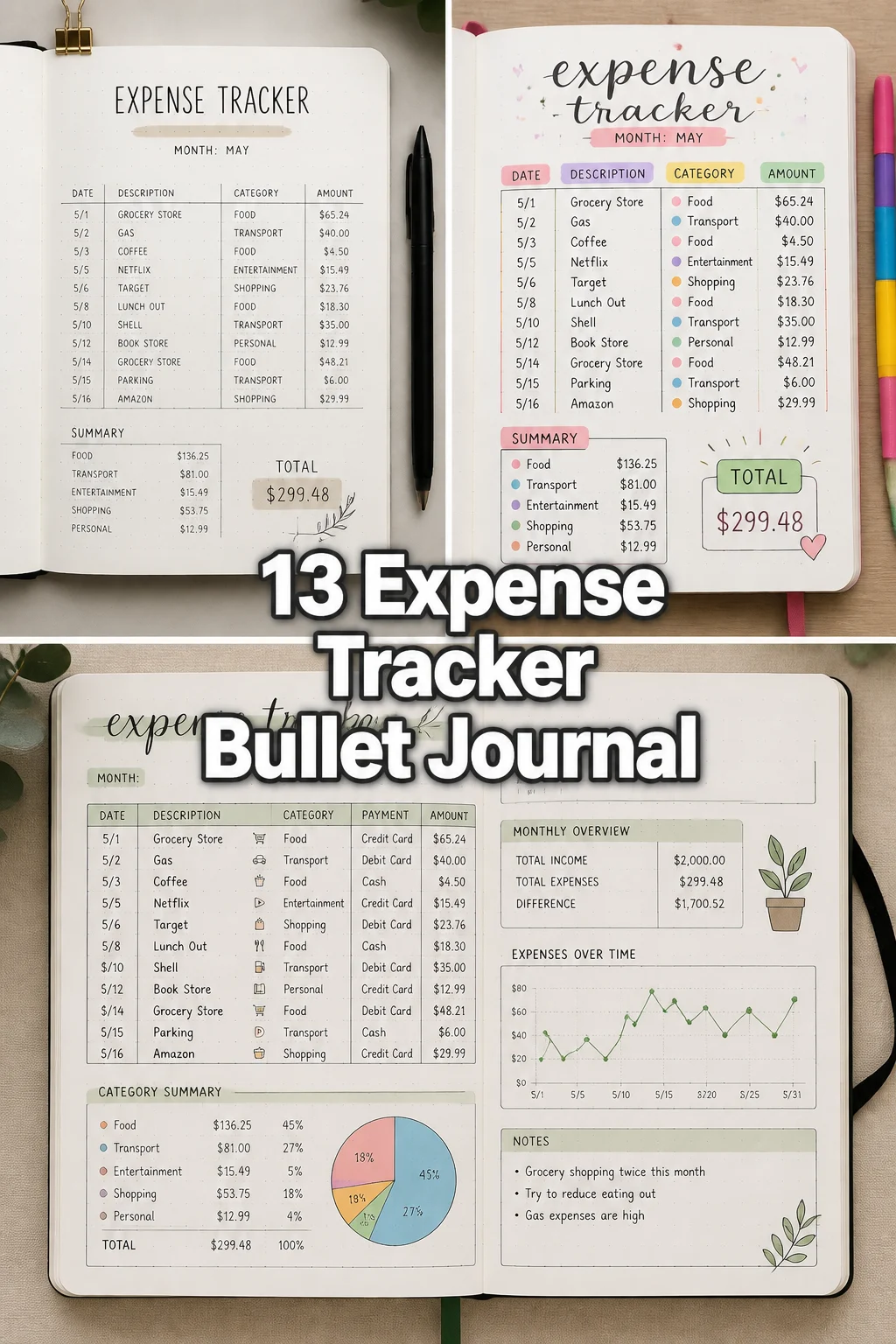
💰 13 Expense Tracker Bullet Journal
📚 The Financial Literacy Library
The best investment you can ever make is in your own financial education. These 5 cornerstone books are what millionaires, financial advisors, and wealth-builders universally recommend for completely rewiring how you think about earning, saving, and investing money.
🧠 The Psychology of Money
Doing well with money isn't necessarily about what you know—it's about how you behave. Morgan Housel masterfully breaks down the emotional and psychological biases that secretly dictate our financial decisions, offering a true paradigm shift in how to view wealth.
🏠 Rich Dad Poor Dad
The #1 personal finance book of all time for a reason. This foundational read shatters the myth that you need to earn a high income to be rich, teaching you the critical difference between working for money and making your money work for you via assets.
📈 Atomic Habits
While not strictly a finance book, building wealth is absolutely dependent on the daily habits you cultivate. James Clear provides the definitive framework for breaking bad spending habits and effortlessly automating the good ones that lead to long-term success.
📊 The Simple Path to Wealth
The ultimate antidote to complex, intimidating financial advice. JL Collins provides an incredibly accessible, low-stress roadmap to financial independence through index fund investing, perfectly explaining why simplicity beats Wall Street complexity every time.
💳 I Will Teach You to Be Rich
A tactical, no-BS, 6-week program that actually works. Ramit Sethi teaches you how to crush debt, automate your savings, and negotiate your salary—all while guilt-free spending on the things you truly love. A must-read for modern money management.
Alright, let’s get real for a sec. We all want to be financially savvy, but staring at a spreadsheet can feel like watching paint dry, right? Good news, bestie! Your trusty bullet journal isn’t just for tracking habits or pretty doodles. It’s about to become your chicest financial advisor, helping you conquer those pesky expenses with a dash of style and zero judgment. Ditch the boring apps and grab your favorite pens. We’re about to make tracking your cash flow genuinely fun.
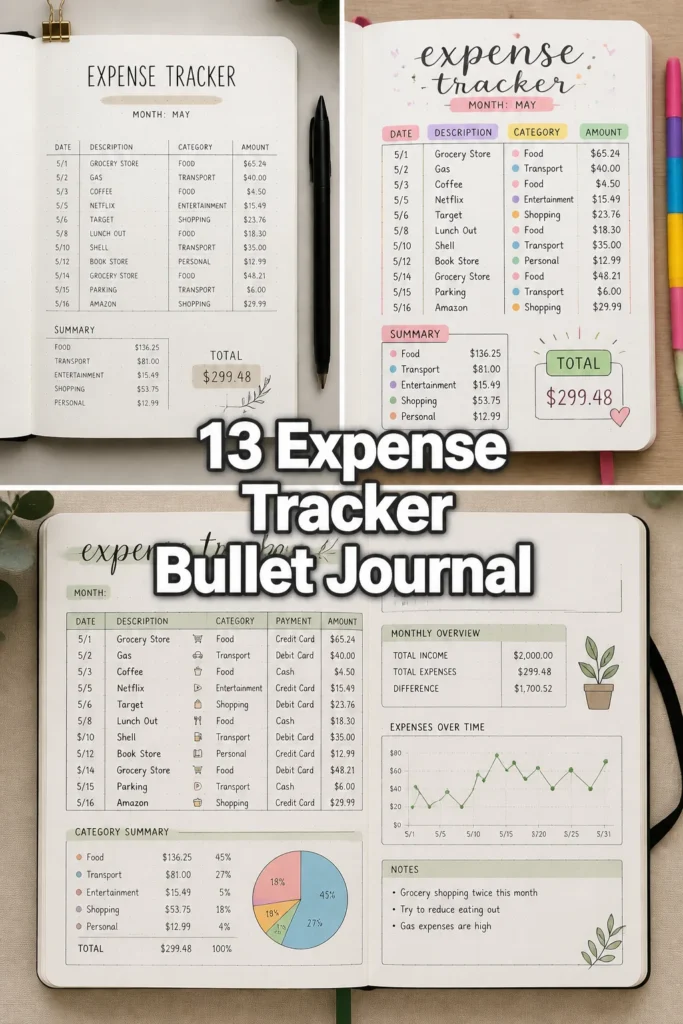
1. The Monthly Overview Spread
Kick things off with a bird’s-eye view of your financial universe. This spread gives you a quick snapshot of your income versus your fixed expenses. You instantly see where your money lands before it even thinks about leaving your wallet.
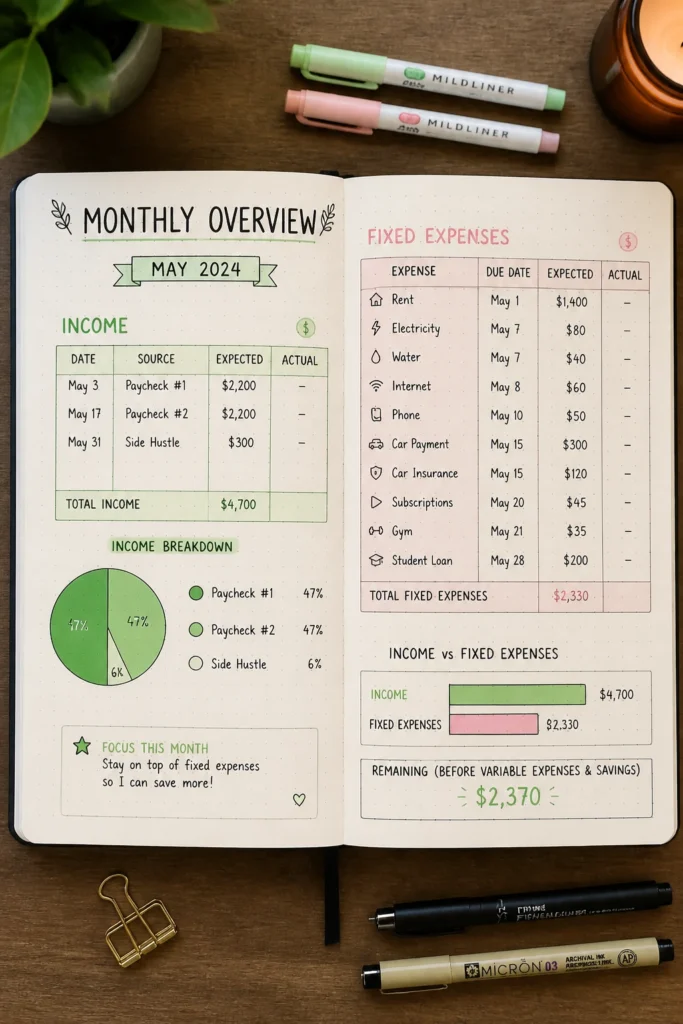
Map out your expected paychecks and recurring bills like rent or subscriptions. A pro tip: use a different color for income and expenses to make it super clear. This setup makes sure no bill surprises you, giving you total control.
2. Category Tracking Pages
Don’t just track spending; understand where it goes. Dedicate pages to specific categories like groceries, entertainment, or self-care splurges. This paints a vivid picture of your spending habits.
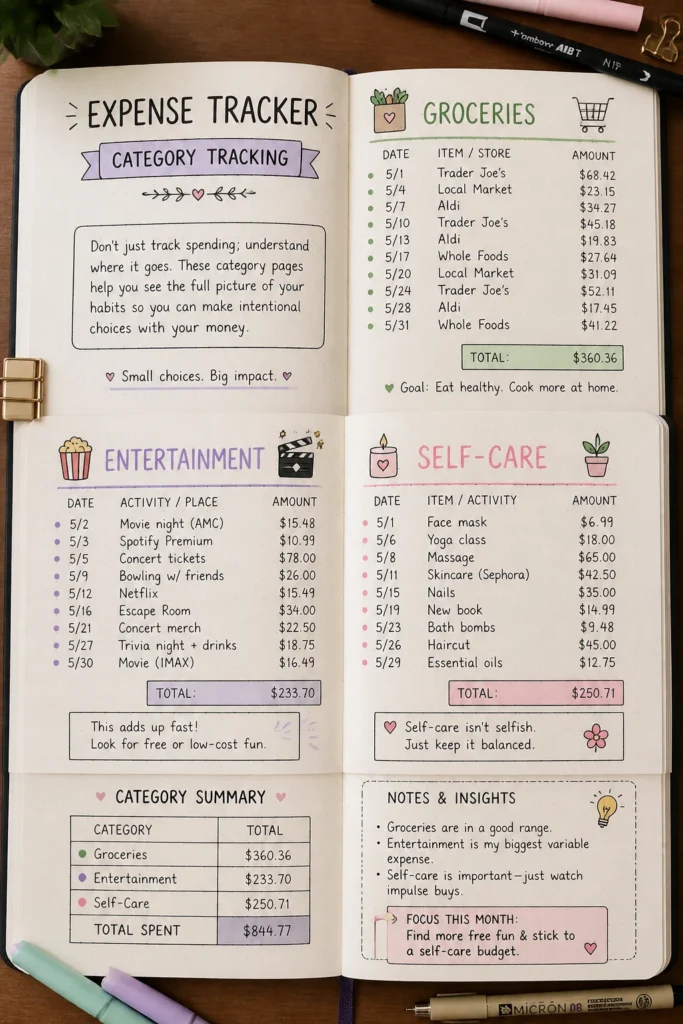
Simply list each purchase under its category as you make it, noting the date and amount. You’ll quickly spot if your “just a coffee” habit is actually a small fortune. This method helps you identify areas ripe for some budget-friendly adjustments.
3. No-Spend Challenge Tracker
Ready to flex those saving muscles? A no-spend challenge turns saving into a game. Pick a duration—a week, a month—and challenge yourself to buy only essentials.
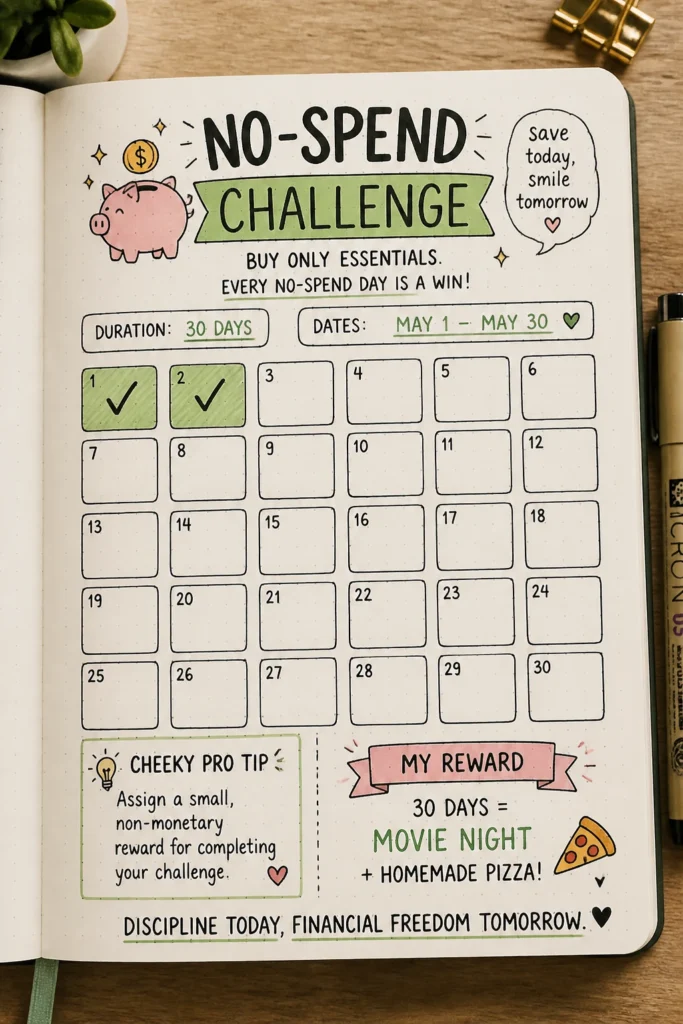
Create a calendar or a series of boxes you can color in for each successful no-spend day. A cheeky pro tip: assign a small, non-monetary reward for completing your challenge. This tracker makes saving an exciting mission, not a chore.
4. Wishlist Tracker
Got your eye on that designer bag or a fancy new gadget? Don’t just dream; plan. A wishlist tracker helps you save deliberately for those bigger treats.
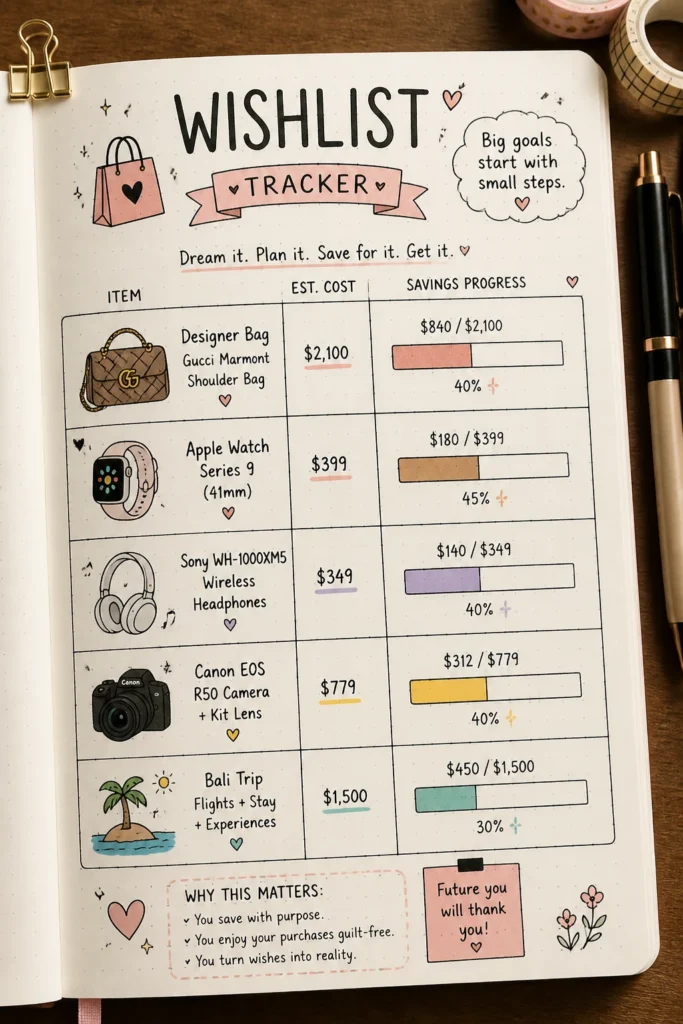
List your desired items, their cost, and a space to track your progress towards saving for them. Seeing your savings grow towards a specific goal keeps you motivated. This ensures your splurges are intentional, not impulse buys.
5. Debt Payoff Tracker
Tackling debt feels much less daunting when you visualize your progress. This tracker turns a scary number into a satisfying journey.
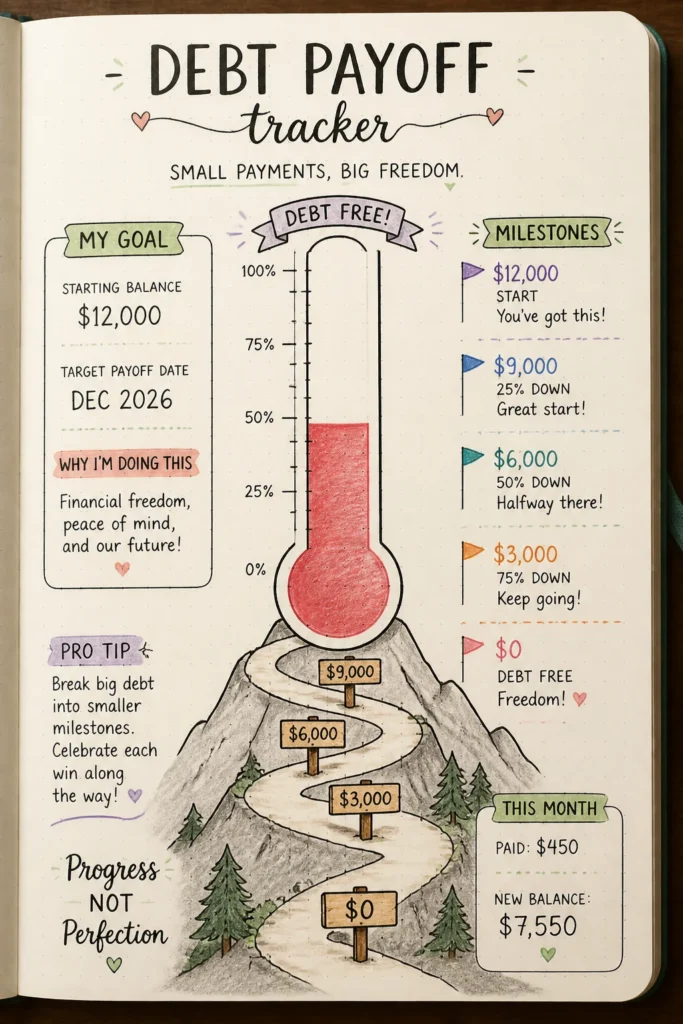
Draw a thermometer, a mountain, or even a pathway, and fill it in as you make payments. A great pro tip: break down large debts into smaller, achievable milestones. Watching that progress bar fill up gives you a huge mental boost.
6. Income Tracker
It’s not all about what goes out; what comes in matters too. An income tracker helps you appreciate your earnings and forecast your financial stability.
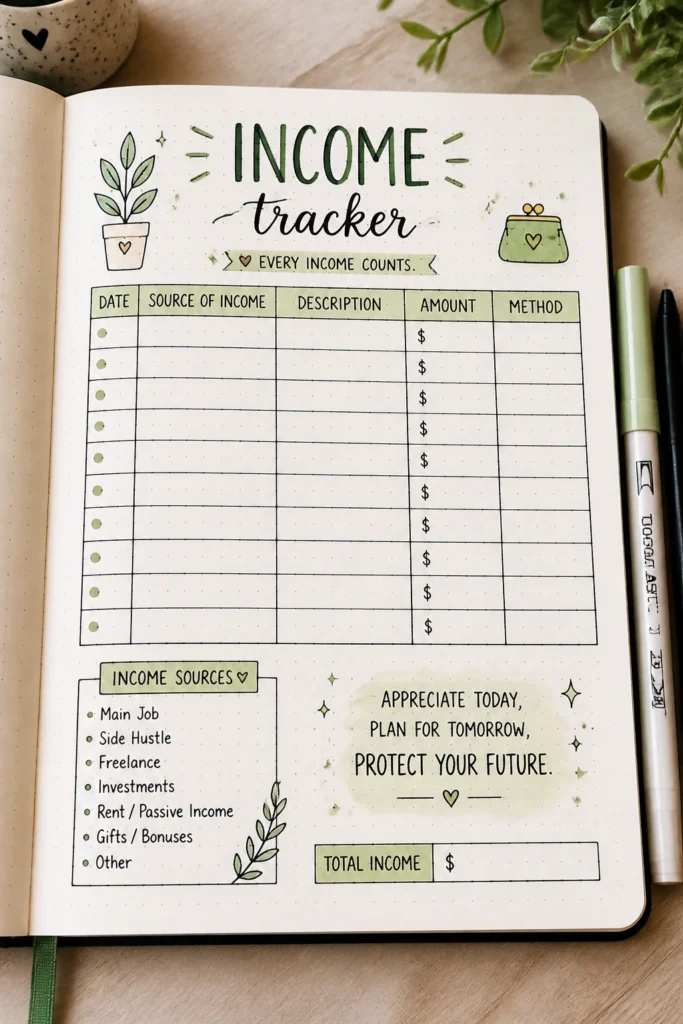
Jot down all sources of income, including your main gig, side hustles, or even unexpected windfalls. Seeing your hard work quantified feels pretty good. This spread helps you understand your complete financial picture, not just the spending side.
7. Sinking Funds Spread
Saving for specific goals like a vacation, new car tires, or holiday gifts? Sinking funds are your secret weapon. They prevent big expenses from blindsiding your budget.
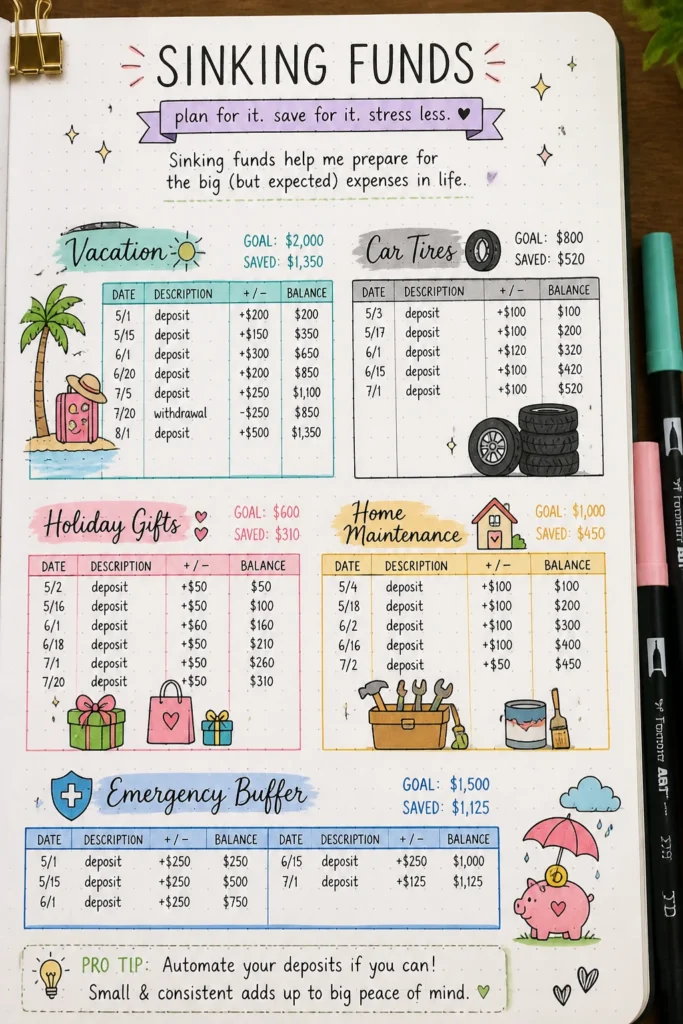
Create individual sections for each fund, tracking deposits and withdrawals. A clever pro tip: decorate each fund with doodles related to its purpose for extra motivation. This ensures you’re always prepared for those anticipated, yet often forgotten, costs.
8. Savings Jar Visualizer
Sometimes, you just need to see your money grow. This visual tracker makes saving feel tangible, even if it’s all digital.
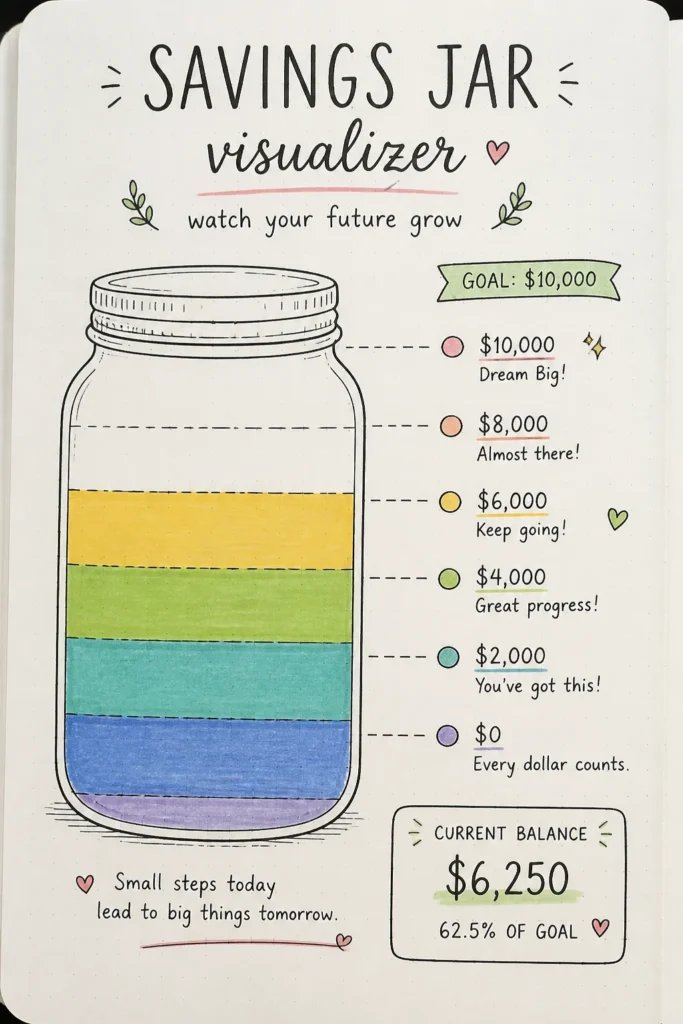
Draw a jar and fill it in as your savings account balance increases. You can assign values to segments of the jar. This provides a satisfying visual representation of your growing nest egg.
9. Subscription Tracker
Those monthly subscriptions can really add up, often without you even noticing. This tracker shines a light on those sneaky recurring payments.
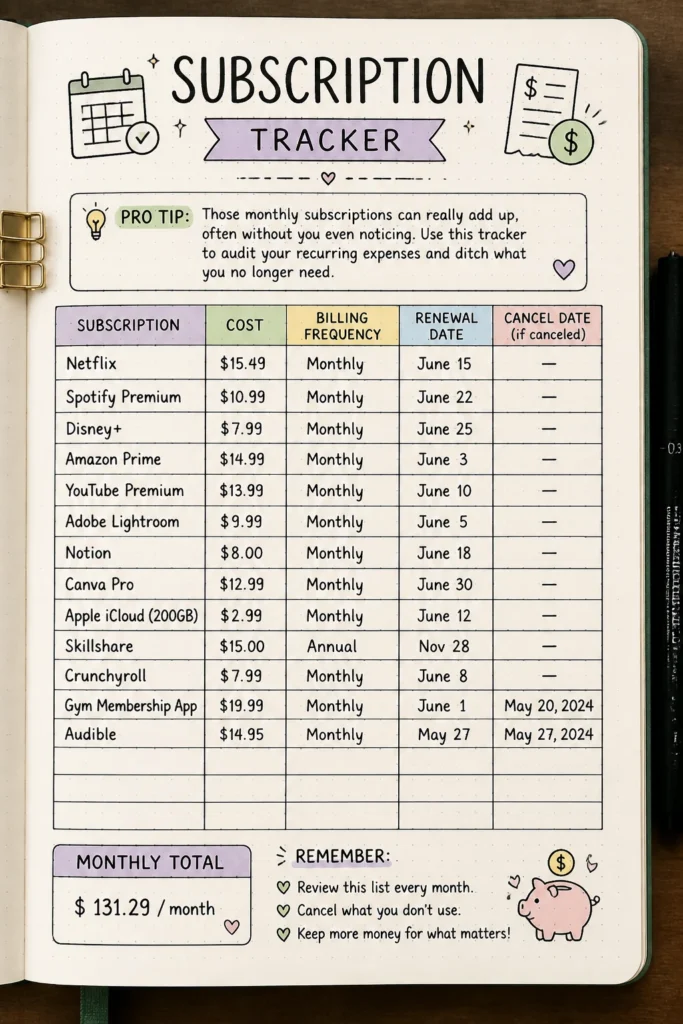
List all your subscriptions, their cost, and renewal dates. A crucial pro tip: include a column for “cancel date” if you decide to cut ties. This helps you audit your recurring expenses and ditch what you no longer need.
10. Daily Receipt Log
For those who prefer a rapid-fire approach to tracking, a daily receipt log is your friend. It’s quick, dirty, and effective for capturing every penny.
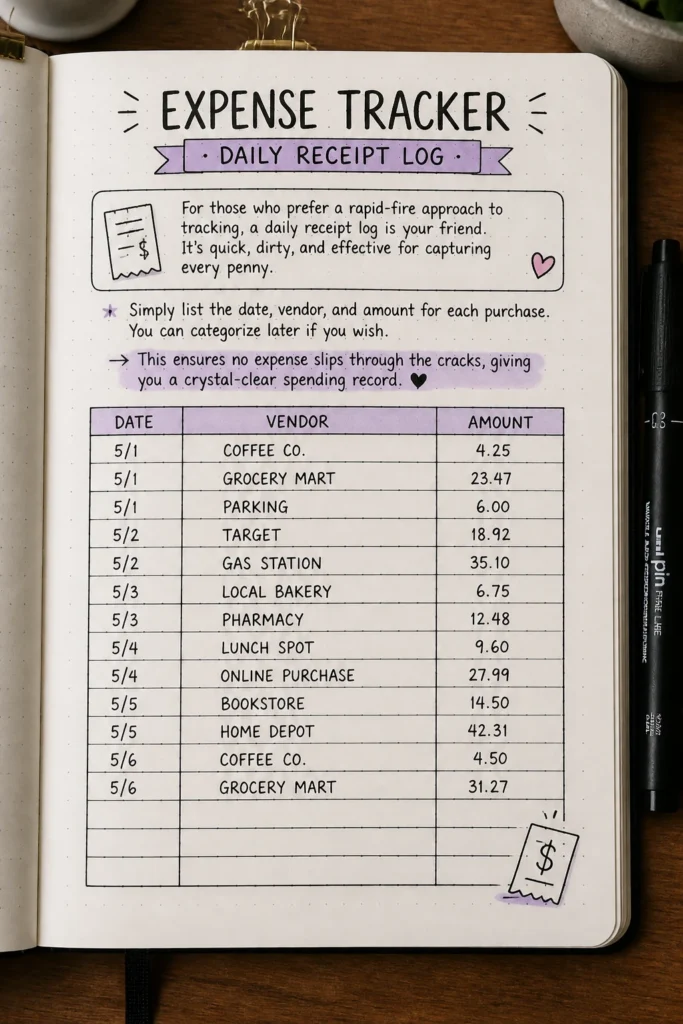
Simply list the date, vendor, and amount for each purchase. You can categorize later if you wish. This ensures no expense slips through the cracks, giving you a crystal-clear spending record.
11. Future Planning Spread
Dreaming big financially? A future planning spread helps you map out those long-term goals. Think retirement, a house down payment, or starting a business.
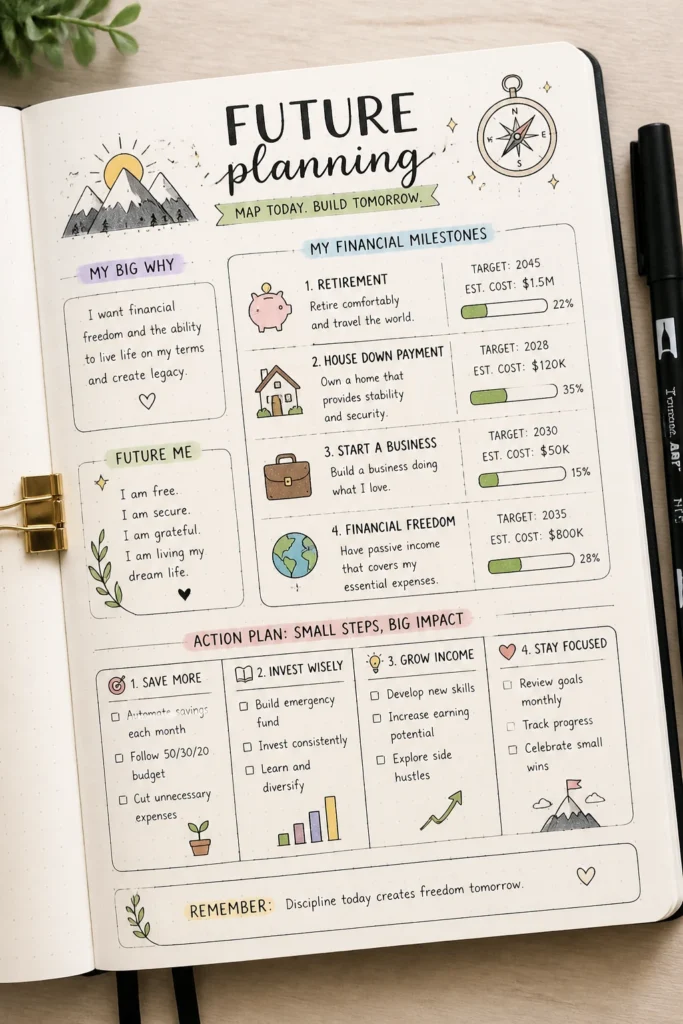
Outline your major financial milestones and the steps you need to take to reach them. Breaking down huge goals makes them feel achievable. This spread keeps your eyes on the prize, guiding your current spending choices.
12. Gratitude for Spending Tracker
This one’s a bit unconventional but incredibly powerful. It shifts your mindset from guilt to appreciation. After making a purchase, note down why you’re grateful for it.
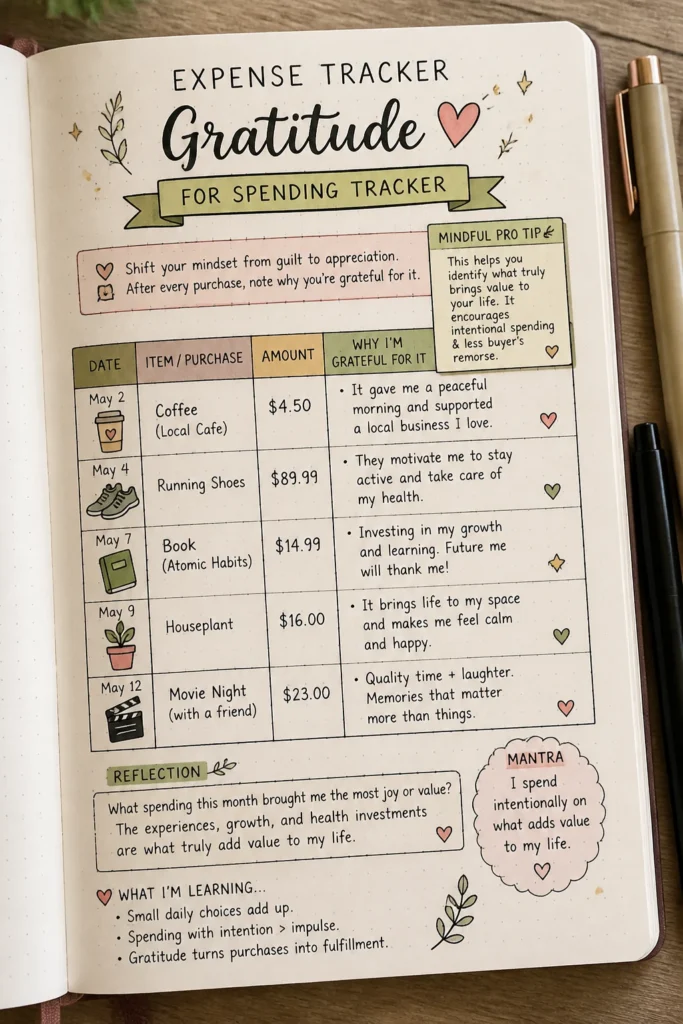
Maybe those new running shoes give you joy, or your coffee purchase supported a local business. A mindful pro tip: this helps you identify what truly brings value to your life. It encourages intentional spending and less buyer’s remorse.
13. “Oops I Did It Again” Tracker
Let’s be honest, impulse buys happen to the best of us. Instead of beating yourself up, track them with a little humor. This spread helps you identify your triggers.
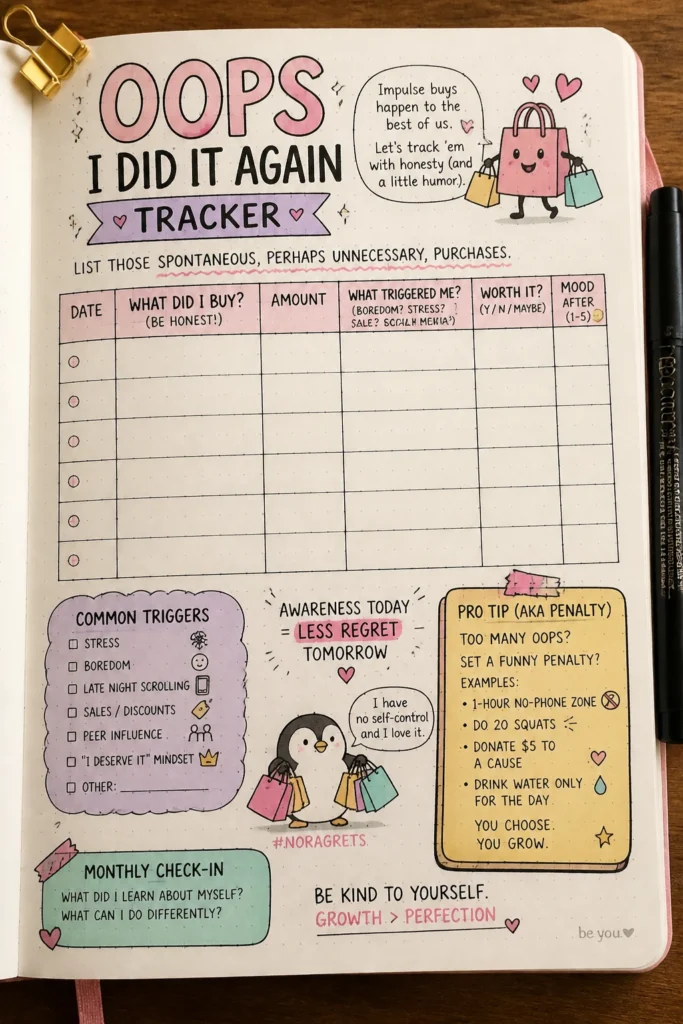
List those spontaneous, perhaps unnecessary, purchases. A playful pro tip: give yourself a funny “penalty” for too many entries, like a one-hour no-phone zone. This tracker offers a lighthearted way to understand and curb your impulse spending.
💼 The Money Management Toolkit
Knowledge is power, but proper execution requires the right tools. Getting your financial life organized doesn't have to be overwhelming. These 5 physical management tools are exactly what successful households use to budget, track cash, and secure their most important assets.
📝 Clever Fox Budget Planner & Bill Organizer
The ultimate analog command center for your finances. Sometimes keeping your budget in an app just doesn't stick. Physically writing down your goals, tracking expenses, and planning for debt payoff creates a level of accountability that digital spreadsheets simply can't match.
💵 A6 Leather Cash Stuffing Binder
The viral tool that made the cash-envelope budgeting system popular again. By allocating actual physical cash to designated envelopes (groceries, dining out, fun money), you physically cap your spending, making it virtually impossible to overdraft or overspend.
🔥 Fireproof & Waterproof Document Safe
A critical piece of financial security that many families overlook. Protecting your passports, birth certificates, property deeds, and estate planning documents from disaster is just as important as protecting the money in your bank account.
🏷️ Brother P-Touch Digital Label Maker
The unsung hero of a functional home office. When tax season rolls around or you need to find an important receipt, having perfectly labeled and categorized filing cabinets or accordion folders saves hours of frustrating searches and potential late fees.
🔒 SentrySafe Compact Fireproof Lock Box
For the physical assets that need extra heavy-duty protection—think emergency cash reserves, hard drives with Bitcoin cold wallets, or physical precious metals. This compact, locking safe provides peace of mind that your physical wealth is secure at home.
Conclusion
See? Who said money tracking had to be a snooze-fest? Your expense tracker bullet journal transforms a necessary chore into an empowering, creative outlet. You gain clarity, control, and a seriously stylish way to manage your moolah. So grab those pens, doodle your way to financial freedom, and maybe even find a few extra bucks for that next latte. You’ve got this!