🚀 How To Get Out Of Debt
📚 The Financial Literacy Library
The best investment you can ever make is in your own financial education. These 5 cornerstone books are what millionaires, financial advisors, and wealth-builders universally recommend for completely rewiring how you think about earning, saving, and investing money.
🧠 The Psychology of Money
Doing well with money isn't necessarily about what you know—it's about how you behave. Morgan Housel masterfully breaks down the emotional and psychological biases that secretly dictate our financial decisions, offering a true paradigm shift in how to view wealth.
🏠 Rich Dad Poor Dad
The #1 personal finance book of all time for a reason. This foundational read shatters the myth that you need to earn a high income to be rich, teaching you the critical difference between working for money and making your money work for you via assets.
📈 Atomic Habits
While not strictly a finance book, building wealth is absolutely dependent on the daily habits you cultivate. James Clear provides the definitive framework for breaking bad spending habits and effortlessly automating the good ones that lead to long-term success.
📊 The Simple Path to Wealth
The ultimate antidote to complex, intimidating financial advice. JL Collins provides an incredibly accessible, low-stress roadmap to financial independence through index fund investing, perfectly explaining why simplicity beats Wall Street complexity every time.
💳 I Will Teach You to Be Rich
A tactical, no-BS, 6-week program that actually works. Ramit Sethi teaches you how to crush debt, automate your savings, and negotiate your salary—all while guilt-free spending on the things you truly love. A must-read for modern money management.
Feeling the heavy weight of debt pressing down on you? You’re not alone. Millions experience the stress, anxiety, and limitations that come with financial burdens. But here’s the empowering truth: you have the power to change your financial future, reclaim your peace of mind, and build the life you truly desire. This isn’t just about paying off bills; it’s about transforming your relationship with money, building lasting wealth, and setting yourself free.

Quick Overview
This comprehensive guide will walk you through the practical, actionable steps to tackle your debt head-on, develop smart money habits, and pave your way to financial freedom. You’ll learn how to understand your current situation, create a powerful plan, implement effective strategies, and maintain momentum on your journey out of debt and towards a wealthier future.
- Time needed: Initial setup & planning: 2-4 hours. Ongoing commitment: 1-2 hours per week for tracking and adjustments. The journey itself can take months to several years, depending on your debt load and income.
- Difficulty: Intermediate (requires discipline and consistent effort, but the steps are straightforward and achievable for anyone committed to change).
- What you’ll need: All your financial statements (credit cards, loans, mortgages), a pen and paper or a spreadsheet program, internet access, and a strong commitment to transforming your financial life.
Step-by-Step Instructions
Step 1: Confront Your Debt Reality (Without Judgment!)
The first, and often hardest, step is to truly understand the full scope of your debt. This isn’t about shaming yourself; it’s about gaining clarity, which is the foundation of any successful escape plan. Gather every single statement for every debt you have: credit cards, personal loans, student loans, car loans, medical bills, even money owed to friends or family. List them out in a spreadsheet or on a piece of paper.
For each debt, note down:
- Creditor name (e.g., Visa, Chase, Sallie Mae)
- Current balance
- Minimum monthly payment
- Interest rate (APR)
- Due date
Seeing all these numbers laid out can be a shock, but it’s crucial. This is your starting line. Acknowledge it, take a deep breath, and know that you’re now equipped with the information you need to fight back.
Pro tip: Don’t forget any “hidden” debts like store credit cards or buy-now-pay-later services. Every single dollar owed counts and needs to be accounted for in your plan.
Step 2: Craft Your Budget Blueprint (Your Financial GPS)
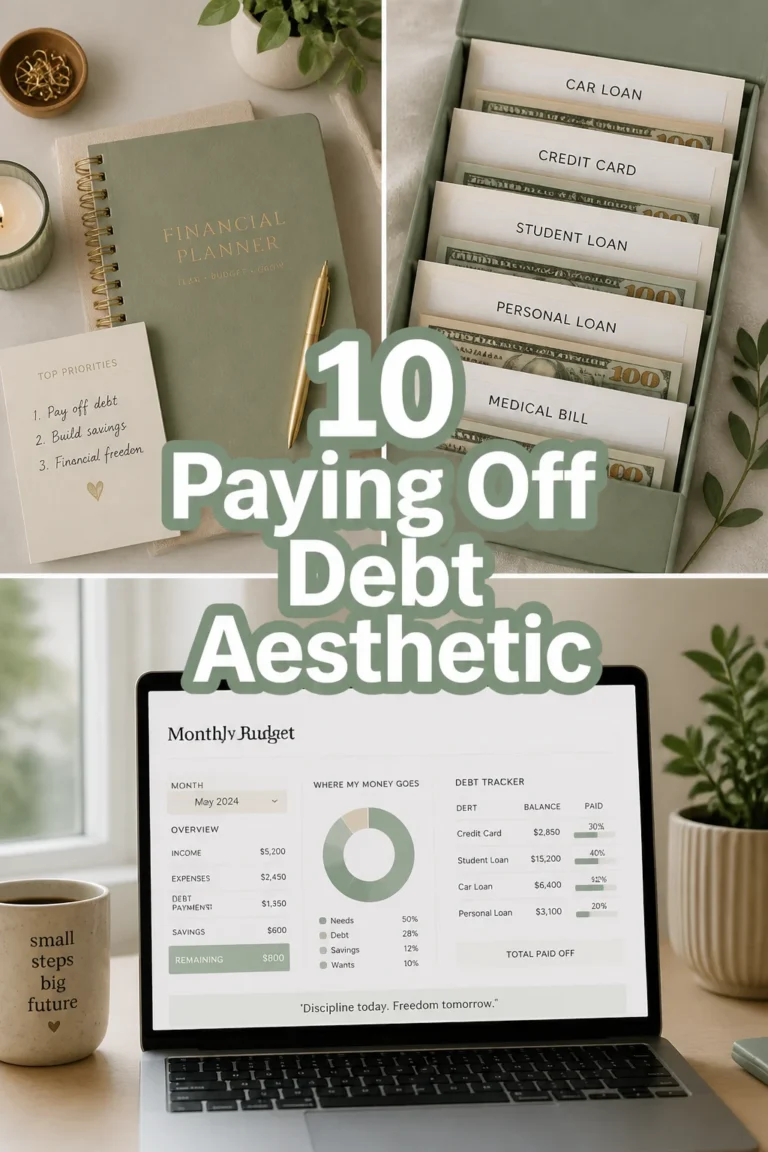
A budget isn’t about restriction; it’s about intention. It’s your financial GPS, telling your money where to go instead of wondering where it went. Without a clear understanding of your income and expenses, you’re driving blind. Start by tracking every dollar you earn and every dollar you spend for at least one month. You can use budgeting apps (Mint, YNAB, Personal Capital), a simple spreadsheet, or even a notebook.
Categorize your spending: Housing, Utilities, Groceries, Transportation, Dining Out, Entertainment, Subscriptions, etc. Be brutally honest with yourself. Many people are surprised by how much they spend on small, daily purchases. Once you have a clear picture, create a forward-looking budget that allocates every dollar of your income. The goal is to have more money going out for debt payments and savings than for discretionary spending.
Pro tip: Think of budgeting as an ongoing conversation with your money, not a one-time event. Review and adjust your budget weekly or monthly to ensure it aligns with your goals and reflects your current spending habits.
Step 3: Slash Expenses & Amplify Savings (The Power of “No”)
Now that you have your budget, it’s time to find areas to cut. Look for expenses that don’t align with your values or contribute to your long-term financial goals. This is where the power of saying “no” comes in. Can you:
- Cancel unused subscriptions (streaming services, gym memberships)?
- Reduce dining out and cook more meals at home?
- Negotiate lower bills (insurance, internet, phone)?
- Find cheaper alternatives for everyday items?
- Downsize your living situation or car if necessary?
- Delay non-essential purchases?
Even small cuts add up significantly over time. A $5 coffee every workday is $100 a month! Reallocate these “found” savings directly to your debt payments. Every dollar freed up is a dollar accelerating your journey to freedom.
Pro tip: Implement a “no-spend” challenge for a weekend or even a week. This forces creativity, highlights unnecessary spending, and often reveals just how much you can save when you put your mind to it.
Step 4: Boost Your Income (More Cash, Faster Freedom)
While cutting expenses is vital, there’s a limit to how much you can cut. There’s no limit to how much you can earn! Increasing your income can dramatically speed up your debt payoff journey. Consider these options:
- Side Hustle: Freelancing (writing, graphic design, web development), dog walking, tutoring, rideshare driving, delivering food, selling crafts online, virtual assistant work.
- Sell Unused Items: Declutter your home and sell clothes, electronics, furniture, or collectibles on platforms like eBay, Facebook Marketplace, or local consignment shops.
- Negotiate Your Salary: If you’re employed, research industry averages and prepare a strong case for a raise.
- Take on Overtime: If available at your current job, even a few extra hours can make a difference.
Every extra dollar earned should go directly towards your debt. Think of it as a temporary surge to get you out of the red faster.
Pro tip: Focus on leveraging existing skills or developing new ones that are in demand. Even small income boosts can make a big psychological and financial impact.
Step 5: Pick Your Debt Payoff Strategy (Snowball vs. Avalanche)
Now that you know your debts and have extra money, it’s time to choose your attack plan. There are two popular, highly effective methods:
- Debt Snowball Method: List your debts from smallest balance to largest. Pay only the minimum on all debts except the smallest one. Throw every extra dollar you have at that smallest debt until it’s gone. Once it’s paid off, take the money you were paying on that debt (minimum + extra) and add it to the minimum payment of the next smallest debt. You gain psychological momentum as you quickly knock out smaller debts.
- Debt Avalanche Method: List your debts from highest interest rate to lowest. Pay only the minimum on all debts except the one with the highest interest rate. Throw every extra dollar you have at that high-interest debt until it’s gone. Once it’s paid off, take the money you were paying on that debt and add it to the minimum payment of the next highest interest rate debt. This method saves you the most money in interest over time.
Both methods work. Choose the one that resonates most with your personality. If you need quick wins to stay motivated, go with the snowball. If you’re a numbers person focused on efficiency, the avalanche is for you.
Pro tip: Don’t forget to call your credit card companies and ask for a lower interest rate. A simple phone call can sometimes save you hundreds or even thousands of dollars in interest, especially if you have a good payment history.
Step 6: Automate Payments & Savings (Set It and Forget It)
Willpower is finite. Automation is your friend. Set up automatic minimum payments for all your debts so you never miss a due date and incur late fees. Then, set up an automatic transfer for your extra debt payment (from your budget cuts and increased income) to your target debt. Similarly, automate a small amount of savings for your emergency fund (more on this in Step 7).
When money automatically moves out of your checking account for debt payments and savings, you’re less likely to spend it. It removes the decision-making fatigue and builds consistent habits. You’ll quickly adapt to living on the remaining balance.
Pro tip: Schedule your automatic transfers to coincide with your paydays. This ensures the money is moved before you have a chance to spend it elsewhere.
Step 7: Build Your Debt Protection Shield (Emergency Fund)
This step is crucial and often overlooked when people are eager to pay down debt. Before going all-in on debt payoff, aim to save a small “starter” emergency fund of $1,000 to $2,000. This fund acts as your debt protection shield. If an unexpected expense arises (car repair, medical bill, job loss), you’ll have cash to cover it instead of resorting to a credit card and digging yourself back into debt.
Once your starter emergency fund is in place, you can aggressively tackle your debt. After all consumer debt is paid off, your next big financial goal will be to build a fully funded emergency fund (3-6 months of living expenses).
Pro tip: Keep your emergency fund in a separate, easily accessible savings account, ideally one that earns a little interest, but don’t link it to your checking account for easy spending.
Step 8: Celebrate Wins & Stay Motivated (The Long Game)
Getting out of debt is a marathon, not a sprint. There will be days you feel discouraged or want to give up. That’s why celebrating your progress is so important. Every time you pay off a debt, even a small one, acknowledge it! Do a happy dance, treat yourself to a small, free reward (a long walk, a movie night at home, a bubble bath), or share your success with a supportive friend or partner.
Regularly track your progress. Seeing the total debt balance shrink over time is incredibly motivating. Visualize your debt-free future and remind yourself why you started this journey. Connect with online communities or find an accountability partner to keep you going.
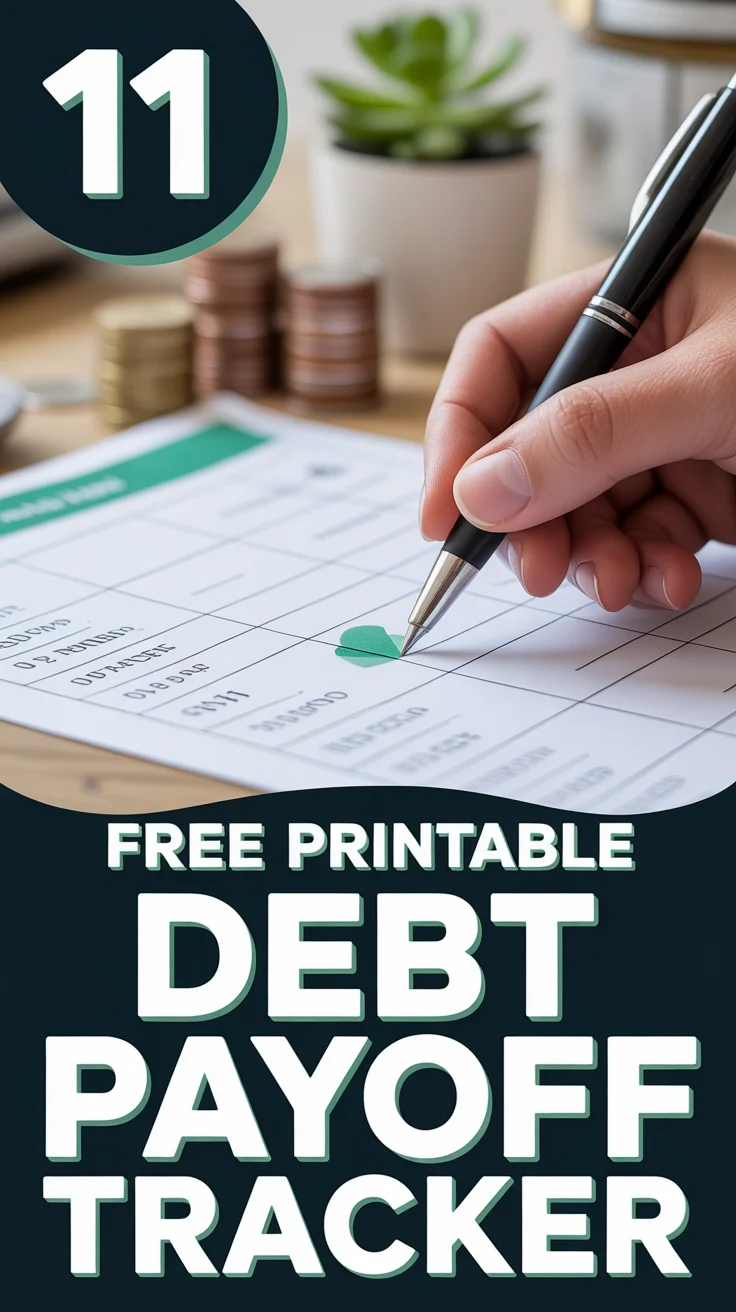
Pro tip: Create a visual tracker: a thermometer you color in, a chain of paper links you remove as debts are paid, or a simple spreadsheet graph. Seeing the progress visually can provide a powerful boost.
Common Mistakes to Avoid
Even with the best intentions, it’s easy to fall into common traps. Be aware of these pitfalls:
- Ignoring the Problem: Burying your head in the sand will only make debt grow larger and more intimidating. The correct approach is to confront it head-on, as detailed in Step 1, to gain clarity and control.
- Not Having a Budget (Or Sticking to One): Without a clear spending plan, you’re essentially flying blind. You won’t know where your money is going or where you can find extra cash for debt payments. The correct approach is to create a realistic budget (Step 2) and review/adjust it regularly.
- Taking on More Debt: This is like trying to fill a bucket with a hole in it. While paying off existing debt, avoid new loans, credit card purchases, or “buy now, pay later” schemes unless absolutely unavoidable emergencies arise. The correct approach is to pause all non-essential new debt and use your emergency fund for unexpected costs.
- Expecting Overnight Results: Debt payoff is a journey, not a destination you reach in a week. Impatience can lead to burnout and giving up. The correct approach is to embrace the process, celebrate small wins, and maintain consistency over time (Step 8).
- Not Building an Emergency Fund: Skipping this crucial step leaves you vulnerable to unexpected expenses, which often leads to taking on new debt. The correct approach is to build a starter emergency fund first (Step 7) to create a financial buffer.
Troubleshooting
Even the best-laid plans can hit bumps in the road. Here’s how to navigate common challenges:
-
Issue: Your budget feels too restrictive or impossible to stick to.
Solution: Budgets are meant to be flexible. If you’re constantly overspending in certain categories, it might mean your allocations are unrealistic. Review your spending from the past month. Are you regularly exceeding your grocery budget? Perhaps you need to increase that category slightly and find a corresponding cut elsewhere. It’s about finding a balance that allows for progress without feeling deprived. Don’t be afraid to adjust until it feels sustainable.
-
Issue: You’re feeling overwhelmed or losing motivation.
Solution: This is completely normal! Take a step back. Revisit your “why” – why do you want to be debt-free? Is it for peace of mind, a down payment on a house, or to travel? Remind yourself of that powerful vision. Break down your big goal into smaller, more manageable steps. Re-read your progress tracker. Connect with a supportive community or friend who understands your journey. Sometimes, a short break from intense focus can help you reset and come back stronger.
-
Issue: An unexpected expense (car repair, medical bill) pops up.
Solution: This is exactly why you built your emergency fund! Dip into that fund to cover the expense instead of putting it on a credit card. If you don’t have a fully funded emergency fund yet, pause your extra debt payments temporarily and focus on rebuilding your starter fund as quickly as possible. Life happens, but having a plan for it prevents new debt from derailing your progress.
Key Takeaways
- Awareness is Power: You can’t fix what you don’t understand. Confronting your debt and tracking your spending are the foundational steps.
- Budgeting is Your Superpower: A well-crafted budget gives you control and intention over every dollar, turning “I can’t afford that” into “I’m choosing not to afford that right now.”
- Small Changes Add Up: Don’t underestimate the impact of cutting small expenses or earning a little extra. Consistency in small actions leads to massive results.
- Consistency Beats Intensity: Slow and steady wins the race. Regular, automated payments and adherence to your budget are more effective than sporadic, intense efforts.
- Protect Your Progress: An emergency fund is your shield against new debt, ensuring unexpected events don’t derail your hard-earned progress.
- Mindset Matters: Getting out of debt isn’t just about numbers; it’s about developing a money-smart mindset, delayed gratification, and belief in your ability to achieve financial freedom.
Frequently Asked Questions
Here are some common questions people ask when starting their debt-free journey:
-
Should I pay off debt or save first?
Generally, the advice is to save a small “starter” emergency fund ($1,000-$2,000) first (see Step 7). This protects you from new debt. After that, aggressively pay off high-interest consumer debt. Once that’s clear, you can focus on building a larger emergency fund and then investing.
-
What if I have very little extra money to put towards debt?
Even small amounts make a difference! Focus on Step 3 (cutting expenses) and Step 4 (boosting income) to free up even $50 or $100 per month. That’s a great start. The key is consistency. As your income grows or expenses shrink, you can increase that amount.
-
Is debt consolidation a good idea?
Debt consolidation can be helpful if it lowers your interest rate and simplifies your payments into one manageable sum. However, it’s not a magic bullet. You must still address the underlying spending habits that led to debt in the first place, or you risk consolidating debt only to accumulate more. Proceed with caution, ensure you get a lower interest rate, and commit to not taking on new debt.
-
How long does it really take to get out of debt?
This varies greatly depending on the total amount of debt, your income, and how aggressively you apply the strategies in this guide. For consumer debt, it can range from a few months to 2-5 years. For larger debts like student loans or mortgages, it will take longer. The important thing is to start, stay consistent, and celebrate milestones along the way.
What’s Next?
Congratulations on taking these powerful steps towards financial freedom! Getting out of debt is a massive achievement, but it’s just the beginning of your money-smart journey. Once your consumer debt is gone, you’ll have more financial margin than ever before. Here’s what you can look forward to next:
- Fully Fund Your Emergency Savings: Aim for 3-6 months of essential living expenses in a high-yield savings account.
- Start Investing for Retirement: Take advantage of employer-sponsored plans like a 401(k) (especially if there’s a company match!) or open a Roth IRA.
- Save for Your Big Goals: Whether it’s a down payment for a home, a dream vacation, or your children’s education, start intentionally saving for what matters most to you.
- Explore Passive Income Streams: Learn about ways to make your money work for you, such as dividend stocks, real estate, or creating online content.
- Continue Your Financial Education: The world of personal finance is vast and ever-evolving. Keep reading, learning, and refining your money habits.
Your journey out of debt empowers you to build a life of financial security and abundance. Don’t wait another day. Start taking action today, and watch your financial future transform!